
Phishing Analysis
Detailed analysis of captured phishing page
Captura Visual
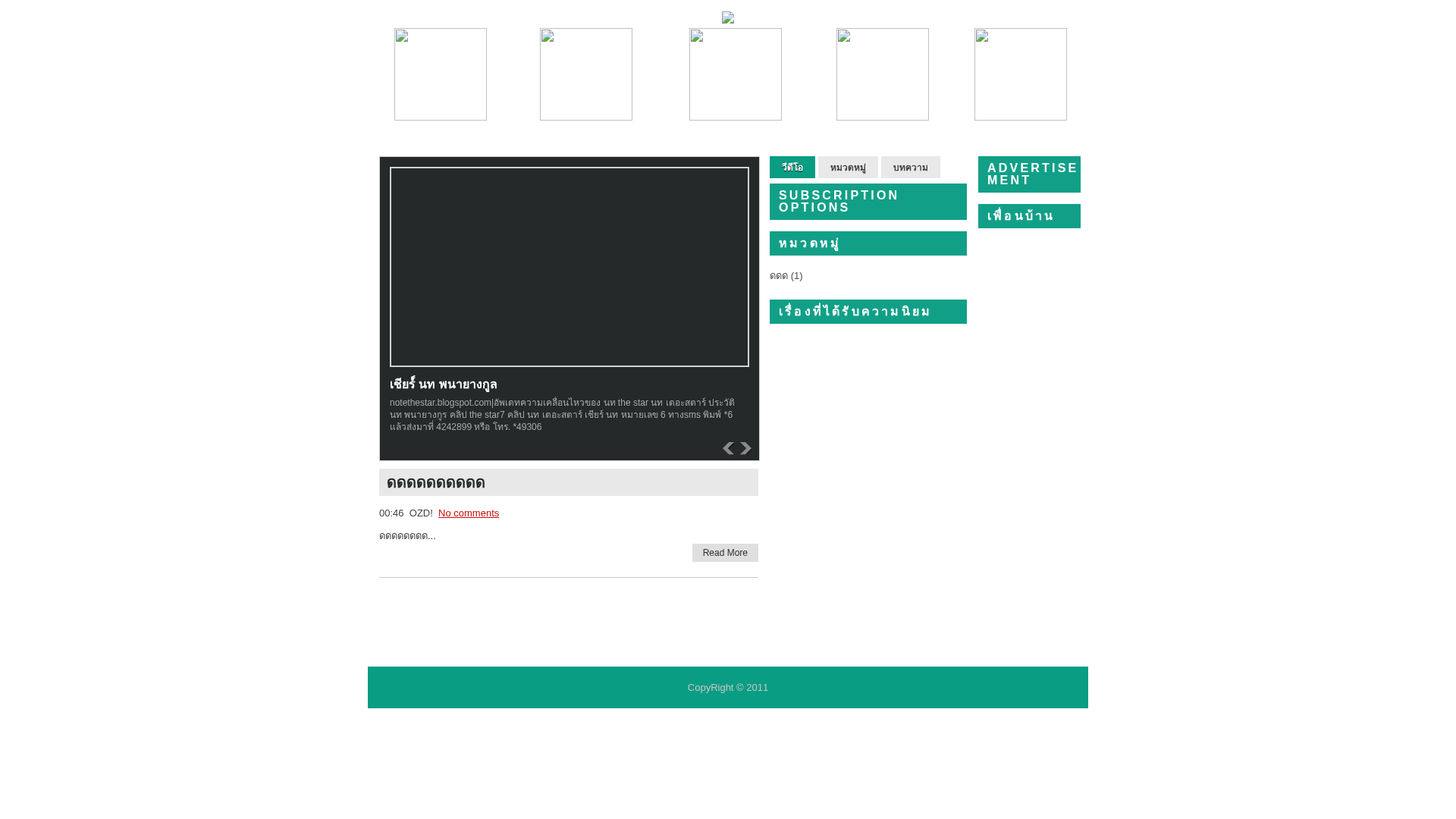
Información de Detección
https://facebook-th.blogspot.com/
Detected Brand
Unknown
Country
Unknown
Confianza
100%
HTTP Status
200
Report ID
570ebce3-fc9…
Analyzed
2026-07-13 23:41
Hashes de Contenido (Similitud HTML)
Used to detect similar phishing pages based on HTML content
| Algorithm | Hash Value |
|---|---|
|
CONTENT
TLSH
|
T18E83359B6070A63FE773A3E22C946796F2EE0518E20A10601DF856362BDFD11B53375E |
|
CONTENT
ssdeep
|
1536:BYDTImJ9C6bheVC4hkRepTekjIb1ngH8VF76hCX0RDtw3fR/8Ze8hUiPjqIKS1Ab:ATIn6tD |
Hashes Visuales (Similitud de Captura)
Used to detect visually similar phishing pages based on screenshots
| Algorithm | Hash Value |
|---|---|
|
VISUAL
pHash
|
b131cece9331ce38 |
|
VISUAL
aHash
|
ffc3c3c7cfffc3ff |
|
VISUAL
dHash
|
009e9e9c9a009616 |
|
VISUAL
wHash
|
c3c3c3c3c4c4c0fc |
|
VISUAL
colorHash
|
07000000e00 |
|
VISUAL
cropResistant
|
009e9e9c9a009616,41414101611182a3,0000083030300800 |
Análisis de Código
Risk Score
100/100
Nivel de Amenaza
ALTO
⚠️ Phishing Confirmed
🎣 Credential Harvester
🎣 OTP Stealer
🎣 Personal Info
🔒 Obfuscation Detected
- atob
- eval
- fromCharCode
- unescape
- hex_escape
- unicode_escape
- base64_strings
🎯 Kit Endpoints
- https://facebook-th.blogspot.com/2009/10/blog-post.html
- https://www.blogger.com/navbar/8268581442716250786?origin=https://facebook-th.blogspot.com&usegapi=1&jsh=m%3B%2F_%2Fscs%2Fabc-static%2F_%2Fjs%2Fk%3Dgapi.lb.en.9vdPKhB0RUg.O%2Fd%3D1%2Frs%3DAHpOoo97anj7zZ432JcN58tqJJp_A6WeOw%2Fm%3D__features__#id=navbar-iframe&_gfid=navbar-iframe&parent=https%3A%2F%2Ffacebook-th.blogspot.com&pfname=&rpctoken=37399255
- https://lh3.googleusercontent.com/blogger_img_proxy/AEn0k_sxZicooQKnjR9kB1iBk30_PeMqdaquW7JNvY4J3lFJeBJaSOHBHqSHWCGyq2fro7Fs1-3gULx8JRc0XC2nWZwfKuETIzwDh8D_=s0-d
- https://facebook-th.blogspot.com/search/label/%E0%B8%94%E0%B8%94%E0%B8%94
- http://notethestar.blogspot.com/p/l-notethestarblogspotcom.html
- https://facebook-th.blogspot.com/2009/10/
- https://facebook-th.blogspot.com/2009/10/blog-post.html#comment-form
- https://facebook-th.blogspot.com/feeds/posts/default
- http://facebook-th.blogspot.com/
- https://www.blogger.com/feeds/8268581442716250786/posts/default
- http://notethestar.blogspot.com
- https://www.blogger.com/dyn-css/authorization.css?targetBlogID=8268581442716250786&zx=766f699d-f3c6-4e3a-abdc-321a36caf301
- https://lh3.googleusercontent.com/blogger_img_proxy/AEn0k_t1Fw0FS7RNwl0MUdIfymgwYxMIZG7ua14RpGjMCQs8rWDTME2ben_tm2J6H5qMWkS_x97VVEvbv2rNdi9eh9nlL1-iyg=s0-d
- https://facebook-th.blogspot.com/feeds/posts/default?alt=rss
- https://lh3.googleusercontent.com/blogger_img_proxy/AEn0k_scrzvYIqXWSSYdsviVk-9kdhKz_4GrheAJMYgd-7XK_OjWzdcaME8EKiimAcWvRmMG-qrdWMQC12PRABR1mJPX1OpDf-1tUNNl=s0-d
- https://lh3.googleusercontent.com/blogger_img_proxy/AEn0k_sutV0Yc_phidij8wZdGsq1pW8okYXeRo6MkzJP72N-SaqEd3tkZZ5hQ9U87DeniGDl7wQgVMJ4LQImQmLUZNcXkqOZiatlJbgv=s0-d
- http://notethestar.blogspot.com/2011/02/l-star.html
- https://lh3.googleusercontent.com/blogger_img_proxy/AEn0k_tSBA6w2C32T9RAdhg2LY19yCd2P2uebtCipU-pbp5NBtGGkmMYH9BgE6OHljofwkL020rFD-tkhG8988EURuPXfjbXDqKqEOVV=s0-d
- http://notethestar.blogspot.com/p/blog_16.html
- http://notethestar.blogspot.com/search/label/%E0%B8%84%E0%B8%A5%E0%B8%B4%E0%B8%9B%E0%B8%A7%E0%B8%B5%E0%B8%94%E0%B8%B5%E0%B9%82%E0%B8%AD%20%E0%B8%99%E0%B8%97%20the%20star
- https://facebook-th.blogspot.com/2009/
- https://lh3.googleusercontent.com/blogger_img_proxy/AEn0k_vLTDXj5wmhkomXG4bvn-b9gAYsxNDRLK0uebNFp08QegaNQCnjTC_fULb2WClECaUg_Qf17pamLpt-78Yy7vdTvgIVv9GqSZ8z=s0-d
📡 API Calls Detected
- post
📊 Desglose de Puntuación de Riesgo
Total Risk Score
100/100
Contributing Factors
Active Phishing Kit
Detected kit types: Credential Harvester, OTP Stealer, Personal Info
Code Obfuscation
JavaScript code obfuscated using 104 technique(s) to evade detection
🔬 Análisis Integral de Amenazas
Tipo de Amenaza
Two-Factor Authentication Stealer
Objetivo
General public
Método de Ataque
obfuscated JavaScript
Canal de Exfiltración
Unknown
Evaluación de Riesgo
CRITICAL - Automated credential harvesting with Unknown
⚠️ Indicators of Compromise
- Kit types: Credential Harvester, OTP Stealer, Personal Info
- 104 obfuscation techniques
🏢 Análisis de Suplantación de Marca
Impersonated Brand
Facebook
Official Website
https://www.facebook.com
Fake Service
Credential harvesting service
⚔️ Metodología de Ataque
Primary Method: Credential Harvesting
Victim enters username and password into fake login form. Credentials are captured via JavaScript and exfiltrated to attacker's server in real-time.
Secondary Method: JavaScript Obfuscation
Malicious code is obfuscated using 104 techniques to evade detection by security scanners and make reverse engineering more difficult.
🌐 Indicadores de Compromiso de Infraestructura
Domain Information
Dominio
facebook-th.blogspot.com
Registered
Unknown
Registrar
None
Estado
Age unknown
Hosting Information
Provider
Unknown
ASN
🤖 AI-Extracted Threat Intelligence

"Nunca pensé que me pasaría a mí"
Esto dicen las 2.3 millones de víctimas cada año. No esperes a ser una estadística.