
Phishing Analysis
Detailed analysis of captured phishing page
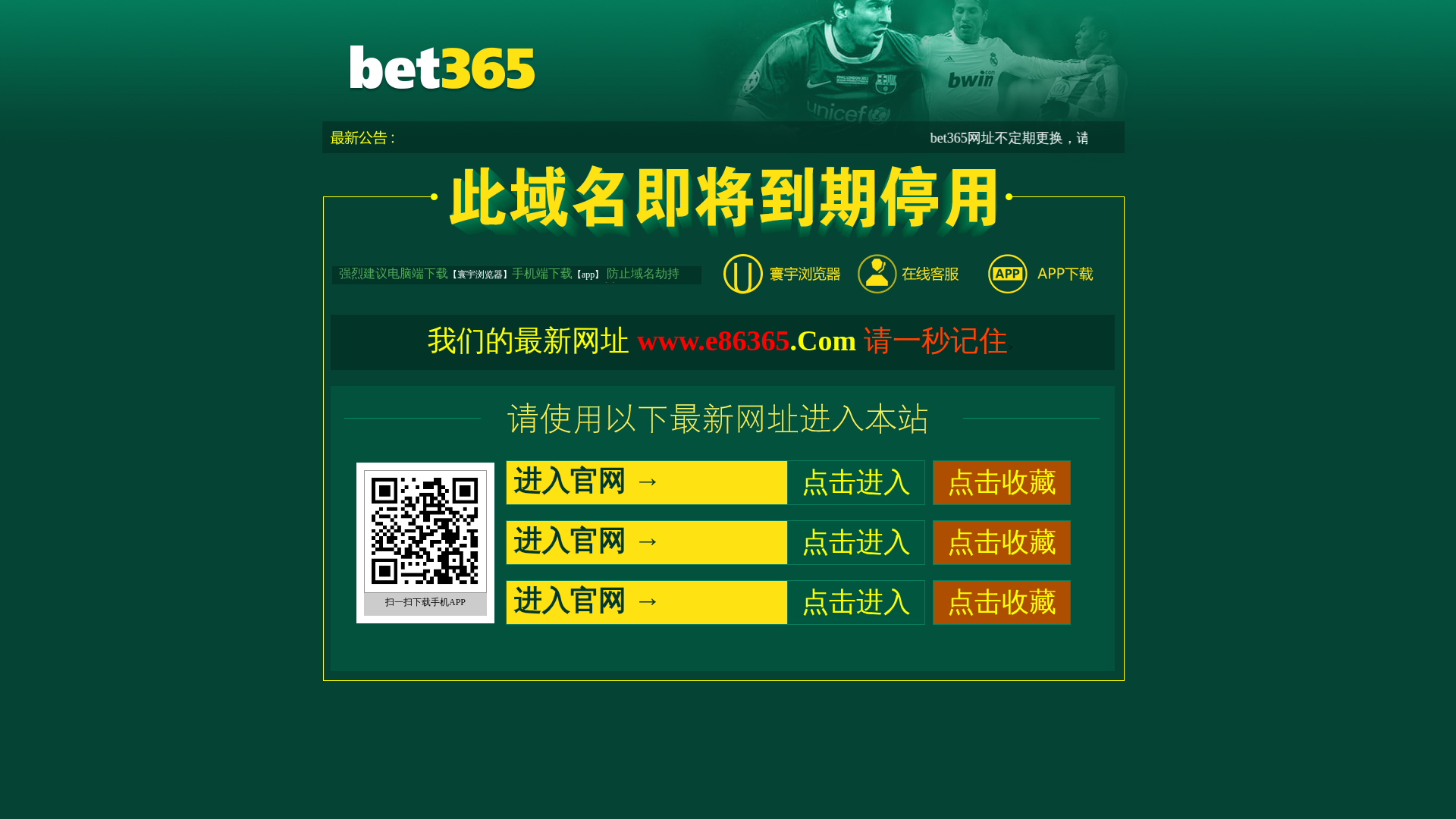
Captura Visual
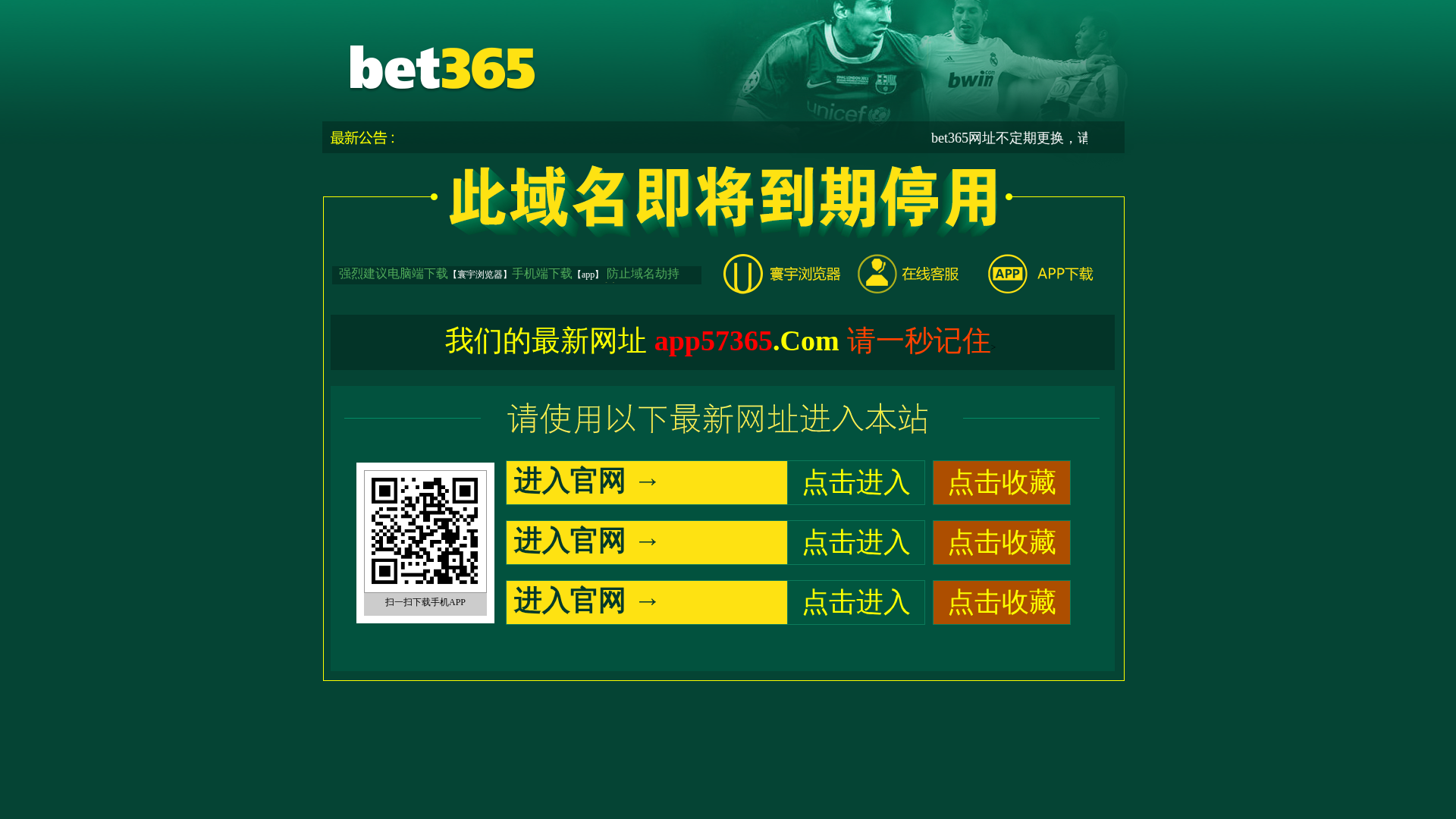
Información de Detección
https://www-57365.cc
Detected Brand
bet365
Country
International
Confidence
95%
HTTP Status
200
Report ID
6703754c-5f8…
Analyzed
2026-03-17 04:57
Final URL (after redirects)
https://www-57365.cc/
Hashes de Contenido (Similitud HTML)
Used to detect similar phishing pages based on HTML content
| Algorithm | Hash Value |
|---|---|
|
CONTENT
TLSH
|
T18141F0F2C289A63322528AC6FE70B739F5D3018EF8411653C6F116FD03C9EB9D442A5A |
|
CONTENT
ssdeep
|
48:epWxqnmsQ2HwvlFx6mH07m7roj7ao77ro6:hsAvlj687cnd/c6 |
Hashes Visuales (Similitud de Captura)
Used to detect visually similar phishing pages based on screenshots
| Algorithm | Hash Value |
|---|---|
|
VISUAL
pHash
|
cfb333c73031c698 |
|
VISUAL
aHash
|
ef3c1c003c7c3000 |
|
VISUAL
dHash
|
4969792af165600a |
|
VISUAL
wHash
|
ff3c3c307c7c3c00 |
|
VISUAL
colorHash
|
00000000e00 |
|
VISUAL
cropResistant
|
3232b232b6323232,9c7c424c7e480c1e,4969792af165600a |
Análisis de Código
Risk Score
53/100
Threat Level
ALTO
⚠️ Phishing Confirmed
🎣 Credential Harvester
🔬 Threat Analysis Report
• Amenaza: Suplantación de identidad
• Objetivo: usuarios de bet365
• Método: Suplantación de dominio y tácticas de urgencia.
• Exfil: Desconocido (probablemente datos como inicios de sesión)
• Indicadores: Discordancia de dominio, mensaje urgente sobre la expiración, document.write
• Riesgo: ALTO
🔒 Obfuscation Detected
- document.write
📊 Desglose de Puntuación de Riesgo
Total Risk Score
90/100
Contributing Factors
Domain Mismatch
The domain does not belong to bet365.
Impersonation
The site attempts to impersonate bet365.
Urgency Tactics
The site uses a warning about an expiring domain, pressuring users.
Obfuscation
The presence of document.write suggests the presence of malicious code.
🔬 Análisis Integral de Amenazas
Tipo de Amenaza
Credential Harvesting Kit
Objetivo
bet365 users (International)
Método de Ataque
Brand impersonation + obfuscated JavaScript
Canal de Exfiltración
Form submission (backend endpoint not detected - likely JavaScript-based)
Evaluación de Riesgo
MEDIUM - Automated credential harvesting with Form submission (backend endpoint not detected - likely JavaScript-based)
⚠️ Indicators of Compromise
- Kit types: Credential Harvester
- 1 obfuscation techniques
🏢 Análisis de Suplantación de Marca
Impersonated Brand
bet365
Official Website
https://www.bet365.com/
Fake Service
bet365
Fraudulent Claims
⚔️ Metodología de Ataque
Primary Method: Credential Harvesting
The attacker aims to trick users into entering their bet365 login credentials by directing them to a fake website that mimics the legitimate site. Once credentials are provided, they are harvested by the attackers.
Secondary Method: Malware Injection
Malicious Javascript (document.write) could be used to redirect users or install malicious files.
🌐 Indicadores de Compromiso de Infraestructura
Domain Information
Domain
www-57365.cc
Registered
2019-04-04 09:25:19+00:00
Registrar
Unknown
Status
Active
🤖 AI-Extracted Threat Intelligence
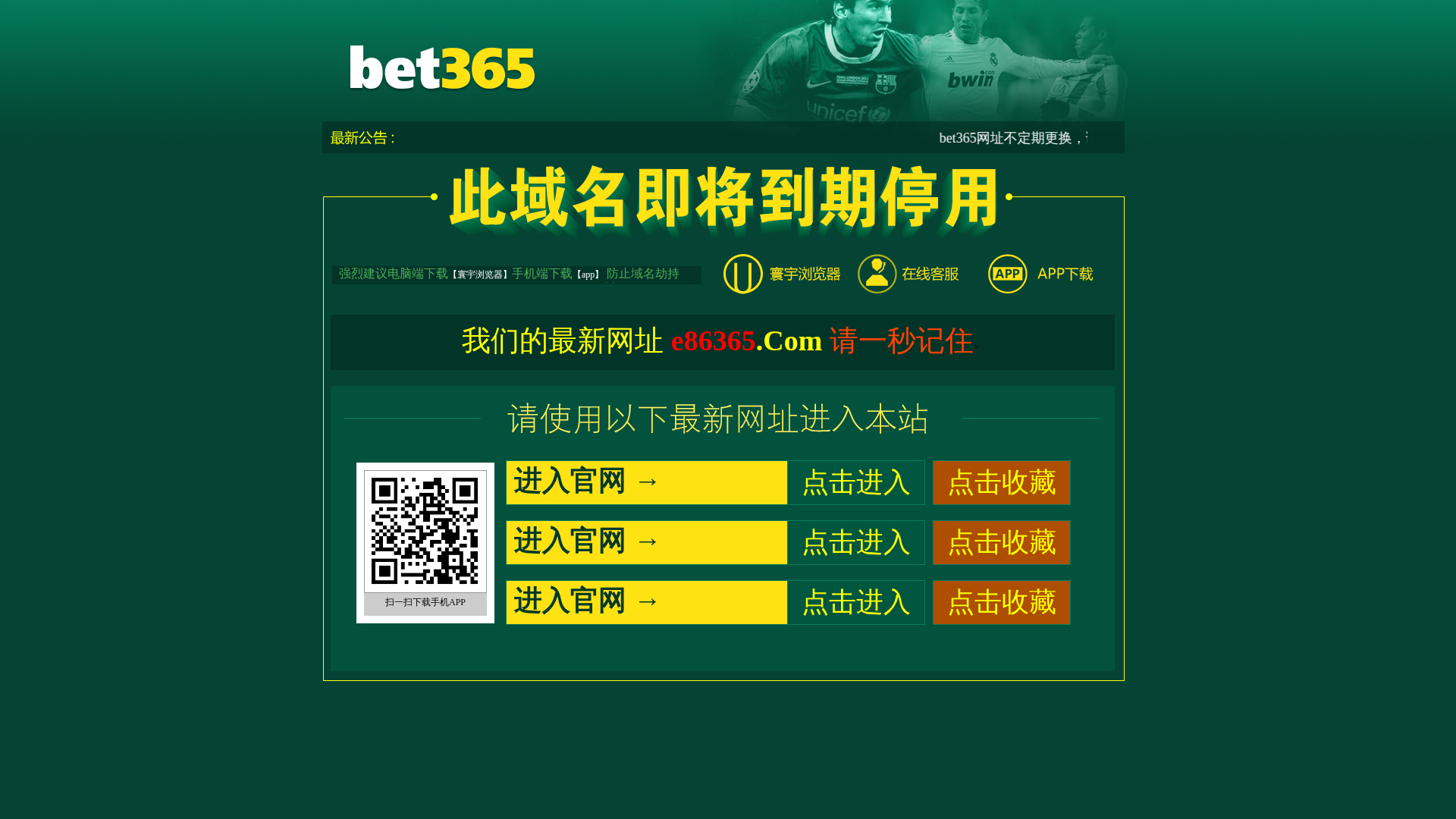
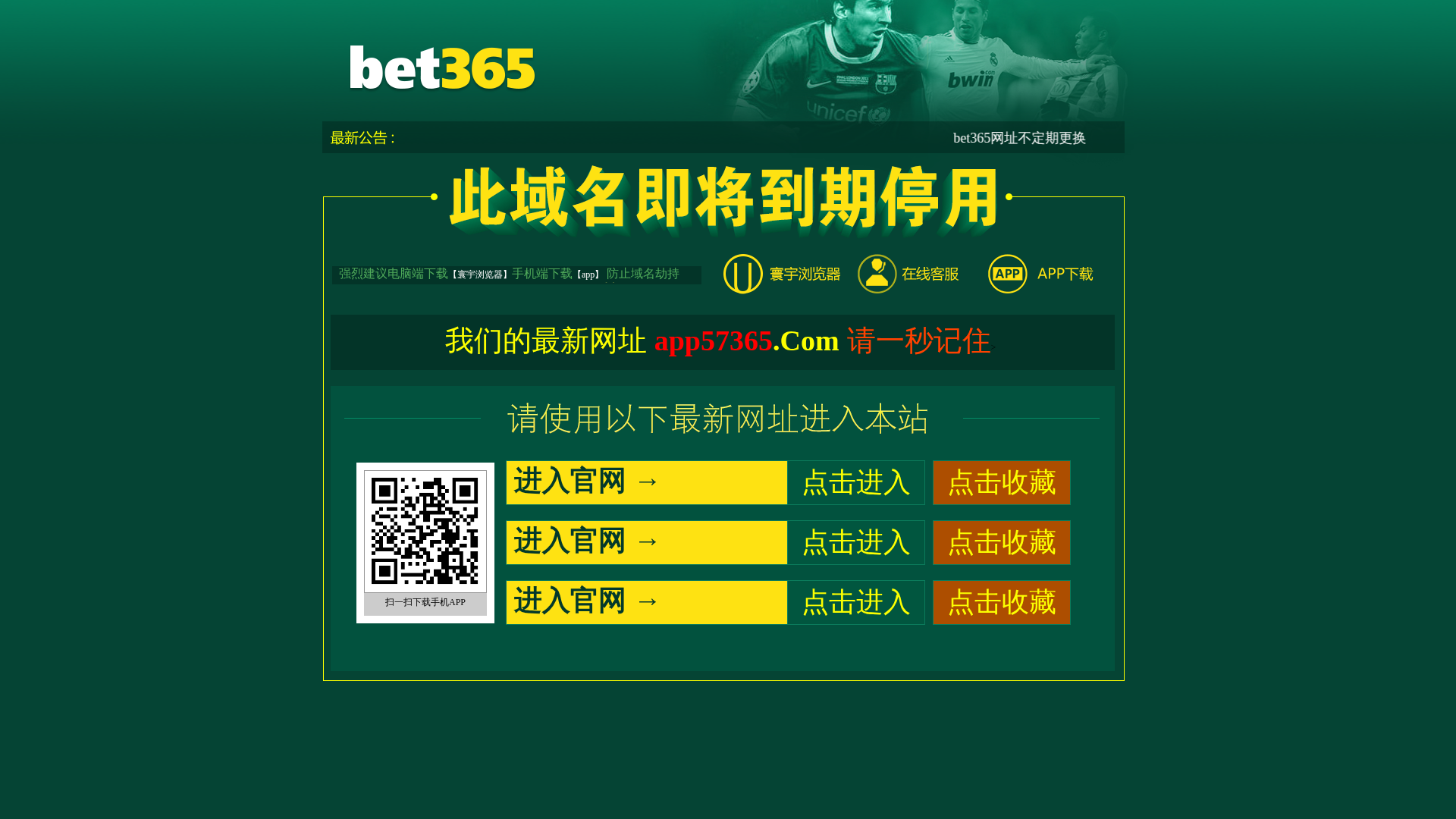
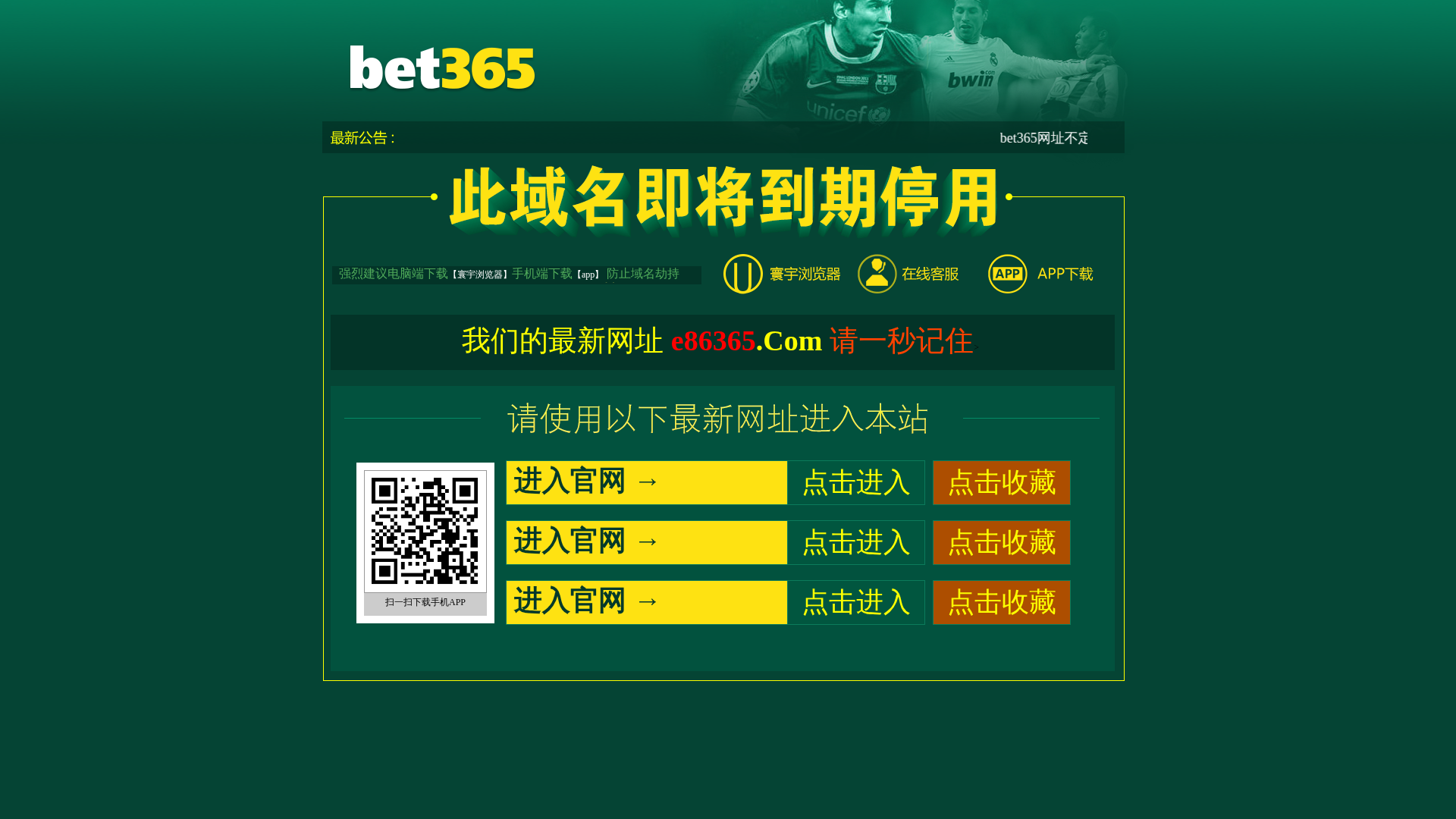
Similar Websites
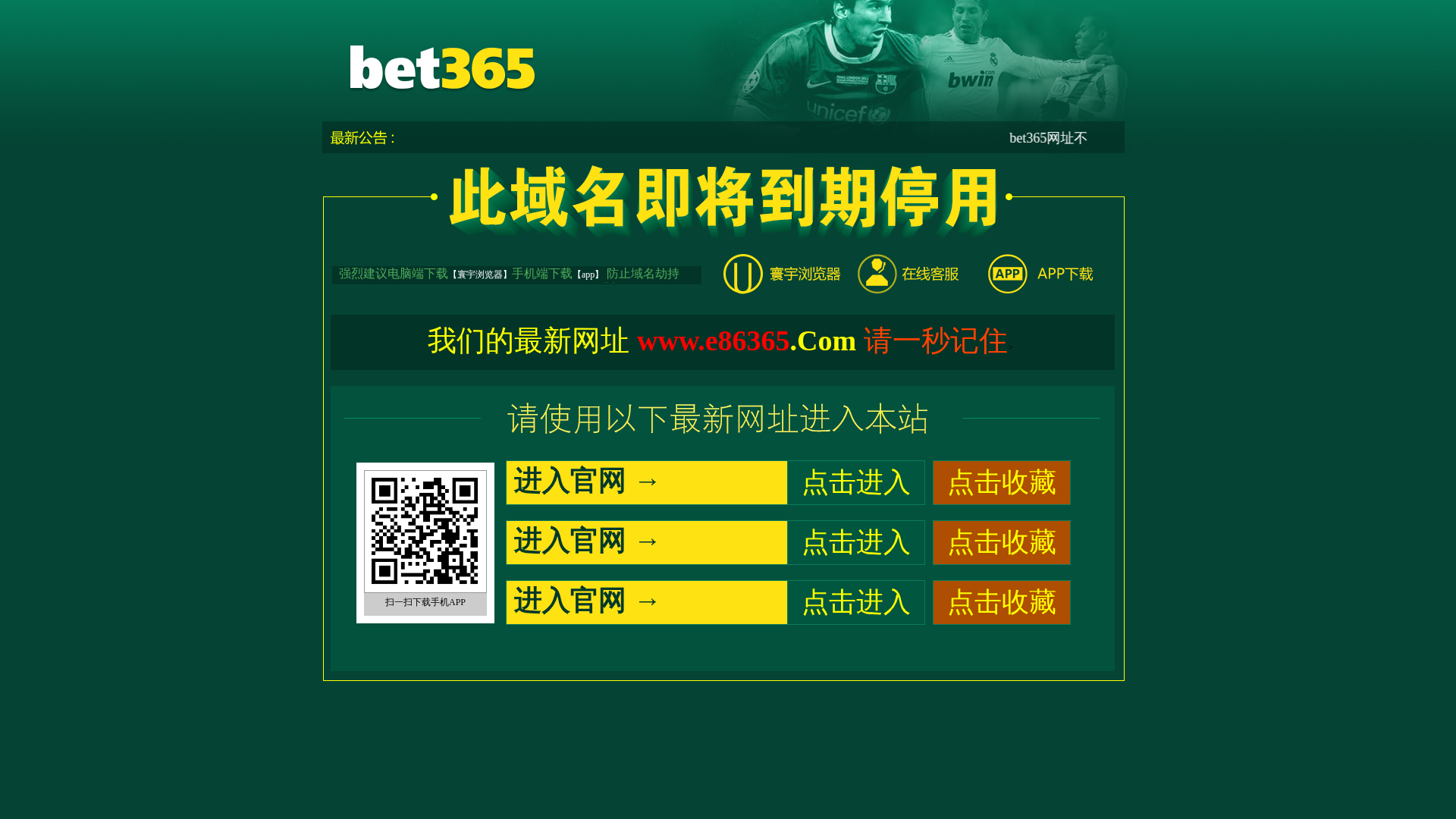
Pages with identical visual appearance (based on perceptual hash)

"Nunca pensé que me pasaría a mí"
Esto dicen las 2.3 millones de víctimas cada año. No esperes a ser una estadística.