
Phishing Analysis
Detailed analysis of captured phishing page
Captura Visual
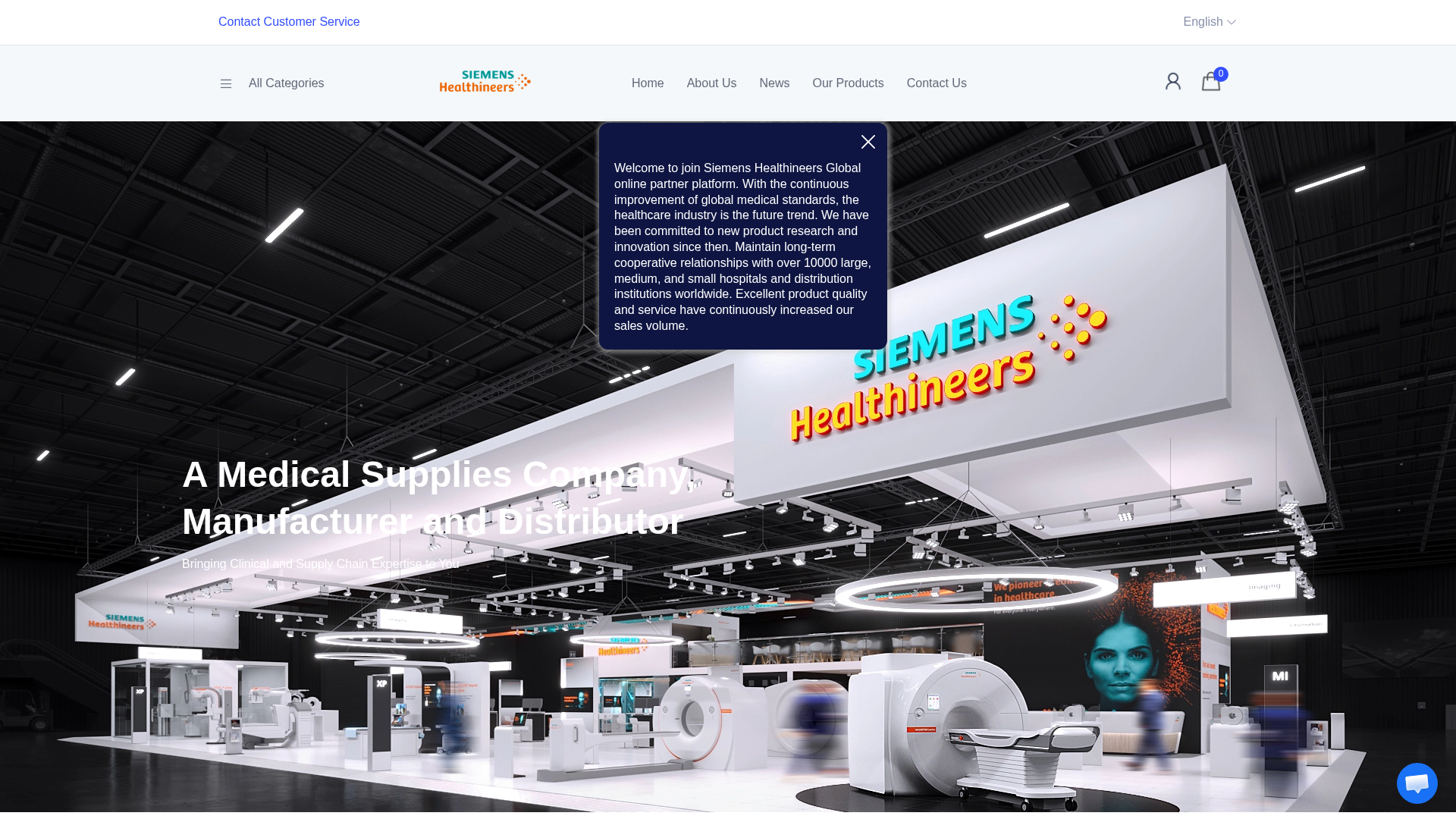
Información de Detección
https://siemeens.vip/
Detected Brand
Siemens Healthineers
Country
Unknown
Confianza
100%
HTTP Status
200
Report ID
6bdf73d7-a97…
Analyzed
2026-05-25 10:25
Hashes de Contenido (Similitud HTML)
Used to detect similar phishing pages based on HTML content
| Algorithm | Hash Value |
|---|---|
|
CONTENT
TLSH
|
T142E22614B205182F1173B6C1B421DAEF72D1F32B530348566AEC8AD9FAE7CB4F0696E5 |
|
CONTENT
ssdeep
|
192:jQ4oWnWAwDipkncM28pDAlANmCSxST8KXUz9tIG6xST8HiXwyXlt42ZLpgZC8ev7:jQ7WnE35b3K0a9tI30TXltvZLcAYweM |
Hashes Visuales (Similitud de Captura)
Used to detect visually similar phishing pages based on screenshots
| Algorithm | Hash Value |
|---|---|
|
VISUAL
pHash
|
94beeae38db0a684 |
|
VISUAL
aHash
|
ff00060e3e62587e |
|
VISUAL
dHash
|
29b6bc3cf4ceb8f6 |
|
VISUAL
wHash
|
ff00060e3e66787e |
|
VISUAL
colorHash
|
1e202008040 |
|
VISUAL
cropResistant
|
61618022152592b0,b6bc3cf4c49ab0f6,6ef80066fc6064e4,b8fec78b23268ce1,b6b4bc70c48ab8f6 |
Análisis de Código
Risk Score
97/100
Nivel de Amenaza
ALTO
⚠️ Phishing Confirmed
🎣 Credential Harvester
🎣 OTP Stealer
🎣 Banking
🎣 Personal Info
🔒 Obfuscation Detected
- atob
- fromCharCode
- unescape
- unicode_escape
- base64_strings
🎯 Kit Endpoints
- data:image/png;base64,iVBORw0KGgoAAAANSUhEUgAAAEAAAABACAYAAACqaXHeAAADP0lEQVR4AeybTXLbMAyFPb1Ne53uepZ21Z6lu16nuU74TSwN9EwTBC3KIuOMEP4BIN4DSDuJ8+Xyyb9eBHzyAri8KuBVAc9h4FvaFvmV2u9XSc3xz5FHYAH8N8H8eZWvqV0IYB5hjG5a6v8cRQCgAA1gD9WiS+vpPrx+BAFLmUeDhQAkahfS700A4HNZf0tRIn9S++8qjFN380AAPjaTew56EkDwCh6QgP6dQCD/U7sQwJi1NLV58IGvzeReg94E2DgBCkhA23nbZ+1HmkA3NesDAV0uxl4EEPAa/bWjoK7T2QZdqsUu5nza9aZ+DwLIlAYLoGiAasNRwHfUT1G/BwEEajcFCGLnavocB62CGruQTg8CQgE4ykqcVpZjfrusMz0I0DLtnkUFFRn3IECPAKUcicnqqq36trpN/R4ENAXyLKMIAZQ278o8USyevrce9cc9gahddhwhYPlhhjIsiW5U0q1Zi/oDPKJ22XEtAWQ/6+DEk1Ux1xJApk6MtT20WgJ0B16fec+eE9XN6UTmav0Rk9WtSlorAXajofszEaBvuHa9A9SZbjZsFcxUAU1JqCVALxR9i9q0+c5GGpPGnN2uloCs8Z1Jezxs/466O2192L5rWKNQQ4Cef88vL0cEitD39L11fOALoV/SR8euu7HXEGAd0tdNmLNCKfK7P4S+XWvp4wNfCP2QD0+5hoCqs+RtdNb1GgI09t2zoBs8MNbY3OS1EPBAfOcznY0AvZ92uQTViW5yvrQGIpqtAgLQP1RrCNCLRC+aD0/n+K6xaew3UdYQcGM004RHgJ7/EbDrHVXE4BGggNW5rg839ghwz9BwiCVgjwBRv+glo+tnGGuMxSRGCTgDwF1jmJEAvaceugTVWJ3vmo1nOJuuAqIkegToBaIXTHS/I/Q1RsWwicEjYKM846BEgJ7/kfDrXXUXS4kABaxOdX3IcYkAPTt6toYErEGXCFDdkcaaLE3miiVCAOdoFFkBep0IAbDIx2RGEP2IDInLclEi4K5R1tOgkyUCvD9DjQRZ74Q19hIBGEECL38jC/+DAI4VtO2UCEAPQ/4mN7KQSLBkxSMgazTT5IuAmbLZgmX4CmgBbW3eAQAA//9r3HU8AAAABklEQVQDAFuK1IE5J842AAAAAElFTkSuQmCC
📡 API Calls Detected
- GET
- PUT
📊 Desglose de Puntuación de Riesgo
Total Risk Score
100/100
Contributing Factors
Active Phishing Kit
Detected kit types: Credential Harvester, OTP Stealer, Banking, Personal Info
Code Obfuscation
JavaScript code obfuscated using 277 technique(s) to evade detection
🔬 Análisis Integral de Amenazas
Tipo de Amenaza
Banking Credential Harvester
Objetivo
Siemens Healthineers users
Método de Ataque
obfuscated JavaScript
Canal de Exfiltración
Form submission (backend endpoint not detected - likely JavaScript-based)
Evaluación de Riesgo
CRITICAL - Automated credential harvesting with Form submission (backend endpoint not detected - likely JavaScript-based)
⚠️ Indicators of Compromise
- Kit types: Credential Harvester, OTP Stealer, Banking, Personal Info
- 277 obfuscation techniques
🏢 Análisis de Suplantación de Marca
Impersonated Brand
Siemens Healthineers
Official Website
N/A
Fake Service
Banking/payment service
⚔️ Metodología de Ataque
Primary Method: Credential Harvesting
Victim enters username and password into fake login form. Credentials are captured via JavaScript and exfiltrated to attacker's server in real-time.
Secondary Method: JavaScript Obfuscation
Malicious code is obfuscated using 277 techniques to evade detection by security scanners and make reverse engineering more difficult.
🌐 Indicadores de Compromiso de Infraestructura
Domain Information
Dominio
siemeens.vip
Registered
2026-05-20 07:39:30+00:00
Registrar
22net, Inc.
Estado
Recently registered (5 days old)
Hosting Information
Provider
22net, Inc.
ASN
🤖 AI-Extracted Threat Intelligence

"Nunca pensé que me pasaría a mí"
Esto dicen las 2.3 millones de víctimas cada año. No esperes a ser una estadística.