
Phishing Analysis
Detailed analysis of captured phishing page
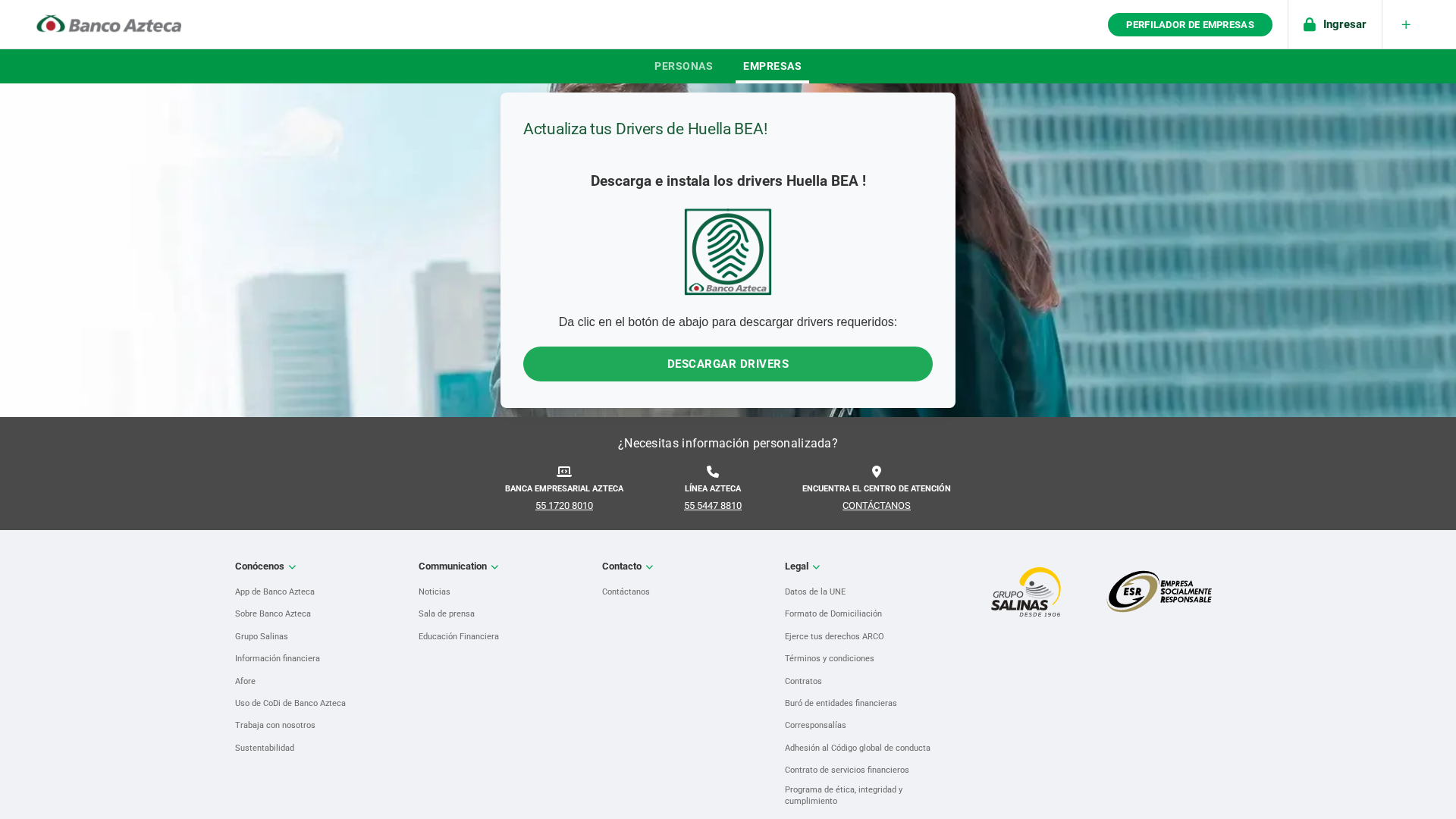
Captura Visual
Información de Detección
https://soporte-aztecaempresas.com/
Detected Brand
Banco Azteca
Country
Unknown
Confianza
95%
HTTP Status
200
Report ID
95db7fee-341…
Analyzed
2026-08-31 16:39
Hashes de Contenido (Similitud HTML)
Used to detect similar phishing pages based on HTML content
| Algorithm | Hash Value |
|---|---|
|
CONTENT
TLSH
|
T14F91F36278C4352747A6A3C86A55F36EE3D340A6DB6B0F0131F44B0F8EE6E45CC512AB |
|
CONTENT
ssdeep
|
48:ncC97McmcH9382NUqfXjVZY3DaOIaAeRDNX3mkN4BMqONpocGpCYBYrqreYNLx2V:nb91zNjk3WOzAudJBYjX7i |
Hashes Visuales (Similitud de Captura)
Used to detect visually similar phishing pages based on screenshots
| Algorithm | Hash Value |
|---|---|
|
VISUAL
pHash
|
c949923636ff8a16 |
|
VISUAL
aHash
|
f8f8f8e800ffffff |
|
VISUAL
dHash
|
91322212326b6764 |
|
VISUAL
wHash
|
00f8f8c00099ffff |
|
VISUAL
colorHash
|
06006000400 |
|
VISUAL
cropResistant
|
000189c9c9010001,160b191b0bbb2588,222ab294d4dcdcd0,3c3b236464646424,12322222221232e8,7862726262626a22,44454d4d555d7f7e,00202c2c25313d7d |
Análisis de Código
Risk Score
50/100
Nivel de Amenaza
ALTO
⚠️ Phishing Confirmed
🎣 Credential Harvester
🔐 Credential Harvesting Forms
📤 Form Action Targets
- host7.0.2.0.exe
📊 Desglose de Puntuación de Riesgo
Total Risk Score
70/100
Contributing Factors
Active Phishing Kit
Detected kit types: Credential Harvester
Credential Harvesting
Credential harvesting detected with 1 form(s) capturing sensitive data
🔬 Análisis Integral de Amenazas
Tipo de Amenaza
Credential Harvesting Kit
Objetivo
Banco Azteca users
Método de Ataque
credential harvesting forms
Canal de Exfiltración
HTTP POST to backend
Evaluación de Riesgo
MEDIUM - Automated credential harvesting with HTTP POST to backend
⚠️ Indicators of Compromise
- Kit types: Credential Harvester
🏢 Análisis de Suplantación de Marca
Impersonated Brand
Banco Azteca
Official Website
N/A
Fake Service
Credential harvesting service
⚔️ Metodología de Ataque
Primary Method: Credential Harvesting
Victim enters username and password into fake login form. Credentials are captured via JavaScript and exfiltrated to attacker's server in real-time.
Secondary Method: Client-Side Form Interception
JavaScript intercepts form submissions before they reach the fake backend. This allows real-time credential harvesting and validation without server round-trips.
🌐 Indicadores de Compromiso de Infraestructura
Domain Information
Dominio
soporte-aztecaempresas.com
Registered
2026-06-01 19:22:45+00:00
Registrar
Dynadot Inc
Estado
Active (90 days old)
Hosting Information
Provider
Dynadot Inc
ASN
🤖 AI-Extracted Threat Intelligence

"Nunca pensé que me pasaría a mí"
Esto dicen las 2.3 millones de víctimas cada año. No esperes a ser una estadística.