
Phishing Analysis
Detailed analysis of captured phishing page
Captura Visual
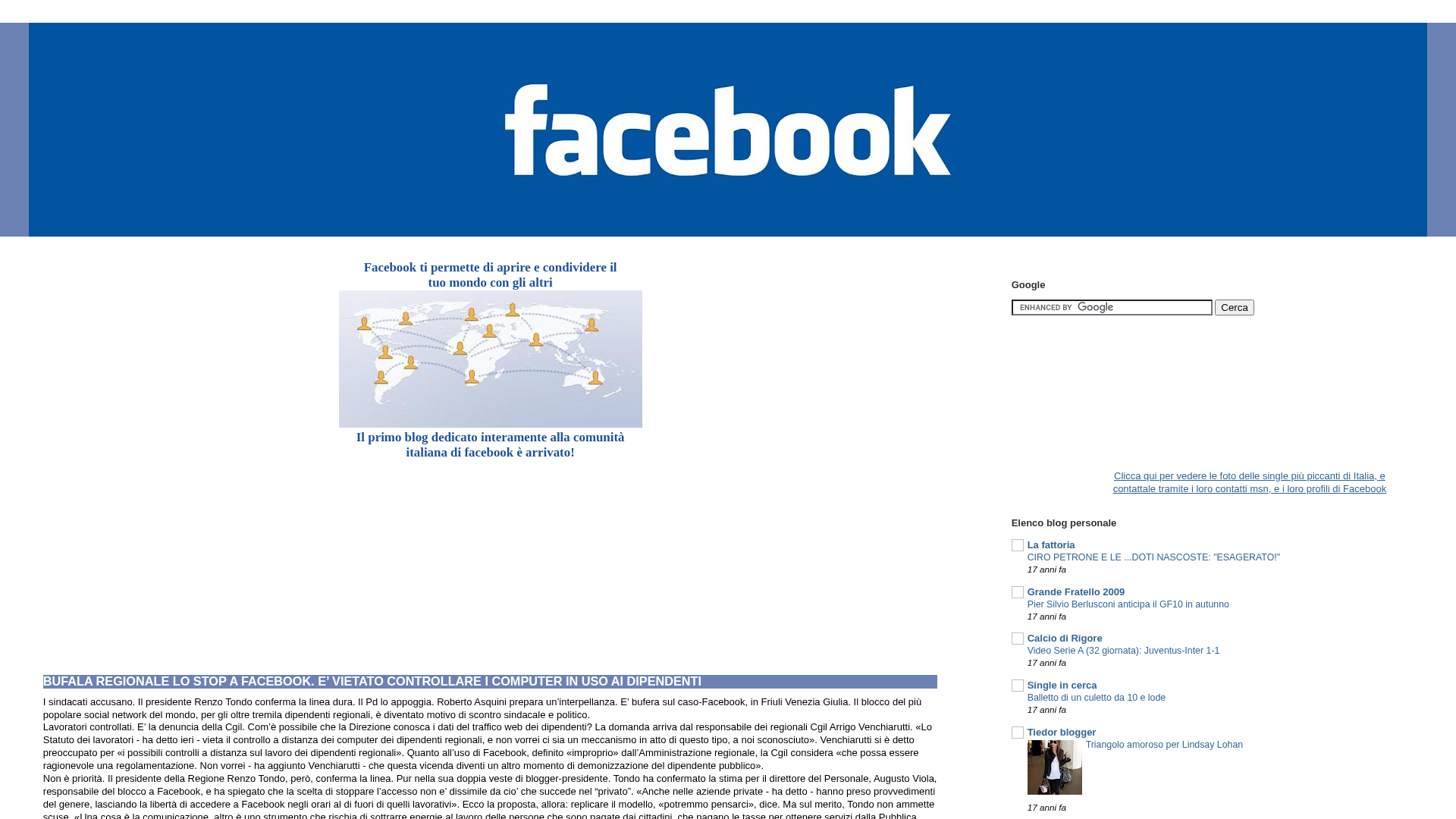
Información de Detección
http://www.face-book-login.blogspot.com/
Detected Brand
Facebook
Country
Unknown
Confianza
100%
HTTP Status
200
Report ID
aff538e4-c4d…
Analyzed
2026-07-10 22:11
Final URL (after redirects)
http://face-book-login.blogspot.com/
Hashes de Contenido (Similitud HTML)
Used to detect similar phishing pages based on HTML content
| Algorithm | Hash Value |
|---|---|
|
CONTENT
TLSH
|
T1E7135531D146B827557285ACBB60BB797793C3AA43010FB7E7A0661FF989E70E60438D |
|
CONTENT
ssdeep
|
384:HpBFL12ZubjUZVytk05dmVPF7u7FMnKGic3L/6qGTOBSUohOj9dPFb4aaAGMp1:JBFL1nbjUZJOATi7KBm56BSQ9dNbL1 |
Hashes Visuales (Similitud de Captura)
Used to detect visually similar phishing pages based on screenshots
| Algorithm | Hash Value |
|---|---|
|
VISUAL
pHash
|
995a0fc6b1b0e3a6 |
|
VISUAL
aHash
|
000081ffffffffff |
|
VISUAL
dHash
|
6171131019032f7b |
|
VISUAL
wHash
|
000000dffffff703 |
|
VISUAL
colorHash
|
070000001c0 |
|
VISUAL
cropResistant
|
6171131019032f7b,3313331ab7ab9ab2,4131697171314571 |
Análisis de Código
Risk Score
100/100
Nivel de Amenaza
ALTO
⚠️ Phishing Confirmed
🎣 Credential Harvester
🎣 OTP Stealer
🎣 Banking
🎣 Personal Info
🔐 Credential Harvesting Forms
🔒 Obfuscation Detected
- atob
- eval
- fromCharCode
- unescape
- document.write
- hex_escape
- unicode_escape
- base64_strings
🎯 Kit Endpoints
- http://face-book-login.blogspot.com/search/label/Mercato
- https://www.blogger.com/profile/13106093123061603454
- http://face-book-login.blogspot.com/search/label/hackerare
- http://face-book-login.blogspot.com/search/label/nuda
- http://grande-fratello-2009.blogspot.com/
- http://face-book-login.blogspot.com/search/label/Pagamento
- http://face-book-login.blogspot.com/search/label/Ragazza
- http://face-book-login.blogspot.com/search/label/virus
- http://face-book-login.blogspot.com/search/label/skype%20iphone
- http://face-book-login.blogspot.com/search/label/miss
- http://face-book-login.blogspot.com/search/label/Libri
- http://face-book-login.blogspot.com/search/label/Simona%20Sparaco
- http://face-book-login.blogspot.com/search/label/Facciale
- http://face-book-login.blogspot.com/2009/05/
- http://face-book-login.blogspot.com/search/label/Studenti
- http://face-book-login.blogspot.com/search/label/tette
- http://grande-fratello-2009.blogspot.com/2009/05/pier-silvio-berlusconi-anticipa-il-gf10.html
- https://www.blogger.com/feeds/3155645424959033471/posts/default
- http://face-book-login.blogspot.com/search/label/Europa
- http://face-book-login.blogspot.com/search/label/Password
- http://face-book-login.blogspot.com/search/label/Governo
- http://face-book-login.blogspot.com/search/label/Garante
- http://face-book-login.blogspot.com/search/label/Page
- http://face-book-login.blogspot.com/search/label/Codice
- http://face-book-login.blogspot.com/search/label/Nuovo%20look
- http://face-book-login.blogspot.com/2009/05/bufala-regionale-lo-stop-facebook-e.html
- http://calcio-di-rigore.blogspot.com/2009/04/video-serie-32-giornata-juventus-inter.html
- http://face-book-login.blogspot.com/search/label/Ufficio
- http://face-book-login.blogspot.com/search/label/Abruzzo
- http://face-book-login.blogspot.com/search/label/Bug
- http://face-book-login.blogspot.com/
- http://face-book-login.blogspot.com/search/label/Nudo
- http://face-book-login.blogspot.com/2009/04/
- http://face-book-login.blogspot.com/search/label/Traguardo
- http://face-book-login.blogspot.com/search/label/Playboy
- http://lafattoriaitalia.blogspot.com/
- https://www.blogger.com/navbar/3155645424959033471?origin=http://face-book-login.blogspot.com&usegapi=1&jsh=m%3B%2F_%2Fscs%2Fabc-static%2F_%2Fjs%2Fk%3Dgapi.lb.en.9vdPKhB0RUg.O%2Fd%3D1%2Frs%3DAHpOoo97anj7zZ432JcN58tqJJp_A6WeOw%2Fm%3D__features__#id=navbar-iframe&_gfid=navbar-iframe&parent=http%3A%2F%2Fface-book-login.blogspot.com&pfname=&rpctoken=14058864
- http://face-book-login.blogspot.com/search/label/Popolare
- http://face-book-login.blogspot.com/search/label/Foto
- http://face-book-login.blogspot.com/search/label/Twitter
- http://face-book-login.blogspot.com/search/label/Porno
- http://face-book-login.blogspot.com/search/label/Arresto
- http://face-book-login.blogspot.com/search/label/Wendy
- http://face-book-login.blogspot.com/search/label/Randagismo
- http://face-book-login.blogspot.com/search/label/Polizia
- http://face-book-login.blogspot.com/search/label/Vaticano
- http://face-book-login.blogspot.com/search/label/Stress
- http://face-book-login.blogspot.com/2009/03/
- http://face-book-login.blogspot.com/search/label/Distrutta
- http://face-book-login.blogspot.com/search/label/Morti
- http://face-book-login.blogspot.com/search/label/Pet%20Society
- https://www.blogger.com/post-edit.g?blogID=3155645424959033471&postID=3234929190514346931&from=pencil
- /search/label/Login
- http://face-book-login.blogspot.com/search/label/Federico%20Macheda
- http://face-book-login.blogspot.com/search/label/VoIp
- http://face-book-login.blogspot.com/search/label/AIDS
- http://face-book-login.blogspot.com/search/label/Mamma
- http://face-book-login.blogspot.com/search/label/Dipendenza
- http://face-book-login.blogspot.com/search/label/hackerare%20password
- http://face-book-login.blogspot.com/search/label/Button
- http://face-book-login.blogspot.com/search/label/iPhone
- http://face-book-login.blogspot.com/search/label/Usa
- http://face-book-login.blogspot.com/search/label/Torrent
- http://face-book-login.blogspot.com/search/label/Tragedia
- http://lafattoriaitalia.blogspot.com/2009/05/ciro-petrone-e-le-doti-nascoste.html
- http://face-book-login.blogspot.com/search/label/Tagliarol
- http://face-book-login.blogspot.com/search/label/Demi%20Moore
- http://singleincerca.blogspot.com/
- http://face-book-login.blogspot.com/search/label/Social%20Network
- http://face-book-login.blogspot.com/search/label/Spiaggia
- http://face-book-login.blogspot.com/search?updated-max=2009-05-11T11:52:00%2B02:00
- http://face-book-login.blogspot.com/search/label/Gay
- http://www.totalping.com/pin.totalping?idioma=EN&skin=5&bookmark=d2cbb6e7&name=Facebook+Italia&url=http://face-book-login.blogspot.com/&rss=http://face-book-login.blogspot.com/feeds/posts/default&ping=1&ser1=1-2-3-4-5-9-11-12-16-17-18-21-22-23-24-25-26-27-28-29-30-31-&ser2=1-4-5-8-9-10-11-14-15-16-17-18-19-20-21-22-23-24-26-27-28-29-30-31-32-33-34-&tipo=3&pagina=1
- http://face-book-login.blogspot.com/search/label/Online
- https://lh3.googleusercontent.com/blogger_img_proxy/AEn0k_u1tSojxR1aehvfrPIYTOwu68cNW-Qi3WRqItajyWEQPtMSsuobcoKeYryMnW6er45VnXLAiOvKOenITIqWBTqOPGYrsqPAuifiU7T577Ca=s16-w16-h16
- http://face-book-login.blogspot.com/search/label/Anziani
- http://face-book-login.blogspot.com/search/label/Seesmic
- http://face-book-login.blogspot.com/search/label/Casa
- http://face-book-login.blogspot.com/search/label/Home
- http://face-book-login.blogspot.com/search/label/Droga
- http://face-book-login.blogspot.com/feeds/posts/default?alt=rss
- http://face-book-login.blogspot.com/search/label/200%20milioni
- http://face-book-login.blogspot.com/search/label/Lavoro
- http://face-book-login.blogspot.com/search/label/Jessica%20Celeste%20Michibata
- https://www.blogger.com/dyn-css/authorization.css?targetBlogID=3155645424959033471&zx=70e00da5-6d26-4094-96b1-c73720cdd02c
- http://face-book-login.blogspot.com/search/label/Amici
- http://face-book-login.blogspot.com/search/label/Ballerine
- http://face-book-login.blogspot.com/search/label/Sexy
- http://face-book-login.blogspot.com/search/label/Diritti
- http://face-book-login.blogspot.com/search/label/TV
- http://face-book-login.blogspot.com/search/label/Miss%20Facebook
- http://face-book-login.blogspot.com/search/label/facebool
- http://face-book-login.blogspot.com/search/label/Reality%20Show
- http://face-book-login.blogspot.com/search/label/Vittime
- http://tiedor.blogspot.com/2009/03/triangolo-amoroso-per-lindsay-lohan.html
- http://face-book-login.blogspot.com/search/label/Internet
- http://face-book-login.blogspot.com/search/label/Pets
- http://face-book-login.blogspot.com/search/label/Canicatt%C3%AC
- http://face-book-login.blogspot.com/search/label/Utenti
- http://face-book-login.blogspot.com/search/label/Ex
- http://face-book-login.blogspot.com/search/label/Sospensione
- http://face-book-login.blogspot.com/search/label/Scuola
- http://face-book-login.blogspot.com/search/label/Salvataggio
- http://face-book-login.blogspot.com/search/label/Inghilterra
- http://face-book-login.blogspot.com/search/label/Cani
- http://face-book-login.blogspot.com/search/label/Sexting
- http://face-book-login.blogspot.com/search/label/TRS
- http://face-book-login.blogspot.com/search/label/Picchiatore
- http://face-book-login.blogspot.com/search/label/Nascar
- http://face-book-login.blogspot.com/search/label/Italia
- http://face-book-login.blogspot.com/search/label/Berlusconi
- http://face-book-login.blogspot.com/search/label/Moneta%20Virtuale
- http://face-book-login.blogspot.com/search/label/Adobe
- http://calcio-di-rigore.blogspot.com/
- http://face-book-login.blogspot.com/search/label/Licenziata
- http://face-book-login.blogspot.com/feeds/posts/default
- http://face-book-login.blogspot.com/search/label/Login
- http://face-book-login.blogspot.com/search/label/Trovare%20Ex
- http://face-book-login.blogspot.com/search/label/Riconoscimento
- http://face-book-login.blogspot.com/search/label/Preservativi
- http://face-book-login.blogspot.com/search/label/Ps3
- https://lh3.googleusercontent.com/blogger_img_proxy/AEn0k_vAXvlMKx1yLpK93-g-E1WtMkG_FnShZR9D3JrY66ysdBSx2K_OOcA5hrJ7QRraD0_bwLRp8ZI8VhrZT3c7l9k_gBafuNWMdL5r6GBF8klPfN3hUA=s16-w16-h16
- http://singleincerca.blogspot.com/2009/04/balletto-di-un-culetto-da-10-e-lode.html
- http://face-book-login.blogspot.com/search/label/Laurea
- http://face-book-login.blogspot.com/search/label/hack%20password
- http://face-book-login.blogspot.com/search/label/look
- http://face-book-login.blogspot.com/search/label/Privacy
- http://face-book-login.blogspot.com/search/label/Misteriosa
- http://face-book-login.blogspot.com/search/label/Indietro
- http://www.trombiblog.com/tshizz/13879
- http://face-book-login.blogspot.com/search/label/Sardegna
- http://face-book-login.blogspot.com/search/label/Spionaggio
- http://face-book-login.blogspot.com/search/label/Sicurezza
- http://face-book-login.blogspot.com/search/label/Papa
- http://face-book-login.blogspot.com/search/label/Lovebook
- https://lh3.googleusercontent.com/blogger_img_proxy/AEn0k_v_bx4_p2-6EkrcASmbpqXHChb1vk3xbCaVDOk3NnLccQab7brz-KJt-1SOuey-uQrQW2NAGNQV5QxFiTX63TeBMdvwD-qJrR9Zqm3XsDTJ1YEExg=s16-w16-h16
- https://lh3.googleusercontent.com/blogger_img_proxy/AEn0k_sFTXaRXW0dTBRXlrBwx59gXrqbMiCtiVtFKS4y2ZZ0zKX0gt-zrCJjLH_DFGYSb7RvAEZ2GKPReEaCbmfLYv6gzggOCXPiHixsI6Y-U0--EDIcAcv5Wsk=s16-w16-h16
- http://face-book-login.blogspot.com/search/label/Terremoto
- http://face-book-login.blogspot.com/search/label/Facebook
- http://face-book-login.blogspot.com/search/label/Account
- http://face-book-login.blogspot.com/search/label/Criminali
- http://face-book-login.blogspot.com/search/label/skype
- http://face-book-login.blogspot.com/search/label/Over
- http://face-book-login.blogspot.com/search/label/Galera
- http://face-book-login.blogspot.com/search/label/Video
- http://tiedor.blogspot.com/
- https://lh3.googleusercontent.com/blogger_img_proxy/AEn0k_veFPA4lbqw6ggJy300eB4SCPWCOQ7b1I4J8y0J-6u19Wtv6Dq9H2U2Wc09pIc5kemcrJCic42IN3if3CxHX_QtTpBQsRELvqAr=s16-w16-h16
- http://face-book-login.blogspot.com/search/label/hack
- http://face-book-login.blogspot.com/search/label/Legge
- http://face-book-login.blogspot.com/search/label/Censura
- http://face-book-login.blogspot.com/search/label/Sindacati
- http://face-book-login.blogspot.com/search/label/Sfollati
- http://face-book-login.blogspot.com/search/label/Luisa%20Livatino
- http://face-book-login.blogspot.com/search/label/Truffa%20on-line
- http://face-book-login.blogspot.com/search/label/Lasciarsi
- http://face-book-login.blogspot.com/search/label/Biona
- http://face-book-login.blogspot.com/search/label/Stupratore
- http://face-book-login.blogspot.com/search/label/Professore
- http://face-book-login.blogspot.com/search/label/Eliminare
- http://face-book-login.blogspot.com/search/label/Fan%20Clubs
- http://face-book-login.blogspot.com/search/label/Help
📡 API Calls Detected
- GET
- POST
- post
📤 Form Action Targets
- http://www.google.com/cse
📊 Desglose de Puntuación de Riesgo
Total Risk Score
100/100
Contributing Factors
Active Phishing Kit
Detected kit types: Credential Harvester, OTP Stealer, Banking, Personal Info
Credential Harvesting
Credential harvesting detected with 1 form(s) capturing sensitive data
Code Obfuscation
JavaScript code obfuscated using 85 technique(s) to evade detection
🔬 Análisis Integral de Amenazas
Tipo de Amenaza
Banking Credential Harvester
Objetivo
Facebook users
Método de Ataque
credential harvesting forms + obfuscated JavaScript
Canal de Exfiltración
HTTP POST to backend
Evaluación de Riesgo
CRITICAL - Automated credential harvesting with HTTP POST to backend
⚠️ Indicators of Compromise
- Kit types: Credential Harvester, OTP Stealer, Banking, Personal Info
- 85 obfuscation techniques
🏢 Análisis de Suplantación de Marca
Impersonated Brand
Facebook
Official Website
https://www.facebook.com
Fake Service
Account login portal
⚔️ Metodología de Ataque
Primary Method: Credential Harvesting
Victim enters username and password into fake login form. Credentials are captured via JavaScript and exfiltrated to attacker's server in real-time.
Secondary Method: JavaScript Obfuscation
Malicious code is obfuscated using 85 techniques to evade detection by security scanners and make reverse engineering more difficult.
🌐 Indicadores de Compromiso de Infraestructura
Domain Information
Dominio
www.face-book-login.blogspot.com
Registered
Unknown
Registrar
None
Estado
Age unknown
Hosting Information
Provider
Unknown
ASN
🤖 AI-Extracted Threat Intelligence

"Nunca pensé que me pasaría a mí"
Esto dicen las 2.3 millones de víctimas cada año. No esperes a ser una estadística.