
Phishing Analysis
Detailed analysis of captured phishing page
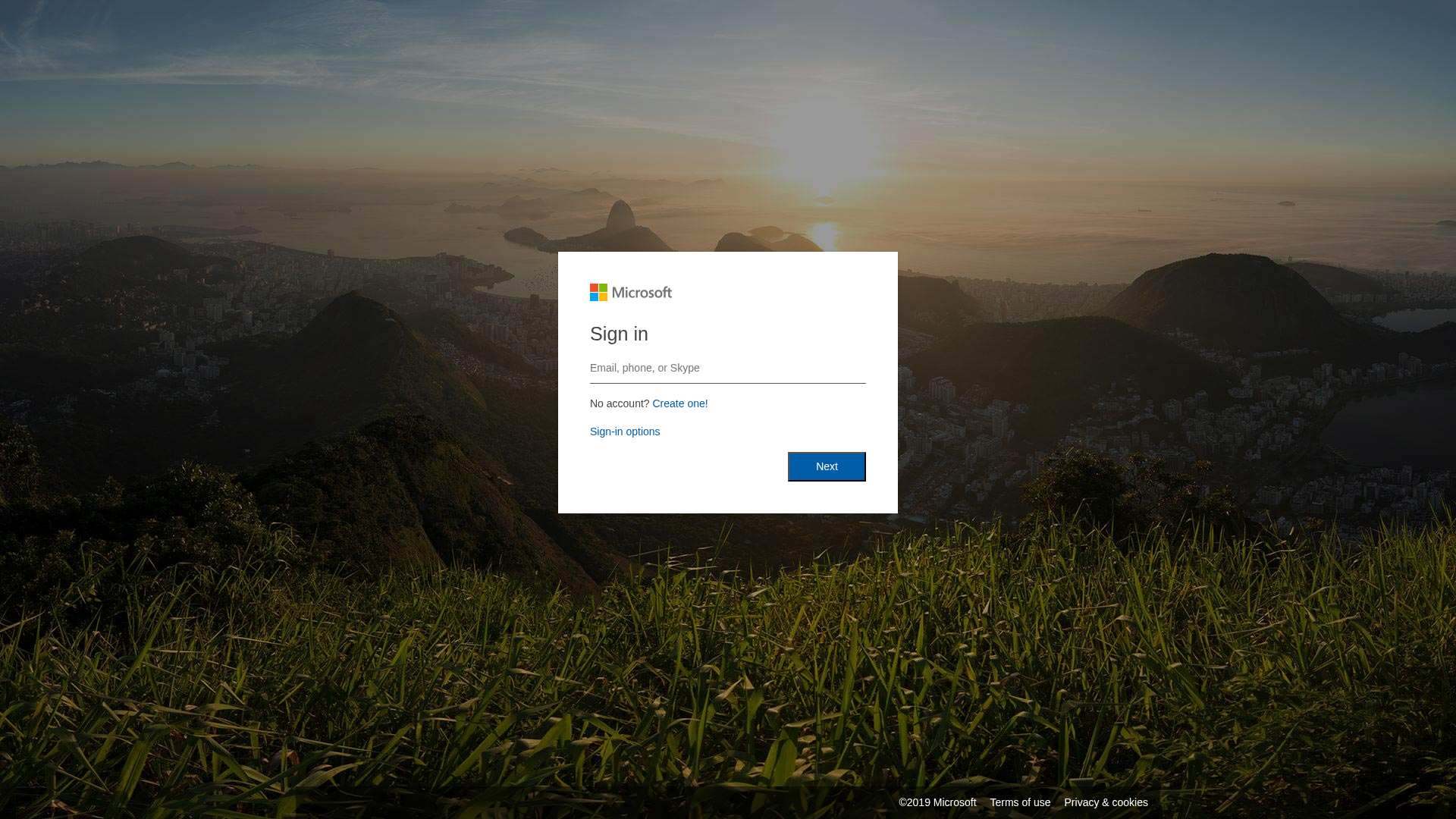
Captura Visual
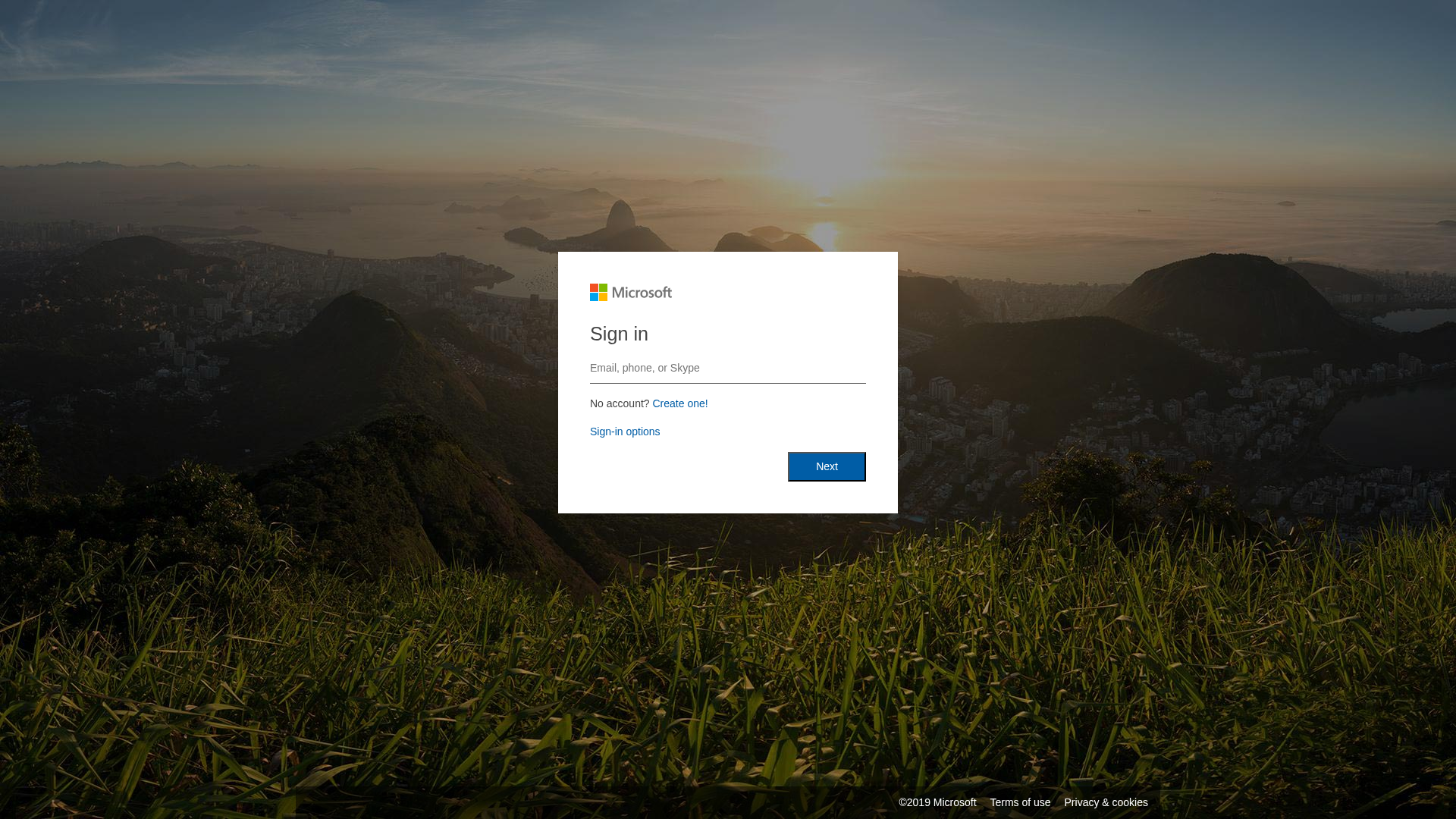
Información de Detección
https://www.it-communications.com/?urid=QekUmAG1SKGCkVrFPcR7Eqgokar-cNrSxukpyx-1K3LBQkmgea2AJpYeUbJVQRzZ6UgCDUzOFSYPiiEdcf4E3w8tmvDhQzuQeFOk8WuvCxvTf62ExBUM23yoiDyZ7k5GBXjdhl019NTEWM&rg=CUS
Detected Brand
Microsoft
Country
International
Confianza
95%
HTTP Status
200
Report ID
b115c95b-d89…
Analyzed
2026-02-07 23:11
Hashes de Contenido (Similitud HTML)
Used to detect similar phishing pages based on HTML content
| Algorithm | Hash Value |
|---|---|
|
CONTENT
TLSH
|
T15DC15060E424DD338353D6E1BBA49B0A72D8C347CA46450866F8536E6FE3DD5CE261A1 |
|
CONTENT
ssdeep
|
96:11RrAPn8G36sgCD6sTUxSNgEj6sTzX1p6sIGUJvySOzrG4vSAKyFSAb3+3pxRHUR:al9D+cVPpYgDS3RHAN3/ |
Hashes Visuales (Similitud de Captura)
Used to detect visually similar phishing pages based on screenshots
| Algorithm | Hash Value |
|---|---|
|
VISUAL
pHash
|
989973674c5932dc |
|
VISUAL
aHash
|
ffff3e1818000000 |
|
VISUAL
dHash
|
f0f8f0b2b2f1dab0 |
|
VISUAL
wHash
|
ffffff1c180c0800 |
|
VISUAL
colorHash
|
1bc00010000 |
|
VISUAL
cropResistant
|
e0e0f0f0c0e0c0c1,f0f8f0b2b2f1dab0 |
Análisis de Código
Risk Score
56/100
Nivel de Amenaza
ALTO
⚠️ Phishing Confirmed
🎣 Credential Harvester
🔬 Threat Analysis Report
• Amenaza: Phishing de credenciales
• Objetivo: Usuarios de Microsoft
• Método: Suplantación a través de una página de inicio de sesión falsa.
• Exfil: Desconocido, pero se detectaron formularios (probablemente recolectando credenciales).
• Indicadores: Coincidencia de dominio, formulario que solicita información sensible.
• Riesgo: Alto
🔒 Obfuscation Detected
- fromCharCode
- base64_strings
🎯 Kit Endpoints
- https://breeze.aimon.applicationinsights.io/v2/track
- https://www.it-communications.com/js/site2.js
- https://az416426.vo.msecnd.net/scripts/a/ai.0.js
- https://dc-int.services.visualstudio.com/v2/track
- https://dc.services.visualstudio.com/v2/track
- https://www.it-communications.com/js/reporter_v8.js?ver=1.10.0
📡 API Calls Detected
- POST
📊 Desglose de Puntuación de Riesgo
Total Risk Score
90/100
Contributing Factors
Domain Mismatch
The domain it-communications.com is completely unrelated to Microsoft.
Credential Harvesting
Form is designed to collect user credentials.
Obfuscation
Obfuscation detected in the code, likely to hide malicious intent or techniques.
🔬 Análisis Integral de Amenazas
Tipo de Amenaza
Credential Harvesting Kit
Objetivo
Microsoft users (International)
Método de Ataque
Brand impersonation + credential harvesting forms + obfuscated JavaScript
Canal de Exfiltración
Form submission (backend endpoint not detected - likely JavaScript-based)
Evaluación de Riesgo
MEDIUM - Automated credential harvesting with Form submission (backend endpoint not detected - likely JavaScript-based)
⚠️ Indicators of Compromise
- Kit types: Credential Harvester
- 9 obfuscation techniques
🏢 Análisis de Suplantación de Marca
Impersonated Brand
Microsoft
Official Website
https://www.microsoft.com
Fake Service
Microsoft account login
⚔️ Metodología de Ataque
Primary Method: Credential Harvesting
The attacker attempts to steal user credentials by mimicking a legitimate login page. Users are prompted to enter their Microsoft account information on the fake page, which is then captured by the attacker.
Secondary Method: Obfuscation
The JavaScript code is obfuscated to make it difficult to analyze and detect malicious activity.
🌐 Indicadores de Compromiso de Infraestructura
🦠 Malicious Files
Main File
reporter_v8.js
File Size
📊 Diagrama de Flujo de Ataque
1. Step 1: Victim visits URL with 'urid' parameter (victim identifier)
2. Step 2: Script initializes and extracts URL parameters (urid, rid, cid, uid)
3. Step 3: Script tracks all user interactions (keystrokes, clicks, form submissions) via event listeners
4. Step 4: For each interaction, sendData() exfiltrates data to C2 via 'getresponse.getmainpoint' with custom headers
5. Step 5: getMessageData() fetches dynamic phishing content based on interaction type (e.g., type 5 for form submissions)
6. Step 6: crajsonpcallback() injects fetched content into DOM (#omContent)
7. Step 7: If AJAX fails, addTrackerImage() sends data via 1x1 pixel image
8. Step 8: On successful exfiltration, server may respond with redirect URL (window.location.replace)
9. Step 9: Conditional alerts/modals shown based on server responses (e.g., fake training links, company names)
🔬 JavaScript Deep Analysis
Operator Language
English (1%)
Total Code Size
113,6 KB
🔗 API Endpoints Detected
Other
3
🔐 Obfuscation Detected
- : None
- : None
- : Moderate
🤖 AI-Extracted Threat Intelligence
📊 Attack Flow
1. Step 1: Victim visits URL with 'urid' parameter (victim identifier)
2. Step 2: Script initializes and extracts URL parameters (urid, rid, cid, uid)
3. Step 3: Script tracks all user interactions (keystrokes, clicks, form submissions) via event listeners
4. Step 4: For each interaction, sendData() exfiltrates data to C2 via 'getresponse.getmainpoint' with custom headers
5. Step 5: getMessageData() fetches dynamic phishing content based on interaction type (e.g., type 5 for form submissions)
6. Step 6: crajsonpcallback() injects fetched content into DOM (#omContent)
7. Step 7: If AJAX fails, addTrackerImage() sends data via 1x1 pixel image
8. Step 8: On successful exfiltration, server may respond with redirect URL (window.location.replace)
9. Step 9: Conditional alerts/modals shown based on server responses (e.g., fake training links, company names)
🎯 Malicious Files Identified
Main Drainer
reporter_v8.jsFile Size
~20KB (based on provided code)
Malicious Functions
sendData()postData()getMessageData()crajsonpcallback()reshapeCode()unMinifyUrl()addTrackerImage()
Similar Websites
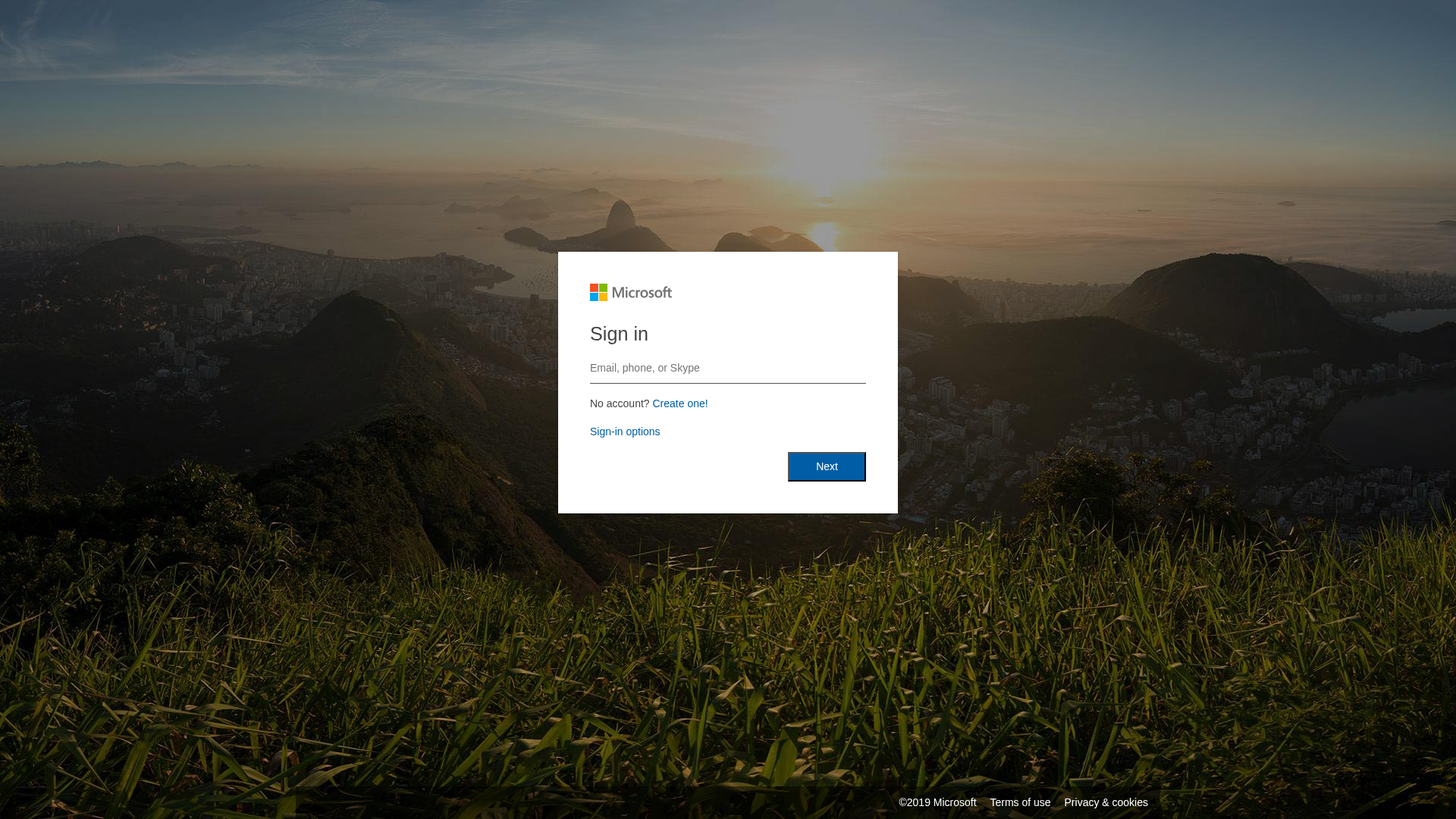
Pages with identical visual appearance (based on perceptual hash)
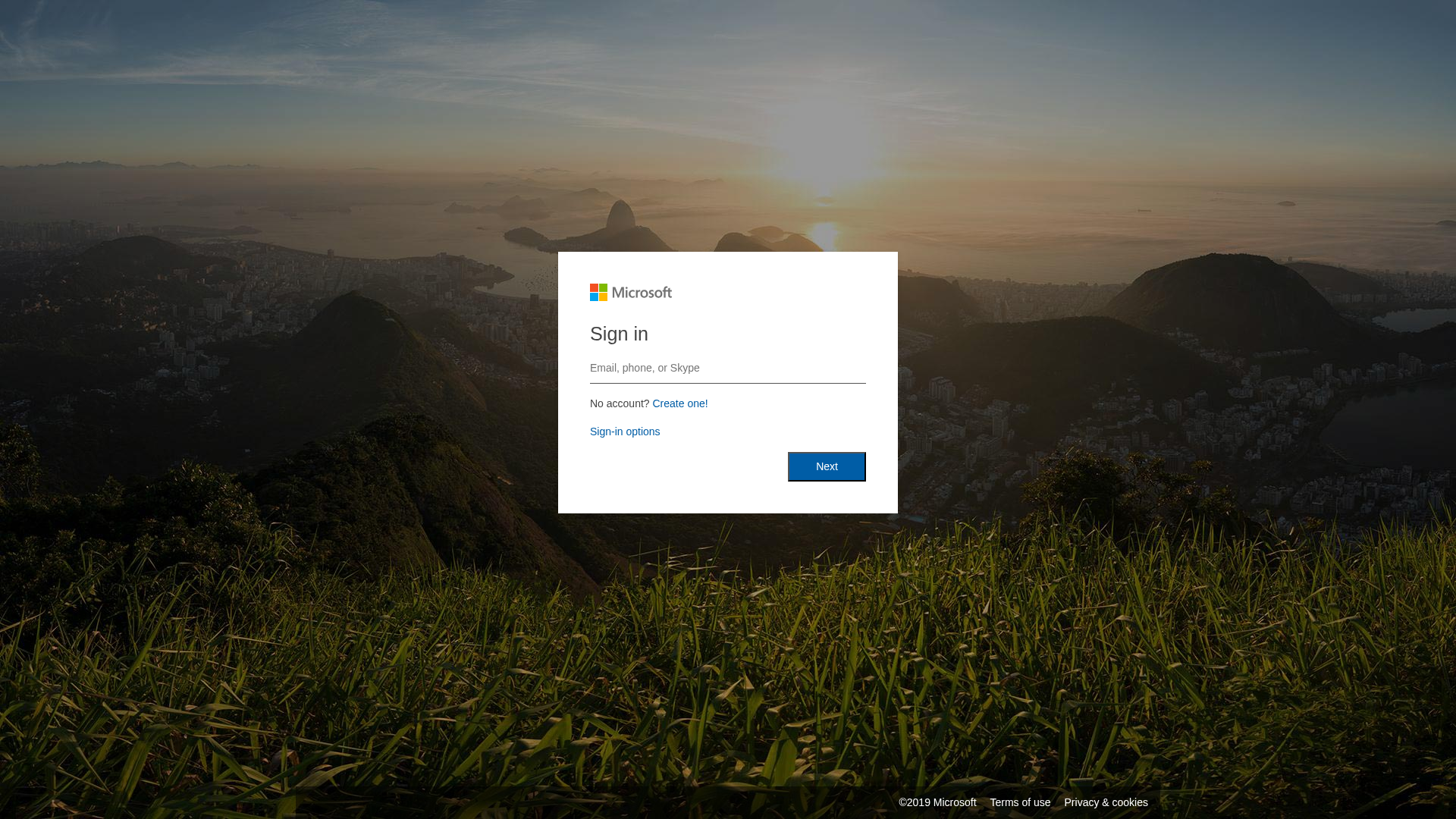
Microsoft
http://docusine.com/?urid=QcAw22ro3Hy2k-wDLudNKbQwzfsL3yKQLe...
Ago 07, 2026
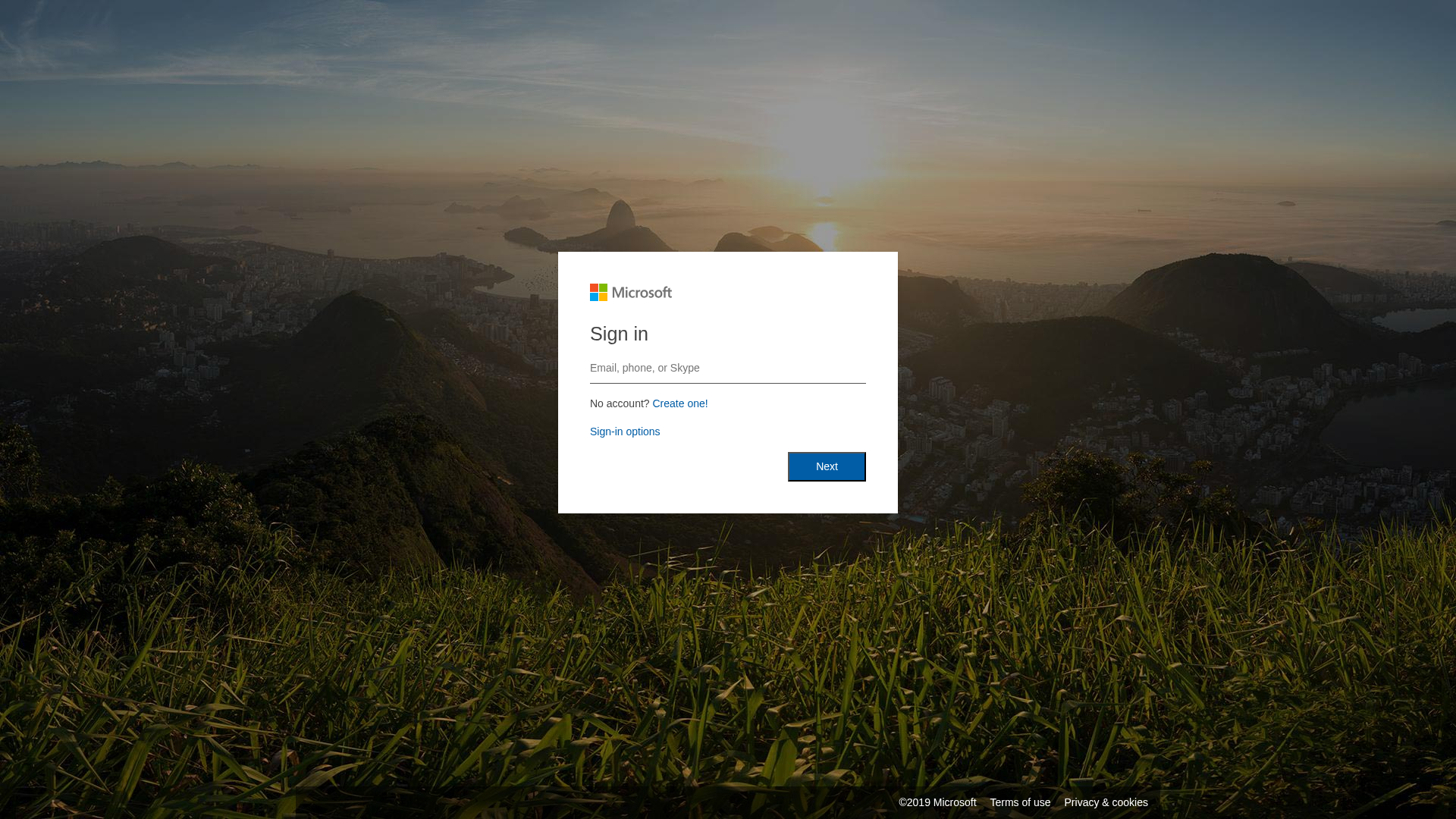
Microsoft
http://www.docs-google.com/?urid=gzxpuIVeWdNiUXIxrbheaFg821t...
Ago 07, 2026
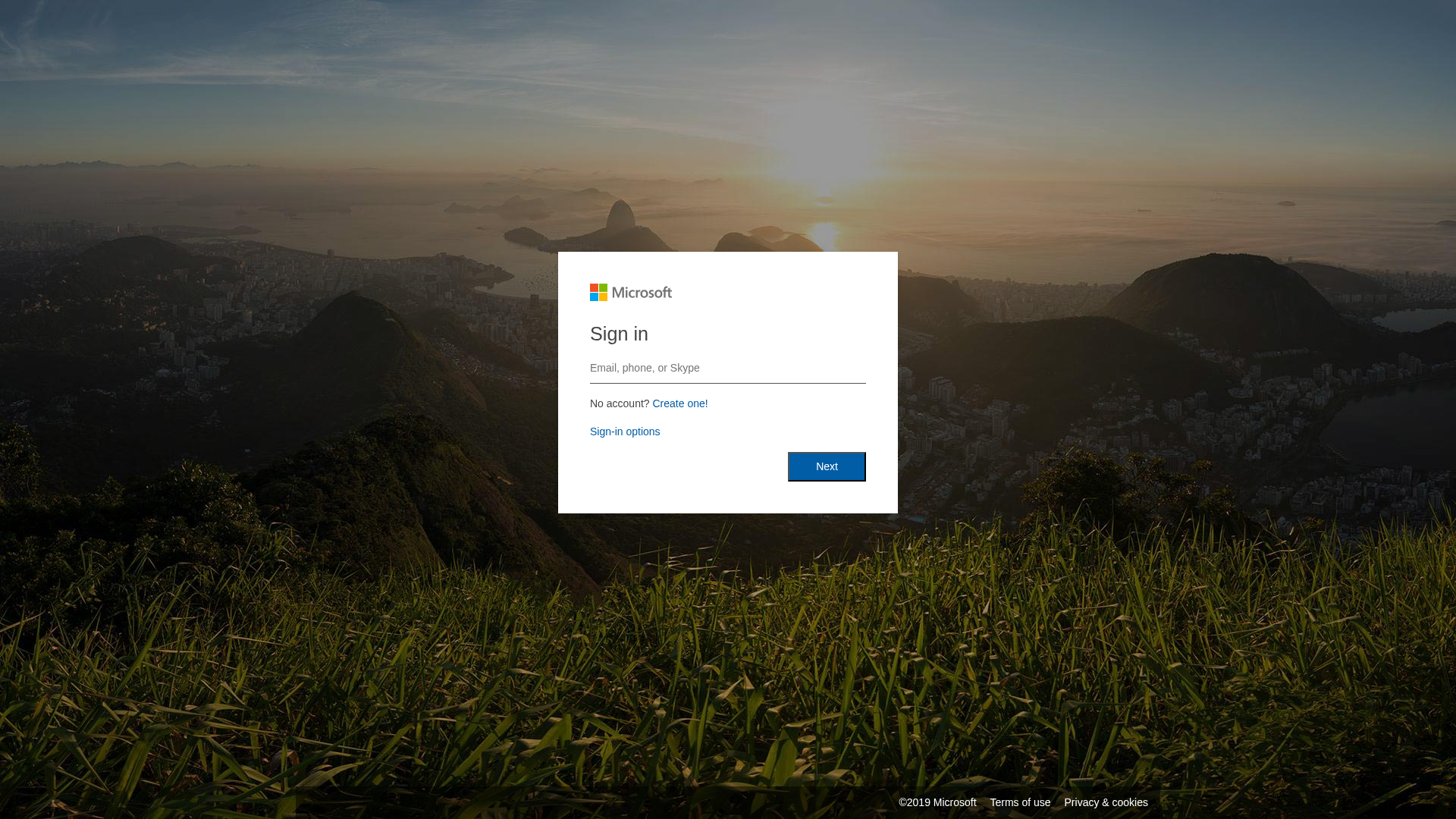
Microsoft
https://www.it-communications.com/?rg=CUS&urid=QekUmAG1SKGCk...
Jun 22, 2026
Microsoft
https://www.advanced-documents.com/?rg=WEU&urid=QC2l24RF4Esa...
Jun 22, 2026
Microsoft
https://www.e-owa.com/?urid=AXLMLIm-StGu0wLXgY4yicAmrs5WHlDP...
Jun 16, 2026
Scan History for www.it-communications.com
Found 3 other scans for this domain

"Nunca pensé que me pasaría a mí"
Esto dicen las 2.3 millones de víctimas cada año. No esperes a ser una estadística.