
Phishing Analysis
Detailed analysis of captured phishing page
Captura Visual
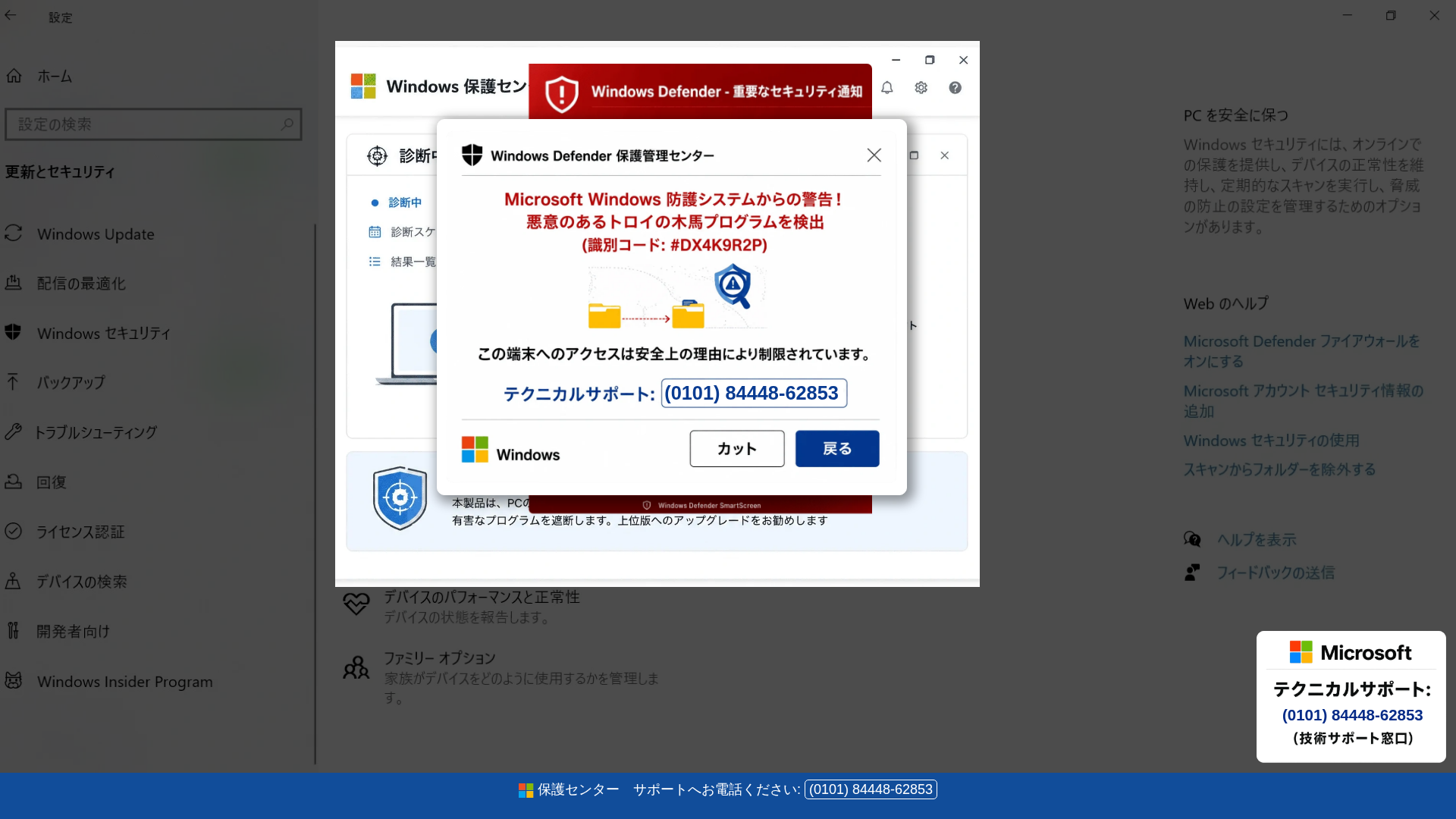
Información de Detección
https://fuzodurafe.z43.web.core.windows.net
Detected Brand
Microsoft
Country
Unknown
Confianza
100%
HTTP Status
200
Report ID
c4cee34a-fe0…
Analyzed
2026-06-04 15:09
Final URL (after redirects)
https://fuzodurafe.z43.web.core.windows.net/
Hashes de Contenido (Similitud HTML)
Used to detect similar phishing pages based on HTML content
| Algorithm | Hash Value |
|---|---|
|
CONTENT
TLSH
|
T18DD1C831A0106E2B94636358FF71CB5E5335C280DB520E4C46EC876FAEEEDA8D9531DA |
|
CONTENT
ssdeep
|
96:nueWpcoU5hPbEtisoazmcCEsGK7ht+hIdfgAFtUYED/a:uTpihP1UhsGKgI5HrEO |
Hashes Visuales (Similitud de Captura)
Used to detect visually similar phishing pages based on screenshots
| Algorithm | Hash Value |
|---|---|
|
VISUAL
pHash
|
cbc33476762c552c |
|
VISUAL
aHash
|
283c3c3c3c3c0101 |
|
VISUAL
dHash
|
c9c9e9e9e1e9b37b |
|
VISUAL
wHash
|
3c7c7c7c7c7c0301 |
|
VISUAL
colorHash
|
070000081c0 |
|
VISUAL
cropResistant
|
830b9ec486a3939e,ba12a656aa2ab2a2,c9c9e9e9e1e9b37b,00002989c1292001 |
Análisis de Código
Risk Score
6/100
Nivel de Amenaza
ALTO
⚠️ Phishing Confirmed
🔒 Obfuscation Detected
- document.write
- unicode_escape
📊 Desglose de Puntuación de Riesgo
Total Risk Score
40/100
Contributing Factors
Code Obfuscation
JavaScript code obfuscated using 6 technique(s) to evade detection
🔬 Análisis Integral de Amenazas
Tipo de Amenaza
Microsoft Phishing Landing Page
Objetivo
Microsoft users
Método de Ataque
obfuscated JavaScript
Canal de Exfiltración
Form submission (backend endpoint not detected - likely JavaScript-based)
Evaluación de Riesgo
LOW - Automated credential harvesting with Form submission (backend endpoint not detected - likely JavaScript-based)
⚠️ Indicators of Compromise
- 6 obfuscation techniques
🏢 Análisis de Suplantación de Marca
Impersonated Brand
Microsoft
Official Website
https://www.microsoft.com
Fake Service
Credential harvesting service
⚔️ Metodología de Ataque
Primary Method: Search Engine Manipulation
Fake Microsoft site positioned to capture victims through SEO tactics, typosquatting, or paid advertising. Serves as entry point for multi-stage attacks including credential theft and malware distribution.
Secondary Method: JavaScript Obfuscation
Malicious code is obfuscated using 6 techniques to evade detection by security scanners and make reverse engineering more difficult.
🌐 Indicadores de Compromiso de Infraestructura
Domain Information
Dominio
fuzodurafe.z43.web.core.windows.net
Registered
1995-08-10 04:00:00+00:00
Registrar
MarkMonitor, Inc.
Estado
Active (older domain)
Hosting Information
Provider
MarkMonitor, Inc.
ASN
🤖 AI-Extracted Threat Intelligence

"Nunca pensé que me pasaría a mí"
Esto dicen las 2.3 millones de víctimas cada año. No esperes a ser una estadística.