Phishing Analysis
Detailed analysis of captured phishing page
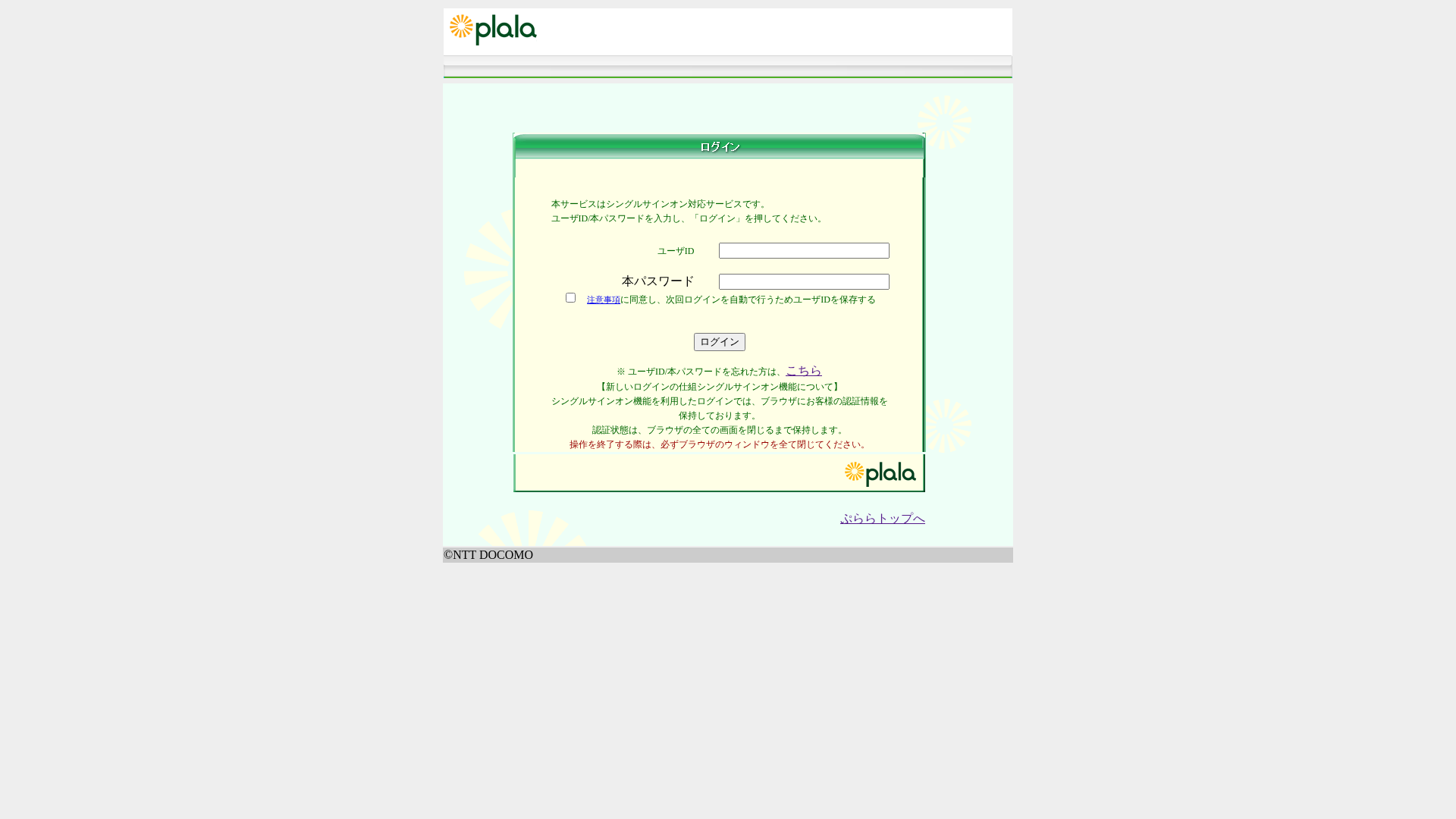
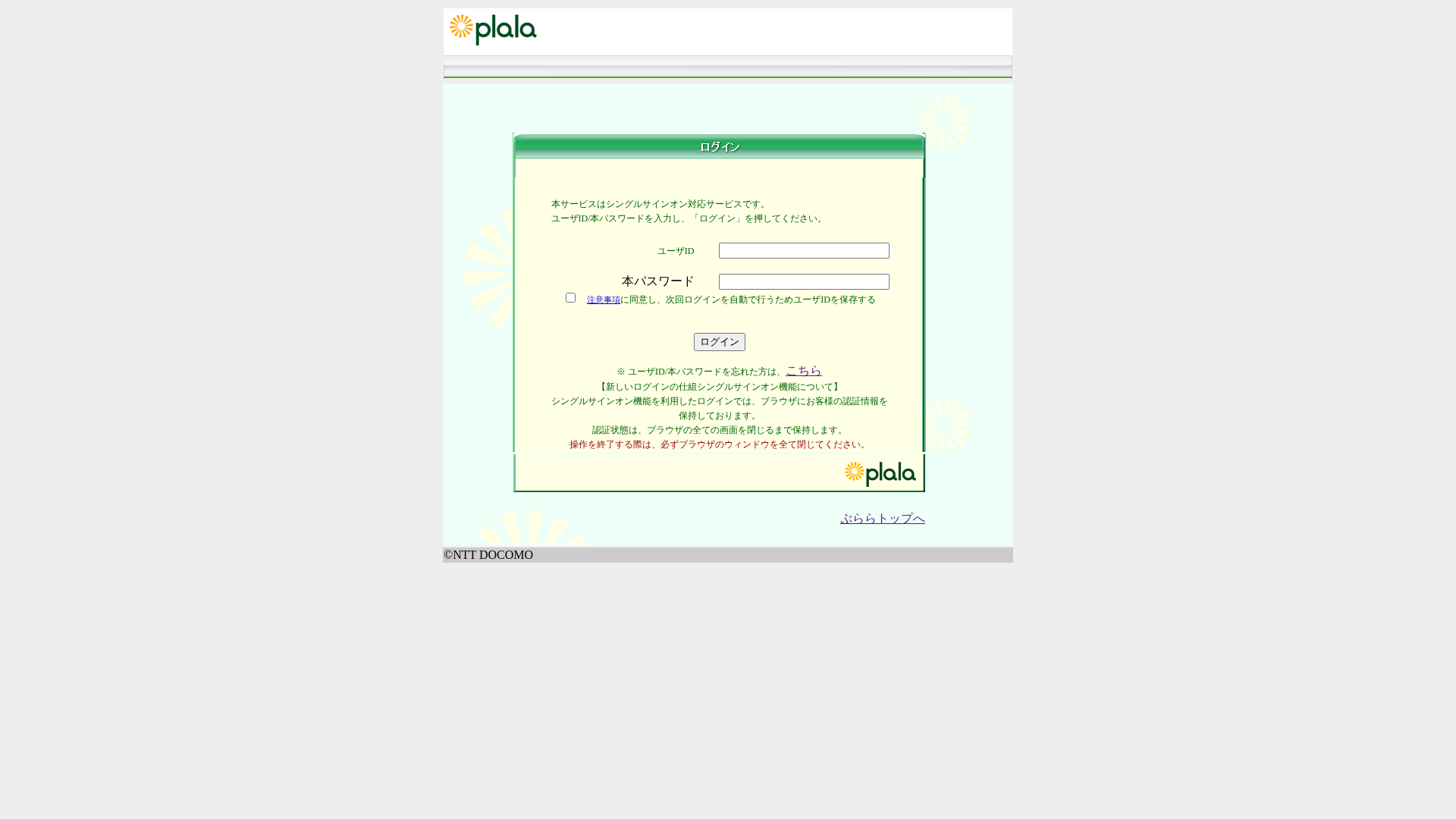
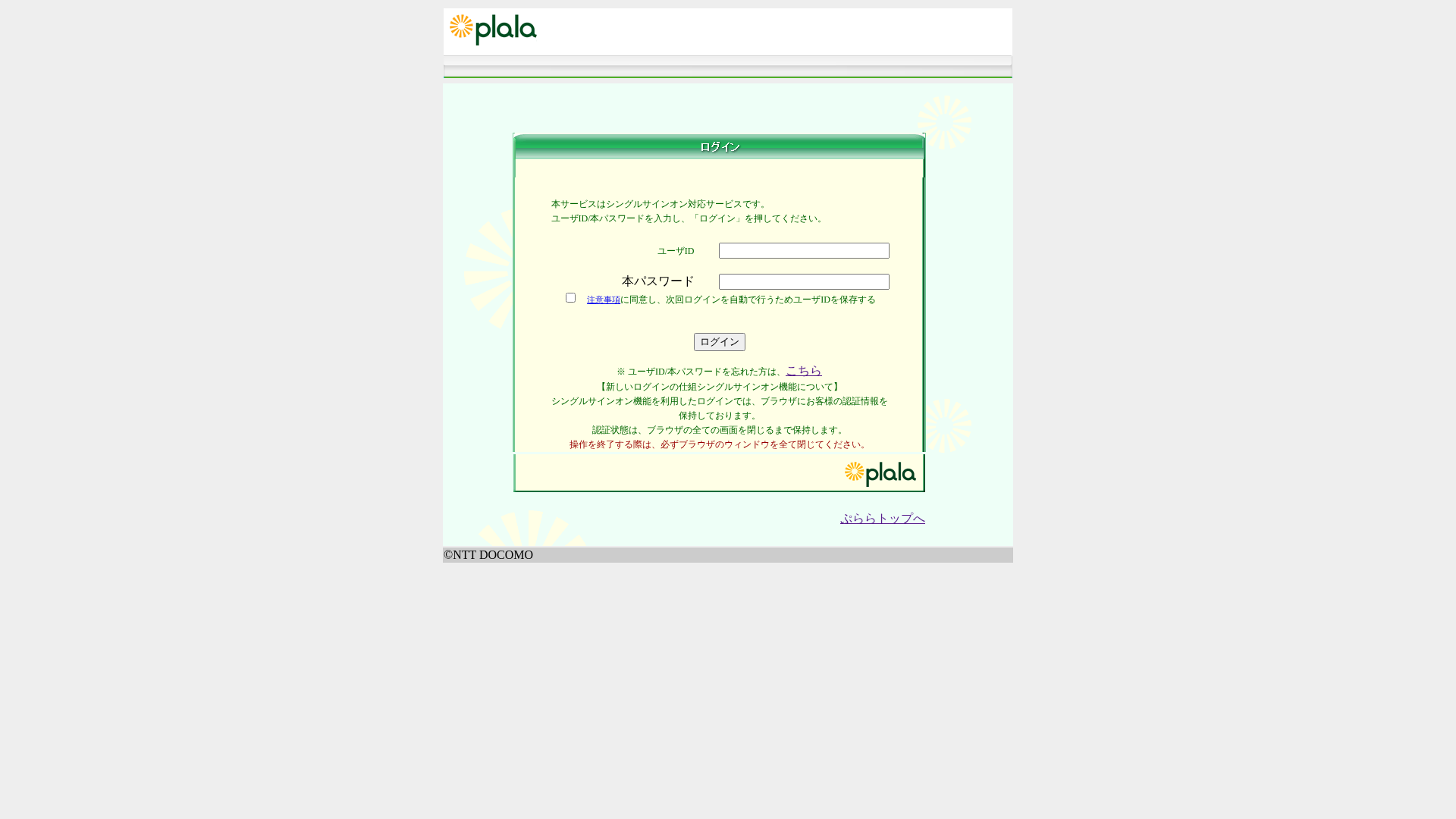
Captura Visual
Información de Detección
Hashes de Contenido (Similitud HTML)
Used to detect similar phishing pages based on HTML content
| Algorithm | Hash Value |
|---|---|
|
CONTENT
TLSH
|
T1A1B1C01493412B0E64A591F6C3606FA843E28C2ED7321958985EE63F1CCD54EED6BBFC |
|
CONTENT
ssdeep
|
96:jN4CpfHSfo47lGCty5vk+7TSTre5b1/LhC5Sb3yJSLP0z3lKZVwcbwYxyCPoZz0F:jWUyUBWcb10KibALJxawD |
Hashes Visuales (Similitud de Captura)
Used to detect visually similar phishing pages based on screenshots
| Algorithm | Hash Value |
|---|---|
|
VISUAL
pHash
|
969339389e9998dc |
|
VISUAL
aHash
|
1c243c3c3c000000 |
|
VISUAL
dHash
|
394d686865140000 |
|
VISUAL
wHash
|
1c243c3c3f030f0f |
|
VISUAL
colorHash
|
07050000400 |
|
VISUAL
cropResistant
|
394d686865140000 |
Análisis de Código
🔬 Threat Analysis Report
• Amenaza: Kit de phishing para robo de credenciales dirigido a usuarios de Plala.
• Objetivo: Clientes de Plala en Japón.
• Método: Formulario falso de inicio de sesión que roba el ID de usuario y la contraseña.
• Exfil: Datos enviados a cgi-binsso/pf/agent_sso.php.
• Indicadores: Dominio no relacionado con la marca, JavaScript ofuscado, múltiples formularios, la acción del formulario apunta a una ruta sospechosa.
• Riesgo: ALTO - Robo inmediato de credenciales.
🔐 Credential Harvesting Forms
🔒 Obfuscation Detected
- fromCharCode
- document.write
- hex_escape
- base64_strings
📤 Form Action Targets
- cgi-binsso/pf/agent_sso.php
📊 Desglose de Puntuación de Riesgo
Contributing Factors
🔬 Análisis Integral de Amenazas
⚠️ Indicators of Compromise
- Kit types: Credential Harvester, Banking, Personal Info
- 130 obfuscation techniques
🏢 Análisis de Suplantación de Marca
⚔️ Metodología de Ataque
Primary Method: Credential Harvesting
The phishing kit captures user credentials (ユーザID and 本パスワード) via a fake login form. The data is likely transmitted to a backend server controlled by the attacker for immediate exploitation or sale on underground markets.
Secondary Method: Account Takeover
Once credentials are harvested, attackers can gain unauthorized access to the victim's 'plala' account, enabling further exploitation such as unauthorized transactions, data theft, or lateral movement within the victim's digital ecosystem.
🌐 Indicadores de Compromiso de Infraestructura
Domain Information
🦠 Malicious Files
JavaScript file with high obfuscation, likely used for credential harvesting and form interception.
📊 Diagrama de Flujo de Ataque
┌──────────────────────────────────────────────────────────┐
│ 1. VICTIM RECEIVES PHISHING LINK                          │
│    - Email/SMS with fake "PLALA" Banking alert            │
└────────────────────┬─────────────────────────────────────┘
                     │
                     ▼
┌──────────────────────────────────────────────────────────┐
│ 2. FAKE LOGIN PAGE LOADED                                 │
│    - Spoofed PLALA Banking portal displayed               │
└────────────────────┬─────────────────────────────────────┘
                     │
                     ▼
┌──────────────────────────────────────────────────────────┐
│ 3. CREDENTIAL INPUT                                       │
│    - Victim enters username/password                      │
│    - Form appears identical to legitimate site            │
└────────────────────┬─────────────────────────────────────┘
                     │
                     ▼
┌──────────────────────────────────────────────────────────┐
│ 4. DATA CAPTURED                                         │
│    - Credentials sent via HTTP POST to attacker server    │
└──────────────────────────────────────────────────────────┘
🔬 JavaScript Deep Analysis
🔗 API Endpoints Detected
🔐 Obfuscation Detected
- : Moderate
- : None
- : None
🤖 AI-Extracted Threat Intelligence
📊 Attack Flow
┌──────────────────────────────────────────────────────────┐
│ 1. VICTIM RECEIVES PHISHING LINK                          │
│    - Email/SMS with fake "PLALA" Banking alert            │
└────────────────────┬─────────────────────────────────────┘
                     │
                     ▼
┌──────────────────────────────────────────────────────────┐
│ 2. FAKE LOGIN PAGE LOADED                                 │
│    - Spoofed PLALA Banking portal displayed               │
└────────────────────┬─────────────────────────────────────┘
                     │
                     ▼
┌──────────────────────────────────────────────────────────┐
│ 3. CREDENTIAL INPUT                                       │
│    - Victim enters username/password                      │
│    - Form appears identical to legitimate site            │
└────────────────────┬─────────────────────────────────────┘
                     │
                     ▼
┌──────────────────────────────────────────────────────────┐
│ 4. DATA CAPTURED                                         │
│    - Credentials sent via HTTP POST to attacker server    │
└──────────────────────────────────────────────────────────┘
🎯 Malicious Files Identified
Similar Websites
Pages with identical visual appearance (based on perceptual hash)