
Phishing Analysis
Detailed analysis of captured phishing page
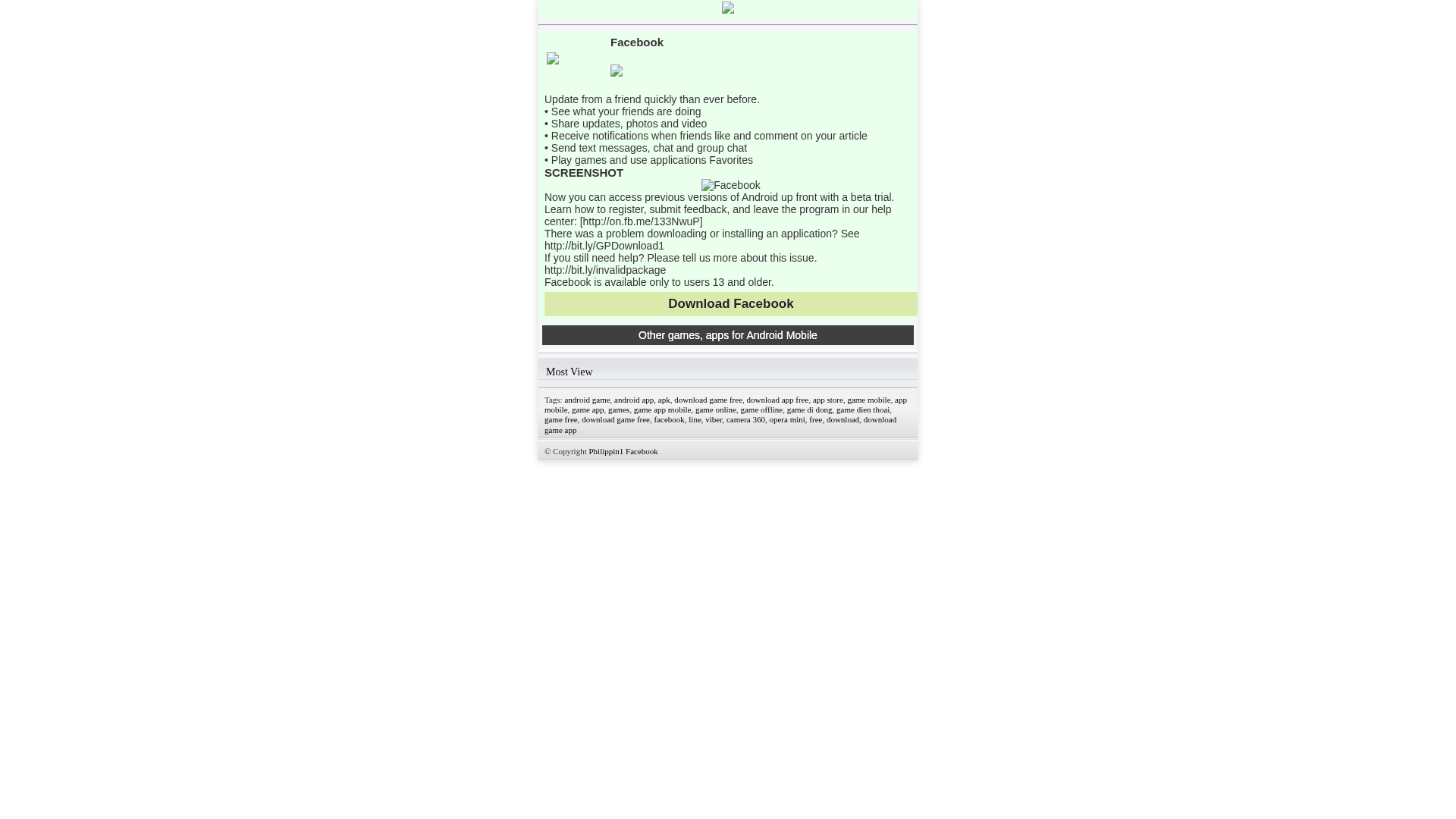
Captura Visual
Información de Detección
https://phi1-facebook.blogspot.com/
Detected Brand
Facebook
Country
Unknown
Confianza
100%
HTTP Status
200
Report ID
cbce5f7a-e14…
Analyzed
2026-07-11 10:20
Hashes de Contenido (Similitud HTML)
Used to detect similar phishing pages based on HTML content
| Algorithm | Hash Value |
|---|---|
|
CONTENT
TLSH
|
T1CEE196AB5142F81A16F2C2B8FE60771CDD438A8AD2431E4591F49F6FAEC4FA1C41126E |
|
CONTENT
ssdeep
|
96:H630Pz0CvqYI7BsGI+liYI2ZqrWTEIjb8t6VtHKT4IrS6IvoxVhFv1odo:HNhiu4liivTL8tYHo7rHxio |
Hashes Visuales (Similitud de Captura)
Used to detect visually similar phishing pages based on screenshots
| Algorithm | Hash Value |
|---|---|
|
VISUAL
pHash
|
b33399cc6666cc98 |
|
VISUAL
aHash
|
e7e7e7c3e7ffffff |
|
VISUAL
dHash
|
0c0c4c4d0c000800 |
|
VISUAL
wHash
|
c0c0c0c0033f3f3f |
|
VISUAL
colorHash
|
07040006000 |
|
VISUAL
cropResistant
|
0c0c4c4d0c000800 |
Análisis de Código
Risk Score
85/100
Nivel de Amenaza
ALTO
⚠️ Phishing Confirmed
🎣 Credential Harvester
🎣 OTP Stealer
🎣 Personal Info
🔒 Obfuscation Detected
- eval
- fromCharCode
- unescape
- document.write
- hex_escape
- unicode_escape
🎯 Kit Endpoints
- https://lh3.googleusercontent.com/blogger_img_proxy/AEn0k_vkUfvLa3syAsDcf4Y0B0NG2aCcO79EIX6wimlN4V8Dbn4vrV2aVr7VF_-Tg2AEShRZeQ8q_A1fi8wVjQQNLeY_MKqWkSH4cOSvcjUcj7zL6QOWRhMc11c=s0-d
- https://www.blogger.com/navbar/4718186902651583231?origin=https://phi1-facebook.blogspot.com&usegapi=1&jsh=m%3B%2F_%2Fscs%2Fabc-static%2F_%2Fjs%2Fk%3Dgapi.lb.en.9vdPKhB0RUg.O%2Fd%3D1%2Frs%3DAHpOoo97anj7zZ432JcN58tqJJp_A6WeOw%2Fm%3D__features__#id=navbar-iframe&_gfid=navbar-iframe&parent=https%3A%2F%2Fphi1-facebook.blogspot.com&pfname=&rpctoken=21523992
- https://lh3.googleusercontent.com/blogger_img_proxy/AEn0k_s58lJtkzGUAJCpGXVBTjw0buOjPrwjDEU8AX5_9B5UZGeLk1MporHa5MCOZe95DcOvPR_P7ZY11-farWrJwwyZWIjSo5Foq13HdzraQm9xhxc=s0-d
- http://phi1-facebook.blogspot.com/
- https://phi1-facebook.blogspot.com/feeds/posts/default?alt=rss
- https://www.blogger.com/feeds/4718186902651583231/posts/default
- https://www.blogger.com/profile/08074937417757508079
- https://lh3.googleusercontent.com/blogger_img_proxy/AEn0k_uGoh72h-jL_sEZ9QrTO0GtBOhbO0ZQtk825Kbu5ksu3RcH1Hdi_ibaCXufAjkNftLuIH4fz2LGlzqaXiem7gFE9ILJP47KtM1Aar4W15EpAZob5BRZjvupN90QXg=s0-d
- https://lh3.googleusercontent.com/blogger_img_proxy/AEn0k_u5uA5mUbF_4kDmzkydaLiOMPhCSn9AUu019XE_wsIMwhhDljIvy7fWio1jkV8ByMNTYZwQv65Cve4QrdqBubCevWYQcjBj859j4qmBu3WFKXHj2Uv85JuRxSsGPR2osKk9IQv_geOJsWdu=s0-d
- https://www.blogger.com/dyn-css/authorization.css?targetBlogID=4718186902651583231&zx=fbc7ca07-33ff-42dd-a4ec-ef2b0b80300f
- https://phi1-facebook.blogspot.com/
- https://phi1-facebook.blogspot.com/feeds/posts/default
📡 API Calls Detected
- post
📊 Desglose de Puntuación de Riesgo
Total Risk Score
100/100
Contributing Factors
Active Phishing Kit
Detected kit types: Credential Harvester, OTP Stealer, Personal Info
Code Obfuscation
JavaScript code obfuscated using 28 technique(s) to evade detection
🔬 Análisis Integral de Amenazas
Tipo de Amenaza
Two-Factor Authentication Stealer
Objetivo
Facebook users
Método de Ataque
obfuscated JavaScript
Canal de Exfiltración
Form submission (backend endpoint not detected - likely JavaScript-based)
Evaluación de Riesgo
CRITICAL - Automated credential harvesting with Form submission (backend endpoint not detected - likely JavaScript-based)
⚠️ Indicators of Compromise
- Kit types: Credential Harvester, OTP Stealer, Personal Info
- 28 obfuscation techniques
🏢 Análisis de Suplantación de Marca
Impersonated Brand
Facebook
Official Website
https://www.facebook.com
Fake Service
Credential harvesting service
⚔️ Metodología de Ataque
Primary Method: Credential Harvesting
Victim enters username and password into fake login form. Credentials are captured via JavaScript and exfiltrated to attacker's server in real-time.
Secondary Method: JavaScript Obfuscation
Malicious code is obfuscated using 28 techniques to evade detection by security scanners and make reverse engineering more difficult.
🌐 Indicadores de Compromiso de Infraestructura
Domain Information
Dominio
phi1-facebook.blogspot.com
Registered
Unknown
Registrar
None
Estado
Age unknown
Hosting Information
Provider
Unknown
ASN
🤖 AI-Extracted Threat Intelligence
Similar Websites
Pages with identical visual appearance (based on perceptual hash)
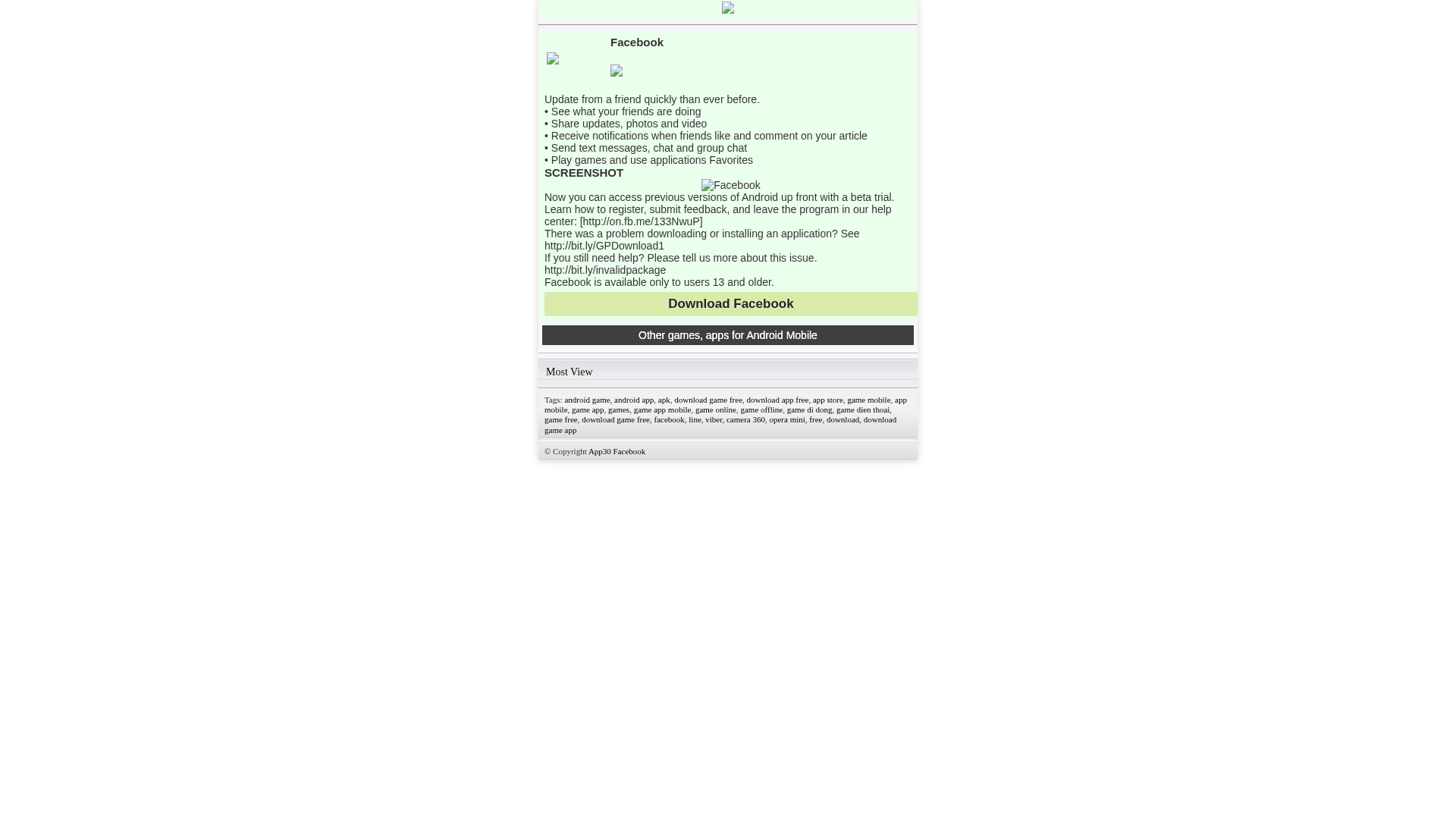
Facebook
https://app30-facebook.blogspot.com/
Jul 11, 2026
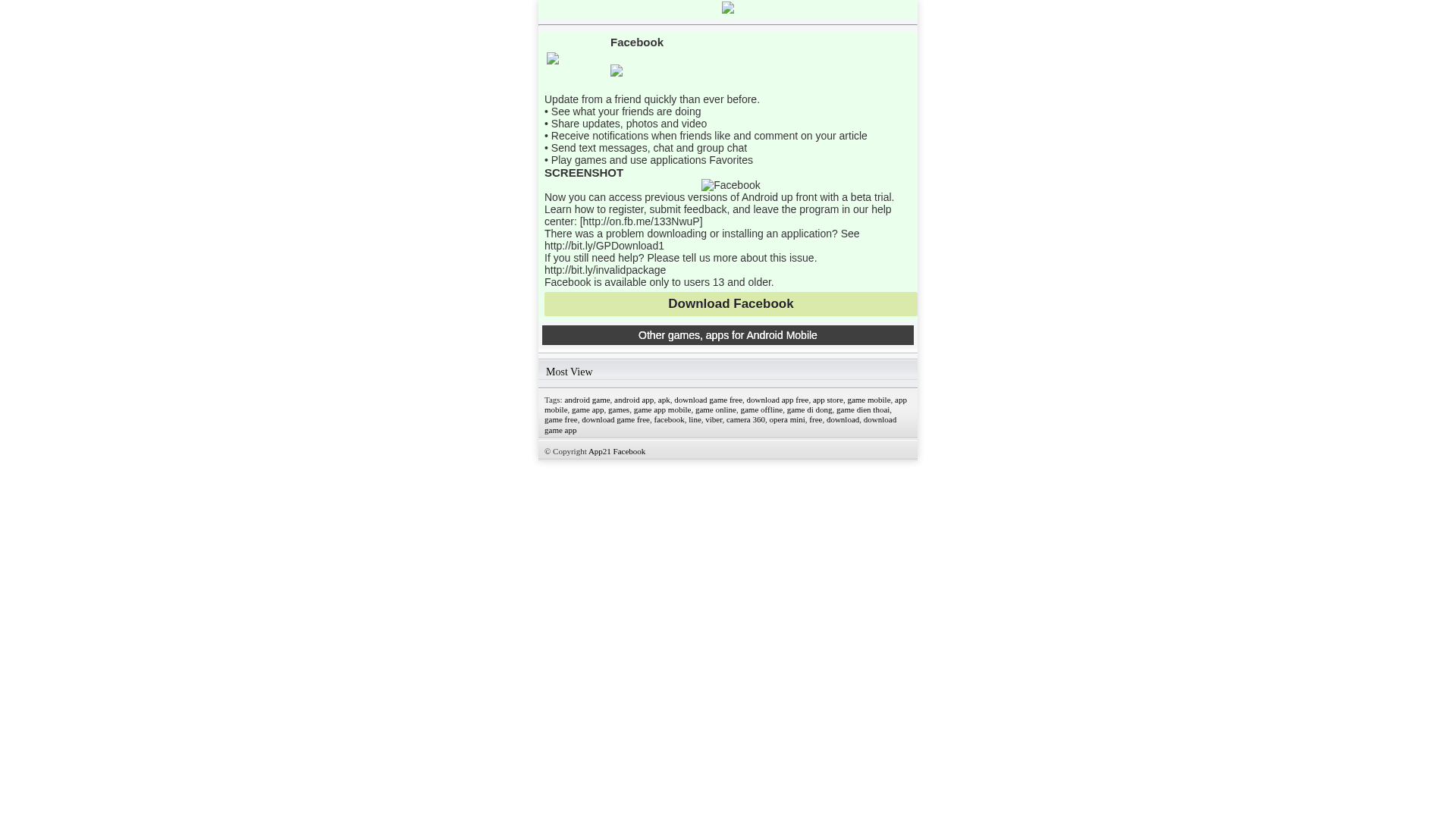
Facebook
https://app21-facebook.blogspot.com/
Jul 11, 2026
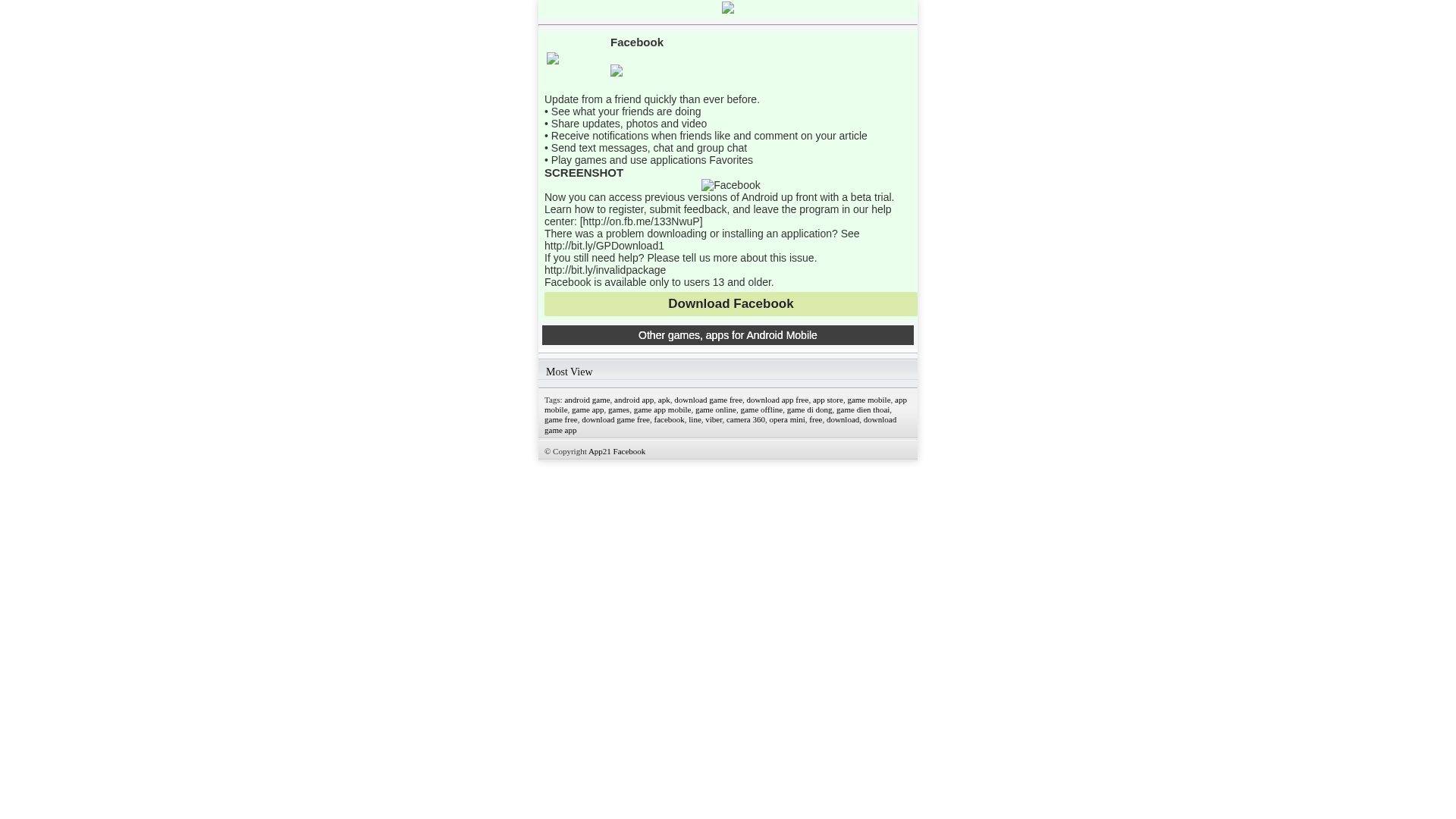
Facebook
https://www.app21-facebook.blogspot.com/
Jul 11, 2026
Facebook
https://app26-facebook.blogspot.com/?m=1
Jul 11, 2026
Facebook
https://phi3-facebook.blogspot.com/
Jul 11, 2026

"Nunca pensé que me pasaría a mí"
Esto dicen las 2.3 millones de víctimas cada año. No esperes a ser una estadística.