
Phishing Analysis
Detailed analysis of captured phishing page
Captura Visual
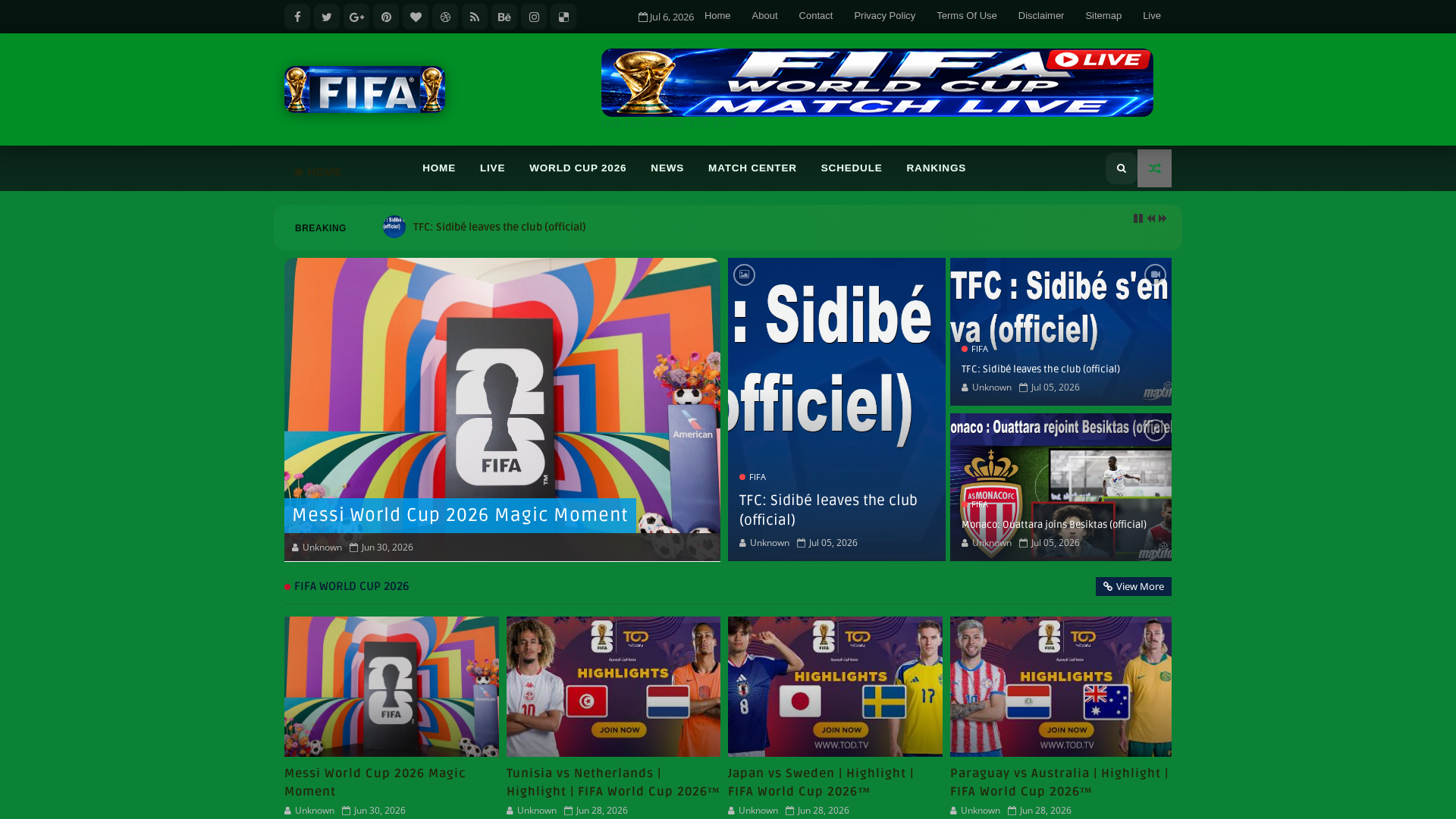
Información de Detección
https://fifaworldcup.one/
Detected Brand
FIFA
Country
Unknown
Confianza
100%
HTTP Status
200
Report ID
cdd03c86-be4…
Analyzed
2026-07-05 23:31
Final URL (after redirects)
https://www.fifaworldcup.one/
Hashes de Contenido (Similitud HTML)
Used to detect similar phishing pages based on HTML content
| Algorithm | Hash Value |
|---|---|
|
CONTENT
TLSH
|
T1F2B347F29090943F4377D6C56AB0FB5D72D3928ECD424C51B2FD93A83BC6DA2A91314A |
|
CONTENT
ssdeep
|
1536:vzsWm3qyM3USSSSVMTl5YheZ0novyniKxzsJBezCHb:vz3m3qi8ezC7 |
Hashes Visuales (Similitud de Captura)
Used to detect visually similar phishing pages based on screenshots
| Algorithm | Hash Value |
|---|---|
|
VISUAL
pHash
|
c71f3830cdc33e26 |
|
VISUAL
aHash
|
0000747972616581 |
|
VISUAL
dHash
|
d91ae4c3e6c7ca2b |
|
VISUAL
wHash
|
0000f7f9f3f1e781 |
|
VISUAL
colorHash
|
00000000e00 |
|
VISUAL
cropResistant
|
70c5c4b2b2333686,b836266676e6e372,d91ae4c3e6c7ca2b |
Análisis de Código
Risk Score
100/100
Nivel de Amenaza
ALTO
⚠️ Phishing Confirmed
🎣 Credential Harvester
🎣 OTP Stealer
🎣 Banking
🎣 Personal Info
🔐 Credential Harvesting Forms
🔒 Obfuscation Detected
- atob
- eval
- fromCharCode
- unescape
- document.write
- hex_escape
- unicode_escape
- base64_strings
🎯 Kit Endpoints
- https://www.fifaworldcup.one/search/label/Soccer?&max-results=6
- https://www.fifaworldcup.one/2026/06/blog-post_369.html
- https://www.blogger.com/share-post.g?blogID=9138207937646183945&postID=2210544672171727369&target=email
- /search/label/football?&max-result=6
- https://blogger.googleusercontent.com/img/a/AVvXsEh-MBAGIT3SXd-W0AymzRaSQphW6UTDJMw27fIRHdTc8TNhpJqnsAUiskzItpA6R5NkvcCyAo_W7F_JAH78sgXp91DU07JZOLjO8wNruVF-iqjbfpMcOdsPdaAGem58zYxMlx6BjZk5rnspysob08H-pbaR5kap97sq3a7_4MI5ZquBvTvMgPBLbpLuezE=s250
- https://www.fifaworldcup.one/2026/06/blog-post_991.html
- https://www.blogger.com/email-post/9138207937646183945/5964276510788024647
- https://www.blogger.com/share-post.g?blogID=9138207937646183945&postID=1755477837094671601&target=email
- https://www.blogger.com/share-post.g?blogID=9138207937646183945&postID=2376476940425712896&target=pinterest
- https://www.blogger.com/share-post.g?blogID=9138207937646183945&postID=6564371408008781238&target=facebook
- /search/label/Australia?&max-result=6
- https://www.blogger.com/share-post.g?blogID=9138207937646183945&postID=7462266340078919615&target=email
- https://www.blogger.com/share-post.g?blogID=9138207937646183945&postID=6564371408008781238&target=twitter
- https://www.blogger.com/share-post.g?blogID=9138207937646183945&postID=5964276510788024647&target=blog
- https://www.blogger.com/feeds/9138207937646183945/posts/default/650986044113018150
- https://www.fifaworldcup.one/2026/06/blog-post_919.html
- https://www.blogger.com/email-post/9138207937646183945/2210544672171727369
- https://www.blogger.com/email-post/9138207937646183945/6379924833790768491
- https://www.fifaworldcup.one/2026/06/blog-post_909.html
- https://www.blogger.com/share-post.g?blogID=9138207937646183945&postID=7462266340078919615&target=blog
- https://www.blogger.com/share-post.g?blogID=9138207937646183945&postID=2210544672171727369&target=pinterest
- https://blogger.googleusercontent.com/img/a/AVvXsEinjUlOvHbVn_jK0aapDTRaTIjy80x0HCQ5IXx-oVNUhsVrm6ILukkuWVI5jKqvHHfxSPl8UQlxVuEdgrXU4aV7WP3unE0RYytAveXQ7lLm6N30dk073qMM6BlT_qTw7T9iz0otbzBfrRipkgvM6rYqrASWdWznM927NGLd_7J_bAPWinn_9xJszlTfPmE=s728
- https://www.blogger.com/share-post.g?blogID=9138207937646183945&postID=650986044113018150&target=facebook
- https://www.blogger.com/share-post.g?blogID=9138207937646183945&postID=7462266340078919615&target=pinterest
- https://www.blogger.com/share-post.g?blogID=9138207937646183945&postID=5964276510788024647&target=pinterest
- https://www.blogger.com/email-post/9138207937646183945/650986044113018150
- https://www.blogger.com/feeds/9138207937646183945/posts/default
- https://www.fifaworldcup.one/search/label/International%20Football?&max-results=6
- https://www.blogger.com/email-post/9138207937646183945/7462266340078919615
- https://www.blogger.com/email-post/9138207937646183945/1755477837094671601
- https://www.blogger.com/share-post.g?blogID=9138207937646183945&postID=5964276510788024647&target=email
- https://www.blogger.com
- https://www.blogger.com/share-post.g?blogID=9138207937646183945&postID=7462266340078919615&target=twitter
- https://www.blogger.com/feeds/9138207937646183945/posts/summary?max-results=1
- https://www.blogger.com/email-post/9138207937646183945/2376476940425712896
- https://www.blogger.com/share-post.g?blogID=9138207937646183945&postID=2376476940425712896&target=twitter
- https://www.blogger.com/share-post.g?blogID=9138207937646183945&postID=6564371408008781238&target=email
- https://www.blogger.com/share-post.g?blogID=9138207937646183945&postID=2210544672171727369&target=facebook
- https://www.blogger.com/feeds/9138207937646183945/posts/summary?start-index=2&max-results=1
- https://www.fifaworldcup.one/search/label/World%20Cup%202026?&max-results=6
- https://www.blogger.com/share-post.g?blogID=9138207937646183945&postID=650986044113018150&target=twitter
- https://www.blogger.com/share-post.g?blogID=9138207937646183945&postID=6379924833790768491&target=blog
- https://www.fifaworldcup.one/search/label/Football?&max-results=6
- https://www.blogger.com/share-post.g?blogID=9138207937646183945&postID=650986044113018150&target=email
- https://blogger.googleusercontent.com/img/a/AVvXsEid5F-50VTC_8oFZ4m_lk5NSwdmnlrtaoMHhPQ5M2Im2-hsEtlTaFT4EPsETkM_78bV73Njx0Y3ZoSjlhjqvHsk6LQxlIKvcQtcPFHvX_MxQhcUuBk1NsH7YEhd10BHvNZCweCoapxf6OZ7rgtPgbYpzSFueDDtP3ph45RI1x8rMlq2reVXs_Z5XiYpHtQ=s212
- https://www.fifaworldcup.one/search/label/Football%20News?&max-results=6
- https://www.fifaworldcup.one/search/label/FIFA%20World%20Cup?&max-results=6
- https://www.blogger.com/share-post.g?blogID=9138207937646183945&postID=6379924833790768491&target=twitter
- https://www.blogger.com/share-post.g?blogID=9138207937646183945&postID=6379924833790768491&target=email
- https://www.blogger.com/share-post.g?blogID=9138207937646183945&postID=2376476940425712896&target=email
- https://www.blogger.com/dyn-css/authorization.css?targetBlogID=9138207937646183945&zx=71317224-c055-465f-b84a-470f87cbed5f
- https://www.blogger.com/share-post.g?blogID=9138207937646183945&postID=2376476940425712896&target=facebook
- https://www.blogger.com/share-post.g?blogID=9138207937646183945&postID=650986044113018150&target=pinterest
- /search/label/FIFA?&max-result=6
- https://www.blogger.com/email-post/9138207937646183945/6564371408008781238
- https://www.blogger.com/share-post.g?blogID=9138207937646183945&postID=2210544672171727369&target=twitter
- https://www.blogger.com/share-post.g?blogID=9138207937646183945&postID=6564371408008781238&target=blog
- /search/label/fifa?&max-result=6
- https://www.blogger.com/share-post.g?blogID=9138207937646183945&postID=5964276510788024647&target=twitter
- https://www.blogger.com/share-post.g?blogID=9138207937646183945&postID=1755477837094671601&target=pinterest
- https://www.blogger.com/share-post.g?blogID=9138207937646183945&postID=650986044113018150&target=blog
- https://www.blogger.com/share-post.g?blogID=9138207937646183945&postID=2376476940425712896&target=blog
- https://www.blogger.com/share-post.g?blogID=9138207937646183945&postID=1755477837094671601&target=facebook
- /search/label/Results
- https://www.blogger.com/share-post.g?blogID=9138207937646183945&postID=1755477837094671601&target=twitter
- https://www.fifaworldcup.one/search/label/FIFA?&max-results=6
- https://www.blogger.com/share-post.g?blogID=9138207937646183945&postID=6379924833790768491&target=facebook
- https://www.blogger.com/go/report-abuse
- /feeds/posts/summary?max-results=1&alt=json-in-script&callback=totalcountdata
- https://www.blogger.com/share-post.g?blogID=9138207937646183945&postID=1755477837094671601&target=blog
- https://www.blogger.com/share-post.g?blogID=9138207937646183945&postID=5964276510788024647&target=facebook
- https://www.blogger.com/share-post.g?blogID=9138207937646183945&postID=6564371408008781238&target=pinterest
- https://www.fifaworldcup.one/search/label/Football%20Analysis?&max-results=6
- https://www.blogger.com/share-post.g?blogID=9138207937646183945&postID=6379924833790768491&target=pinterest
- https://www.blogger.com/share-post.g?blogID=9138207937646183945&postID=2210544672171727369&target=blog
- /search?&max-results=6
- https://www.blogger.com/share-post.g?blogID=9138207937646183945&postID=7462266340078919615&target=facebook
- https://blogger.googleusercontent.com/img/a/AVvXsEimV_avjPCQHueI0V6tA9-wRmBTqBuwTh5pOC8x6elEHuasekkM00rWyTUWZd0w0pxgbw2EKKqBs0PgZBskUHU6z1fAjk_UePPhIFiN_gwC3PqCA5gCIEDrY8v69v4w2osLEbaj9RHirA9O7_aCbIeoXvhB96-w1Vb8Om9oATPFSxXDgDpOwiHxVhJTCEw=s250
- https://blogger.googleusercontent.com/img/a/AVvXsEh1lu2j0JLiqq-Gx3gQDTrjQd_3NIXBbaD0JfqKn-CF9gp0D4VPl06WWmj1EnRiHBoUVYWvg82bWXrkdGi3syahy-lYicc-c3T7k2B3lFQIPg0sFngYte5XnEo2psqfq02N099cgXPfYoT5yJ9AMrLq58iFC_jwgT72L25KyQM-fJ6EwrE36iQXNZj0Cgw=s250
- https://lh3.googleusercontent.com/blogger_img_proxy/AEn0k_vAghaMSzB65iTTvuiUfQKi1A9GW9c3LKTqza54imOZjCOvzE79qRUnVH-MVyjtZ7eMnLQjBG1csz-CGB2HgfN5lD7MvpB94-qw_h975PP4NmI
📡 API Calls Detected
- https://www.google.com/ccm/geo
- GET
- about:blank
- post
📤 Form Action Targets
- https://www.fifaworldcup.one/search
- /search
📊 Desglose de Puntuación de Riesgo
Total Risk Score
100/100
Contributing Factors
Active Phishing Kit
Detected kit types: Credential Harvester, OTP Stealer, Banking, Personal Info
Credential Harvesting
Credential harvesting detected with 3 form(s) capturing sensitive data
Code Obfuscation
JavaScript code obfuscated using 100 technique(s) to evade detection
🔬 Análisis Integral de Amenazas
Tipo de Amenaza
Banking Credential Harvester
Objetivo
FIFA users
Método de Ataque
credential harvesting forms + obfuscated JavaScript
Canal de Exfiltración
HTTP POST to backend
Evaluación de Riesgo
CRITICAL - Automated credential harvesting with HTTP POST to backend
⚠️ Indicators of Compromise
- Kit types: Credential Harvester, OTP Stealer, Banking, Personal Info
- 100 obfuscation techniques
🏢 Análisis de Suplantación de Marca
Impersonated Brand
FIFA
Official Website
N/A
Fake Service
Banking/payment service
⚔️ Metodología de Ataque
Primary Method: Credential Harvesting
Victim enters username and password into fake login form. Credentials are captured via JavaScript and exfiltrated to attacker's server in real-time.
Secondary Method: JavaScript Obfuscation
Malicious code is obfuscated using 100 techniques to evade detection by security scanners and make reverse engineering more difficult.
🌐 Indicadores de Compromiso de Infraestructura
Domain Information
Dominio
fifaworldcup.one
Registered
2026-05-30 07:24:18+00:00
Registrar
Dynadot Inc
Estado
Active (36 days old)
Hosting Information
Provider
Dynadot Inc
ASN
🤖 AI-Extracted Threat Intelligence

"Nunca pensé que me pasaría a mí"
Esto dicen las 2.3 millones de víctimas cada año. No esperes a ser una estadística.