
Phishing Analysis
Detailed analysis of captured phishing page
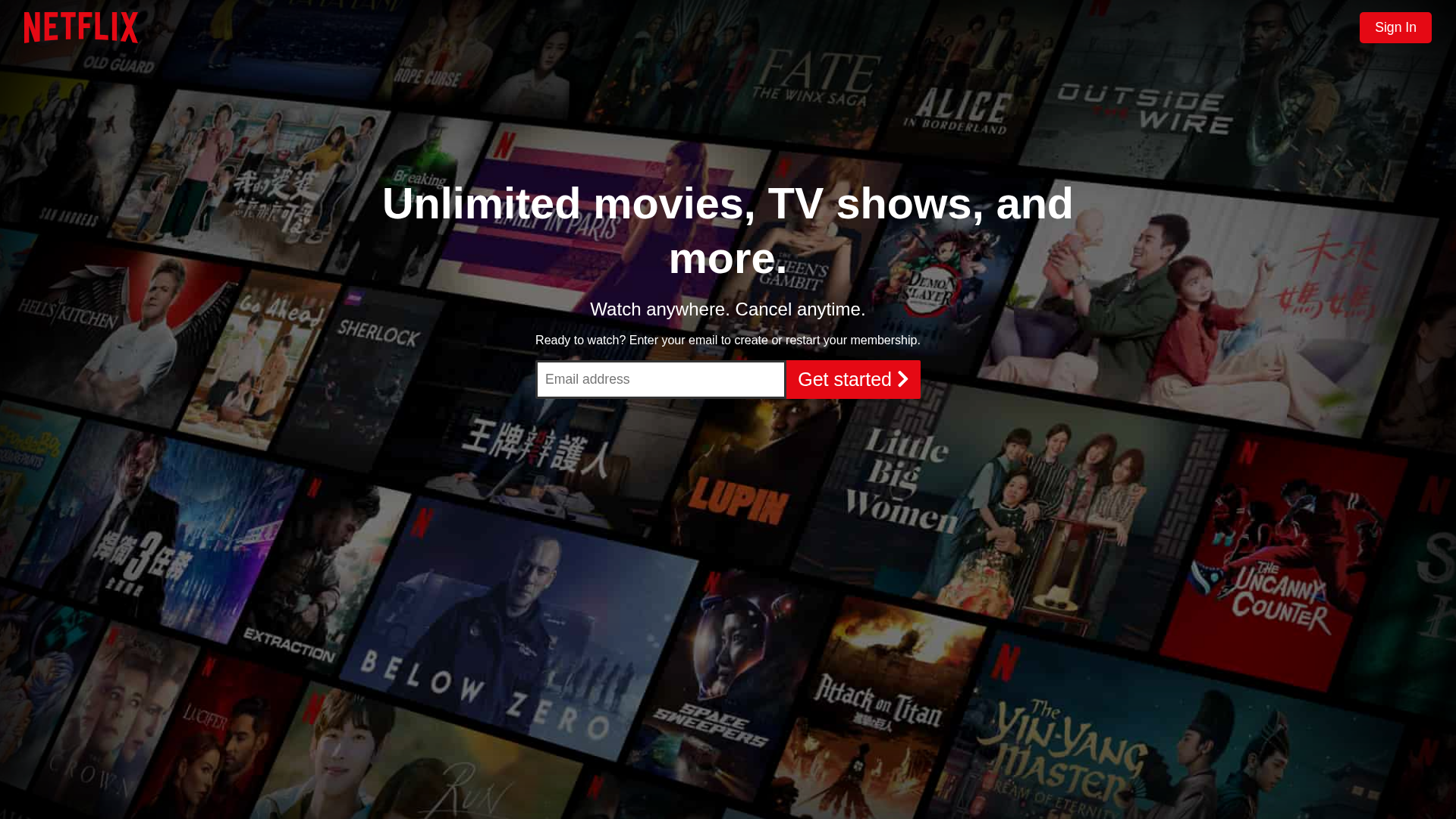
Captura Visual
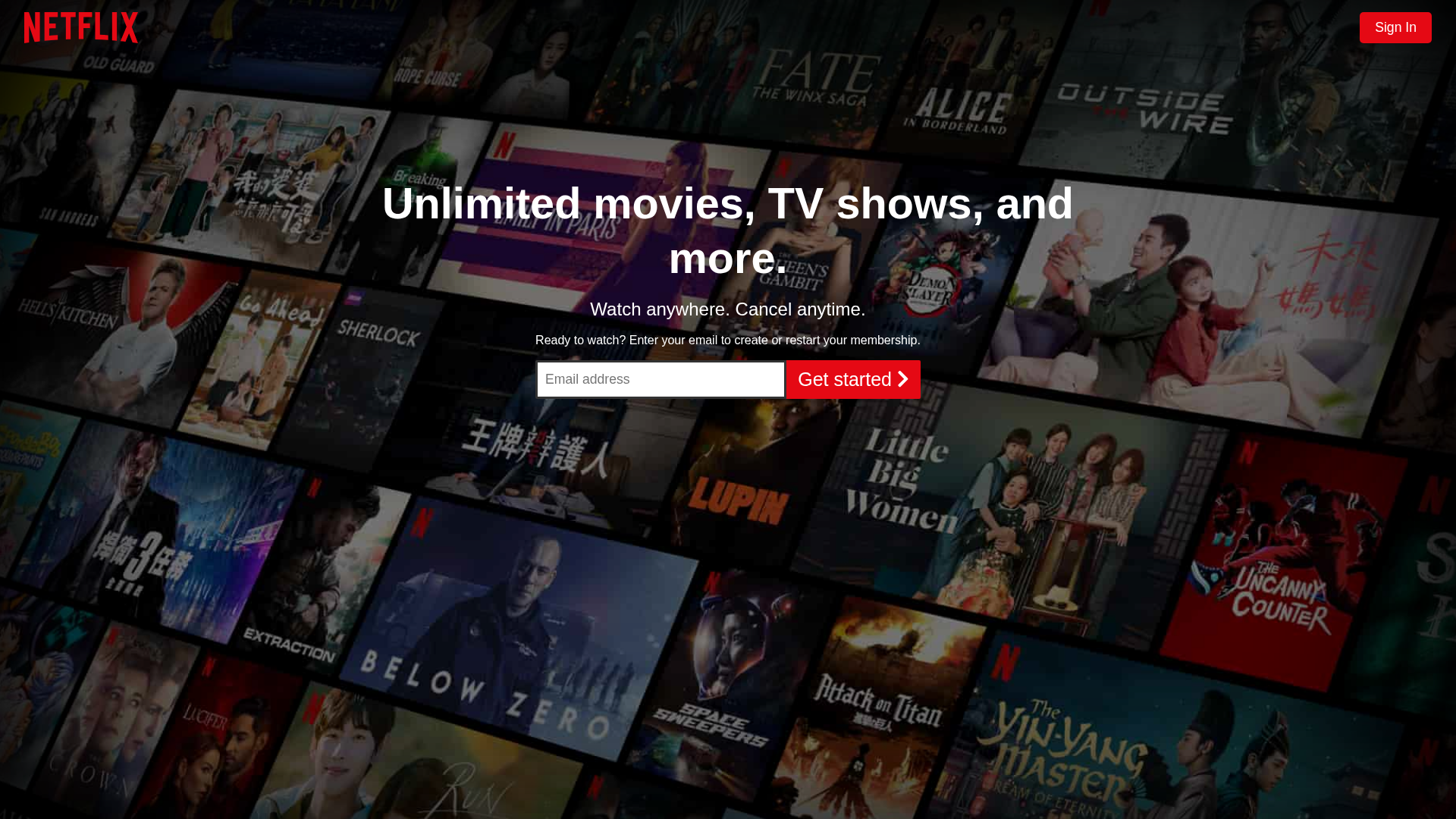
Información de Detección
http://viveksingh2207.github.io/Netflix-Landing-Page
Detected Brand
Netflix
Country
International
Confianza
95%
HTTP Status
200
Report ID
d07bbad4-abc…
Analyzed
2026-02-19 23:36
Final URL (after redirects)
https://viveksingh2207.github.io/Netflix-Landing-Page/
Hashes de Contenido (Similitud HTML)
Used to detect similar phishing pages based on HTML content
| Algorithm | Hash Value |
|---|---|
|
CONTENT
TLSH
|
T1B5C11B3B3101693B018342F2EB699B4BFB9381599F9B0B6520F8C34D6FE6D49CC52688 |
|
CONTENT
ssdeep
|
96:n6BO9d+Ff2M1rxH5X1nFBFEPht3wj2C+Ff2zzKjam:6BO9dgR1xH5FFBG8j2CgUG |
Hashes Visuales (Similitud de Captura)
Used to detect visually similar phishing pages based on screenshots
| Algorithm | Hash Value |
|---|---|
|
VISUAL
pHash
|
84ac63723cad3337 |
|
VISUAL
aHash
|
00767f5b96441020 |
|
VISUAL
dHash
|
0fa4b6b2a48c68cc |
|
VISUAL
wHash
|
007e7fdf0674146c |
|
VISUAL
colorHash
|
39401000000 |
|
VISUAL
cropResistant
|
0000c03232900000,0fa4b6b2a48c68cc |
Análisis de Código
Nivel de Amenaza
ALTO
⚠️ Phishing Confirmed
🔬 Threat Analysis Report
• Amenaza: Phishing
• Objetivo: Usuarios de Netflix
• Método: Suplantación de identidad utilizando una página similar en alojamiento gratuito
• Exfil: Dirección de correo electrónico
• Indicadores: Logotipo de Netflix, entrada de correo electrónico, alojamiento en GitHub Pages
• Riesgo: Alto
📊 Desglose de Puntuación de Riesgo
Total Risk Score
90/100
Contributing Factors
Free Hosting
Uses free hosting provider Github Pages, which is often abused for phishing campaigns.
Brand Impersonation
The page mimics the appearance and branding of Netflix.
Requests Credentials
The page prompts the user to enter their email address.
🔬 Análisis Integral de Amenazas
Tipo de Amenaza
Netflix Phishing Landing Page
Objetivo
Netflix users (International)
Método de Ataque
Brand impersonation
Canal de Exfiltración
Form submission (backend endpoint not detected - likely JavaScript-based)
Evaluación de Riesgo
LOW - Automated credential harvesting with Form submission (backend endpoint not detected - likely JavaScript-based)
🏢 Análisis de Suplantación de Marca
Impersonated Brand
Netflix
Official Website
https://www.netflix.com/
Fake Service
Netflix registration/login
⚔️ Metodología de Ataque
Primary Method: Credential Harvesting
The attacker attempts to steal user credentials (in this case, email) by creating a fake login page that mimics the appearance of the target brand (Netflix). Users are tricked into entering their information, which is then sent to the attacker.
🌐 Indicadores de Compromiso de Infraestructura
Domain Information
Dominio
viveksingh2207.github.io
Registered
None
Registrar
None
Estado
None
🤖 AI-Extracted Threat Intelligence
Similar Websites
Pages with identical visual appearance (based on perceptual hash)
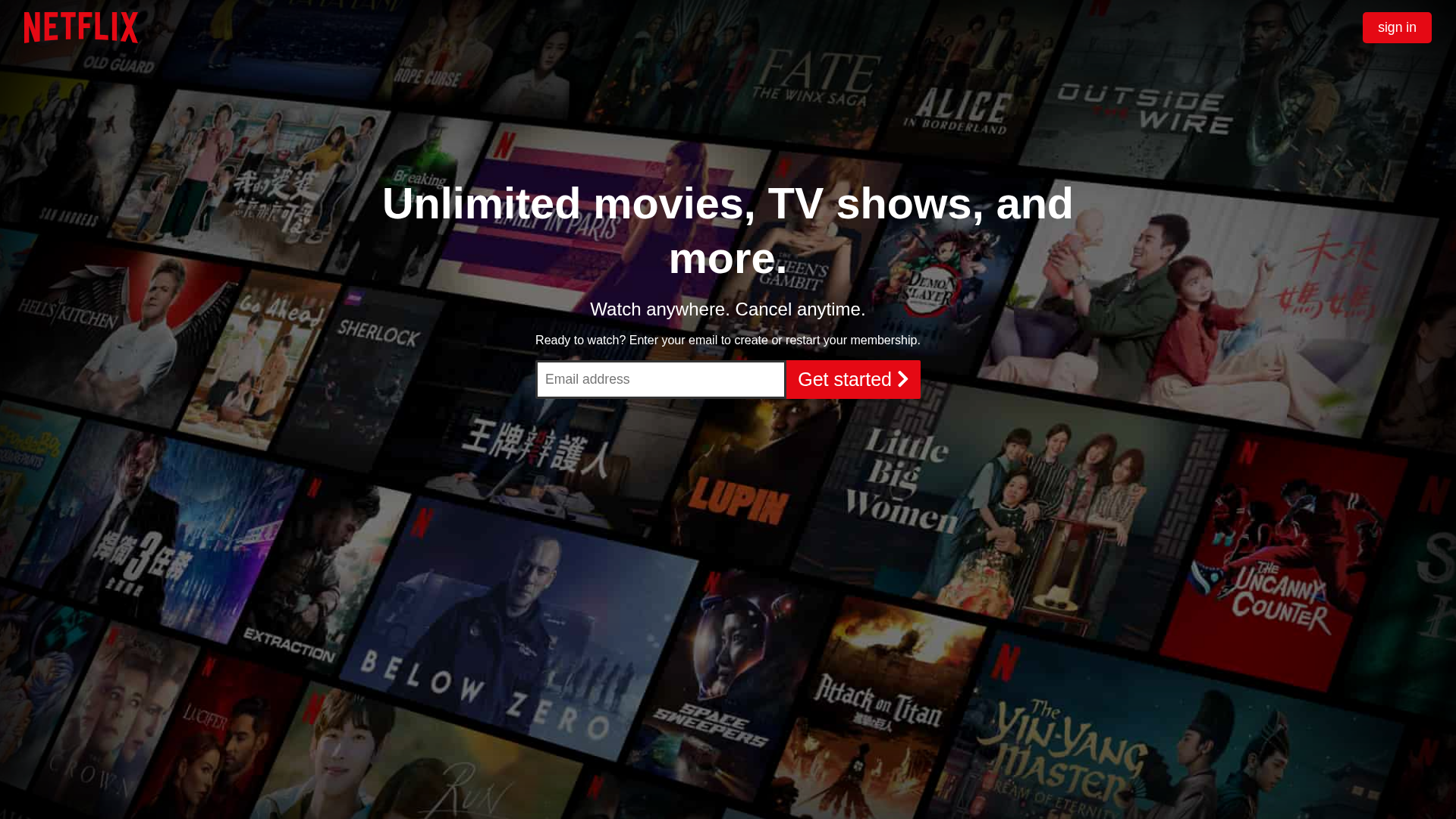
Netflix
https://anuja2793.github.io/Netflix-landing-pages/
Jul 29, 2026
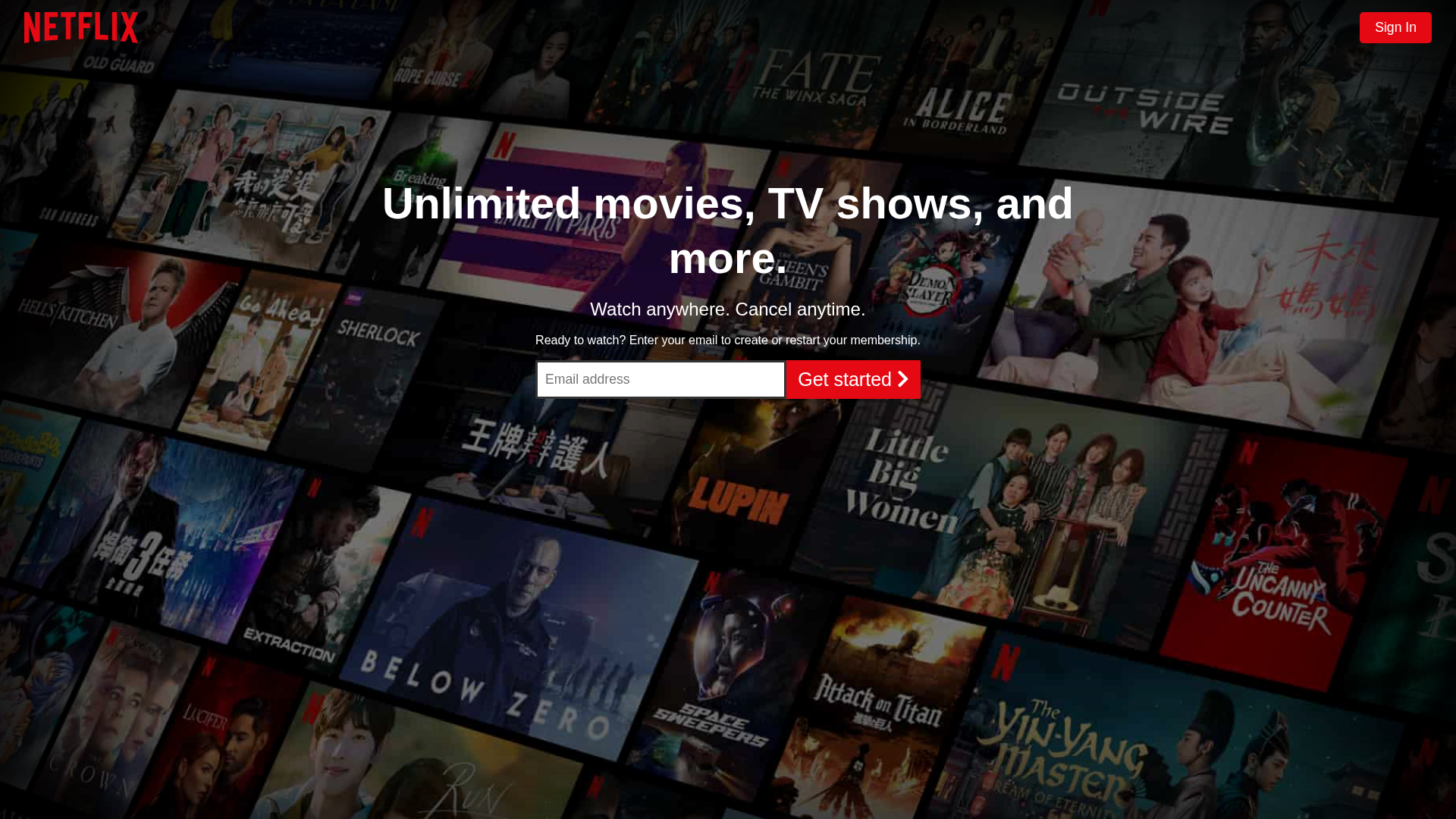
Netflix
https://puja4738.github.io/Netflix-Clone/
Mar 17, 2026
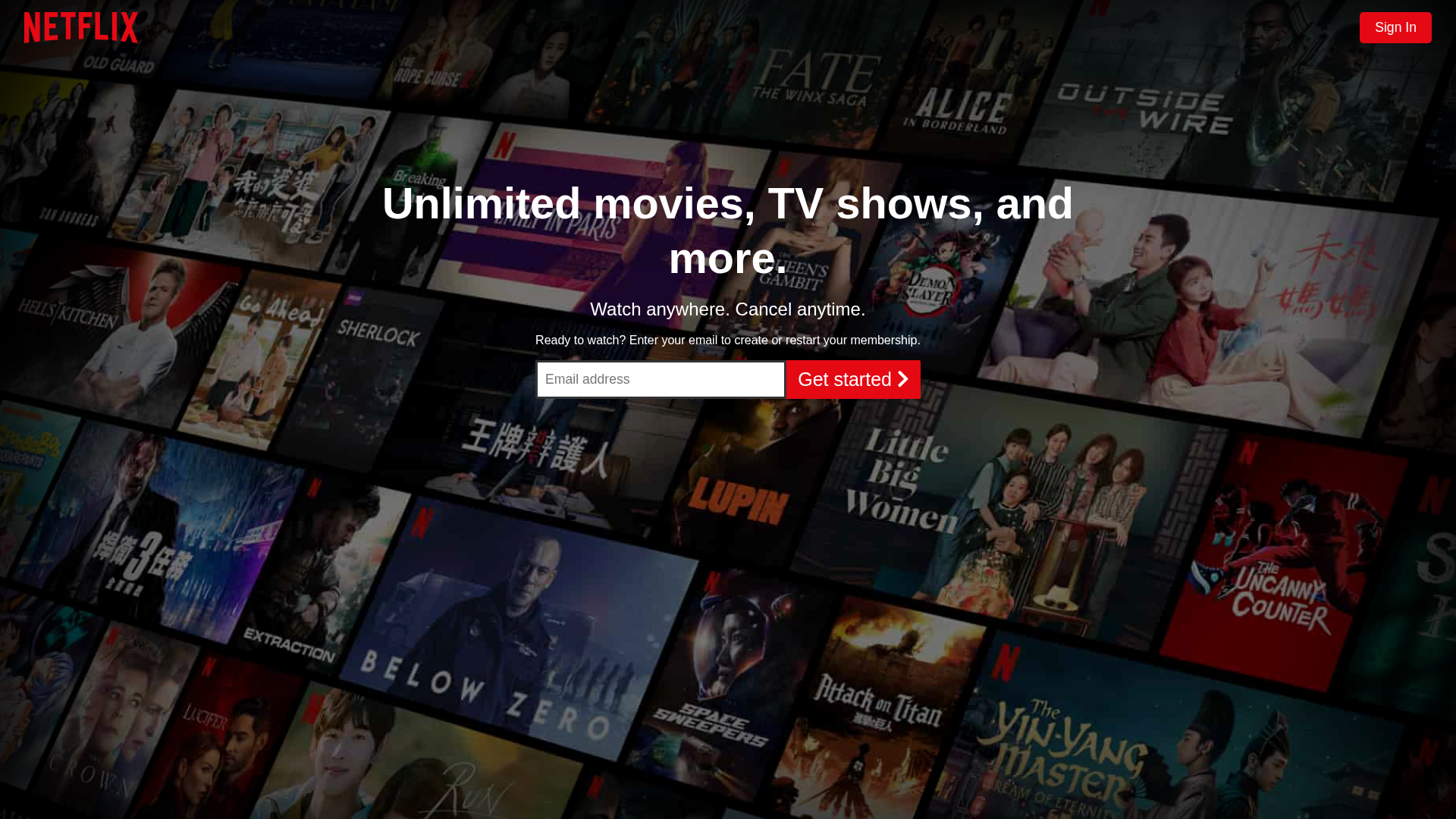
Netflix
https://krish88-dev.github.io/netflix-clone/
Mar 17, 2026
Netflix
http://sweet-maamoul-5cc4d1.netlify.app/
Mar 01, 2026
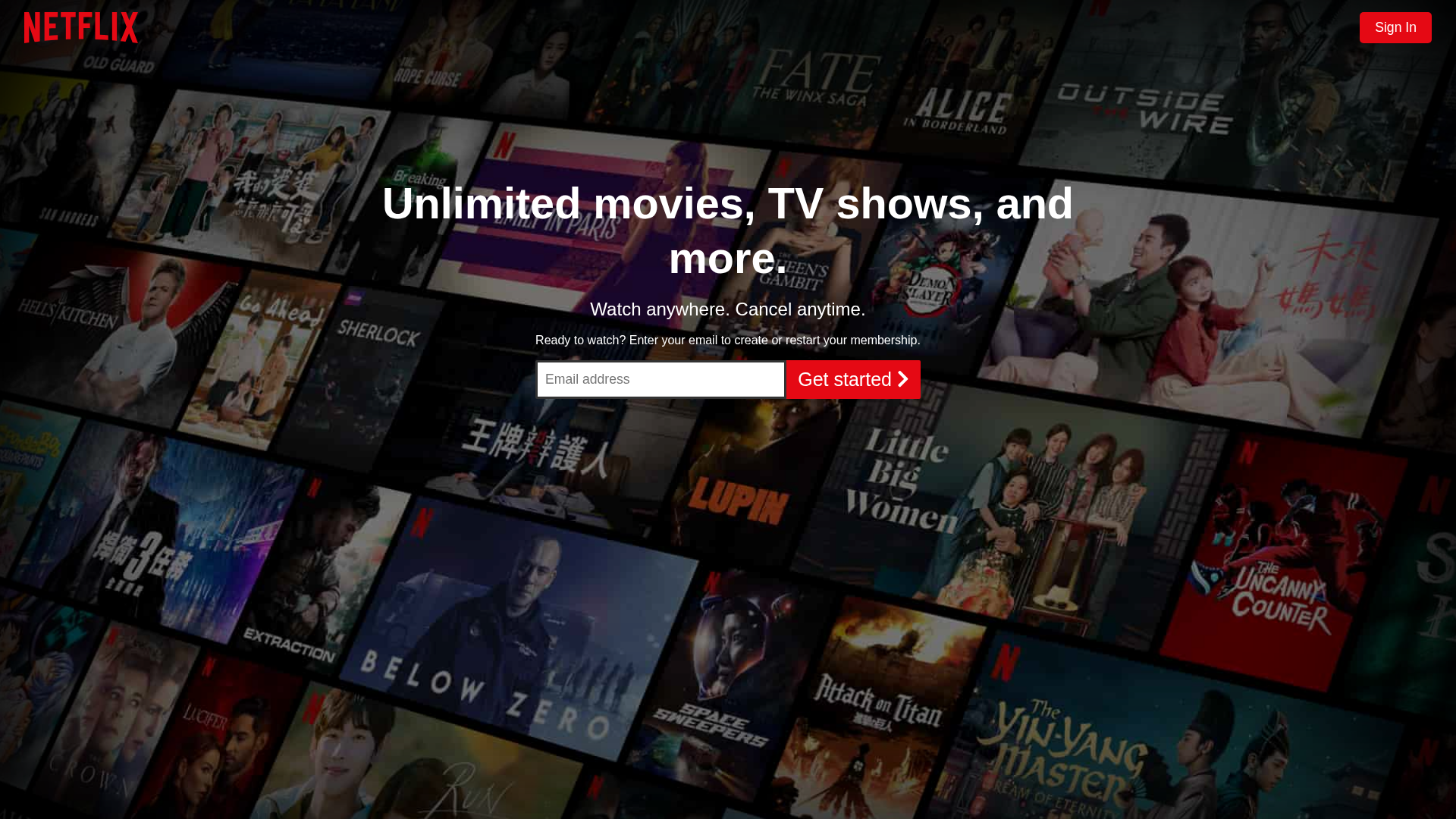
Netflix
http://krish88-dev.github.io/netflix-clone
Feb 19, 2026

"Nunca pensé que me pasaría a mí"
Esto dicen las 2.3 millones de víctimas cada año. No esperes a ser una estadística.