
Phishing Analysis
Detailed analysis of captured phishing page
Captura Visual
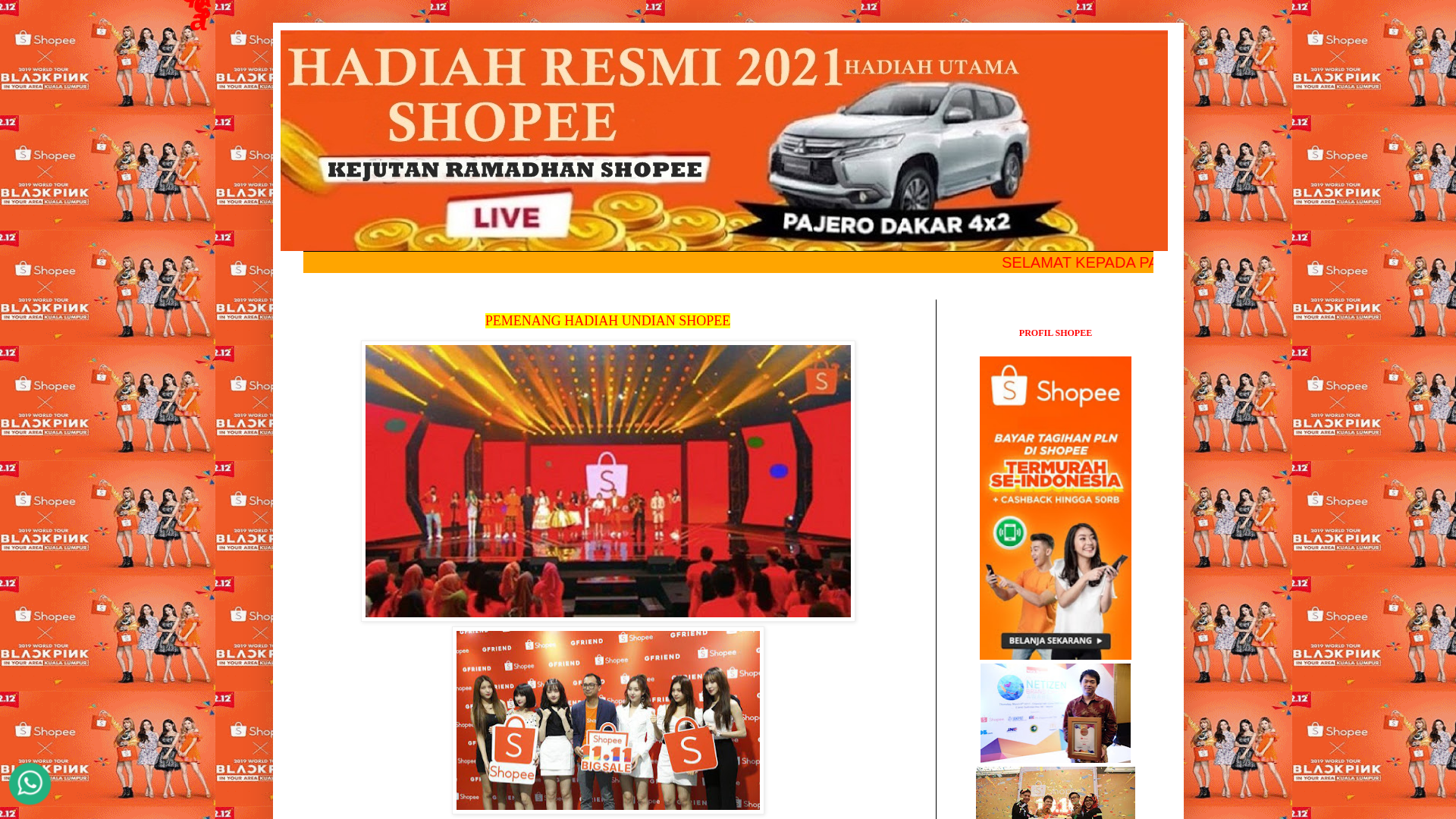
Información de Detección
https://program-resmi27.blogspot.com/
Detected Brand
Shopee
Country
Unknown
Confianza
100%
HTTP Status
200
Report ID
d2fc80e1-eb4…
Analyzed
2026-05-21 10:10
Hashes de Contenido (Similitud HTML)
Used to detect similar phishing pages based on HTML content
| Algorithm | Hash Value |
|---|---|
|
CONTENT
TLSH
|
T13493FD72A27F1822515FB2D4A2A08B192683DB89C3438BF6627D52F67FCD8757D1318C |
|
CONTENT
ssdeep
|
1536:Bo6OmHD7DLqjDTiDJye6umeeefkDI7tRTUfDxDV60D5G6DtgyCJGoVa4/7lfldLO:z/LqXTM3+I7I1tTBoVa4/7PdL0BEyA/E |
Hashes Visuales (Similitud de Captura)
Used to detect visually similar phishing pages based on screenshots
| Algorithm | Hash Value |
|---|---|
|
VISUAL
pHash
|
936ccd3893d3c4cc |
|
VISUAL
aHash
|
00007e6e46466e6e |
|
VISUAL
dHash
|
da2ae4c88888d8d8 |
|
VISUAL
wHash
|
38207e6e46467e6e |
|
VISUAL
colorHash
|
02200038000 |
|
VISUAL
cropResistant
|
da2ae4c88888d8d8,4459b47811171b23,97c46931f1e1a0ac,4b433198d8d08c4d |
Análisis de Código
Risk Score
82/100
Nivel de Amenaza
ALTO
⚠️ Phishing Confirmed
🎣 Credential Harvester
🎣 OTP Stealer
🎣 Banking
🎣 Personal Info
🔒 Obfuscation Detected
- eval
- fromCharCode
- hex_escape
- unicode_escape
🎯 Kit Endpoints
- https://program-resmi27.blogspot.com/feeds/posts/default
- https://www.blogger.com
- https://program-resmi27.blogspot.com/
- https://www.blogger.com/profile/03944094708251013565
- https://api.whatsapp.com/send?phone=62831-2228-1827&text=Silakan%20konfirmasikan%0ANama%20lengkap%20%20%3B%0APin%20pemenang%20%20%3B%0ANomor%2Fhp.%20%20%20%20%20%20%20%20%3B
- https://www.blogger.com/feeds/2429975625078591273/posts/default
- https://blogger.googleusercontent.com/img/b/R29vZ2xl/AVvXsEhl01NrrUbGC8VlXct3-5bIZId3cVEc01cKxTmq3LvpztNL0mi_giX4-VinT8YIe5rrH5aEdkWbl7JIslVDPS_k8CJuSBLsod9YWgkmc6sJN4R7L1D44JC5Q_x2IvYQQSMy4fXCzTFH_iRq/
- https://api.whatsapp.com/send?phone=6283122281827&text=Silakan%20konfirmasikan%0ANama%20lengkap%20%20%3B%0APin%20pemenang%20%20%3B%0ANomor%2Fhp.%20%20%20%20%20%20%20%20%3B
- https://program-resmi27.blogspot.com/feeds/posts/default?alt=rss
- https://www.blogger.com/dyn-css/authorization.css?targetBlogID=2429975625078591273&zx=21cf6f17-c360-4ed7-99e6-e3b929ca0e07
- https://api.whatsapp.com/send?phone=62831-2228-1827text=Silakan%20konfirmasikan%0ANama%20lengkap%20%20%3B%0APin%20pemenang%20%20%3B%0ANomor%2Fhp.%20%20%20%20%20%20%20%20%3B
- https://www.blogger.com/blog/post/edit/4234534092398195229/6521295612859932174#
📡 API Calls Detected
- post
📊 Desglose de Puntuación de Riesgo
Total Risk Score
100/100
Contributing Factors
Active Phishing Kit
Detected kit types: Credential Harvester, OTP Stealer, Banking, Personal Info
Code Obfuscation
JavaScript code obfuscated using 20 technique(s) to evade detection
🔬 Análisis Integral de Amenazas
Tipo de Amenaza
Banking Credential Harvester
Objetivo
Shopee users
Método de Ataque
obfuscated JavaScript
Canal de Exfiltración
Form submission (backend endpoint not detected - likely JavaScript-based)
Evaluación de Riesgo
CRITICAL - Automated credential harvesting with Form submission (backend endpoint not detected - likely JavaScript-based)
⚠️ Indicators of Compromise
- Kit types: Credential Harvester, OTP Stealer, Banking, Personal Info
- 20 obfuscation techniques
🏢 Análisis de Suplantación de Marca
Impersonated Brand
Shopee
Official Website
N/A
Fake Service
Banking/payment service
⚔️ Metodología de Ataque
Primary Method: Credential Harvesting
Victim enters username and password into fake login form. Credentials are captured via JavaScript and exfiltrated to attacker's server in real-time.
Secondary Method: JavaScript Obfuscation
Malicious code is obfuscated using 20 techniques to evade detection by security scanners and make reverse engineering more difficult.
🌐 Indicadores de Compromiso de Infraestructura
Domain Information
Dominio
program-resmi27.blogspot.com
Registered
Unknown
Registrar
None
Estado
Age unknown
Hosting Information
Provider
Unknown
ASN
🤖 AI-Extracted Threat Intelligence
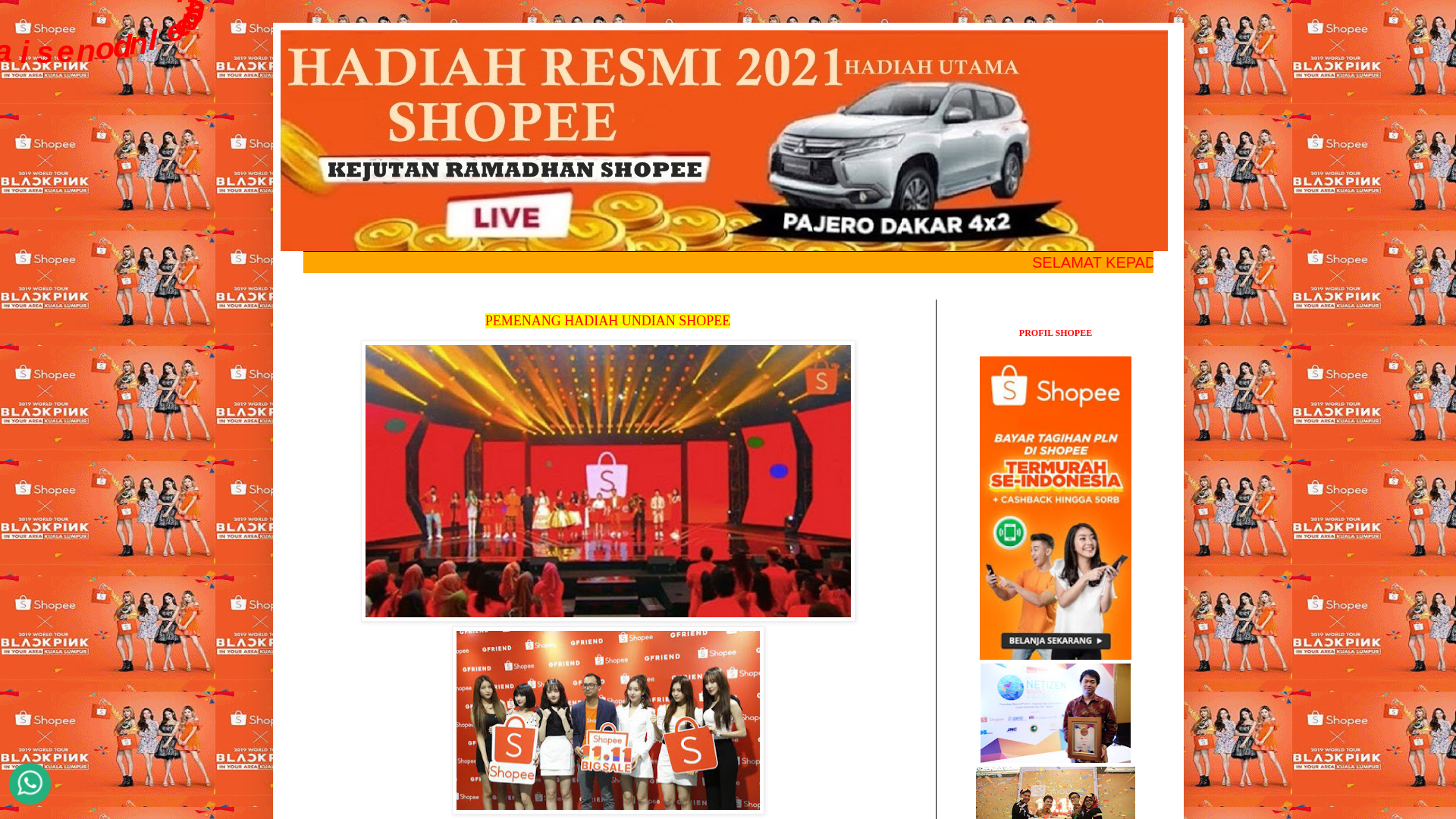
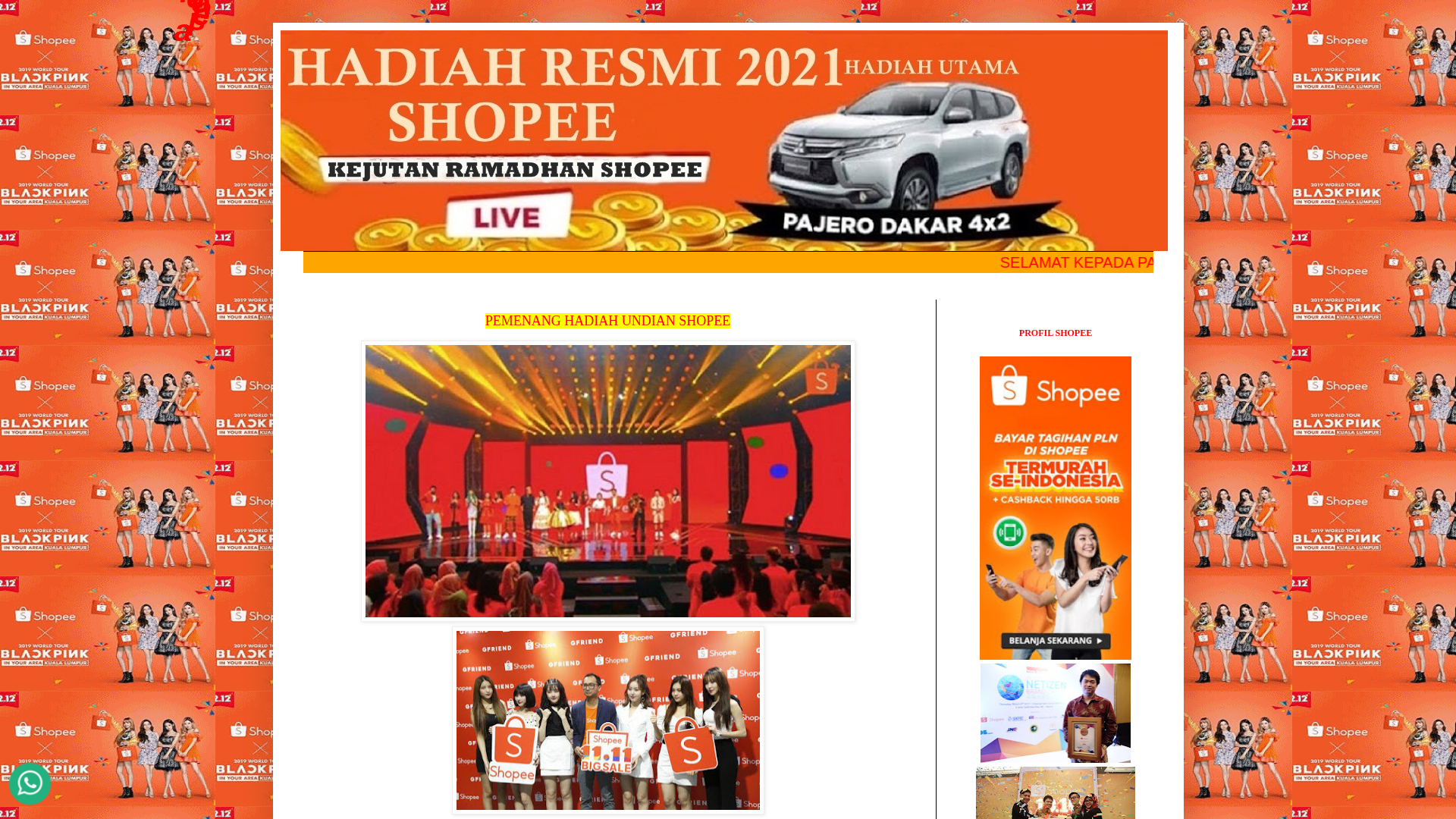
Similar Websites
Pages with identical visual appearance (based on perceptual hash)

"Nunca pensé que me pasaría a mí"
Esto dicen las 2.3 millones de víctimas cada año. No esperes a ser una estadística.