
Phishing Analysis
Detailed analysis of captured phishing page
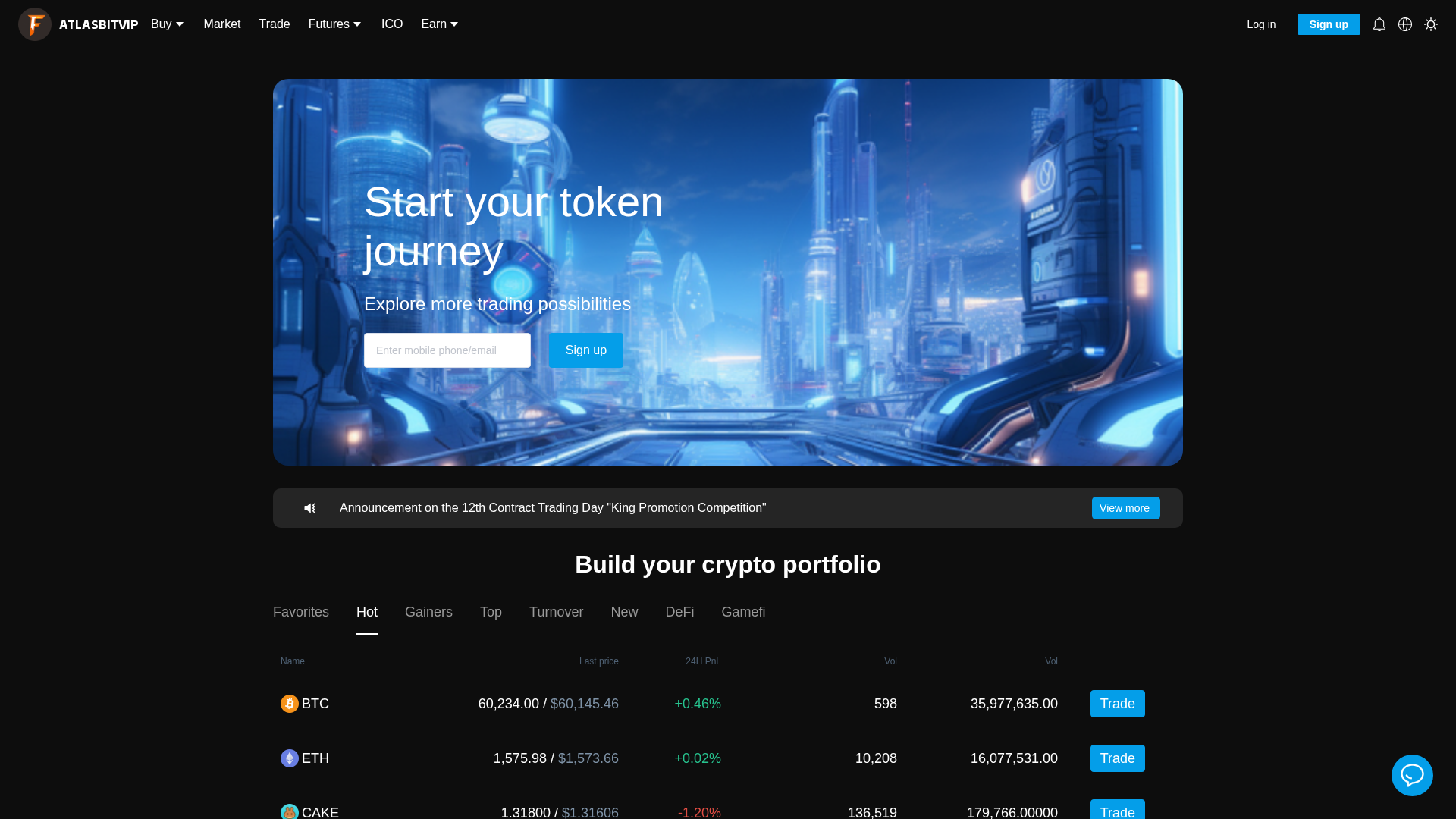
Captura Visual
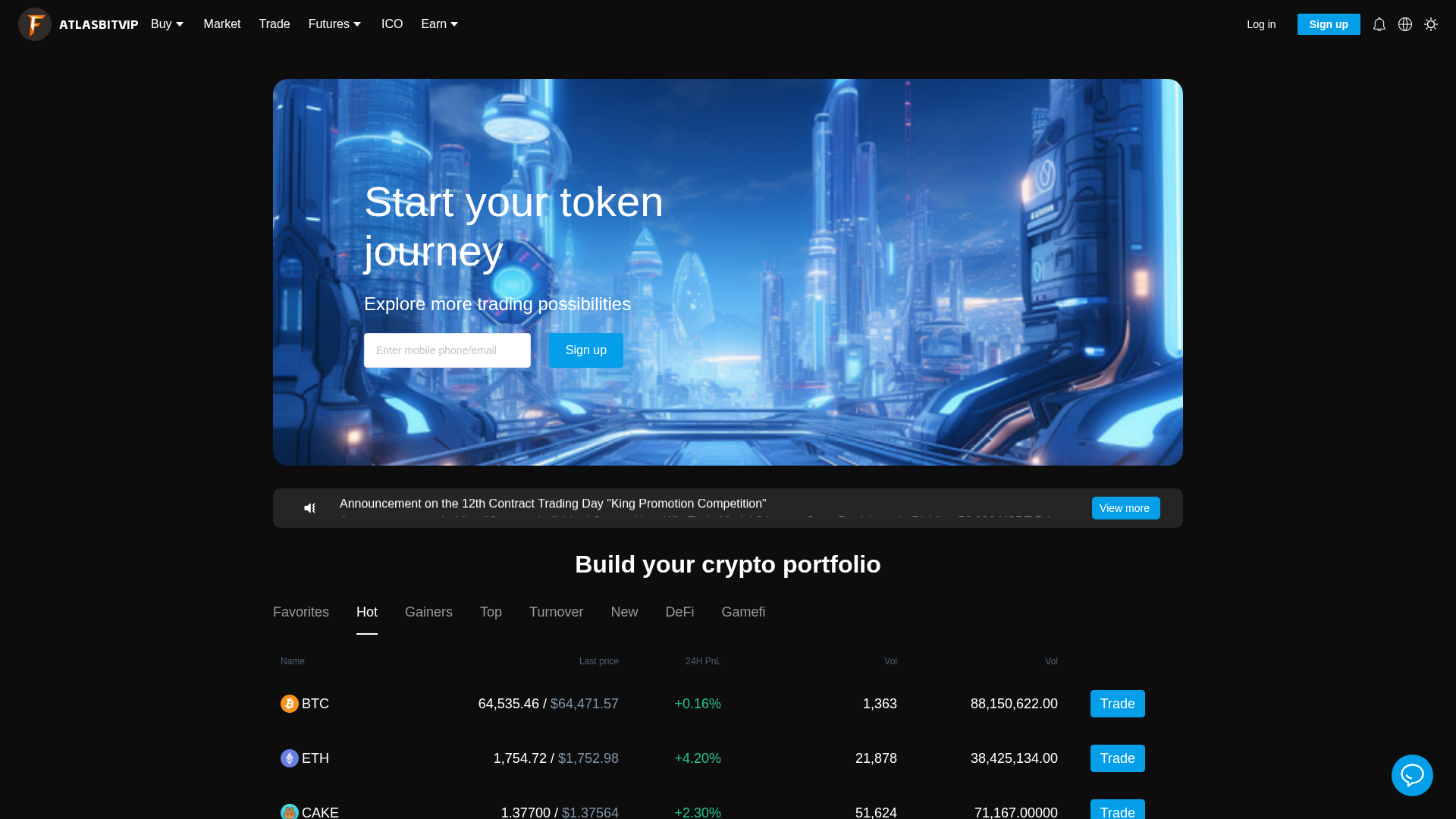
Información de Detección
https://atlasbitvip.com/
Detected Brand
AtlasBitVIP
Country
Unknown
Confianza
100%
HTTP Status
200
Report ID
dc57a67a-9fd…
Analyzed
2026-06-17 23:50
Final URL (after redirects)
https://web.atlasbitvip.com/#/
Hashes de Contenido (Similitud HTML)
Used to detect similar phishing pages based on HTML content
| Algorithm | Hash Value |
|---|---|
|
CONTENT
TLSH
|
T19EF28A60611425A743B794C0B4627F4E72A3E31BC70789613AFCE1591FDBEA0FA264E9 |
|
CONTENT
ssdeep
|
768:ERGaPqVSZ67bMKxcT5BmlAg4lGpI6ZgF50WOis/uNvI+Rw72ZS79W7Wv77u7U175:ERGaiaKxcT/mlAg4lGpI6ZgF50WOis/h |
Hashes Visuales (Similitud de Captura)
Used to detect visually similar phishing pages based on screenshots
| Algorithm | Hash Value |
|---|---|
|
VISUAL
pHash
|
c7c73278acd93834 |
|
VISUAL
aHash
|
007e3e3e3e000000 |
|
VISUAL
dHash
|
cccce8f0f4f0a4ac |
|
VISUAL
wHash
|
7c7e7e7e7e180002 |
|
VISUAL
colorHash
|
380020001c0 |
|
VISUAL
cropResistant
|
d55dc5a4f191f070,7f7fffbf3fcfcf7f,cccce8f0f4f0a4ac |
Análisis de Código
Risk Score
100/100
Nivel de Amenaza
ALTO
⚠️ Phishing Confirmed
🎣 Credential Harvester
🎣 OTP Stealer
🎣 Card Stealer
🎣 Banking
🎣 Personal Info
🔒 Obfuscation Detected
- atob
- eval
- fromCharCode
- unescape
- document.write
- unicode_escape
- base64_strings
🎯 Kit Endpoints
- data:image/png;base64,iVBORw0KGgoAAAANSUhEUgAAAGQAAABkCAYAAABw4pVUAAAACXBIWXMAABYlAAAWJQFJUiTwAAAAAXNSR0IArs4c6QAAAARnQU1BAACxjwv8YQUAAATkSURBVHgB7Z3tcdtIDIahm/t/KkEl5DqQO/BVIKeC5CoQU4HdgZIK4lRAd6B0sEoFSQdvFkMqYmSKXCxBClTwzKzN0QeA3ZfYL9Im0QgAWMeyiyWg4nssn2NZkTMtsdG36GZLzkUWpEjd2EXCRw+x3C0WiwP9AZz1DMfjZV1+O1YTRCBGkyKK8oFmQKwfN9g9nRr0H3rdoK2NPDkJ3VQXYS5jS4zzHqdxcRRoKBgmRpNZjC0xzlUse4wEDQF6YhwpMZ9sKTAClAv0xTjCU+T3NANinA9Q7sIoB8jE4PTOOZt2mEG2oOrCApQgKZCLsay/t84IPMTyQDMgxvkEBaROtwLbv8RofH+ZGfgO88gW7sK+YwASZ1uB3VditAQeICNgBtmCqifIJtXJVmCzU4yGTe57P0LODkazJca1wdgZghHEOLOfmy1rMgSUZp19Tt4JbInFaPjJzZbHXJ9aoBoXSyjR5WgjsJMtxpnP3GxZ0RWA8pSXueRoI7ARNBukrmQJOZNuvUA+XiR99pKjVAJGOjuj3feQD5ABE2QLZOMF14EzPymbzh1tkE4Yu/LI7xJGyRbIx4sQyxtJfZrONpA5WtFEIG/rJUC/Kw0C//s2/312jh/aIJ2AKwyiuGK2oLoOIuk+eca4zKnL8c1UAq68KENetuxz44Z8fVEk2m0Vhd8okUYAbKyQkZctom19VOPFZ6H9exLQVo8F/0j47oEUb0qoheXgpWuXrzGG54adIv6SdkkvsbztqksdX0mn6+d9HCizfV75Qn/fGKA7OD5iGKEZD5S39SEfL0oMXBSjkSl9XVaALTGacS0bdlW29SEfL55ICdSi8MEbtJ8RT1DcJ4Js8pBC0eLjAZnZAtl4wahfZsbx5EDVWCzADtUsZk3KoOoKNNlf8JO7UZkKn7xrmjuozkJNQoK/AF0CRp5p/kU3SpzxfIy/7mL5RDrw7O7fsW9/vVlBGG68WB7i4Vuqpqa5fIh2/ovlB43M3/QHwNkSu5qXePhI1fonFRbg/zrbLoJq8vMuFt5IlE6E2MeXPh/qYOIxpCOO1G39gMZObYe93D22c3bnhreZhgMSbjyAEUEajdh1f27y3hfk0+UuiqNRjZuHAzoqAUOCnMW0P6sDT/uTuh3or61Czuq0i7Kn8poMFqQRG6/0xYtgDLwHqw2eZYl2KHvgAFc0M3j2NMUMKgUWpHfgErIiJ5ubXofMERfEGC6IMVwQY7ggxnBBjOGCGONmBUF1abpEPrwBOfmfO9zk9jtOt9YMaUz+Ll8354XzHU3ErWYI36uldWbzdtCaJuJWBZntdtCtCnLVP3Mbgs+yjOGCGMMFMYYLYgwXxBguiDFcEGO4IMZwQYzhghjDBTGGC2IMF8QYLogxXBBjuCDGcEGM4YIYwwUxhgtiDBfEGC6IMVwQY7ggxnBBjOGCGMMFMYYLYgwXxBguiDFcEGO4IMZwQYzhghjDBTGGC2IMF8QYLogxXBBjuCDGcEGM4YIYwwUxhgtiDBfEGHMWxMS/BteGBTmQLgfh67l8o+ujfVL8YEG0ntHEPF96RlN8/YV0RXnueO8L6fLS9mKs01cao06Y4PkhtZ9Lz0yUUvT40XrqDfM0UZ0Cmu2H1w83kRhKfgglTs8ZlFaCP1/iwiNTFf0061UIfJXIg+P71X4/AStAshGT7Aj5AAAAAElFTkSuQmCC
📡 API Calls Detected
- image/svg+xml
- post
- https://api.polygon.io/v3/reference/tickers?apiKey=
📊 Desglose de Puntuación de Riesgo
Total Risk Score
100/100
Contributing Factors
Active Phishing Kit
Detected kit types: Credential Harvester, OTP Stealer, Card Stealer, Banking, Personal Info
Credential Harvesting
Credential harvesting detected with 2 form(s) capturing sensitive data
Code Obfuscation
JavaScript code obfuscated using 172 technique(s) to evade detection
🔬 Análisis Integral de Amenazas
Tipo de Amenaza
Banking Credential Harvester
Objetivo
AtlasBitVIP users
Método de Ataque
credential harvesting forms + obfuscated JavaScript
Canal de Exfiltración
Form submission (backend endpoint not detected - likely JavaScript-based)
Evaluación de Riesgo
CRITICAL - Automated credential harvesting with Form submission (backend endpoint not detected - likely JavaScript-based)
⚠️ Indicators of Compromise
- Kit types: Credential Harvester, OTP Stealer, Card Stealer, Banking, Personal Info
- 172 obfuscation techniques
🏢 Análisis de Suplantación de Marca
Impersonated Brand
AtlasBitVIP
Official Website
N/A
Fake Service
Banking/payment service
⚔️ Metodología de Ataque
Primary Method: Credential Harvesting
Victim enters username and password into fake login form. Credentials are captured via JavaScript and exfiltrated to attacker's server in real-time.
Secondary Method: JavaScript Obfuscation
Malicious code is obfuscated using 172 techniques to evade detection by security scanners and make reverse engineering more difficult.
🌐 Indicadores de Compromiso de Infraestructura
Domain Information
Dominio
atlasbitvip.com
Registered
2025-12-04 03:51:38+00:00
Registrar
Gname.com Pte. Ltd.
Estado
Active (195 days old)
Hosting Information
Provider
Gname.com Pte. Ltd.
ASN
🤖 AI-Extracted Threat Intelligence
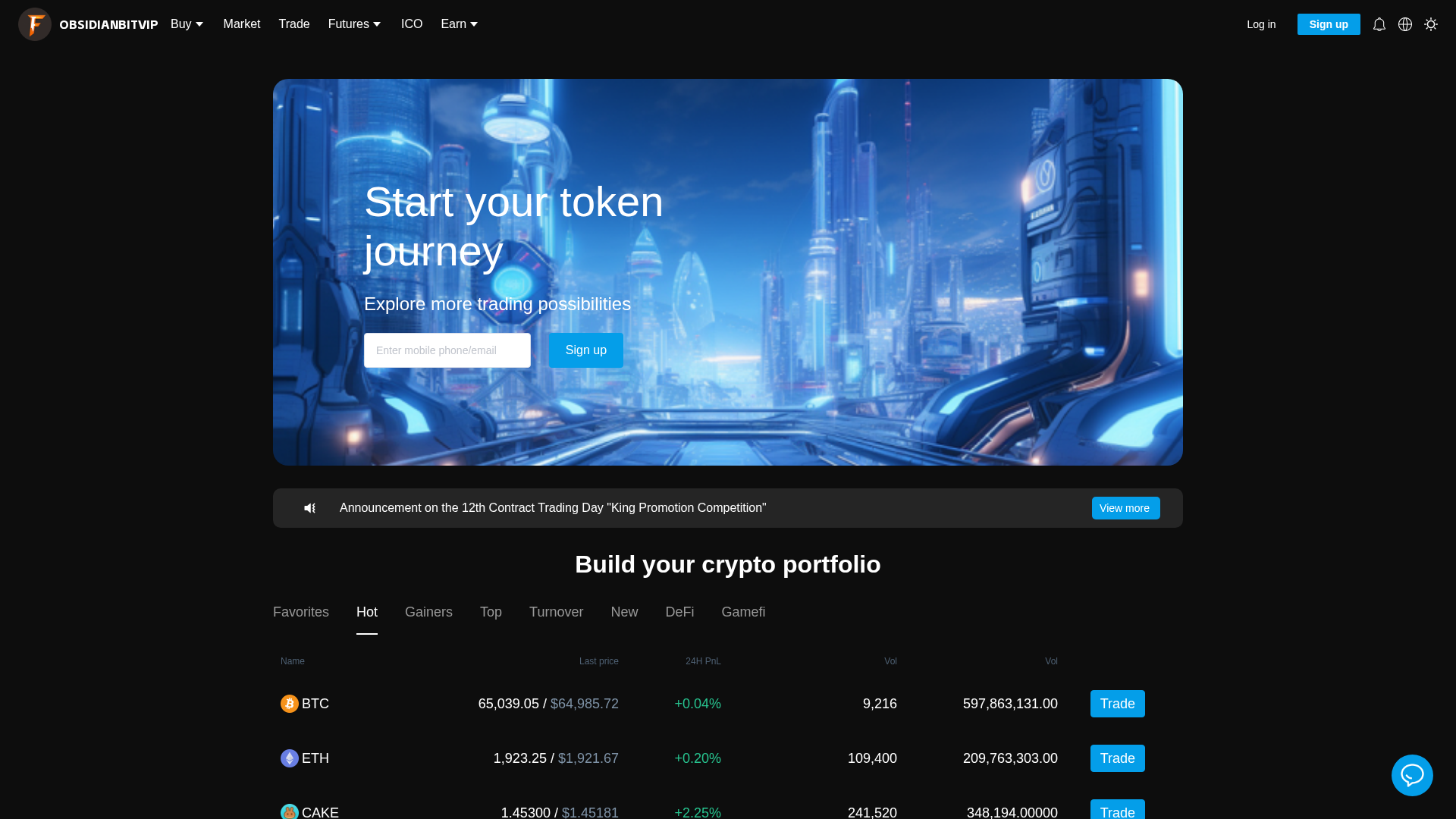
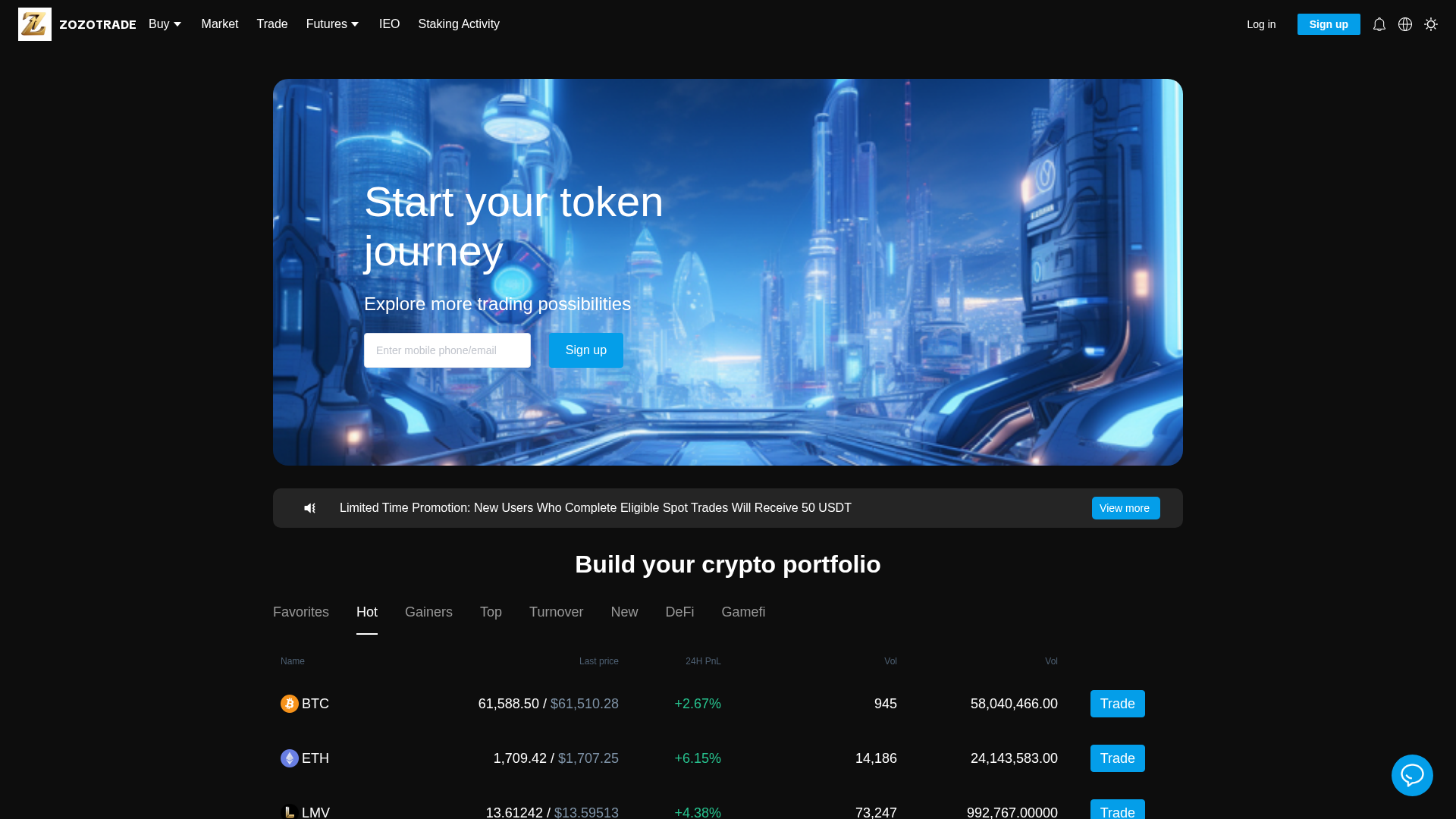
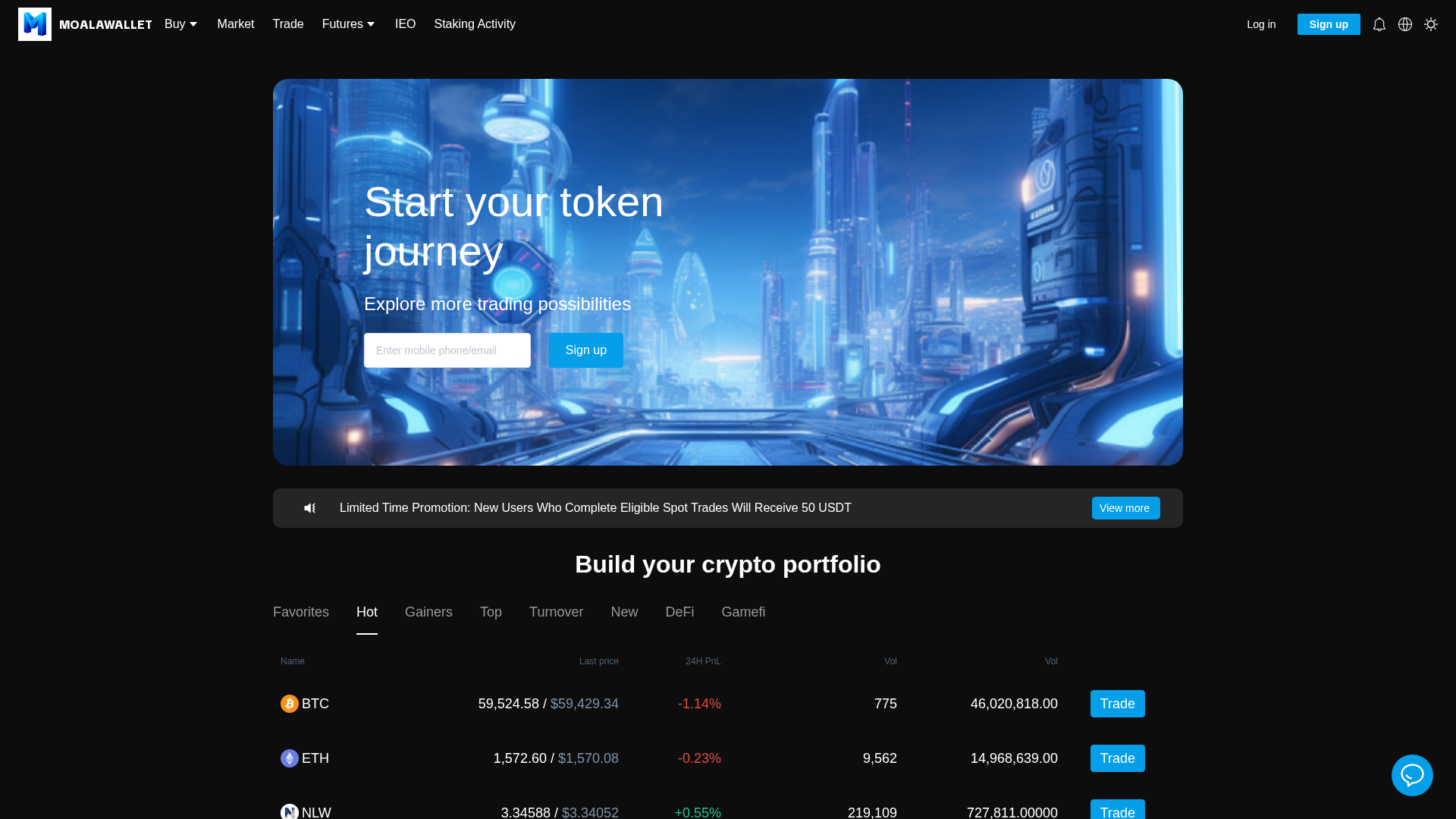
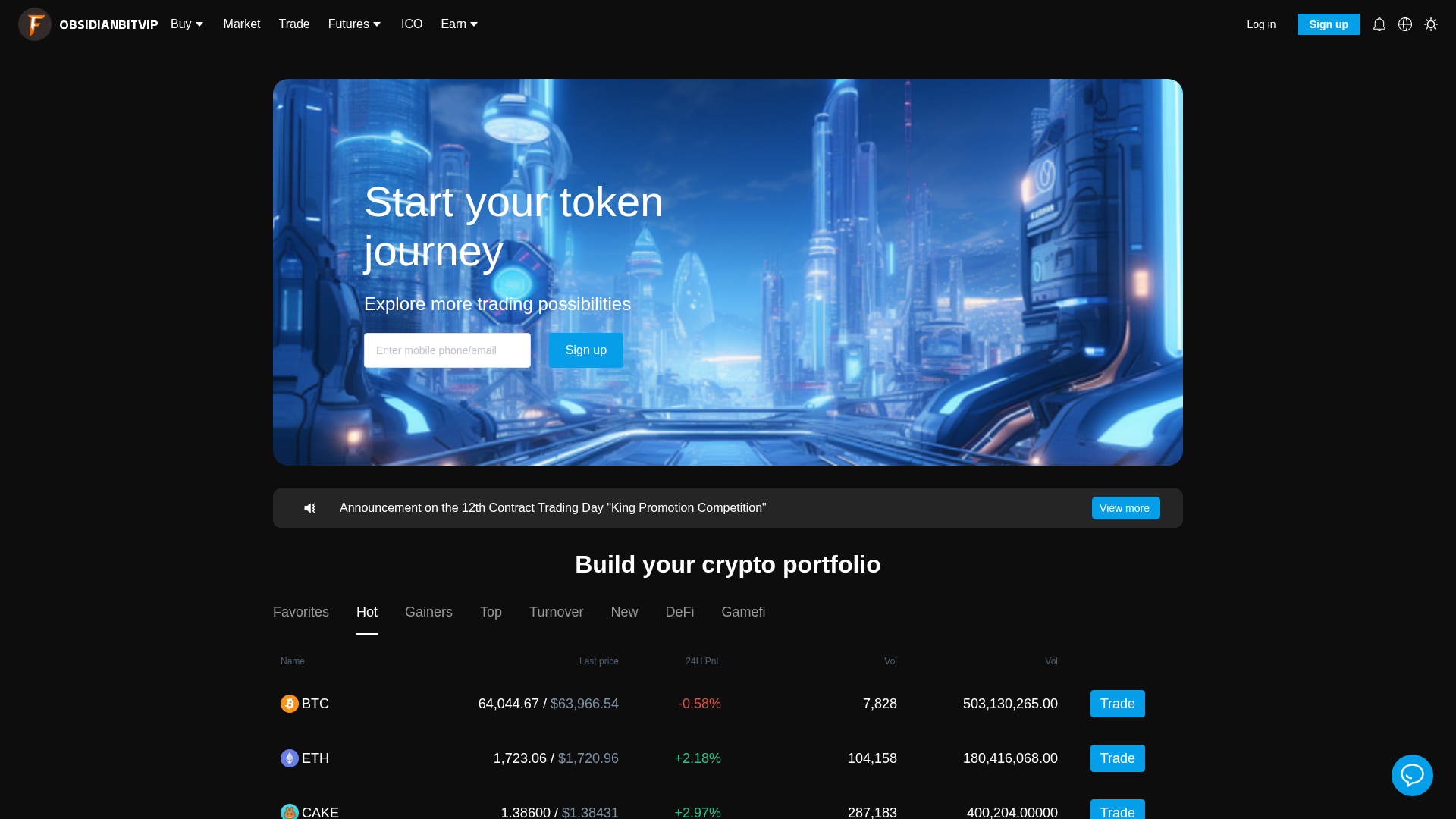
Similar Websites
Pages with identical visual appearance (based on perceptual hash)

"Nunca pensé que me pasaría a mí"
Esto dicen las 2.3 millones de víctimas cada año. No esperes a ser una estadística.