
Phishing Analysis
Detailed analysis of captured phishing page
Captura Visual
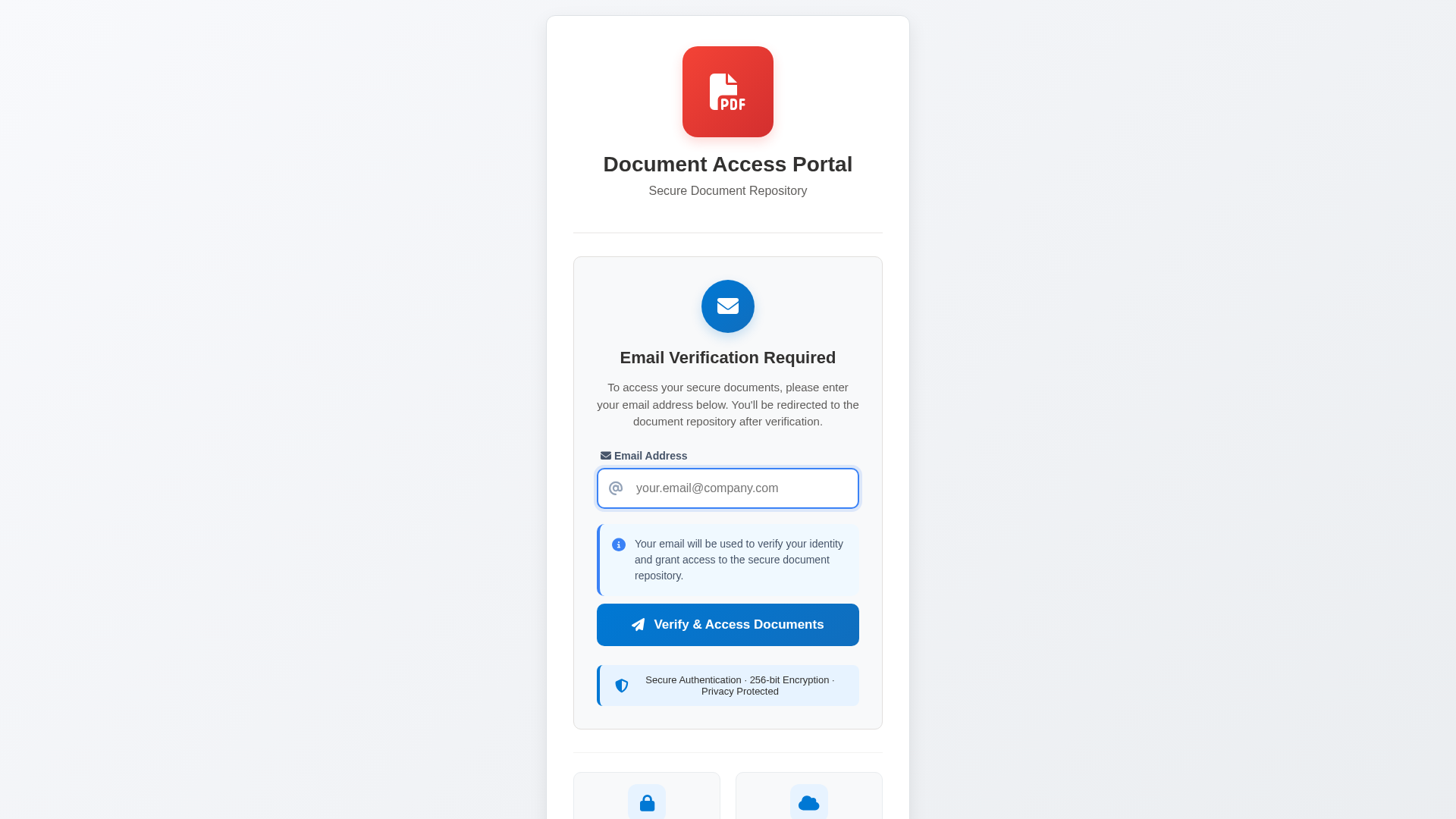
No screenshot available
Información de Detección
https://sharemore.z13.web.core.windows.net/sharemore.html
Detected Brand
Unknown
Country
International
Confianza
95%
HTTP Status
200
Report ID
e4afa124-e34…
Analyzed
2026-02-28 01:00
Hashes de Contenido (Similitud HTML)
Used to detect similar phishing pages based on HTML content
| Algorithm | Hash Value |
|---|---|
|
CONTENT
TLSH
|
T1CF61CC39A101A9B351CBD2E1BBF0975F7B9282C5EE53274253E4C36D4BD5D98CD04171 |
|
CONTENT
ssdeep
|
96:TVo9ALGMcUvE3yAuNgii2gQygWvg5J/R9TO:y9d+vJAuKiilQBWY5BRM |
Hashes Visuales (Similitud de Captura)
Used to detect visually similar phishing pages based on screenshots
| Algorithm | Hash Value |
|---|---|
|
VISUAL
pHash
|
f3866633cc66c899 |
|
VISUAL
aHash
|
e7e4fce4fce4e4f8 |
|
VISUAL
dHash
|
28282808184c4c30 |
|
VISUAL
wHash
|
e6e4f8e0e8e0e0f8 |
|
VISUAL
colorHash
|
070000101c0 |
|
VISUAL
cropResistant
|
28282808184c4c30 |
Análisis de Código
Risk Score
59/100
Nivel de Amenaza
ALTO
⚠️ Phishing Confirmed
🎣 Personal Info
🔬 Threat Analysis Report
• Amenaza: Phishing
• Objetivo: Usuarios de un repositorio de documentos
• Método: Solicita la dirección de correo electrónico para acceder.
• Exfil: Javascript Ofuscado, probablemente a un servidor backend
• Indicadores: Formularios detectados, envío de formularios JavaScript, marca genérica, solicita información confidencial.
• Riesgo: ALTO
🔒 Obfuscation Detected
- fromCharCode
- unescape
- base64_strings
📊 Desglose de Puntuación de Riesgo
Total Risk Score
90/100
Contributing Factors
Active Phishing Kit
Presence of a login form requesting an email address with a generic design, obfuscated code and on a suspicious domain.
Generic Branding
Uses a generic PDF icon and text with no specific brand context.
🔬 Análisis Integral de Amenazas
Tipo de Amenaza
Phishing Kit (Personal Info)
Objetivo
General public
Método de Ataque
Brand impersonation + credential harvesting forms + obfuscated JavaScript
Canal de Exfiltración
Form submission (backend endpoint not detected - likely JavaScript-based)
Evaluación de Riesgo
MEDIUM - Automated credential harvesting with Form submission (backend endpoint not detected - likely JavaScript-based)
⚠️ Indicators of Compromise
- Kit types: Personal Info
- 3 obfuscation techniques
🏢 Análisis de Suplantación de Marca
Impersonated Brand
Document Access Portal
Fake Service
Document Access
⚔️ Metodología de Ataque
Primary Method: Credential Harvesting
The site uses a form to collect the victim's email address. This information is then likely used for further attacks like password resets, account takeover, or spam campaigns.
Secondary Method: JavaScript Obfuscation
Malicious JavaScript code obfuscation hides the true intent and capabilities of scripts to make it harder to detect and analyze
🌐 Indicadores de Compromiso de Infraestructura
Domain Information
Dominio
sharemore.z13.web.core.windows.net
Registered
None
Registrar
None
Estado
None
🤖 AI-Extracted Threat Intelligence
Similar Websites
Pages with identical visual appearance (based on perceptual hash)

"Nunca pensé que me pasaría a mí"
Esto dicen las 2.3 millones de víctimas cada año. No esperes a ser una estadística.