
Phishing Analysis
Detailed analysis of captured phishing page
Captura Visual
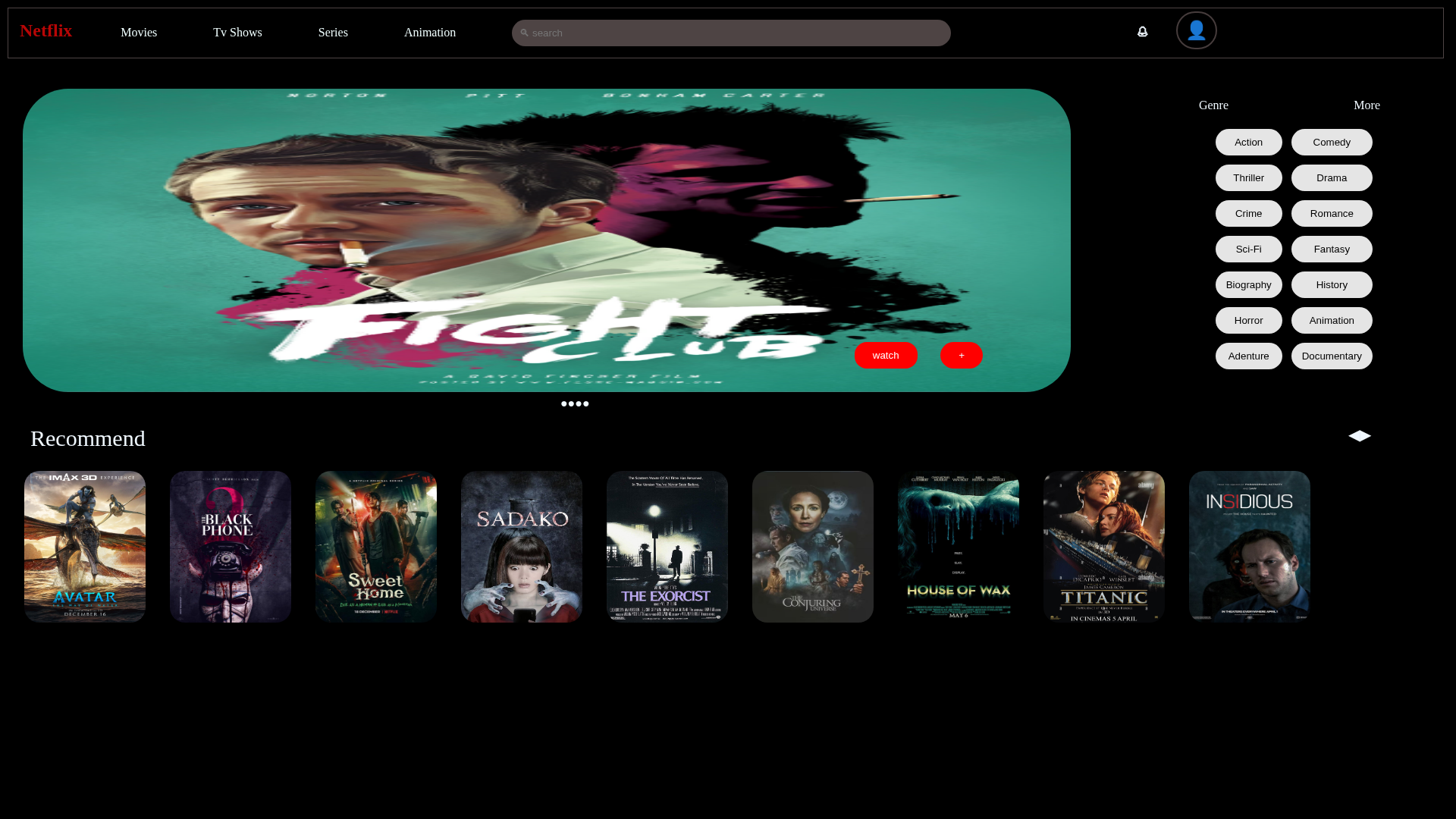
Información de Detección
http://veerasudar.github.io/netflixclone
Detected Brand
Netflix
Country
Unknown
Confianza
100%
HTTP Status
200
Report ID
f649eb2b-b7f…
Analyzed
2026-06-21 10:16
Final URL (after redirects)
https://veerasudar.github.io/netflixclone/
Hashes de Contenido (Similitud HTML)
Used to detect similar phishing pages based on HTML content
| Algorithm | Hash Value |
|---|---|
|
CONTENT
TLSH
|
T1CE31D4F0004D6F176B4172D5AA235355359192C0CB9E3F0485EBA3FE6AC6D1ECD6E253 |
|
CONTENT
ssdeep
|
48:TI8MovcTWis9F4zyF4DFKFTl72FlF2C8FNFJCFgd2oY:THSzIBV2T |
Hashes Visuales (Similitud de Captura)
Used to detect visually similar phishing pages based on screenshots
| Algorithm | Hash Value |
|---|---|
|
VISUAL
pHash
|
cfc2323d0dcccc36 |
|
VISUAL
aHash
|
00edfffd00b80000 |
|
VISUAL
dHash
|
f089abe35862a000 |
|
VISUAL
wHash
|
18ffffff80f80000 |
|
VISUAL
colorHash
|
39218000400 |
|
VISUAL
cropResistant
|
7030327060c0e478,ccfc8989c4dc8e8e,59997cf8aca83337,f089abe35862a000 |
Análisis de Código
Nivel de Amenaza
ALTO
⚠️ Phishing Confirmed
📊 Desglose de Puntuación de Riesgo
Total Risk Score
40/100
🔬 Análisis Integral de Amenazas
Tipo de Amenaza
Netflix Phishing Landing Page
Objetivo
Netflix users
Método de Ataque
Phishing webpage
Canal de Exfiltración
Form submission (backend endpoint not detected - likely JavaScript-based)
Evaluación de Riesgo
LOW - Automated credential harvesting with Form submission (backend endpoint not detected - likely JavaScript-based)
🏢 Análisis de Suplantación de Marca
Impersonated Brand
Netflix
Official Website
https://www.netflix.com
Fake Service
Credential harvesting service
⚔️ Metodología de Ataque
Primary Method: SEO Poisoning Landing Page
Fake Netflix page designed to appear in search results and trick users into visiting. May redirect to credential harvesting pages, malware downloads, or serve as a trust-building step before requesting sensitive information.
Secondary Method: Standard Phishing Techniques
Uses typical phishing tactics including brand impersonation, urgency tactics, and social engineering to trick victims into providing sensitive information.
🌐 Indicadores de Compromiso de Infraestructura
Domain Information
Dominio
veerasudar.github.io
Registered
Unknown
Registrar
Unknown
Estado
Hosting platform (subdomain)
Hosting Information
Provider
Unknown
ASN
🤖 AI-Extracted Threat Intelligence

"Nunca pensé que me pasaría a mí"
Esto dicen las 2.3 millones de víctimas cada año. No esperes a ser una estadística.