
Phishing Analysis
Detailed analysis of captured phishing page
Captura Visual
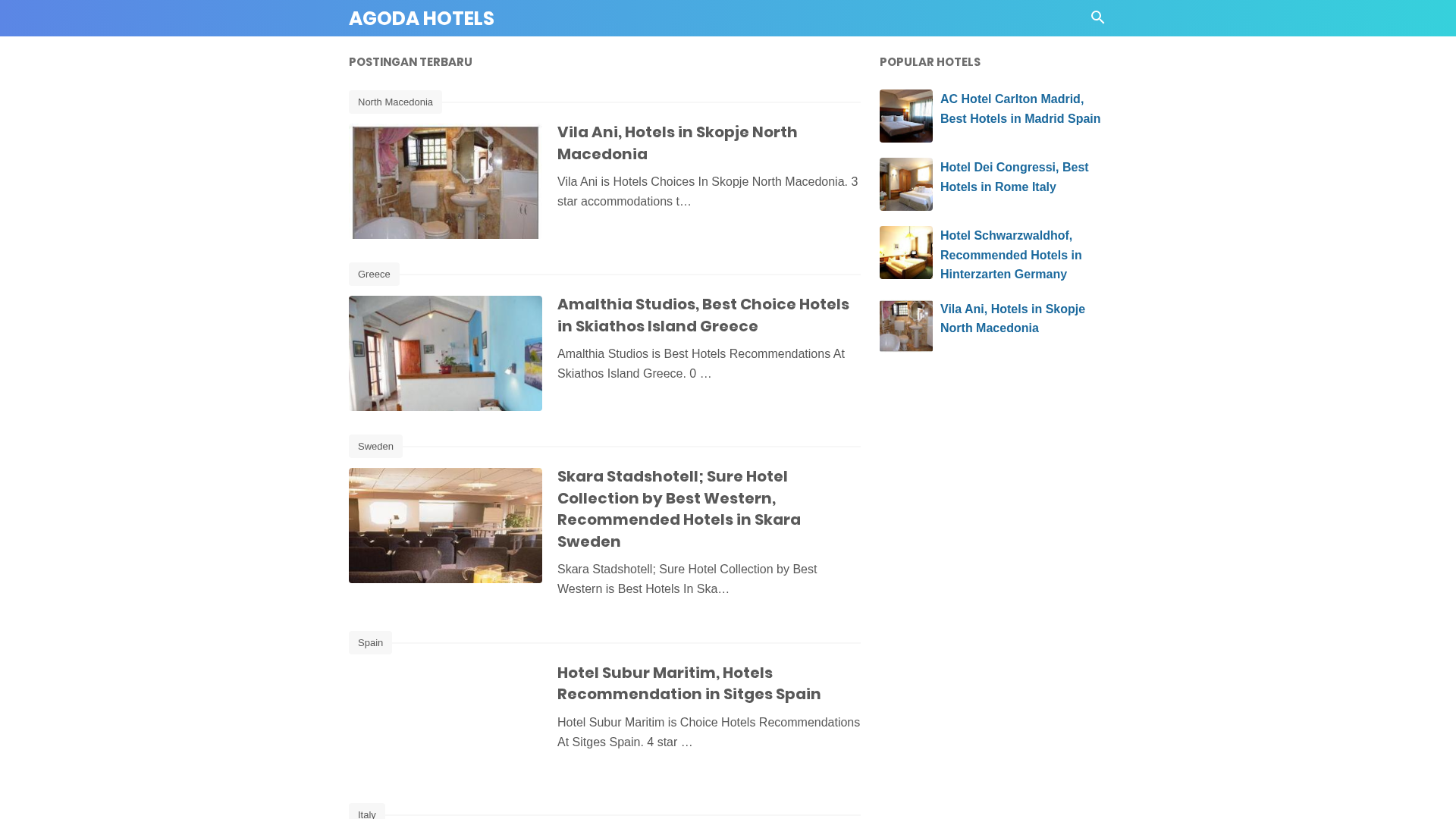
Informações de Detecção
https://agodahotels51.blogspot.com/
Detected Brand
Agoda
Country
Unknown
Confiança
100%
HTTP Status
200
Report ID
0d1d6a92-bd9…
Analyzed
2026-07-03 02:39
Hashes de Conteúdo (Similaridade HTML)
Used to detect similar phishing pages based on HTML content
| Algorithm | Hash Value |
|---|---|
|
CONTENT
TLSH
|
T1C78230F68BD55F3355A2C2C66FB06B5D7BA2824DC9868982D1FCD7584FC2FA2EC02015 |
|
CONTENT
ssdeep
|
384:Ko1Zz6gMpfe0i7nvLZvMGVPZedXM5ovyBsxyI3rWy0:f6gsfHi7nTZUG18d+ovyBsxyIa |
Hashes Visuais (Similaridade de Captura)
Used to detect visually similar phishing pages based on screenshots
| Algorithm | Hash Value |
|---|---|
|
VISUAL
pHash
|
bc6c471b47473c43 |
|
VISUAL
aHash
|
00d3d3c7cf8fefff |
|
VISUAL
dHash
|
c7363636383c0c0c |
|
VISUAL
wHash
|
0083c383c787e7ef |
|
VISUAL
colorHash
|
072020000c0 |
|
VISUAL
cropResistant
|
c7363636383c0c0c |
Análise de Código
Risk Score
85/100
Nível de Ameaça
ALTO
⚠️ Phishing Confirmed
🎣 Credential Harvester
🎣 OTP Stealer
🎣 Personal Info
🔐 Credential Harvesting Forms
🔒 Obfuscation Detected
- eval
- fromCharCode
- unescape
- document.write
- hex_escape
- unicode_escape
🎯 Kit Endpoints
- https://agodahotels51.blogspot.com/
- https://www.blogger.com/post-edit.g?blogID=8806908717559452919&postID=3212840298279176952&from=pencil
- https://agodahotels51.blogspot.com/search/label/Italy?&max-results=8
- https://agodahotels51.blogspot.com/search/label/Belgium?&max-results=8
- https://agodahotels51.blogspot.com/search/label/Hungary?&max-results=8
- https://lh3.googleusercontent.com/blogger_img_proxy/AEn0k_scvAUrkkvHmaXQqh6TDBg_EoBxg58mGRsaD4dLAZOZK_IzRevEh3gjynCRxGv-grvQv407YHRl7i5vJF14S8IT0DUFoByHCGvM8t3D1g1mVtKqxK_nqYglHrKH3PiMsVg48h6M64udSmDKw6bcWpFBpc3SxuzbVg=w72-h72-p-k-no-nu
- https://lh3.googleusercontent.com/blogger_img_proxy/AEn0k_sV8c6VflzBo_J8kpdjz7_i2oDZ2POJjjPmdii6em1rynPK0A_rkSpTp8DJWeocDgwJ_nRav1I3k_ogV8Tb9rABJkVeTNwT_VG2OQoAhxGFDrGlRAE0thHCZ3qEeXctxedFyB41zQZc-x8aKveGfyfc3fWlLxM=w72-h72-p-k-no-nu
- https://www.blogger.com/feeds/8806908717559452919/posts/summary?start-index=2&max-results=1
- https://agodahotels51.blogspot.com/2020/03/vila-ani-hotels-in-skopje-north.html#comment-form
- https://agodahotels51.blogspot.com/2020/03/vila-ani-hotels-in-skopje-north.html
- https://agodahotels51.blogspot.com/2020/01/hotel-dei-congressi-best-hotels-in-rome.html
- https://agodahotels51.blogspot.com/search/label/North%20Macedonia?&max-results=8
- https://agodahotels51.blogspot.com/2019/06/ac-hotel-carlton-madrid-best-hotels-in.html
- https://www.blogger.com/dyn-css/authorization.css?targetBlogID=8806908717559452919&zx=7fe31c9f-5779-49fe-b0c3-4a2cd5b2bd56
- https://www.blogger.com/post-edit.g?blogID=8806908717559452919&postID=1372532862983853171&from=pencil
- https://lh3.googleusercontent.com/blogger_img_proxy/AEn0k_sC8PwB46ivL3dtBCDCqlvyWMCvucmbWJtspojHGis34t2pB3xMBObQnB9k_JjOkIekgYsmJl6OzLVhpIJbVhLXr8C7dCWRyTPTYUgMnTc9sL8C_xItltN6bvOr8wmn-8fd3JZsDtKxpVguE8vN1wSHJrM4b0nM=w72-h72-p-k-no-nu
- https://www.blogger.com/feeds/8806908717559452919/posts/default
- https://agodahotels51.blogspot.com/feeds/1970033959339022776/comments/default
- https://agodahotels51.blogspot.com/2020/03/skara-stadshotell-sure-hotel-collection.html
- https://agodahotels51.blogspot.com/search/label/Sweden?&max-results=8
- https://www.blogger.com/navbar/8806908717559452919?origin=https://agodahotels51.blogspot.com&usegapi=1&jsh=m%3B%2F_%2Fscs%2Fabc-static%2F_%2Fjs%2Fk%3Dgapi.lb.en.ch0Jz-JlMrQ.O%2Fd%3D1%2Frs%3DAHpOoo_YD4KoV8fTh_kLhktsiThAm3yJ5A%2Fm%3D__features__#id=navbar-iframe&_gfid=navbar-iframe&parent=https%3A%2F%2Fagodahotels51.blogspot.com&pfname=&rpctoken=20661425
- https://agodahotels51.blogspot.com/search/label/Spain?&max-results=8
- https://www.blogger.com/post-edit.g?blogID=8806908717559452919&postID=3815359799861628420&from=pencil
- https://agodahotels51.blogspot.com/2019/02/hotel-schwarzwaldhof-recommended-hotels.html
- https://agodahotels51.blogspot.com/2020/03/hotel-holiday-hotels-in-siofok-hungary.html
- https://agodahotels51.blogspot.com/2020/03/hotel-villa-pagoda-best-hotels-in.html
- https://agodahotels51.blogspot.com/2020/03/hotel-torenhof-recommended-hotels-in.html
- https://www.blogger.com/profile/14450056742629367474
- https://www.blogger.com/post-edit.g?blogID=8806908717559452919&postID=1970033959339022776&from=pencil
- https://agodahotels51.blogspot.com/feeds/posts/default
- https://lh3.googleusercontent.com/blogger_img_proxy/AEn0k_tw4fo2KdQjrt_hEGNSffD2sUwIleWSXH51faarKsJG6XgjG9cwdcYH1UEAPzlefj0W833VHLXAr4oVLUqsvO9oIWeWo5pmemX-KUYeUwUEUN1IErQ6JeAPp4EwL4PKhmXGkOXMLNsx9Z9v_xwMK2me7BwqKM8=w72-h72-p-k-no-nu
- https://agodahotels51.blogspot.com/feeds/posts/summary
- /feeds/posts/summary?max-results=1&alt=json-in-script&callback=totalcountdata
- https://www.blogger.com/post-edit.g?blogID=8806908717559452919&postID=1291260866669974666&from=pencil
- https://www.blogger.com/feeds/8806908717559452919/posts/summary?max-results=1
- https://agodahotels51.blogspot.com/feeds/posts/default?alt=rss
- https://www.blogger.com/post-edit.g?blogID=8806908717559452919&postID=8520657151529036939&from=pencil
- https://agodahotels51.blogspot.com/2020/03/amalthia-studios-best-choice-hotels-in.html
- https://agodahotels51.blogspot.com/search/label/Greece?&max-results=8
- https://www.blogger.com/post-edit.g?blogID=8806908717559452919&postID=2738954046411259061&from=pencil
- https://agodahotels51.blogspot.com/2020/03/hotel-subur-maritim-hotels.html
- https://www.blogger.com/feeds/8806908717559452919/posts/default/1970033959339022776
📡 API Calls Detected
- post
📤 Form Action Targets
- /search
📊 Detalhamento da Pontuação de Risco
Total Risk Score
100/100
Contributing Factors
Active Phishing Kit
Detected kit types: Credential Harvester, OTP Stealer, Personal Info
Credential Harvesting
Credential harvesting detected with 3 form(s) capturing sensitive data
Code Obfuscation
JavaScript code obfuscated using 26 technique(s) to evade detection
🔬 Análise Integral de Ameaças
Tipo de Ameaça
Two-Factor Authentication Stealer
Alvo
Agoda users
Método de Ataque
credential harvesting forms + obfuscated JavaScript
Canal de Exfiltração
HTTP POST to backend
Avaliação de Risco
CRITICAL - Automated credential harvesting with HTTP POST to backend
⚠️ Indicators of Compromise
- Kit types: Credential Harvester, OTP Stealer, Personal Info
- 26 obfuscation techniques
🏢 Análise de Falsificação de Marca
Impersonated Brand
Agoda
Official Website
N/A
Fake Service
Credential harvesting service
⚔️ Metodologia de Ataque
Primary Method: Credential Harvesting
Victim enters username and password into fake login form. Credentials are captured via JavaScript and exfiltrated to attacker's server in real-time.
Secondary Method: JavaScript Obfuscation
Malicious code is obfuscated using 26 techniques to evade detection by security scanners and make reverse engineering more difficult.
🌐 Indicadores de Compromisso de Infraestrutura
Domain Information
Domínio
agodahotels51.blogspot.com
Registered
Unknown
Registrar
None
Estado
Age unknown
Hosting Information
Provider
Unknown
ASN
🤖 AI-Extracted Threat Intelligence

"Nunca pensei que aconteceria comigo"
Isso dizem os 2,3 milhões de vítimas a cada ano. Não espere para ser uma estatística.