
Phishing Analysis
Detailed analysis of captured phishing page
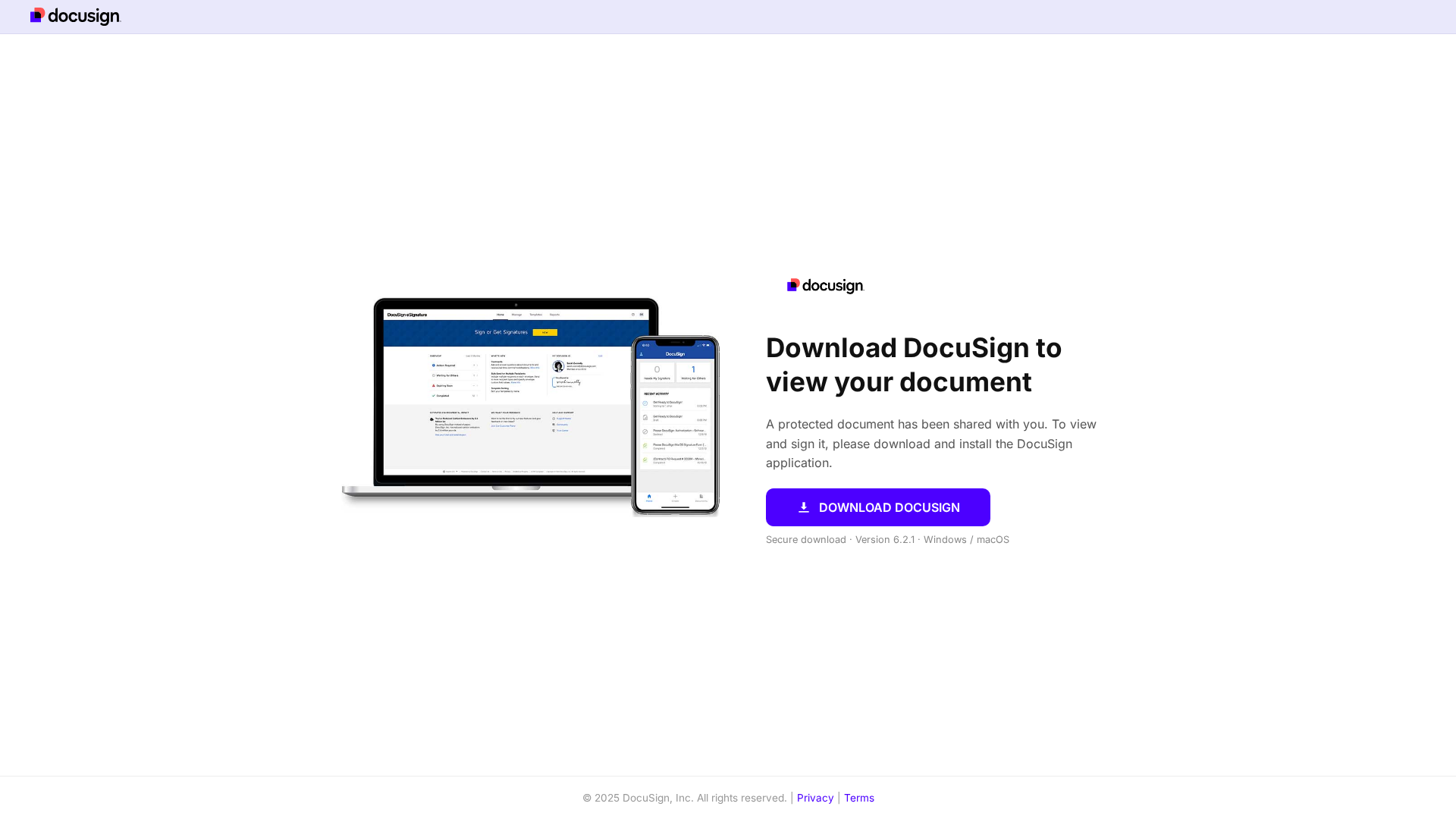
Captura Visual
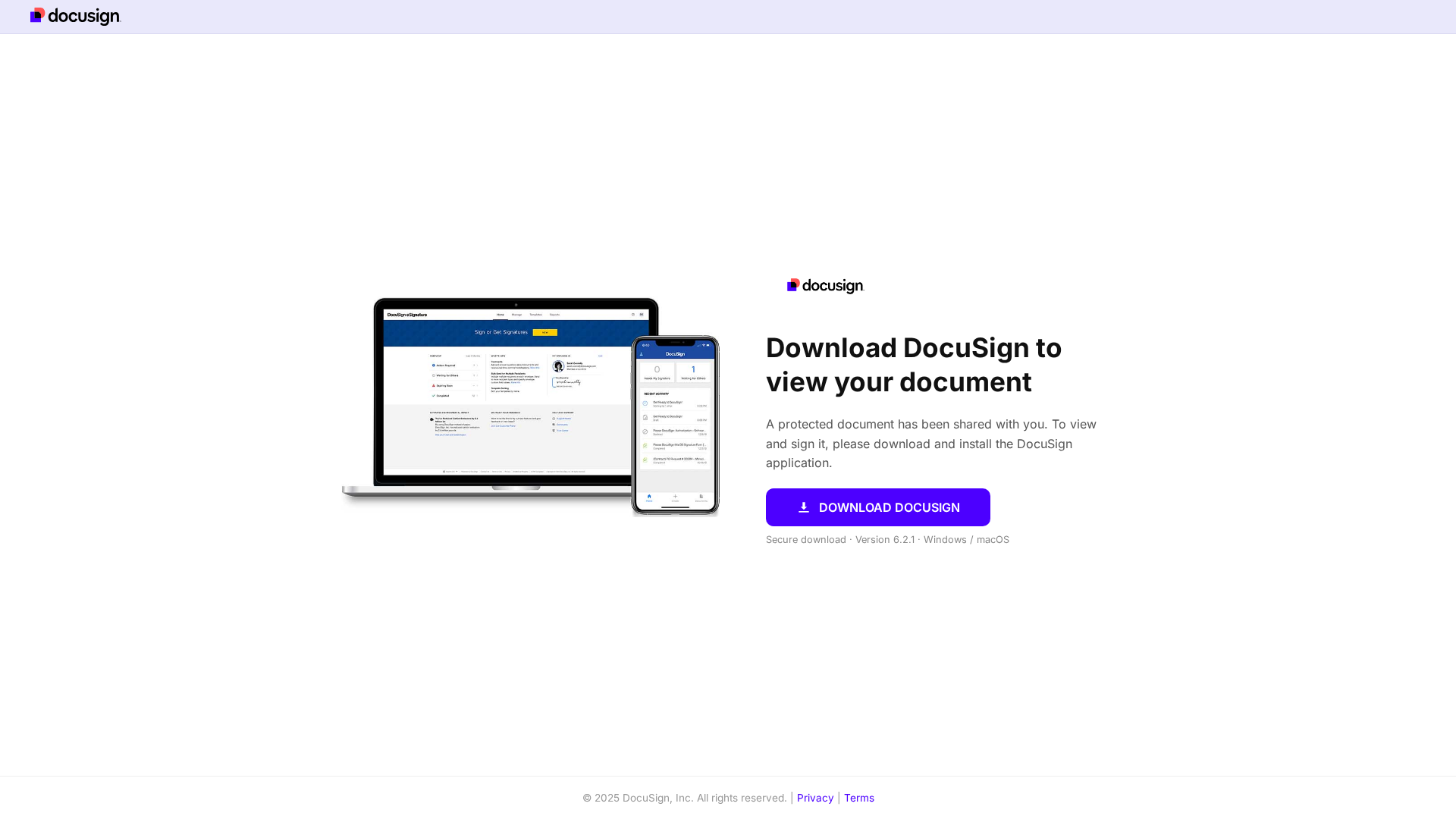
Informações de Detecção
https://datacompliancereview.com/
Detected Brand
DocuSign
Country
Unknown
Confiança
100%
HTTP Status
200
Report ID
1665b51b-d6b…
Analyzed
2026-06-06 10:20
Hashes de Conteúdo (Similaridade HTML)
Used to detect similar phishing pages based on HTML content
| Algorithm | Hash Value |
|---|---|
|
CONTENT
TLSH
|
T102A183138395837A0C0D839D65A438543056DC9AF4B0F9F8BABF0456F50DDE0A98DAEB |
|
CONTENT
ssdeep
|
96:nVc2qq+MM+EAvVamwNo4tsUXyznCAMpuWwoPHsZEbMm9EHA2P2ii:e2U+RvVa2JMp9HsZguAkw |
Hashes Visuais (Similaridade de Captura)
Used to detect visually similar phishing pages based on screenshots
| Algorithm | Hash Value |
|---|---|
|
VISUAL
pHash
|
bc19c7663c39344e |
|
VISUAL
aHash
|
7fffcfc3c3d3ffff |
|
VISUAL
dHash
|
90009c1e36060004 |
|
VISUAL
wHash
|
00ffc7c381e3ff00 |
|
VISUAL
colorHash
|
070000000d8 |
|
VISUAL
cropResistant
|
90009c1e36060004,6bcbd99bf3b78881 |
Análise de Código
Risk Score
38/100
Nível de Ameaça
ALTO
⚠️ Phishing Confirmed
Telegram Exfiltration
🔒 Obfuscation Detected
- unescape
📡 API Calls Detected
- https://mecocampingmunay.cl/ftx/notify.php
- https://api.ipify.org?format=json
- POST
🔑 Telegram Bot Tokens (1)
- 8274219888:AAHv...-Mw2WAi8
📊 Detalhamento da Pontuação de Risco
Total Risk Score
40/100
Contributing Factors
Telegram Exfiltration
Real-time data exfiltration via Telegram (1 bot token(s) exposed in client-side code)
Code Obfuscation
JavaScript code obfuscated using 2 technique(s) to evade detection
🔬 Análise Integral de Ameaças
Tipo de Ameaça
Data Exfiltration Campaign
Alvo
DocuSign users
Método de Ataque
obfuscated JavaScript
Canal de Exfiltração
Telegram Bot (8274219888:AAHv3JGiU...)
Avaliação de Risco
LOW - Automated credential harvesting with Telegram Bot (8274219888:AAHv3JGiU...)
⚠️ Indicators of Compromise
- 1 Telegram bot token(s)
- 2 obfuscation techniques
🏢 Análise de Falsificação de Marca
Impersonated Brand
DocuSign
Official Website
N/A
Fake Service
Credential harvesting service
⚔️ Metodologia de Ataque
Primary Method: SEO Poisoning Landing Page
Fake DocuSign page designed to appear in search results and trick users into visiting. May redirect to credential harvesting pages, malware downloads, or serve as a trust-building step before requesting sensitive information.
Secondary Method: JavaScript Obfuscation
Malicious code is obfuscated using 2 techniques to evade detection by security scanners and make reverse engineering more difficult.
📡 Infraestrutura de Comando e Controle Telegram
Bot Token (Masked)
8274219888:AAHv...-Mw2WAi8
Bot ID
8274219888
Group/Chat ID
Unknown
Operator Language
Unknown
💬 Message Templates (3)
| ID | Português | Inglês | Trigger |
|---|---|---|---|
🌐 Indicadores de Compromisso de Infraestrutura
Domain Information
Domínio
datacompliancereview.com
Registered
2026-06-04 23:25:31+00:00
Registrar
Squarespace Domains LLC
Estado
Recently registered (1 days old)
Hosting Information
Provider
Squarespace Domains LLC
ASN
🤖 AI-Extracted Threat Intelligence
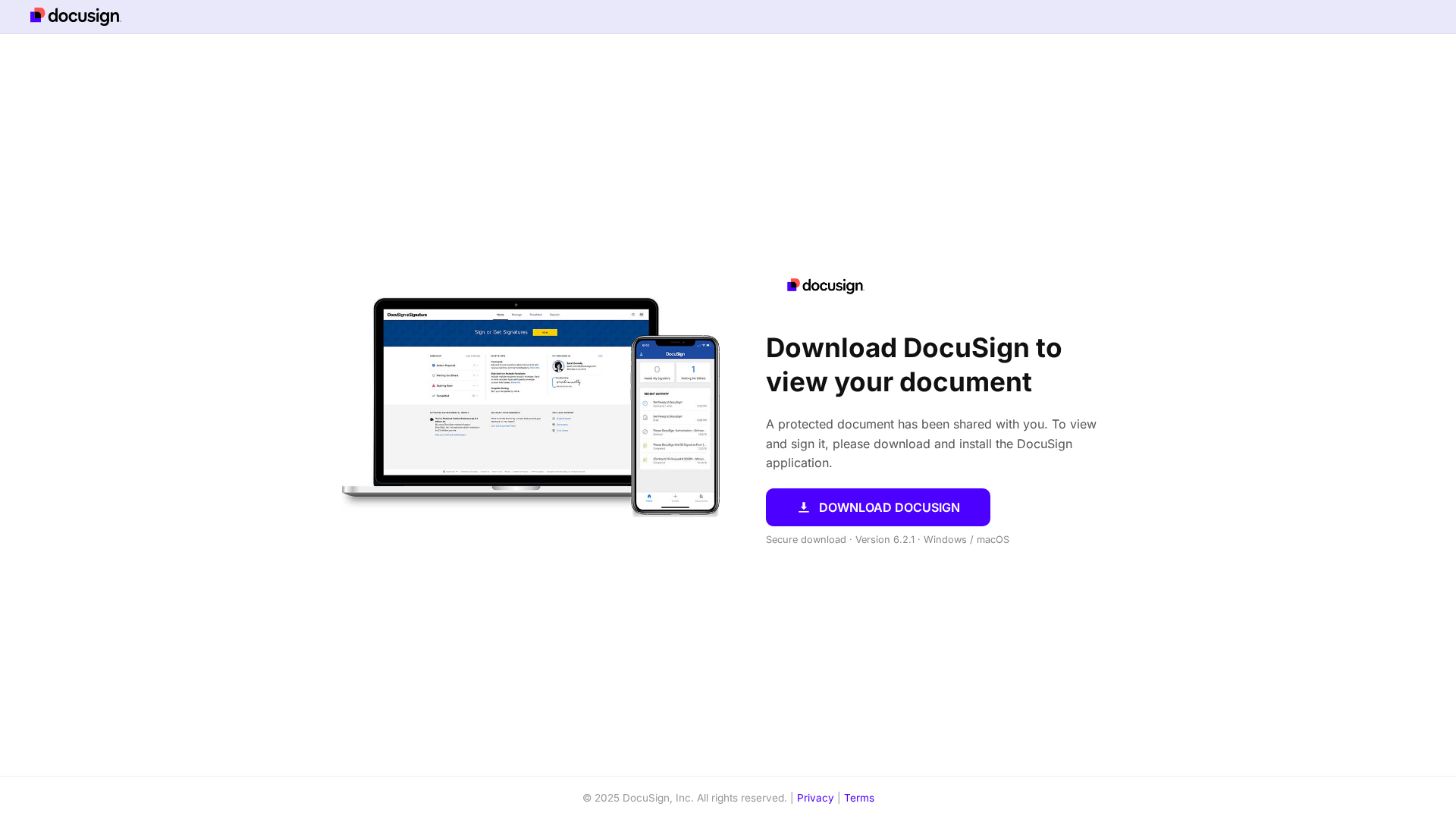
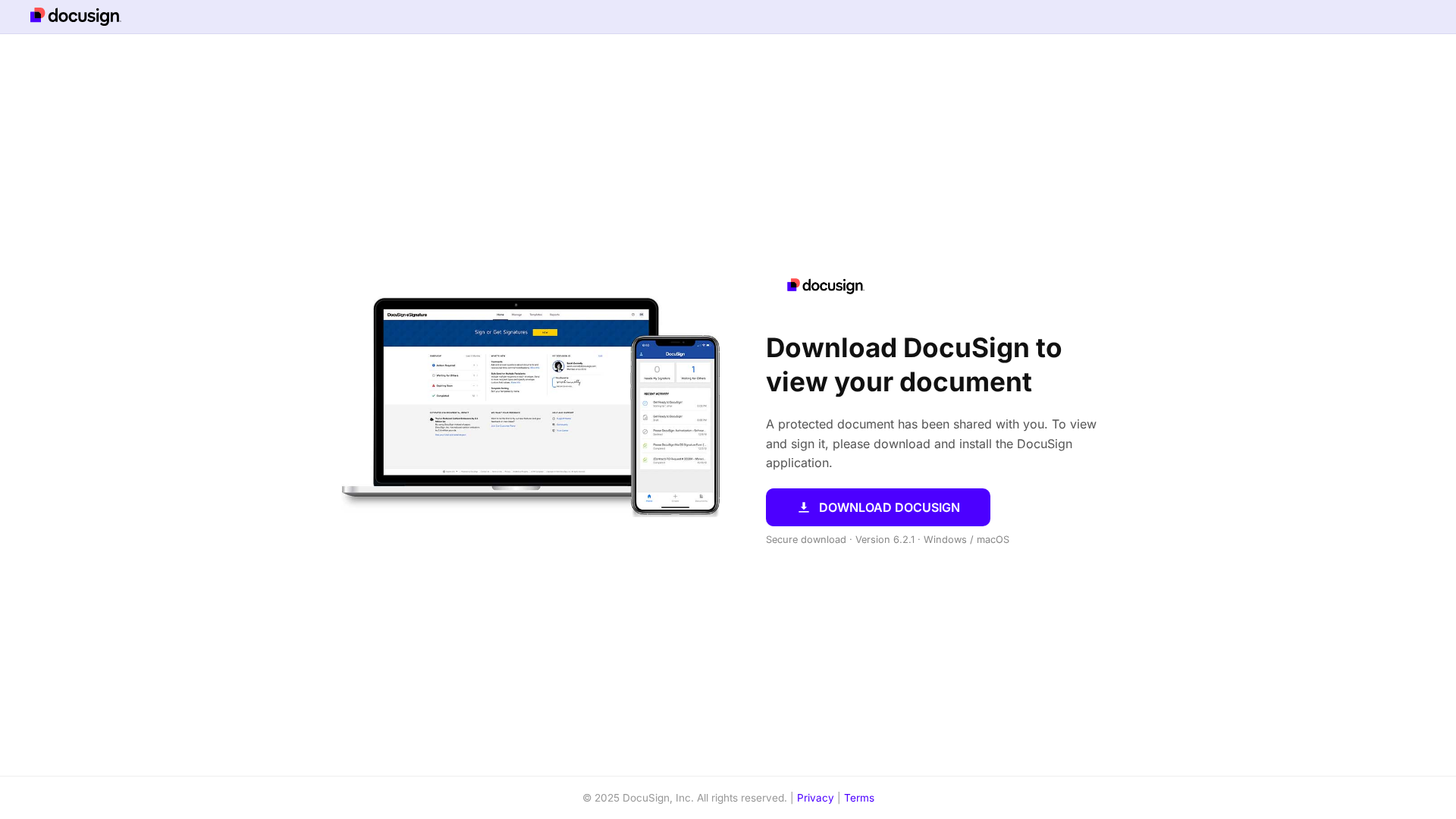
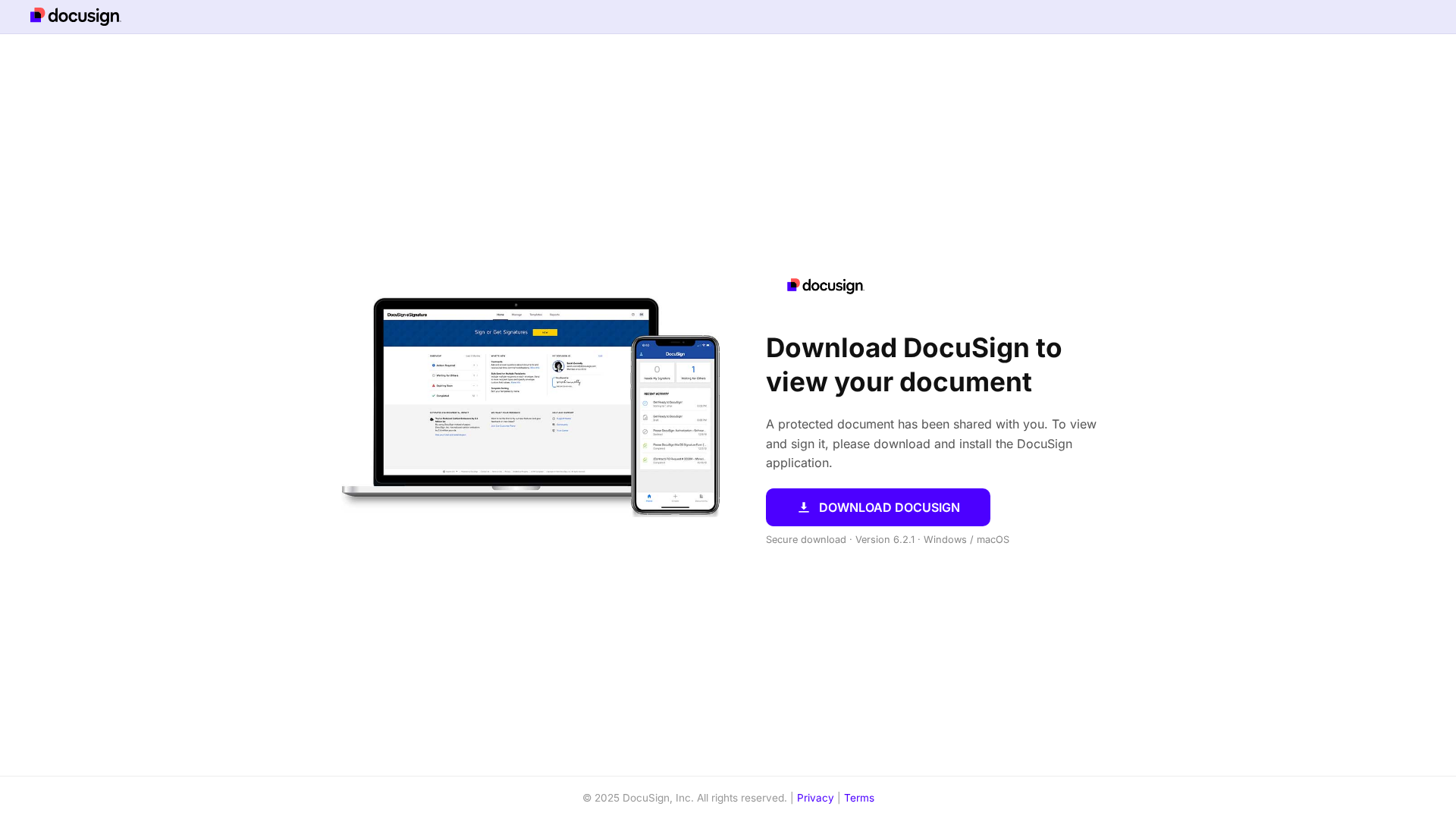
Similar Websites
Pages with identical visual appearance (based on perceptual hash)
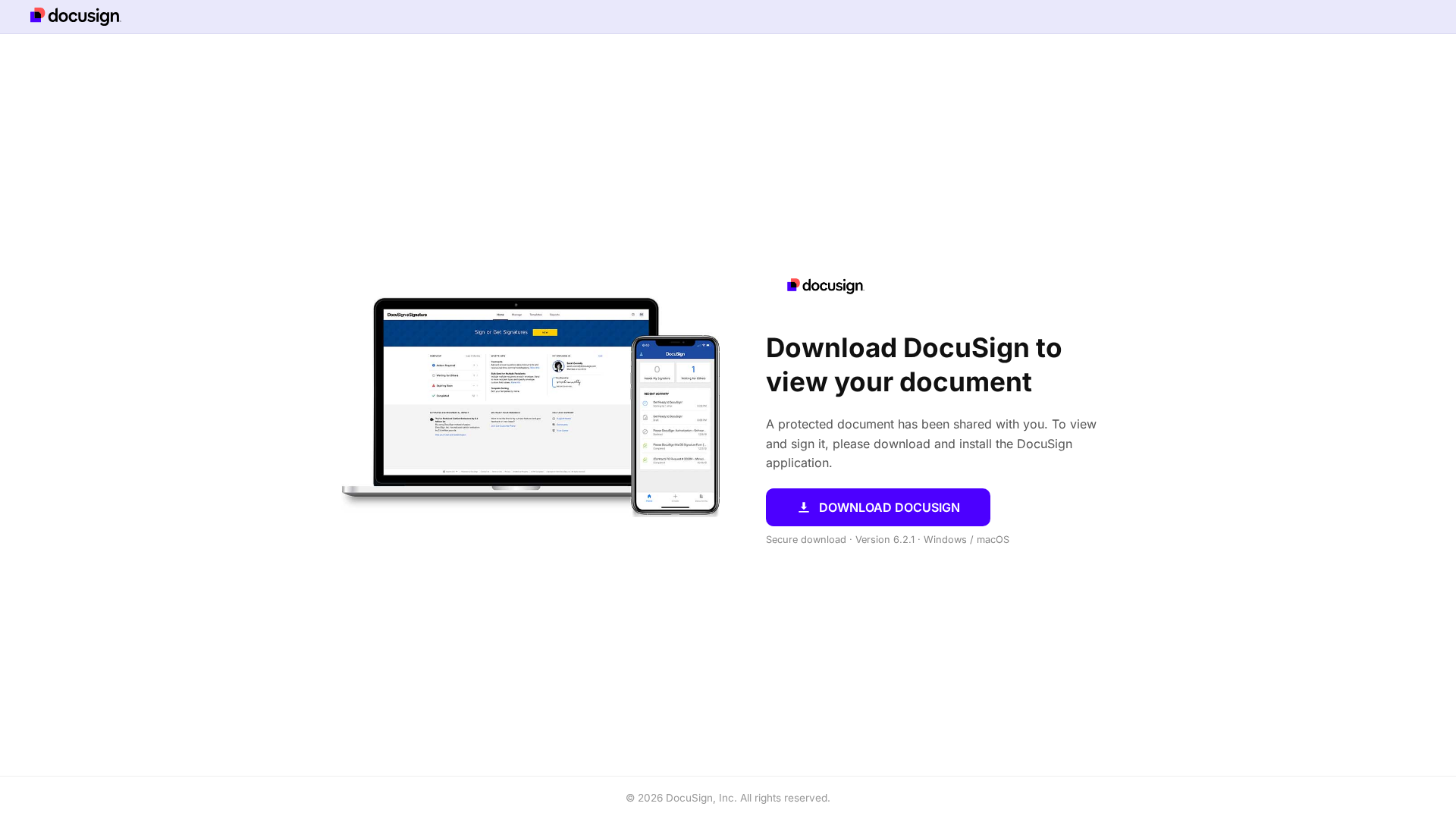
Scan History for datacompliancereview.com
Found 1 other scan for this domain

"Nunca pensei que aconteceria comigo"
Isso dizem os 2,3 milhões de vítimas a cada ano. Não espere para ser uma estatística.