
Phishing Analysis
Detailed analysis of captured phishing page
Captura Visual
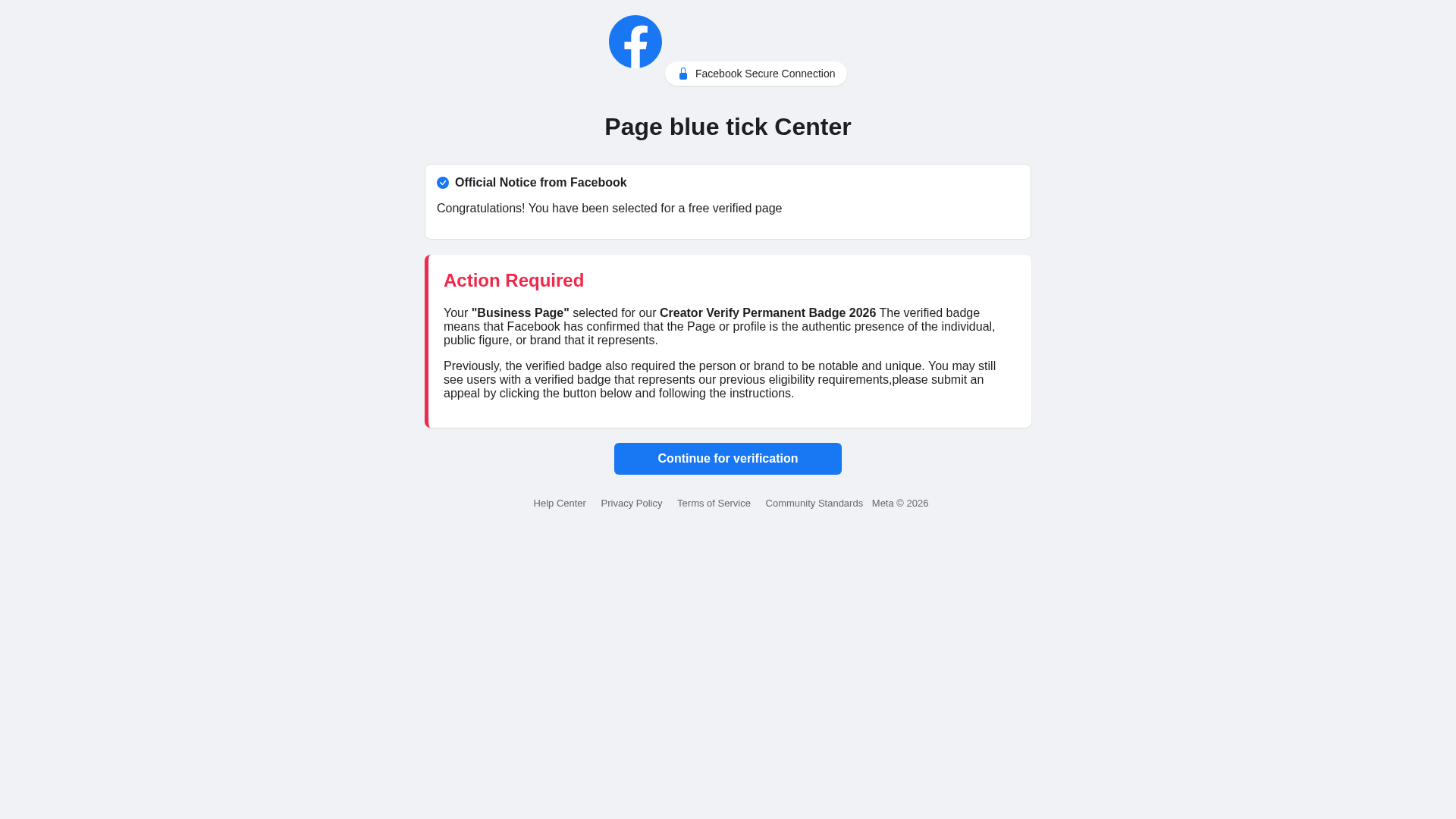
Informações de Detecção
http://claim-offer.netlify.app/
Detected Brand
Facebook
Country
Unknown
Confiança
100%
HTTP Status
200
Report ID
32b49895-91e…
Analyzed
2026-07-29 22:10
Final URL (after redirects)
https://claim-offer.netlify.app/
Hashes de Conteúdo (Similaridade HTML)
Used to detect similar phishing pages based on HTML content
| Algorithm | Hash Value |
|---|---|
|
CONTENT
TLSH
|
T1EDC15174958C5A3F06D782E1EB28A75F33C1C666EA4712016AFD83AC4FC1D94DFA3180 |
|
CONTENT
ssdeep
|
96:TeG+vf0nAn+5iMsskCwfz2mm1E3uT2GuGg:qG+knAn+QMNkCgz3m+uT2Gw |
Hashes Visuais (Similaridade de Captura)
Used to detect visually similar phishing pages based on screenshots
| Algorithm | Hash Value |
|---|---|
|
VISUAL
pHash
|
b333c96733998983 |
|
VISUAL
aHash
|
e7e7dfc7e7ffffff |
|
VISUAL
dHash
|
4c09199c4d040000 |
|
VISUAL
wHash
|
c0c4dcc0e7c3c3c3 |
|
VISUAL
colorHash
|
07000000180 |
|
VISUAL
cropResistant
|
4c09199c4d040000 |
Análise de Código
Risk Score
100/100
Nível de Ameaça
ALTO
⚠️ Phishing Confirmed
🎣 OTP Stealer
⚡ Supabase Backend
📡 API Calls Detected
- https://submit-form.com/rU0VDLrl9
☁️ Cloud Backend
- Supabase: hwtwzunrlegrqrhtompr.supabase.co
📊 Detalhamento da Pontuação de Risco
Total Risk Score
100/100
Contributing Factors
Active Phishing Kit
Detected kit types: OTP Stealer
🔬 Análise Integral de Ameaças
Tipo de Ameaça
Two-Factor Authentication Stealer
Alvo
Facebook users
Método de Ataque
Phishing webpage
Canal de Exfiltração
Supabase Database
Avaliação de Risco
CRITICAL - Automated credential harvesting with Supabase Database
⚠️ Indicators of Compromise
- Kit types: OTP Stealer
🏢 Análise de Falsificação de Marca
Impersonated Brand
Facebook
Official Website
https://www.facebook.com
Fake Service
Airdrop/claim portal
⚔️ Metodologia de Ataque
Primary Method: Two-Factor Authentication Bypass
Victim is prompted for 2FA code after entering credentials. The code is intercepted and used by attacker to access victim's account in real-time.
Secondary Method: Multi-Chain Wallet Draining
Victim connects wallet and signs malicious transactions. Attacker drains tokens across multiple blockchain networks using chain-specific draining methods (Approve, TransferFrom, Set Authority, etc.).
Target Blockchain
Multiple blockchains
Whitelist Bypass
YES
Drainer supports multiple blockchain networks and checks for high-value tokens on each chain before executing drain operations.
🌐 Indicadores de Compromisso de Infraestrutura
Domain Information
Domínio
claim-offer.netlify.app
Registered
Unknown
Registrar
Unknown
Estado
Hosting platform (subdomain)
Hosting Information
Provider
Unknown
ASN
🤖 AI-Extracted Threat Intelligence

"Nunca pensei que aconteceria comigo"
Isso dizem os 2,3 milhões de vítimas a cada ano. Não espere para ser uma estatística.