
Phishing Analysis
Detailed analysis of captured phishing page
Captura Visual
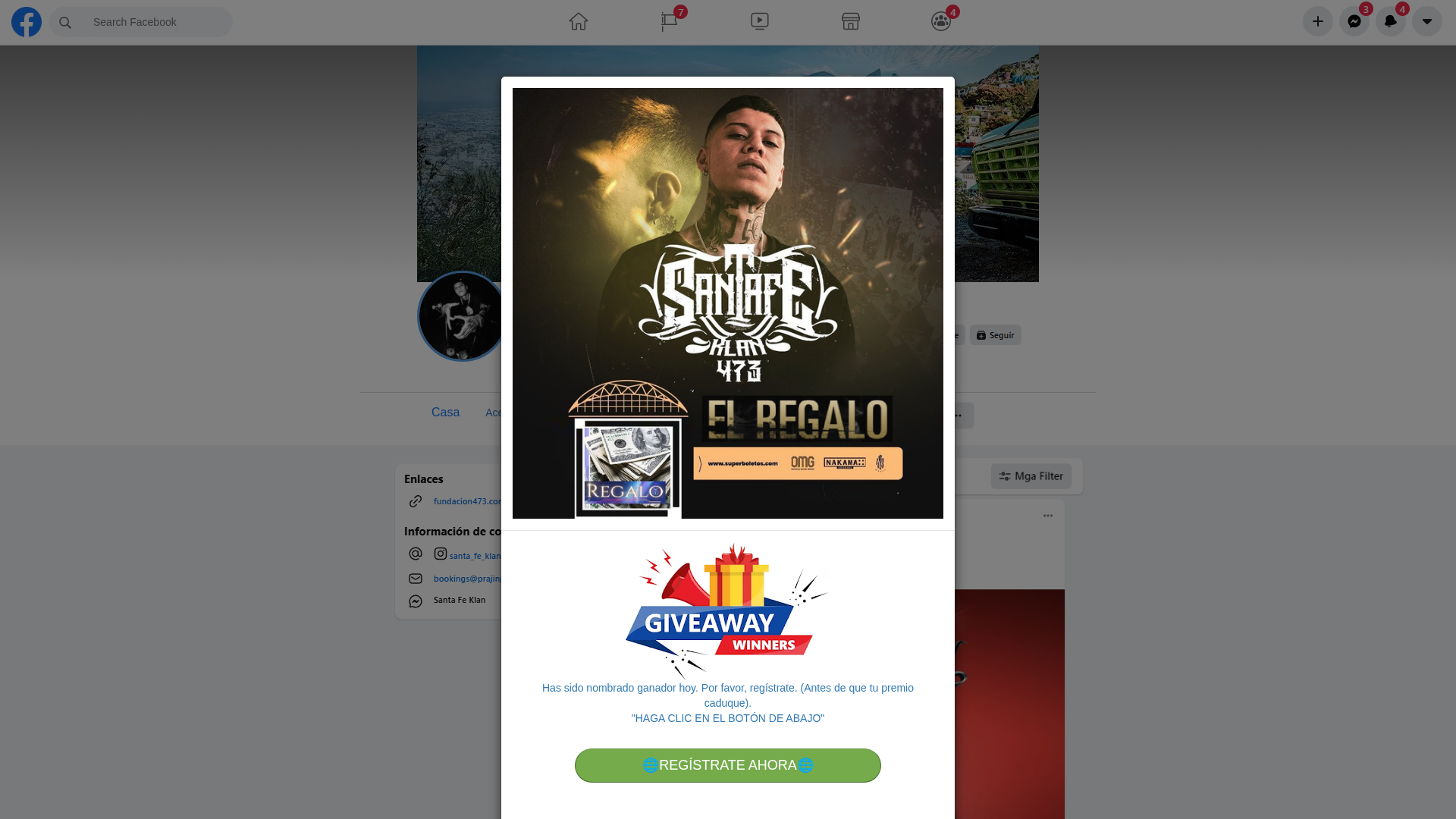
Informações de Detecção
https://shantaf3klan2026.blogspot.com/
Detected Brand
Santa Fe Klan
Country
Unknown
Confiança
100%
HTTP Status
200
Report ID
3ccfc7e8-546…
Analyzed
2026-08-31 12:30
Hashes de Conteúdo (Similaridade HTML)
Used to detect similar phishing pages based on HTML content
| Algorithm | Hash Value |
|---|---|
|
CONTENT
TLSH
|
T1559274B354D8AC136A34C9CD7DE1B71CA9A3C19AD6178CCDE1D8928E3AC5DE2D583221 |
|
CONTENT
ssdeep
|
384:eHgJQJhX3kimVx5CJPSh36xuuFu9+S21IgpDtlmbb42BSP+Oys:hJQJhXA5CJPShKxuuFu9r21IEDtlmbbi |
Hashes Visuais (Similaridade de Captura)
Used to detect visually similar phishing pages based on screenshots
| Algorithm | Hash Value |
|---|---|
|
VISUAL
pHash
|
cd30cfc6329998ec |
|
VISUAL
aHash
|
0000c3c3c3bdb9bd |
|
VISUAL
dHash
|
b8b69694046a6272 |
|
VISUAL
wHash
|
0000c0c3c3fffbfb |
|
VISUAL
colorHash
|
06c01008000 |
|
VISUAL
cropResistant
|
fba200c0006d6d6d,e0c88cc7e6e6e0f2,191bd292d2fa92ab,71514d498c8ea2b2,b8b69694046a6272 |
Análise de Código
Risk Score
85/100
Nível de Ameaça
ALTO
⚠️ Phishing Confirmed
🎣 Credential Harvester
🎣 OTP Stealer
🎣 Banking
🎣 Personal Info
🔒 Obfuscation Detected
- eval
- fromCharCode
- unescape
- hex_escape
- js_packer
🎯 Kit Endpoints
- https://www.blogger.com/profile/07917480487504289304
- https://www.blogger.com/profile/11938032473687523975
- https://draft.blogger.com/profile/18189539250702198098
- https://www.blogger.com/profile/04577268273743142477
- https://www.blogger.com/profile/00533162691688687233
- https://www.blogger.com/profile/08646369687295699723
- https://draft.blogger.com/profile/00123858165988666175
- https://www.blogger.com/profile/02247381917657198684
- https://www.blogger.com/profile/15608199172375815430
- https://www.blogger.com/profile/18189539250702198098
- https://www.blogger.com/navbar/8469438837139255604?origin=https://hampanglahkadiemah.blogspot.com&usegapi=1&jsh=m%3B%2F_%2Fscs%2Fabc-static%2F_%2Fjs%2Fk%3Dgapi.lb.en.zhTT8Br0Ho8.O%2Fd%3D1%2Frs%3DAHpOoo-7LeULGjNQZRvhdu3G71akb6JY6A%2Fm%3D__features__#id=navbar-iframe&_gfid=navbar-iframe&parent=https%3A%2F%2Fshantaf3klan2026.blogspot.com&pfname=&rpctoken=14961549
- https://www.blogger.com/profile/06230523910135196352
- https://www.blogger.com/profile/09320040175274873074
- https://www.blogger.com/profile/18101003208134944139
- https://www.blogger.com/profile/13669262506632567801
- https://www.blogger.com/profile/16305119892725815258
- https://www.blogger.com/profile/01370832451103820113
- https://www.blogger.com/profile/17303815837207836517
- https://www.blogger.com/profile/00123858165988666175
- https://draft.blogger.com/profile/04577268273743142477
- https://www.blogger.com/profile/14716805668022371394
- https://www.blogger.com/profile/17258887416332909883
- https://www.blogger.com/profile/08421999010040211346
📊 Detalhamento da Pontuação de Risco
Total Risk Score
100/100
Contributing Factors
Active Phishing Kit
Detected kit types: Credential Harvester, OTP Stealer, Banking, Personal Info
Credential Harvesting
Credential harvesting detected with 3 form(s) capturing sensitive data
Code Obfuscation
JavaScript code obfuscated using 24 technique(s) to evade detection
🔬 Análise Integral de Ameaças
Tipo de Ameaça
Banking Credential Harvester
Alvo
Santa Fe Klan users
Método de Ataque
credential harvesting forms + obfuscated JavaScript
Canal de Exfiltração
Form submission (backend endpoint not detected - likely JavaScript-based)
Avaliação de Risco
CRITICAL - Automated credential harvesting with Form submission (backend endpoint not detected - likely JavaScript-based)
⚠️ Indicators of Compromise
- Kit types: Credential Harvester, OTP Stealer, Banking, Personal Info
- 24 obfuscation techniques
🏢 Análise de Falsificação de Marca
Impersonated Brand
Santa Fe Klan
Official Website
N/A
Fake Service
Banking/payment service
⚔️ Metodologia de Ataque
Primary Method: Credential Harvesting
Victim enters username and password into fake login form. Credentials are captured via JavaScript and exfiltrated to attacker's server in real-time.
Secondary Method: JavaScript Obfuscation
Malicious code is obfuscated using 24 techniques to evade detection by security scanners and make reverse engineering more difficult.
🌐 Indicadores de Compromisso de Infraestrutura
Domain Information
Domínio
shantaf3klan2026.blogspot.com
Registered
Unknown
Registrar
None
Estado
Age unknown
Hosting Information
Provider
Unknown
ASN
🤖 AI-Extracted Threat Intelligence
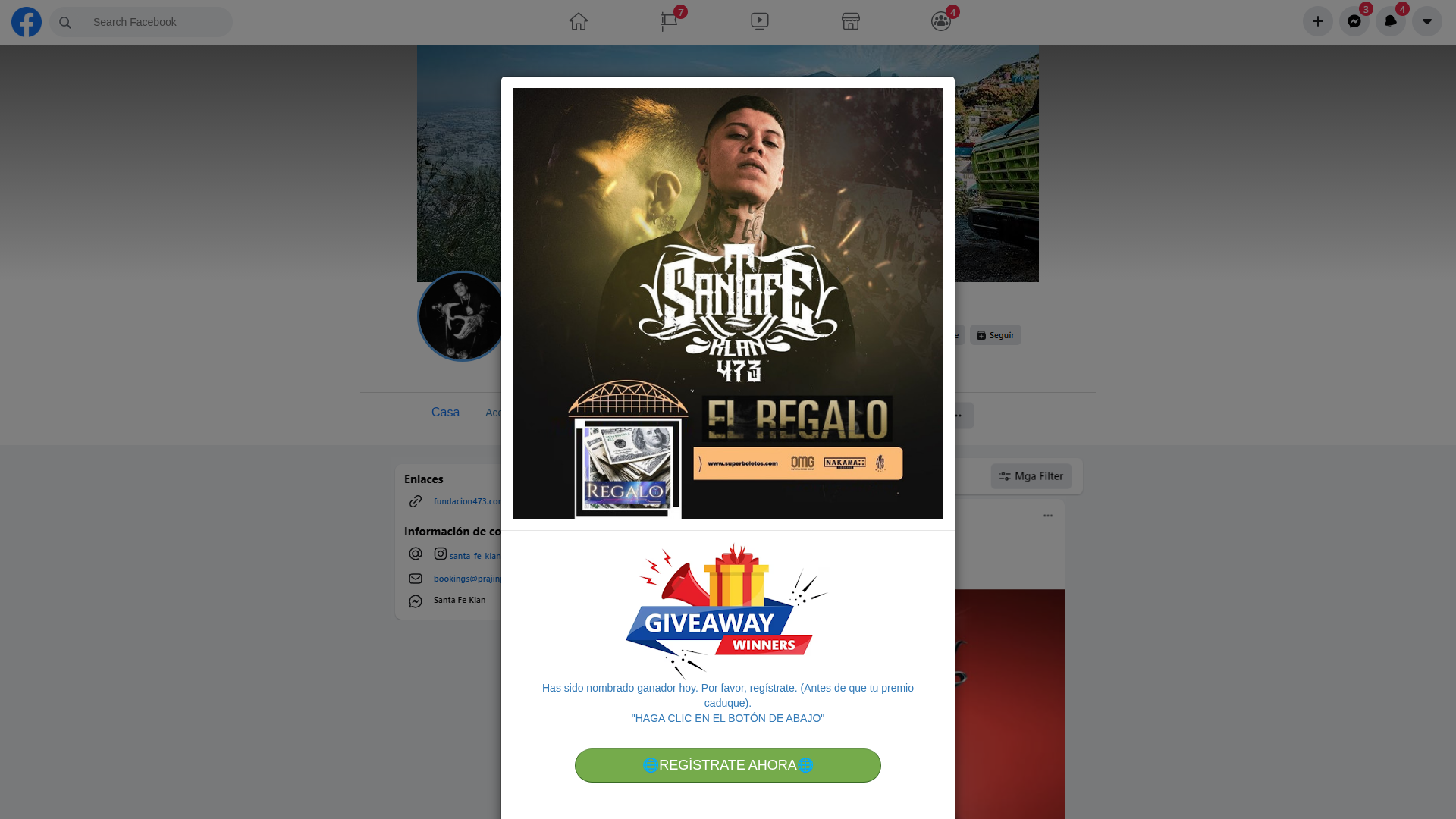
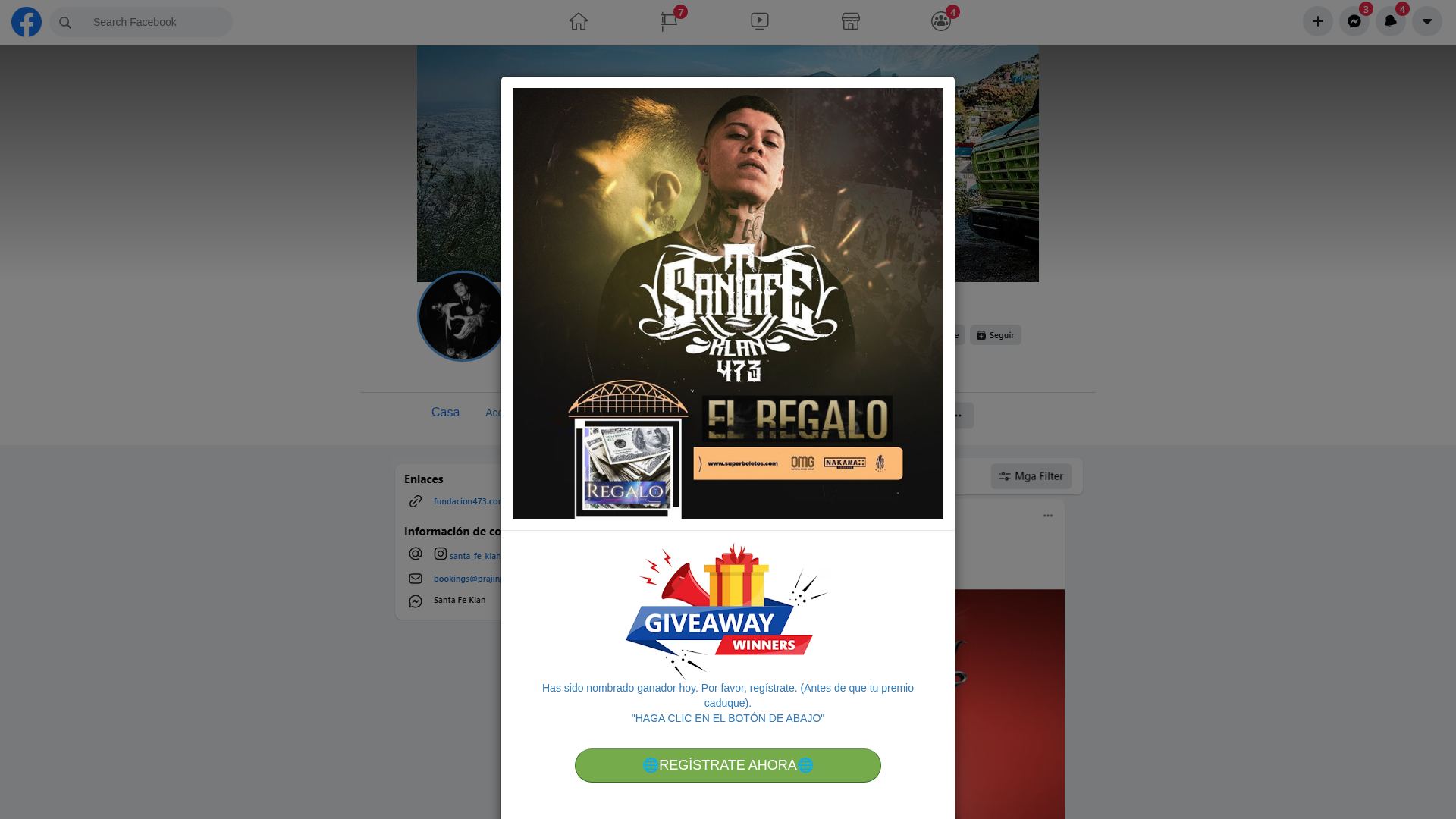
Similar Websites
Pages with identical visual appearance (based on perceptual hash)

"Nunca pensei que aconteceria comigo"
Isso dizem os 2,3 milhões de vítimas a cada ano. Não espere para ser uma estatística.