
Phishing Analysis
Detailed analysis of captured phishing page
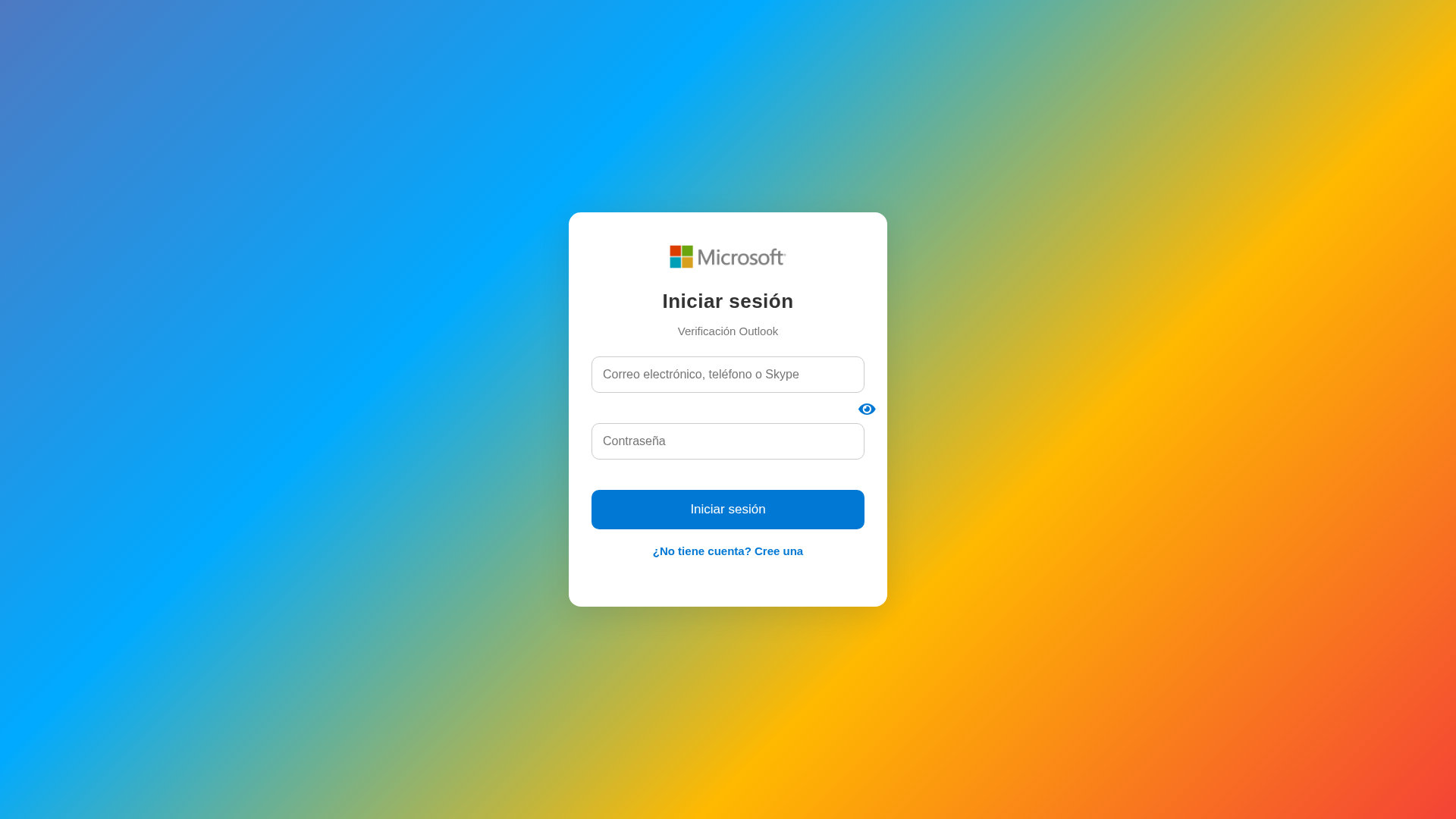
Captura Visual
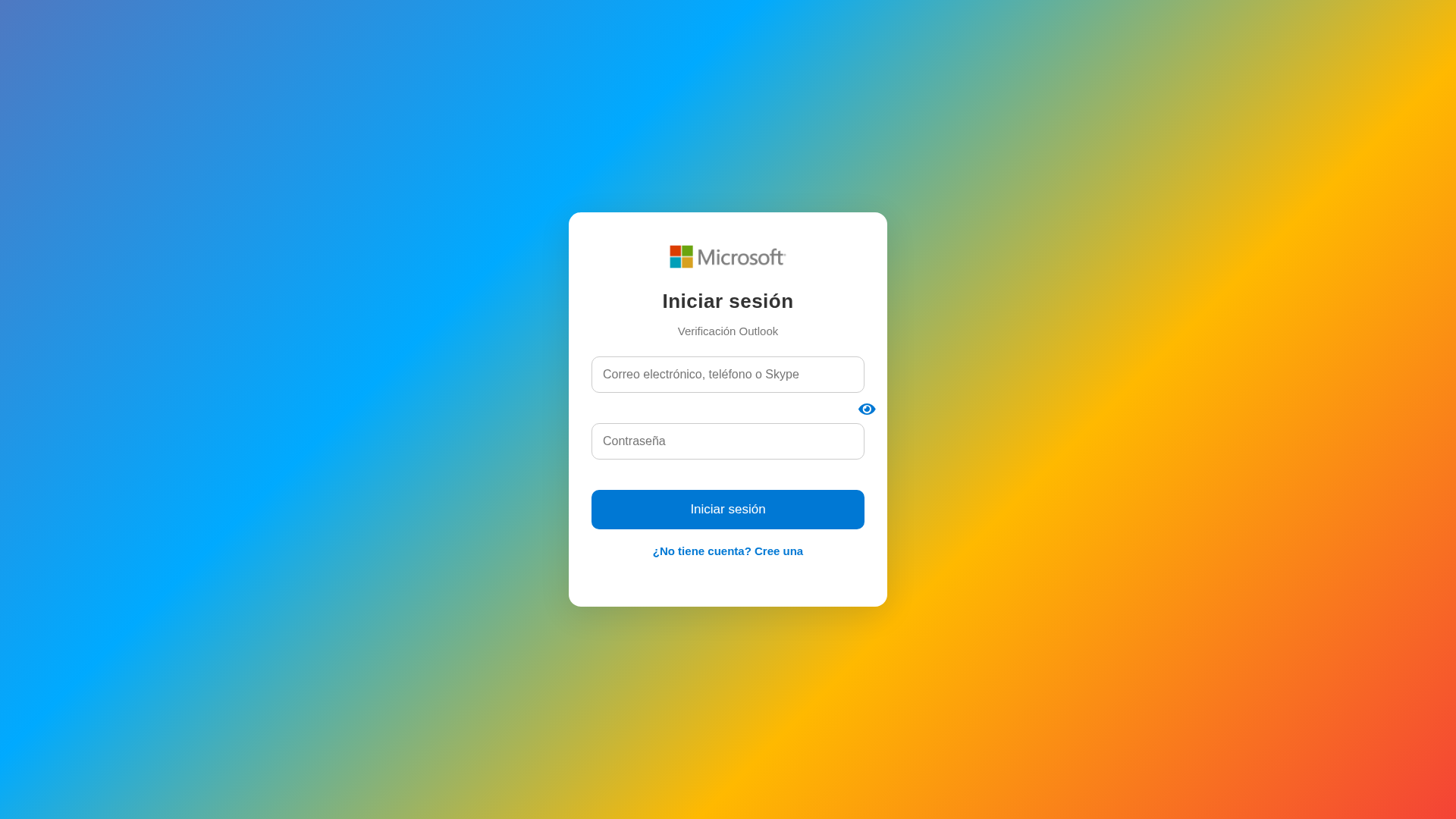
Informações de Detecção
https://acceso-v2p.webcindario.com/
Detected Brand
Microsoft
Country
International
Confiança
100%
HTTP Status
200
Report ID
44794ff9-892…
Analyzed
2026-03-10 02:39
Hashes de Conteúdo (Similaridade HTML)
Used to detect similar phishing pages based on HTML content
| Algorithm | Hash Value |
|---|---|
|
CONTENT
TLSH
|
T148510A3598400D777D2BC630EAD9A10975434D5FDB5302B28AF105FFA2E4EAEC8D60A8 |
|
CONTENT
ssdeep
|
48:Y7CfVVd6jPJYoD/k6jPBrRV9FP1A2AFP5fJtWtFPo62eHxgtDvFJu:Zn09TBn9YLfqtO6MNu |
Hashes Visuais (Similaridade de Captura)
Used to detect visually similar phishing pages based on screenshots
| Algorithm | Hash Value |
|---|---|
|
VISUAL
pHash
|
9c2c6332cc9dcc37 |
|
VISUAL
aHash
|
03031f1f1e1e1c3c |
|
VISUAL
dHash
|
ffffb2b2f0f0f0f0 |
|
VISUAL
wHash
|
03071f1f1f1e1e3c |
|
VISUAL
colorHash
|
000000180c0 |
|
VISUAL
cropResistant
|
ffffb2b2f0f0f0f0,fffdf6f6fffeffff |
Análise de Código
Risk Score
100/100
Nível de Ameaça
ALTO
⚠️ Phishing Confirmed
🎣 Credential Harvester
🎣 OTP Stealer
🎣 Banking
🎣 Personal Info
Telegram Exfiltration
🔬 Threat Analysis Report
• Ameaça: Phishing
• Alvo: Usuários do Microsoft
• Método: Imitação e colheita de credenciais
• Exfil: Telegram
• Indicadores: Domínio incompatível, formulário, ofuscação
• Risco: Alto
🔒 Obfuscation Detected
- atob
- fromCharCode
- hex_escape
- unicode_escape
- base64_strings
📡 API Calls Detected
- https://www.google.com/ccm/geo
- /hosting__contador__visitas__unicas.php
- GET
🔑 Telegram Bot Tokens (1)
- 8203516804:AAEW...ynFC4lAU
💬 Telegram Chat IDs (1)
- 7064533965
📊 Detalhamento da Pontuação de Risco
Total Risk Score
90/100
Contributing Factors
Domain Mismatch
The domain does not belong to Microsoft.
Forms Present
Forms asking for sensitive login information.
Obfuscation
Code obfuscation detected, likely to hide malicious activity
Telegram Token
Telegram token present, indicating likely exfiltration to Telegram bot.
🔬 Análise Integral de Ameaças
Tipo de Ameaça
Banking Credential Harvester
Alvo
Microsoft users (International)
Método de Ataque
Brand impersonation + credential harvesting forms + obfuscated JavaScript
Canal de Exfiltração
Telegram Bot (8203516804:AAEWgtjsa...)
Avaliação de Risco
CRITICAL - Automated credential harvesting with Telegram Bot (8203516804:AAEWgtjsa...)
⚠️ Indicators of Compromise
- 1 Telegram bot token(s)
- Kit types: Credential Harvester, OTP Stealer, Banking, Personal Info
- 59 obfuscation techniques
🏢 Análise de Falsificação de Marca
Impersonated Brand
Microsoft
Official Website
https://www.microsoft.com
Fake Service
Outlook login
⚔️ Metodologia de Ataque
Primary Method: Credential Harvesting
The attacker is attempting to steal the user's Microsoft account credentials by presenting a fake login form on a non-Microsoft domain. Upon submission, the entered credentials will likely be sent to the attacker.
Secondary Method: Obfuscation
JavaScript code has been obfuscated, which is often used to conceal malicious actions like credential harvesting, redirection, or code injection.
📡 Infraestrutura de Comando e Controle Telegram
Bot Token (Masked)
8203516804:AAEW...ynFC4lAU
Bot ID
8203516804
Group/Chat ID
7064533965
Operator Language
Unknown
💬 Message Templates (3)
| ID | Português | Inglês | Trigger |
|---|---|---|---|
🌐 Indicadores de Compromisso de Infraestrutura
Domain Information
Domínio
acceso-v2p.webcindario.com
Registered
2001-02-28 12:45:04+00:00
Registrar
Unknown
Estado
active
🤖 AI-Extracted Threat Intelligence
Similar Websites
Pages with identical visual appearance (based on perceptual hash)
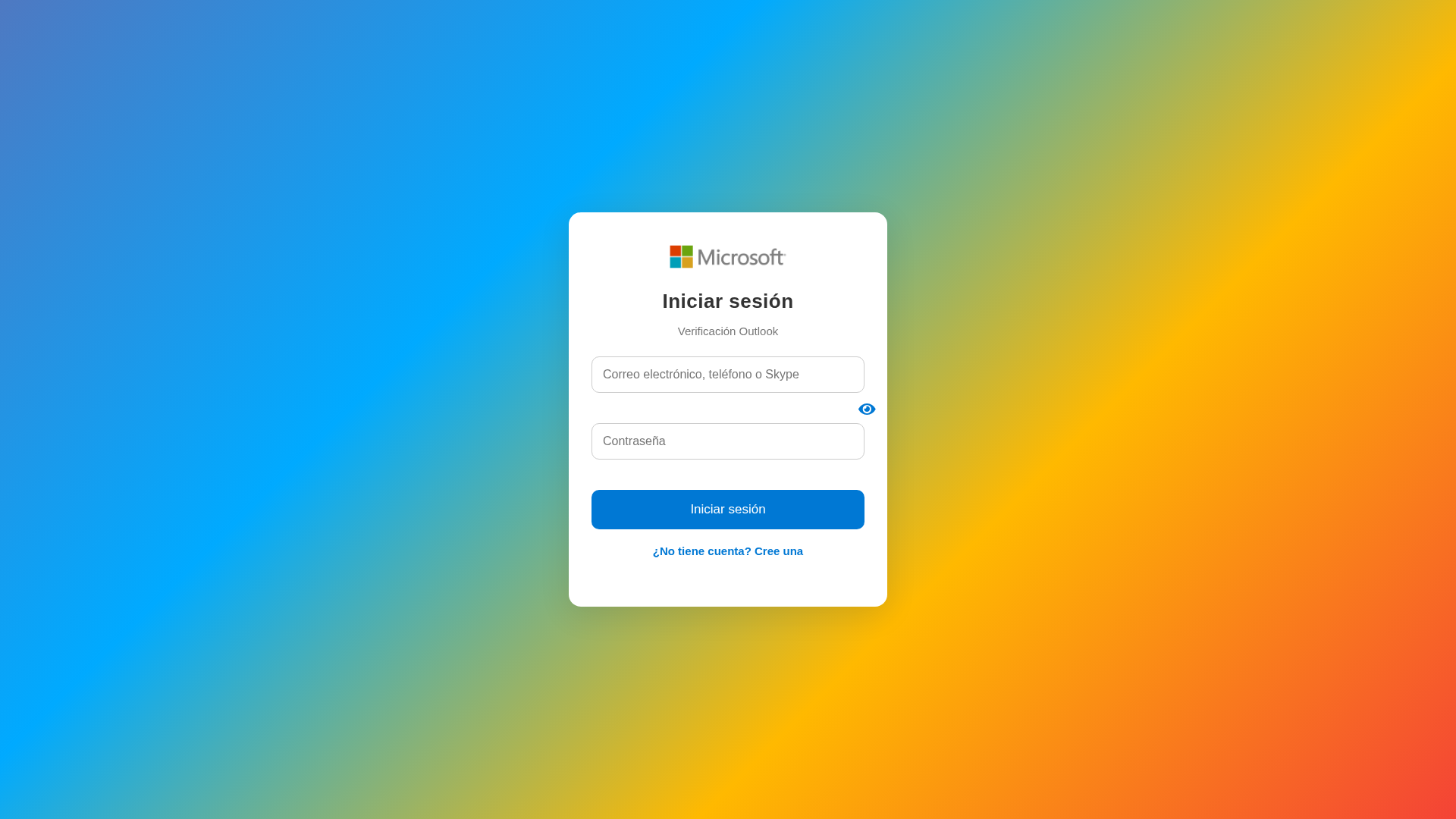
Microsoft
http://whatsappalerta.webcindario.com/
Jul 23, 2026
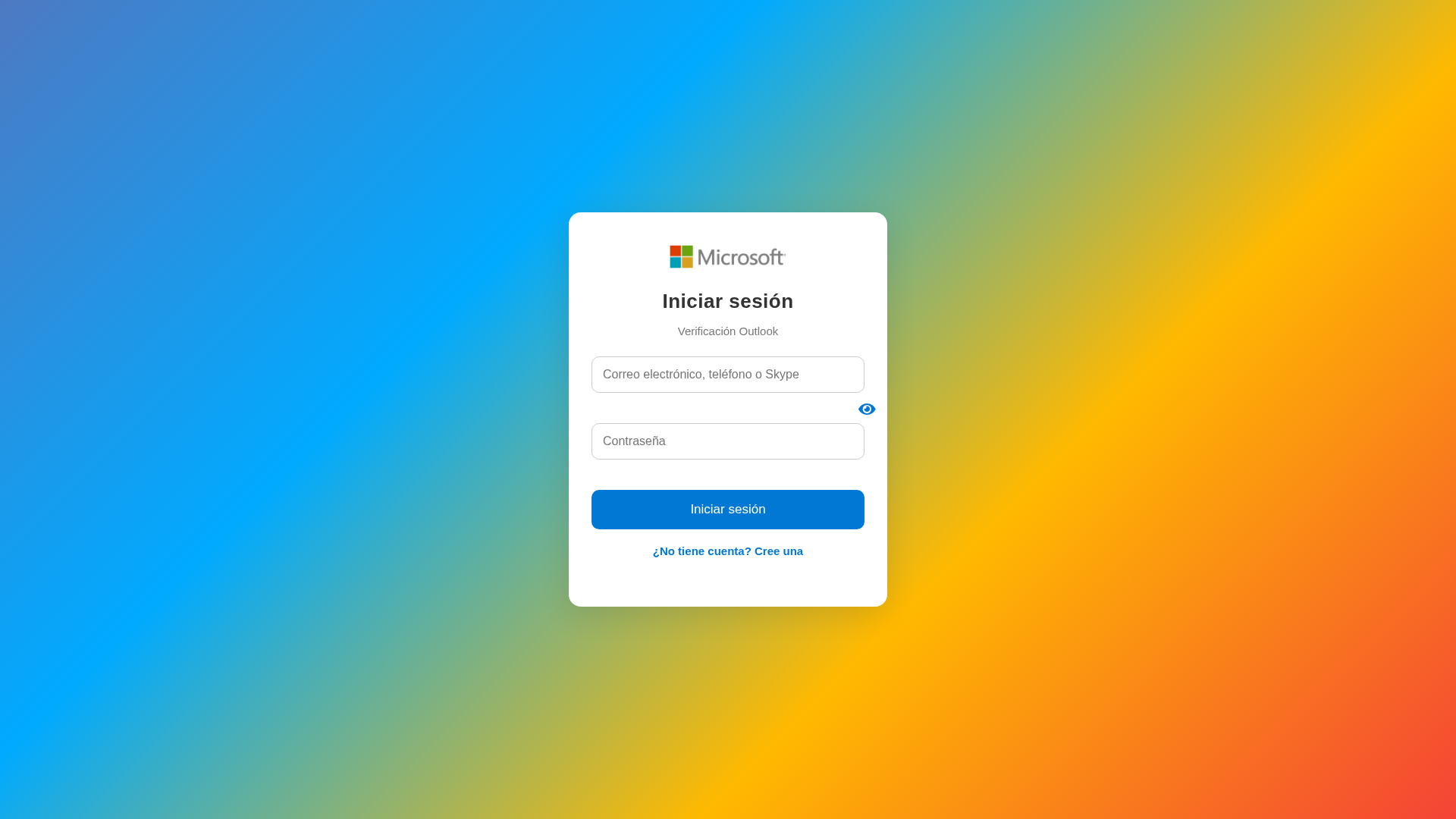
Microsoft
https://reactivautlook356.iceiy.com/?i=1
Jun 01, 2026
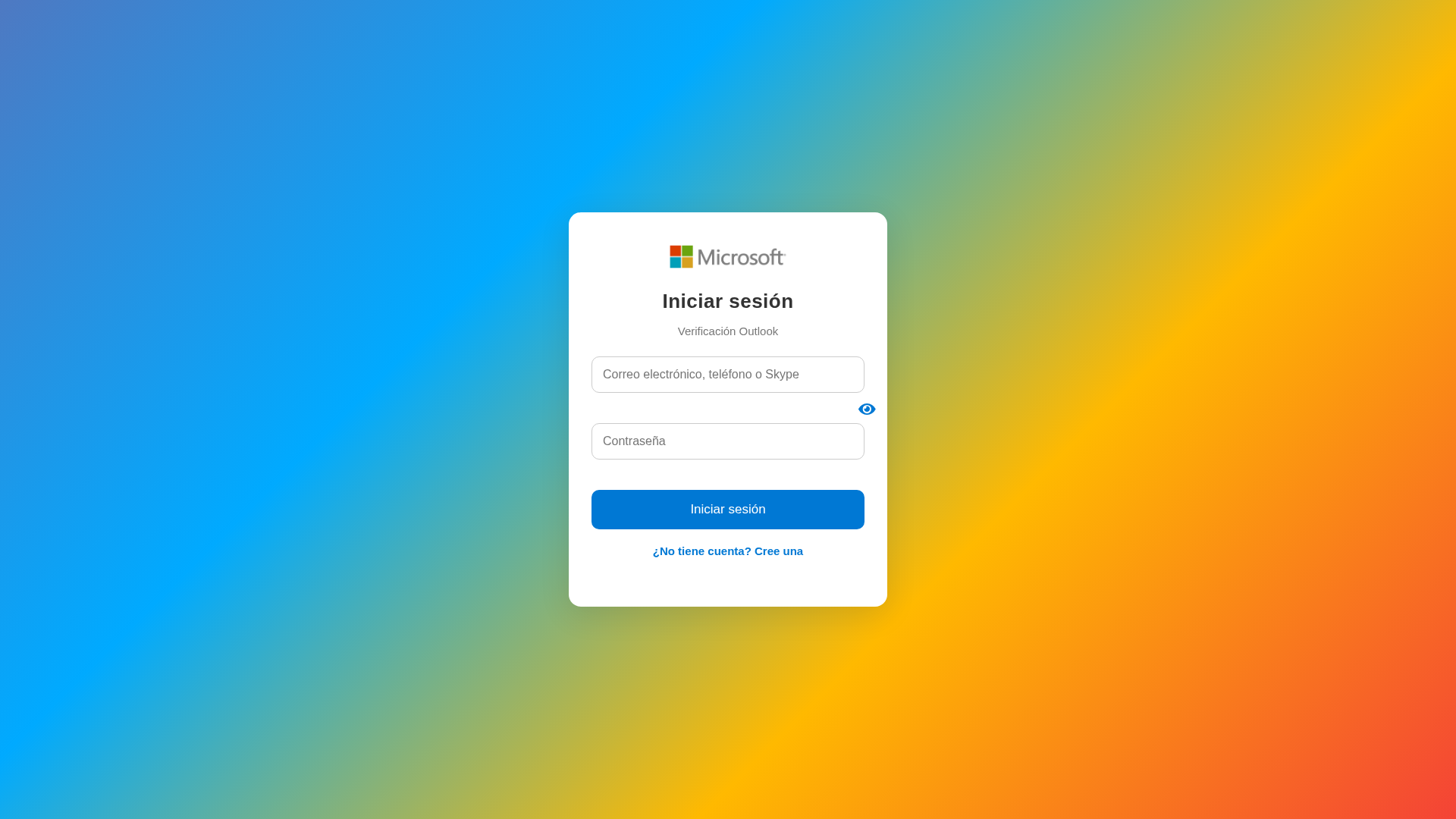
Microsoft
https://verificar-emailmxx.iceiy.com/?i=1
Mai 16, 2026
Microsoft
https://serviciosdeseguridad.iceiy.com/?i=1
Abr 23, 2026
Microsoft
https://validarwsaccountweb.iceiy.com/?i=1
Abr 20, 2026
Scan History for acceso-v2p.webcindario.com
Found 3 other scans for this domain

"Nunca pensei que aconteceria comigo"
Isso dizem os 2,3 milhões de vítimas a cada ano. Não espere para ser uma estatística.