
Phishing Analysis
Detailed analysis of captured phishing page
Captura Visual
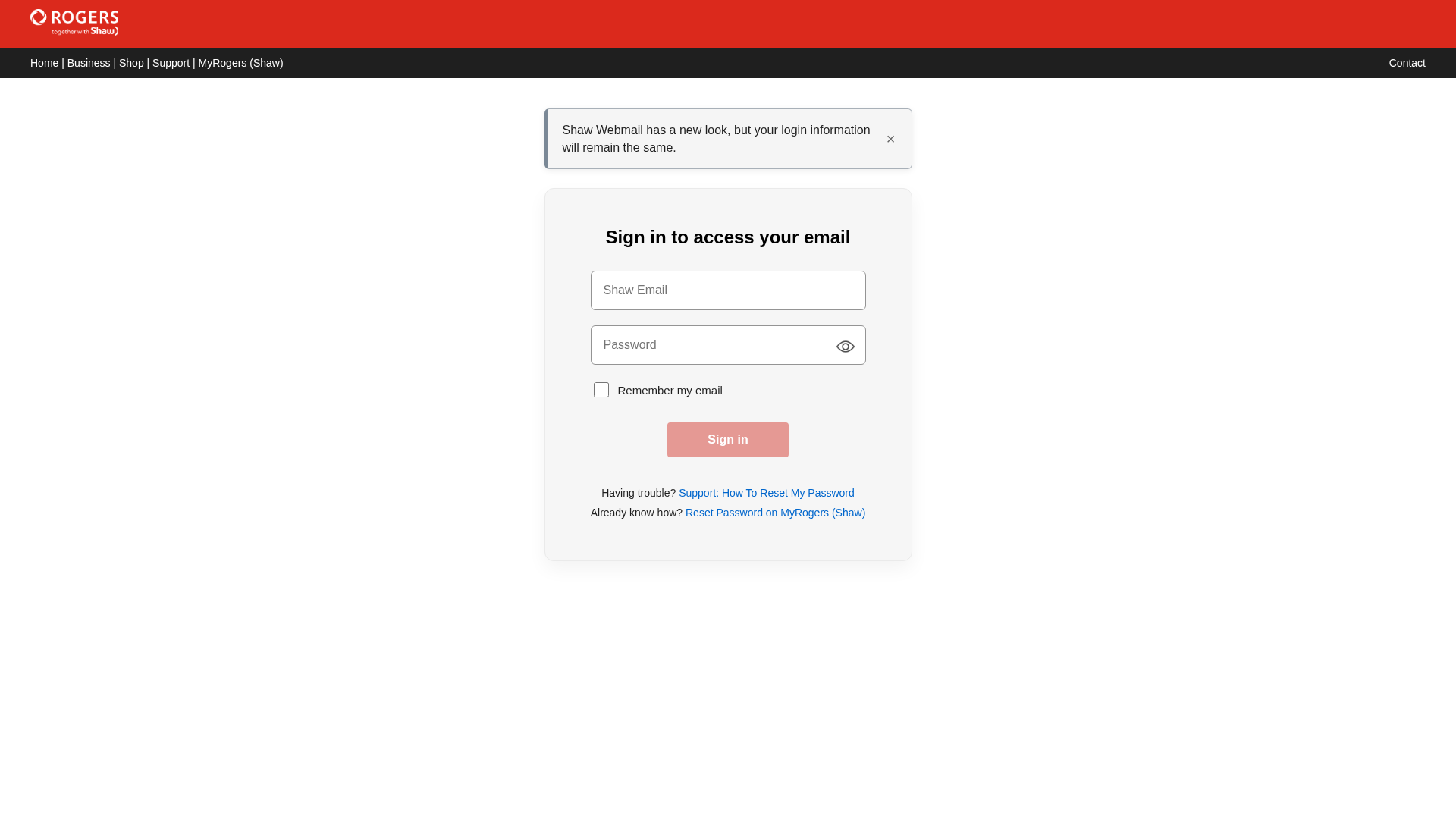
Informações de Detecção
https://mergec.mntbell.com/
Detected Brand
Rogers Shaw
Country
Unknown
Confiança
100%
HTTP Status
200
Report ID
4a495359-1fc…
Analyzed
2026-06-17 10:14
Hashes de Conteúdo (Similaridade HTML)
Used to detect similar phishing pages based on HTML content
| Algorithm | Hash Value |
|---|---|
|
CONTENT
TLSH
|
T13E51434040AD6D97A0024BF873D56E167196C362CFC2160446F443BE6BE6D5CEF753E8 |
|
CONTENT
ssdeep
|
24:hRfEOD5JKcz1q5hP8GUMm2bxz4RoryyN9RidkyOPHepKTwbvLIeyTREXqxopEHgv:TOewhUGP1zwoWyHgkR5m6D9RnjpJnBVa |
Hashes Visuais (Similaridade de Captura)
Used to detect visually similar phishing pages based on screenshots
| Algorithm | Hash Value |
|---|---|
|
VISUAL
pHash
|
f37258787a4c4c66 |
|
VISUAL
aHash
|
00ffffffe7ffffff |
|
VISUAL
dHash
|
0d0c0c0c0c0c0000 |
|
VISUAL
wHash
|
0003030300000000 |
|
VISUAL
colorHash
|
07000038000 |
|
VISUAL
cropResistant
|
4d0c0c0c0c0c0000,0000000080402101 |
Análise de Código
Risk Score
100/100
Nível de Ameaça
ALTO
⚠️ Phishing Confirmed
🎣 Credential Harvester
🎣 Card Stealer
Telegram Exfiltration
📡 API Calls Detected
- https://api.ipify.org?format=json
🔑 Telegram Bot Tokens (1)
- 8794639090:AAEv..._VbjpQEc
📊 Detalhamento da Pontuação de Risco
Total Risk Score
100/100
Contributing Factors
Active Phishing Kit
Detected kit types: Credential Harvester, Card Stealer
Credential Harvesting
Credential harvesting detected with 2 form(s) capturing sensitive data
Telegram Exfiltration
Real-time data exfiltration via Telegram (1 bot token(s) exposed in client-side code)
🔬 Análise Integral de Ameaças
Tipo de Ameaça
Banking Credential Harvester
Alvo
Rogers Shaw users
Método de Ataque
credential harvesting forms
Canal de Exfiltração
Telegram Bot (8794639090:AAEvogRdM...)
Avaliação de Risco
CRITICAL - Automated credential harvesting with Telegram Bot (8794639090:AAEvogRdM...)
⚠️ Indicators of Compromise
- 1 Telegram bot token(s)
- Kit types: Credential Harvester, Card Stealer
🏢 Análise de Falsificação de Marca
Impersonated Brand
Rogers Shaw
Official Website
N/A
Fake Service
Banking/payment service
⚔️ Metodologia de Ataque
Primary Method: Credential Harvesting
Victim enters username and password into fake login form. Credentials are captured via JavaScript and exfiltrated to attacker's server in real-time.
Secondary Method: Client-Side Form Interception
JavaScript intercepts form submissions before they reach the fake backend. This allows real-time credential harvesting and validation without server round-trips.
📡 Infraestrutura de Comando e Controle Telegram
Bot Token (Masked)
8794639090:AAEv..._VbjpQEc
Bot ID
8794639090
Group/Chat ID
Unknown
Operator Language
Unknown
💬 Message Templates (3)
| ID | Português | Inglês | Trigger |
|---|---|---|---|
🌐 Indicadores de Compromisso de Infraestrutura
Domain Information
Domínio
mergec.mntbell.com
Registered
2026-03-02 12:09:09+00:00
Registrar
Cloudflare, Inc.
Estado
Active (107 days old)
Hosting Information
Provider
Cloudflare, Inc.
ASN
🤖 AI-Extracted Threat Intelligence

"Nunca pensei que aconteceria comigo"
Isso dizem os 2,3 milhões de vítimas a cada ano. Não espere para ser uma estatística.