
Phishing Analysis
Detailed analysis of captured phishing page
Captura Visual
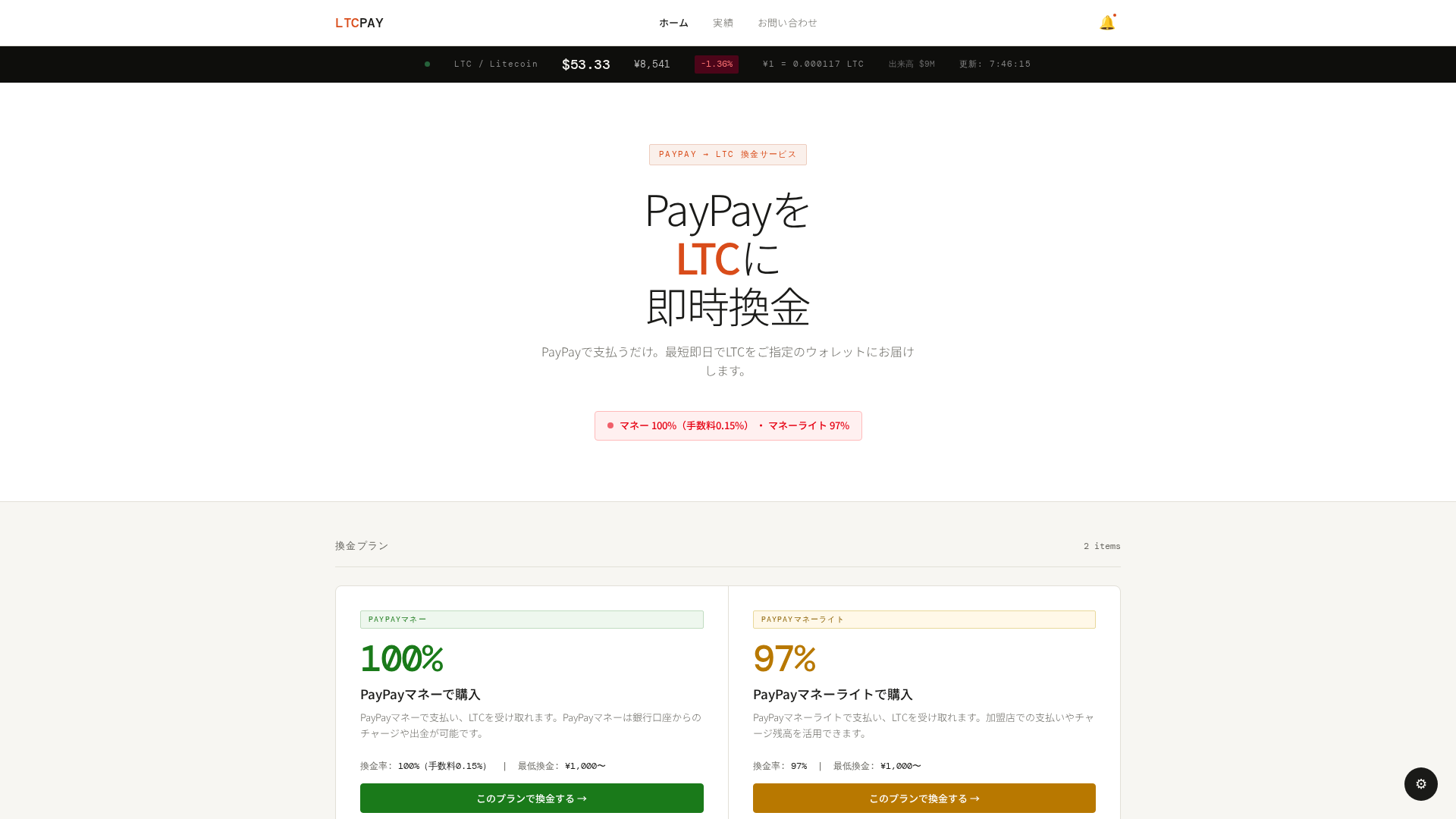
Informações de Detecção
https://ltcpaypay.pages.dev
Detected Brand
PayPay
Country
Unknown
Confidence
100%
HTTP Status
200
Report ID
762b2879-42e…
Analyzed
2026-04-07 05:46
Final URL (after redirects)
https://ltcpaypay.pages.dev/
Hashes de Conteúdo (Similaridade HTML)
Used to detect similar phishing pages based on HTML content
| Algorithm | Hash Value |
|---|---|
|
CONTENT
TLSH
|
T1D2C263BCD1A8EC32A5A2D1E172A5A76F3180CA4ACD47171042FDD369AEC3DFBED04165 |
|
CONTENT
ssdeep
|
384:/613cR7NoAXa++SpUPngVgELye2P7HfjOH/9WnNWbF2XyqMvmyP+hPqmKuB:/61M1E++STLy1j/5gml |
Hashes Visuais (Similaridade de Captura)
Used to detect visually similar phishing pages based on screenshots
| Algorithm | Hash Value |
|---|---|
|
VISUAL
pHash
|
b4437d4e790671c6 |
|
VISUAL
aHash
|
00ffffffffffffc3 |
|
VISUAL
dHash
|
200c080c0e302d96 |
|
VISUAL
wHash
|
00ffe7e7ff0c1400 |
|
VISUAL
colorHash
|
07000018600 |
|
VISUAL
cropResistant
|
0000012b2b030000,0c0c0c0c0a302596,0010346161241000 |
Análise de Código
Risk Score
91/100
Threat Level
ALTO
⚠️ Phishing Confirmed
🎣 Credential Harvester
🎣 OTP Stealer
🎣 Personal Info
⚡ Supabase Backend
🔒 Obfuscation Detected
- atob
- fromCharCode
📡 API Calls Detected
- https://min-api.cryptocompare.com/data/pricemultifull?fsyms=LTC&tsyms=JPY,USD
☁️ Cloud Backend
- Supabase: nfpjgegpgiknrawthykb.supabase.co
📊 Detalhamento da Pontuação de Risco
Total Risk Score
100/100
Contributing Factors
Active Phishing Kit
Detected kit types: Credential Harvester, OTP Stealer, Personal Info
Code Obfuscation
JavaScript code obfuscated using 4 technique(s) to evade detection
🔬 Análise Integral de Ameaças
Tipo de Ameaça
Two-Factor Authentication Stealer
Alvo
PayPay users
Método de Ataque
obfuscated JavaScript
Canal de Exfiltração
Supabase Database
Avaliação de Risco
CRITICAL - Automated credential harvesting with Supabase Database
⚠️ Indicators of Compromise
- Kit types: Credential Harvester, OTP Stealer, Personal Info
- 4 obfuscation techniques
🏢 Análise de Falsificação de Marca
Impersonated Brand
PayPay
Official Website
N/A
Fake Service
Credential harvesting service
⚔️ Metodologia de Ataque
Primary Method: Credential Harvesting
Victim enters username and password into fake login form. Credentials are captured via JavaScript and exfiltrated to attacker's server in real-time.
Secondary Method: JavaScript Obfuscation
Malicious code is obfuscated using 4 techniques to evade detection by security scanners and make reverse engineering more difficult.
Target Blockchain
Multiple blockchains
Whitelist Bypass
YES
Drainer supports multiple blockchain networks and checks for high-value tokens on each chain before executing drain operations.
🌐 Indicadores de Compromisso de Infraestrutura
Domain Information
Domain
ltcpaypay.pages.dev
Registered
Unknown
Registrar
Unknown
Status
Hosting platform (subdomain)
Hosting Information
Provider
Unknown
ASN
🤖 AI-Extracted Threat Intelligence

"Nunca pensei que aconteceria comigo"
Isso dizem os 2,3 milhões de vítimas a cada ano. Não espere para ser uma estatística.