
Phishing Analysis
Detailed analysis of captured phishing page
Captura Visual
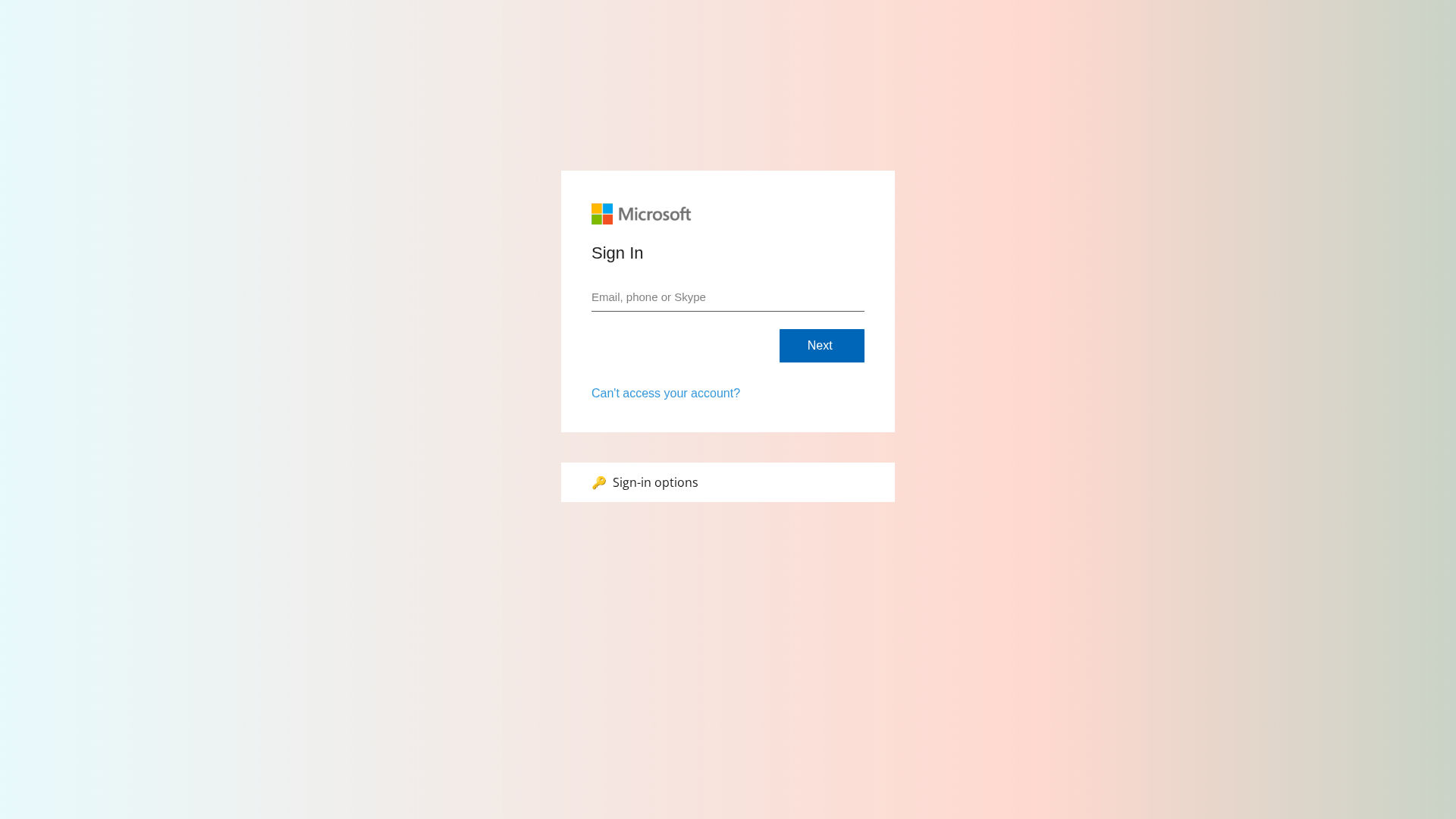
Informações de Detecção
https://ressourceshumains.com/?r=a1e2702e-dc68-48d9-9b56-9f37c43fa713
Detected Brand
Microsoft
Country
International
Confiança
100%
HTTP Status
200
Report ID
85d03054-b2b…
Analyzed
2026-03-17 17:18
Hashes de Conteúdo (Similaridade HTML)
Used to detect similar phishing pages based on HTML content
| Algorithm | Hash Value |
|---|---|
|
CONTENT
TLSH
|
T1EBF1CE31E244C91B7251C9A4F6B1BB9A3B459385D70B0B70F6F0A23ABDC9CB04D942ED |
|
CONTENT
ssdeep
|
96:zNo9+uvTBSTST8FKF1fiPhevO9dShcFSTqM8V8+hucyBF+uuuup:zN6rQeQmfiPovO9dt0z8FvyM |
Hashes Visuais (Similaridade de Captura)
Used to detect visually similar phishing pages based on screenshots
| Algorithm | Hash Value |
|---|---|
|
VISUAL
pHash
|
dd88333366669999 |
|
VISUAL
aHash
|
f0f8f8f0f8f0f0f0 |
|
VISUAL
dHash
|
0010302430000000 |
|
VISUAL
wHash
|
e0f8f8f0f8e0f0e0 |
|
VISUAL
colorHash
|
07000000180 |
|
VISUAL
cropResistant
|
0010302430000000 |
Análise de Código
Risk Score
74/100
Nível de Ameaça
ALTO
⚠️ Phishing Confirmed
🎣 Credential Harvester
🎣 Banking
🔬 Threat Analysis Report
• Ameaça: Phishing
• Alvo: Usuários do Microsoft
• Método: Falsificação de domínio e clonagem de página
• Exfil: Dados do formulário provavelmente enviados via Javascript ofuscado.
• Indicadores: Incompatibilidade de domínio, personificação do login da Microsoft.
• Risco: Alto
🔒 Obfuscation Detected
- fromCharCode
- unicode_escape
- base64_strings
📊 Detalhamento da Pontuação de Risco
Total Risk Score
90/100
Contributing Factors
Domain Mismatch
The domain does not belong to Microsoft.
Impersonation of Brand Login
The page mimics the Microsoft login design.
Obfuscation Detected
JS obfuscation suggests malicious intent to hide exfiltration process
🔬 Análise Integral de Ameaças
Tipo de Ameaça
Banking Credential Harvester
Alvo
Microsoft users (International)
Método de Ataque
Brand impersonation + credential harvesting forms + obfuscated JavaScript
Canal de Exfiltração
Form submission (backend endpoint not detected - likely JavaScript-based)
Avaliação de Risco
HIGH - Automated credential harvesting with Form submission (backend endpoint not detected - likely JavaScript-based)
⚠️ Indicators of Compromise
- Kit types: Credential Harvester, Banking
- 14 obfuscation techniques
🏢 Análise de Falsificação de Marca
Impersonated Brand
Microsoft
Official Website
https://www.microsoft.com
Fake Service
Microsoft Sign In
⚔️ Metodologia de Ataque
Primary Method: Credential Harvesting
The attacker aims to steal the user's Microsoft account credentials by presenting a fake login page that mirrors the legitimate one. When the user enters their information, it's captured and sent to the attacker.
Secondary Method: Javascript Obfuscation
The use of obfuscated JavaScript (as indicated by the intel) suggests that the attackers are trying to hide how the data is stolen and where it is sent to.
🌐 Indicadores de Compromisso de Infraestrutura
Domain Information
Domínio
ressourceshumains.com
Registered
2021-01-15 13:28:11+00:00
Registrar
Unknown
Estado
Active
🤖 AI-Extracted Threat Intelligence
Similar Websites
Pages with identical visual appearance (based on perceptual hash)
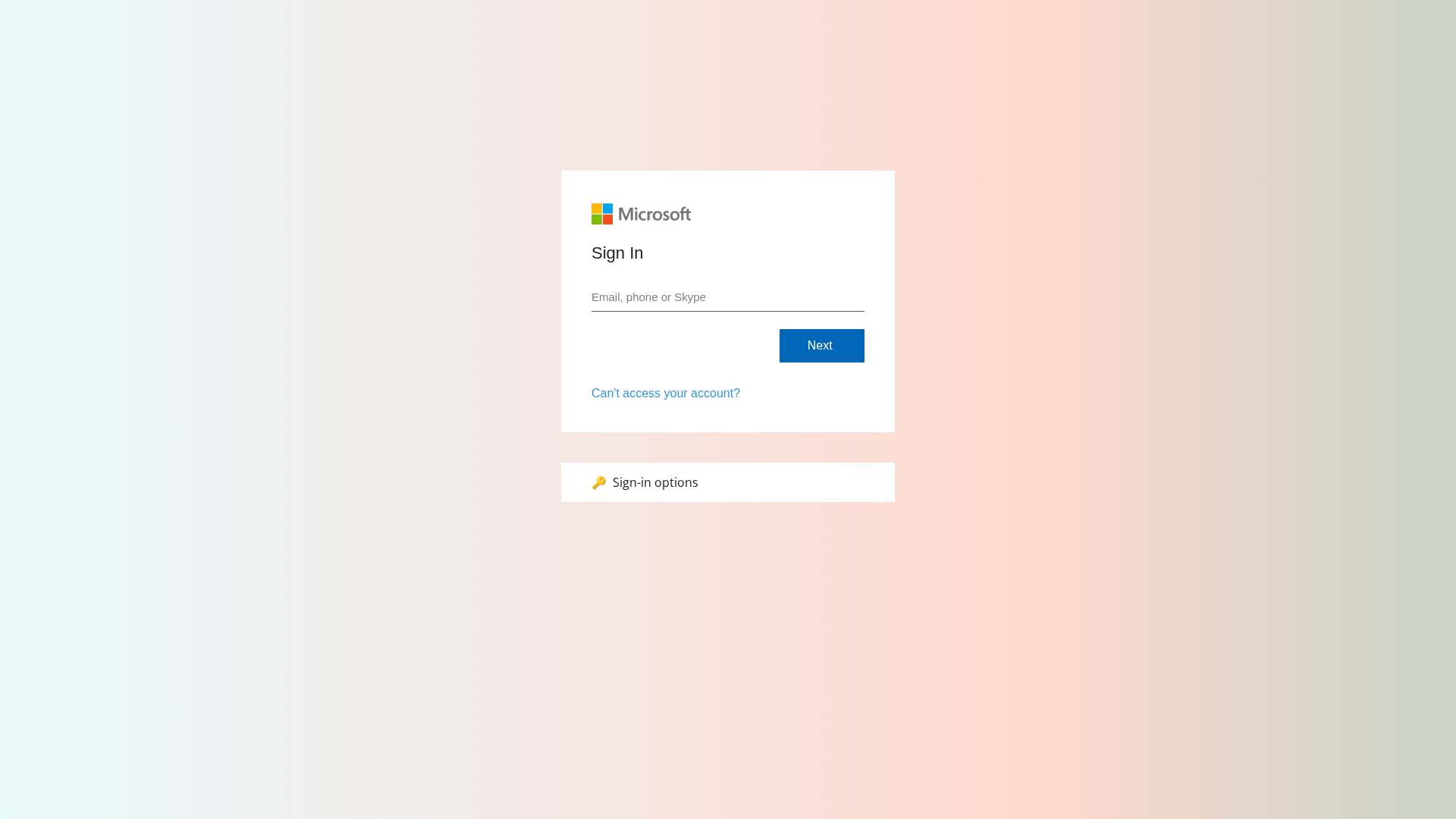
Microsoft
https://itsuppports.com/?r=2b277291-35ea-482a-853d-0c9e47520...
Jun 22, 2026
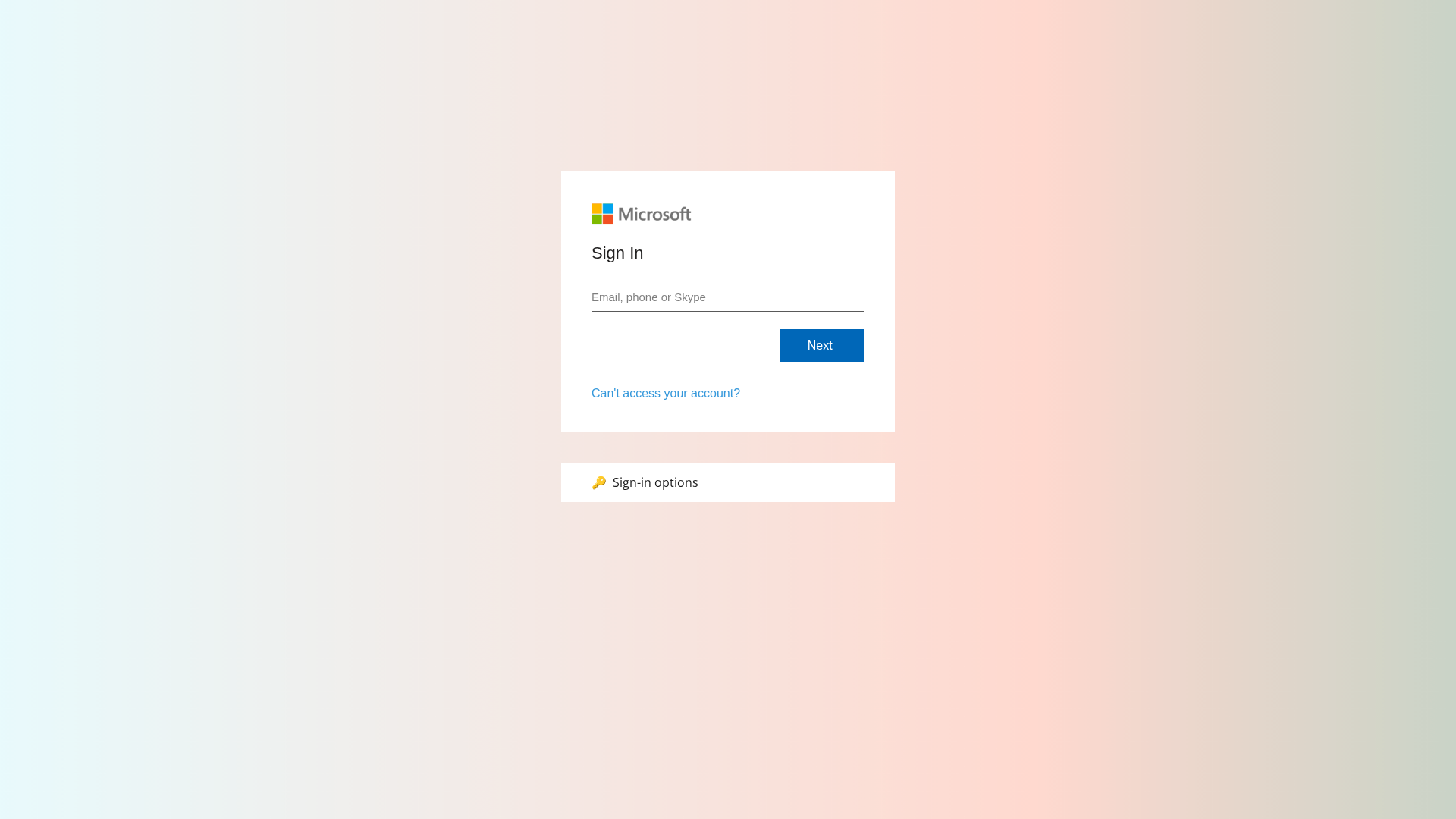
Microsoft
https://ressourceshumains.com/?r=9da3e9ff-ede7-4d51-b976-522...
Mai 02, 2026
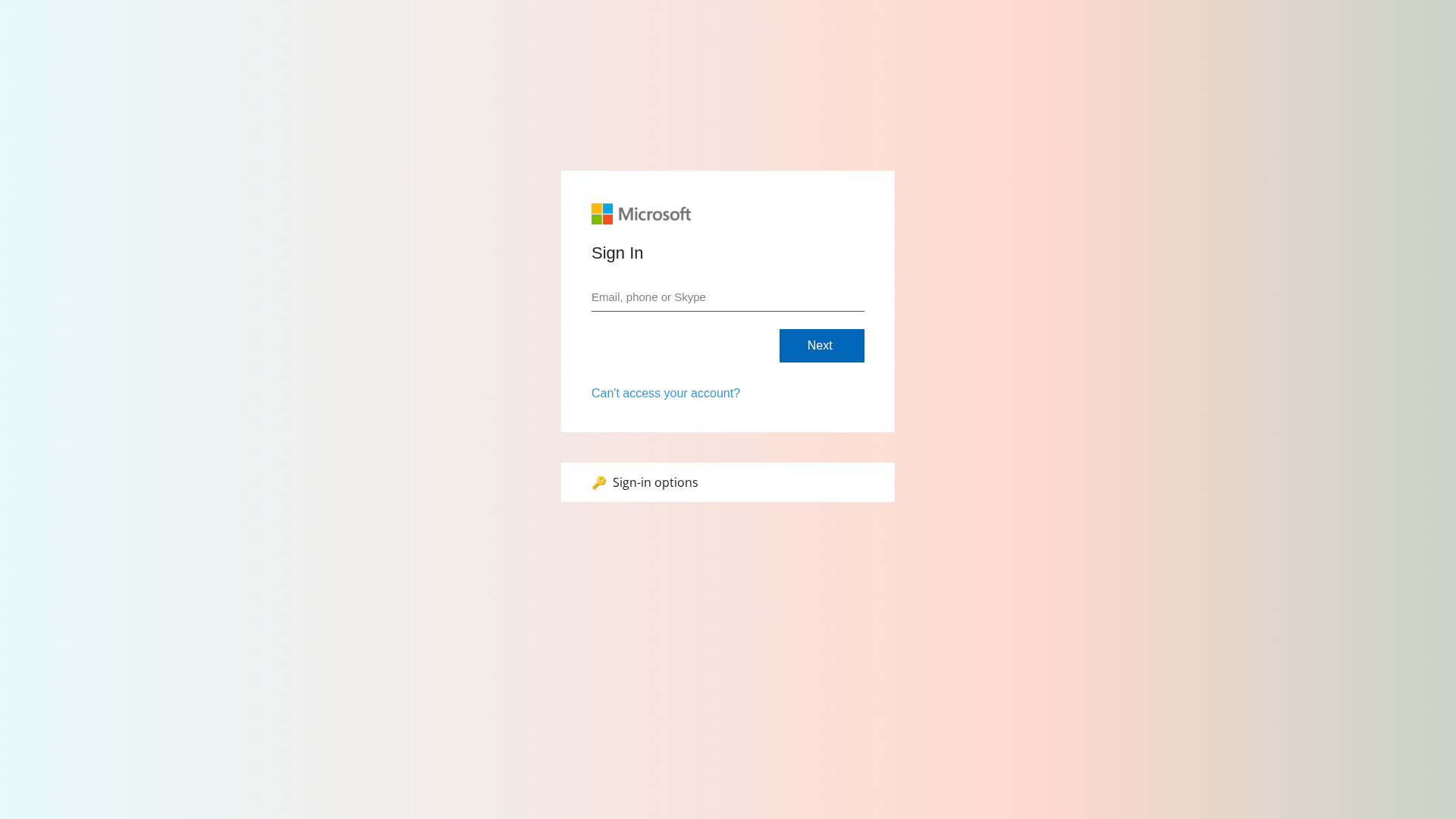
Microsoft
https://infoclientehoy.com/?r=e3d0f0cf-b523-488a-9a54-16a81e...
Abr 27, 2026
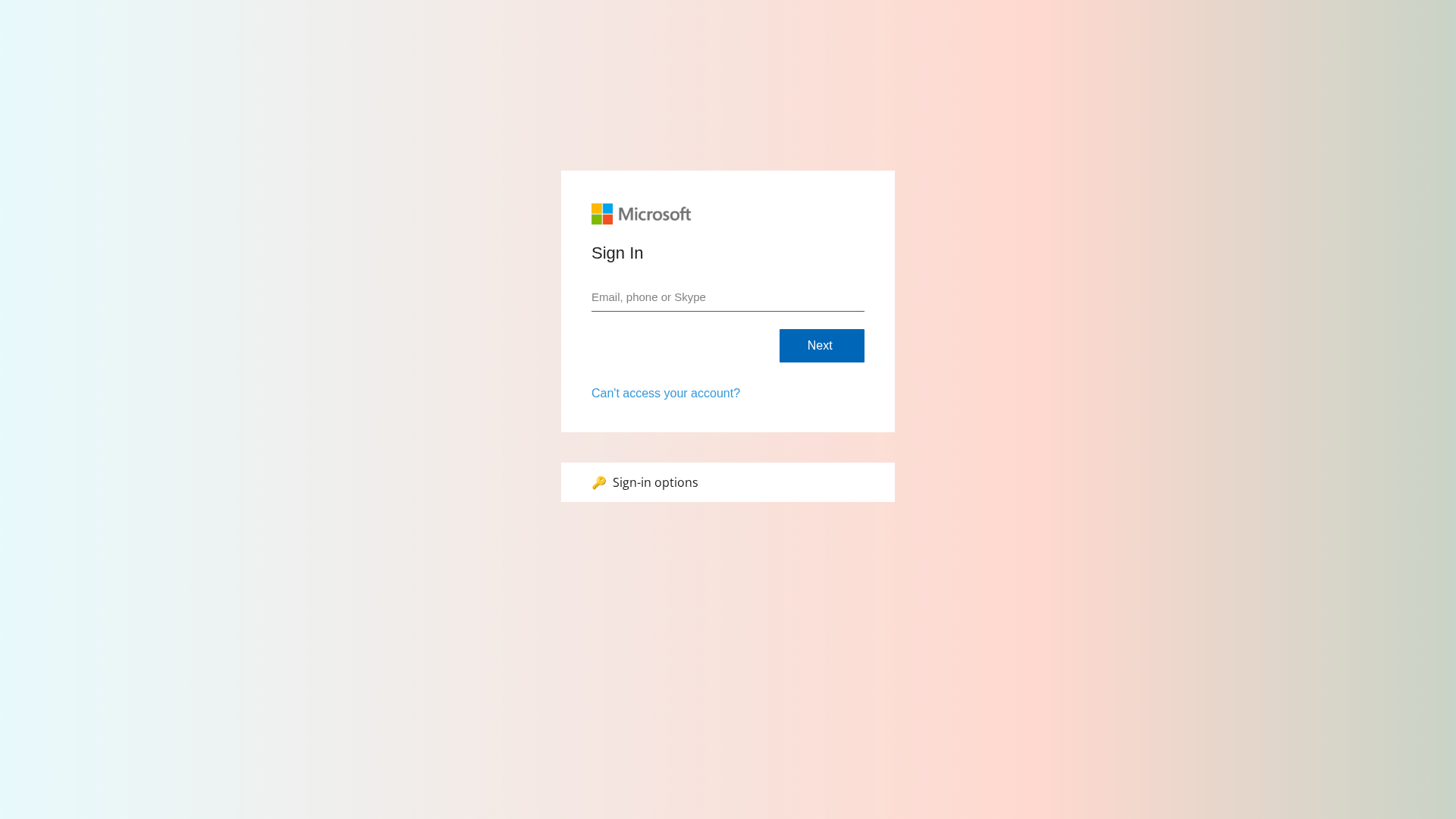
Microsoft
https://f1nancier.com/?r=a9201a8e-71b7-44e4-abec-446c89db6bf...
Abr 26, 2026
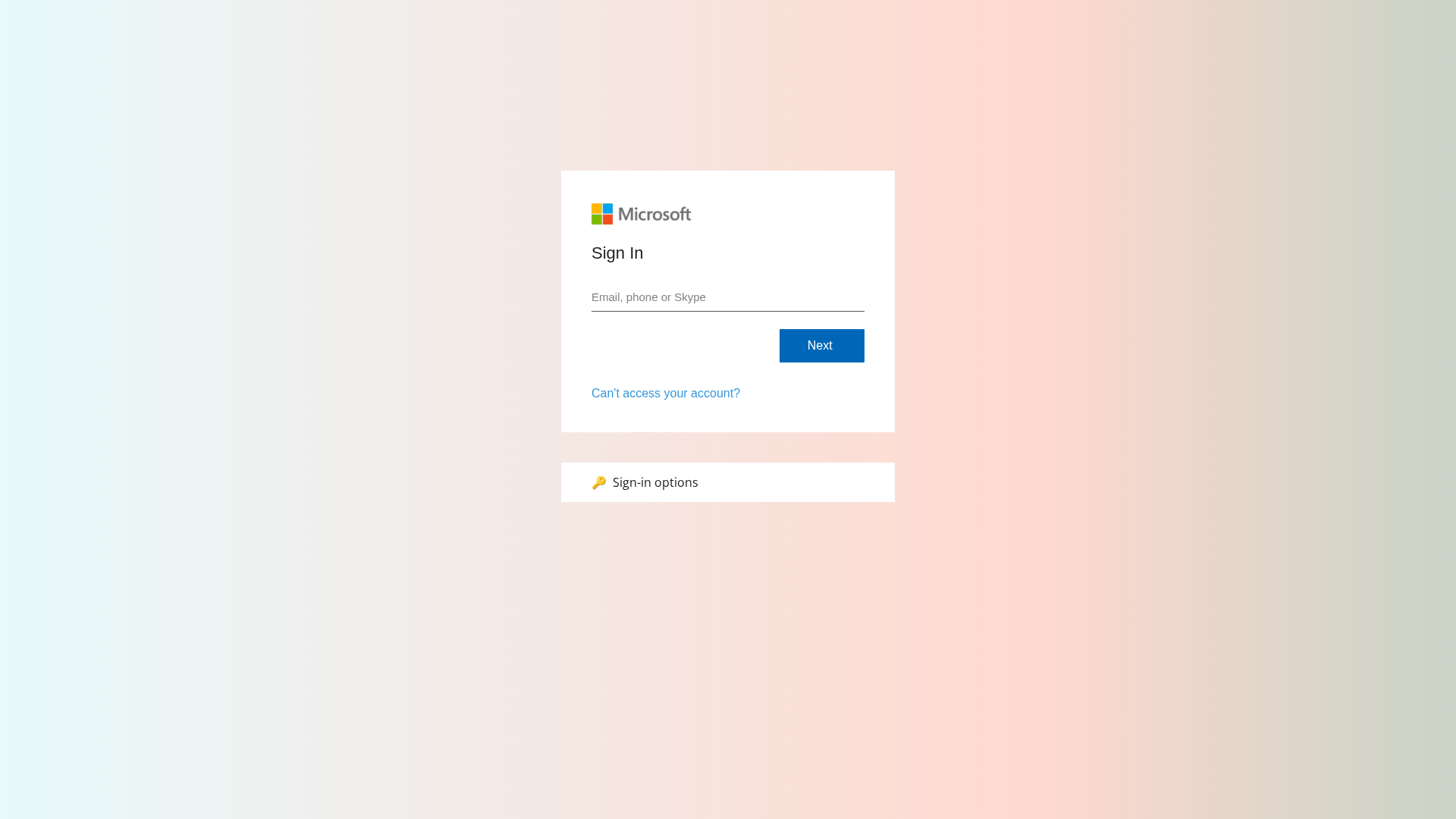
Microsoft
https://itsuppports.com/?r=c7974179-651d-4cf3-b56c-516ce385d...
Abr 24, 2026
Scan History for ressourceshumains.com
Found 10 other scans for this domain
-
https://ressourceshumains.com/?r=a1e2702e-dc68-48d...
https://||ressourceshumains.com/?r=734e2502-e654-4...
https://ressourceshumains.com/?r=734e2502-e654-45c...
https://||ressourceshumains.com/?r=6f4268a7-aed5-4...
http://ressourceshumains.com/?r=6f4268a7-aed5-4b59...
https://ressourceshumains.com/?r=0e4f4175-63b5-47e...
https://ressourceshumains.com/?r=9da3e9ff-ede7-4d5...
https://||ressourceshumains.com/?r=5bd3b478-11db-4...
https://ressourceshumains.com/?r=5bd3b478-11db-4b7...
https://ressourceshumains.com/?r=53cba9a6-c284-437...

"Nunca pensei que aconteceria comigo"
Isso dizem os 2,3 milhões de vítimas a cada ano. Não espere para ser uma estatística.