
Phishing Analysis
Detailed analysis of captured phishing page
Captura Visual
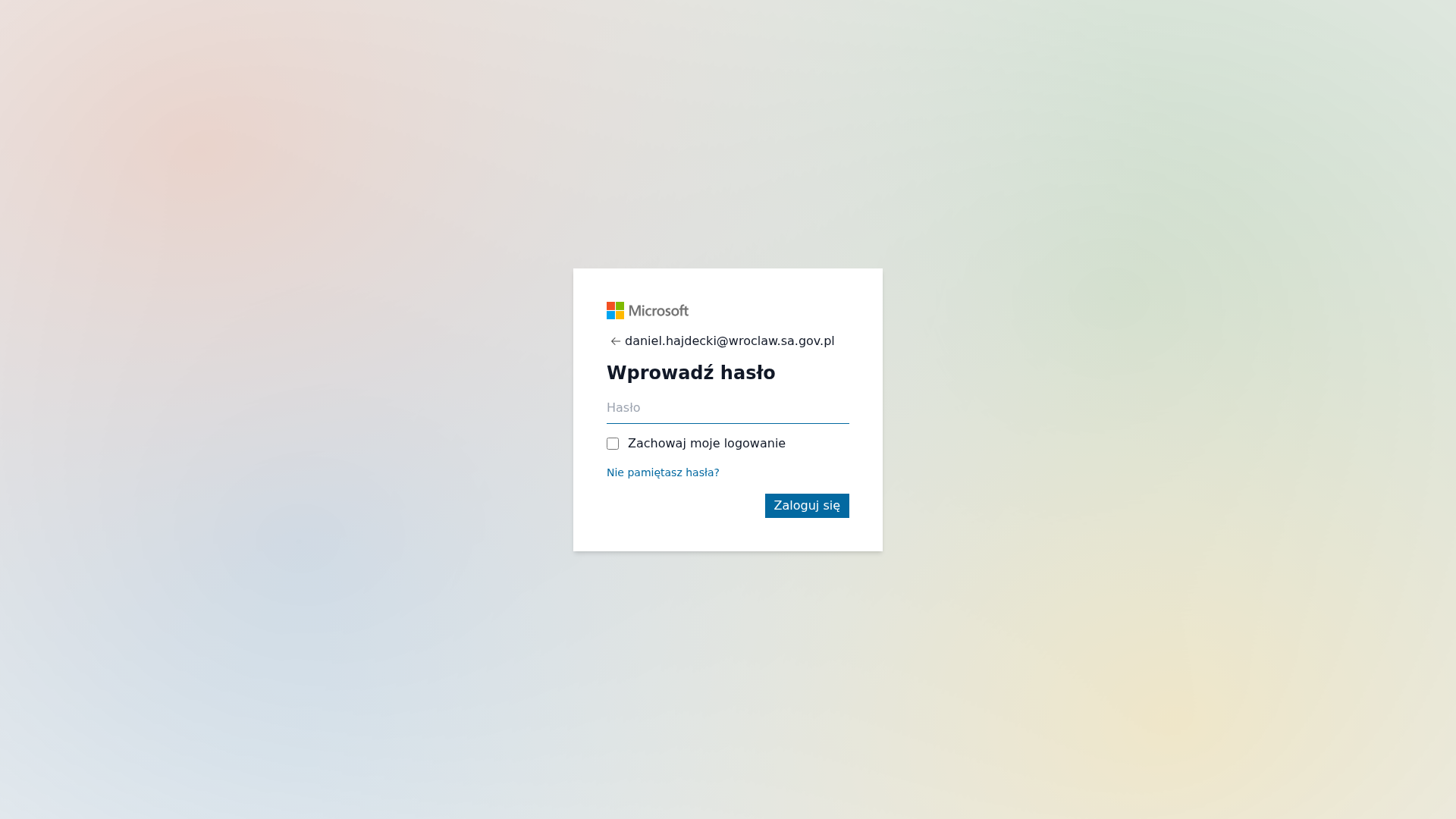
Informações de Detecção
https://u8slotei.authlnk.com/login/a20XqKnKx0Piq0L6cU5ZaaZ693BBa8yV9ziF
Detected Brand
Microsoft
Country
International
Confidence
95%
HTTP Status
200
Report ID
87958df2-526…
Analyzed
2026-02-12 23:53
Hashes de Conteúdo (Similaridade HTML)
Used to detect similar phishing pages based on HTML content
| Algorithm | Hash Value |
|---|---|
|
CONTENT
TLSH
|
T1D641243060548C27918391F17AB07F0B299AC309DA775D85B7E993BB6AD5DA4CC002A5 |
|
CONTENT
ssdeep
|
48:YoHZA04uL5to4iatHRHBYzUS9ocmy1aFDgCESBw:NAAGZ9L2E/r |
Hashes Visuais (Similaridade de Captura)
Used to detect visually similar phishing pages based on screenshots
| Algorithm | Hash Value |
|---|---|
|
VISUAL
pHash
|
9c4b6326d999cccc |
|
VISUAL
aHash
|
180018181d1f0f9f |
|
VISUAL
dHash
|
7161713331347939 |
|
VISUAL
wHash
|
191818181f1f1fff |
|
VISUAL
colorHash
|
07001000180 |
|
VISUAL
cropResistant
|
7161713331347939 |
Análise de Código
Risk Score
50/100
Threat Level
ALTO
⚠️ Phishing Confirmed
🎣 Credential Harvester
🔬 Threat Analysis Report
• Ameaça: Phishing
• Alvo: Usuários do Microsoft
• Método: Falsificação e coleta de credenciais
• Exfil: /link-action/a20XqKnKx0Piq0L6cU5ZaaZ693BBa8yV9ziF
• Indicadores: Domínio não relacionado, pedido de senha.
• Risco: Alto
🔐 Credential Harvesting Forms
📤 Form Action Targets
- /link-action/a20XqKnKx0Piq0L6cU5ZaaZ693BBa8yV9ziF
📊 Detalhamento da Pontuação de Risco
Total Risk Score
95/100
Contributing Factors
Domain Mismatch
The domain u8slotei.authlnk.com does not belong to Microsoft.
Password Request
The page is asking for the user's password, a classic sign of phishing.
Branding impersonation
Impersonating the Microsoft branding to deceive the user.
🔬 Análise Integral de Ameaças
Tipo de Ameaça
Credential Harvesting Kit
Alvo
Microsoft users (International)
Método de Ataque
Brand impersonation + credential harvesting forms
Canal de Exfiltração
HTTP POST to backend
Avaliação de Risco
MEDIUM - Automated credential harvesting with HTTP POST to backend
⚠️ Indicators of Compromise
- Kit types: Credential Harvester
🏢 Análise de Falsificação de Marca
Impersonated Brand
Microsoft
Official Website
null
Fake Service
Microsoft login
⚔️ Metodologia de Ataque
Primary Method: Credential Harvesting
The attacker aims to steal the user's Microsoft account credentials by creating a fake login page that closely resembles the official Microsoft login. The user enters their password, and the attacker captures it.
Secondary Method: Spear Phishing (Potential)
The presence of a specific target email address suggests this could be spear phishing, targeting specific individuals within the Wroclaw government. The attacker may have had prior knowledge or targeted the user.
🌐 Indicadores de Compromisso de Infraestrutura
Domain Information
Domain
u8slotei.authlnk.com
Registered
2023-03-24
Registrar
Unknown
Status
ACTIVE
🤖 AI-Extracted Threat Intelligence
Similar Websites
Pages with identical visual appearance (based on perceptual hash)
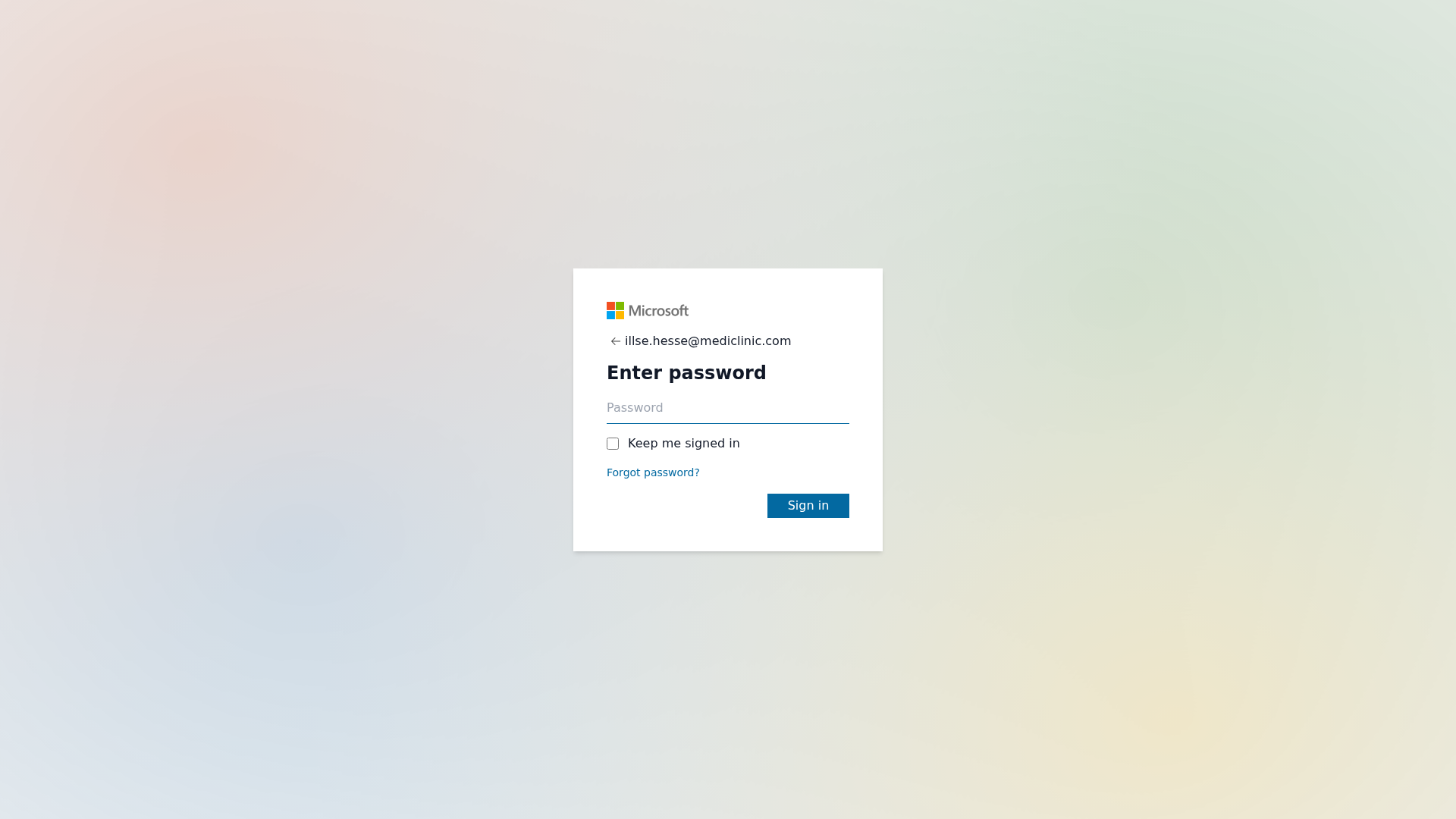
Microsoft
https://yfjlrr9c.authlnk.com/login/bimVRyWiK8ZPfoMnwBYox8XpK...
Abr 07, 2026
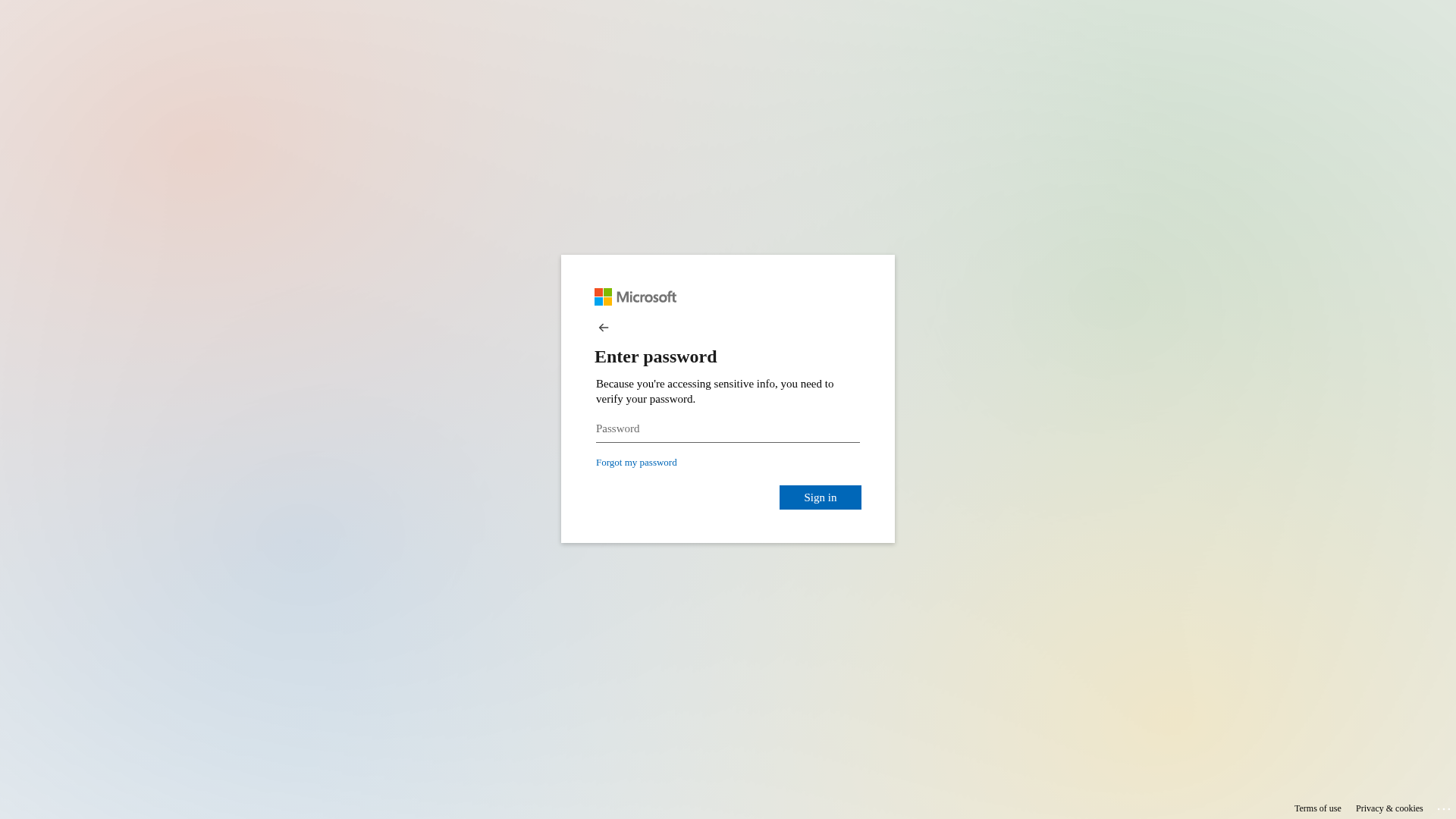
Microsoft
https://fishfiltertest.com/
Mar 26, 2026
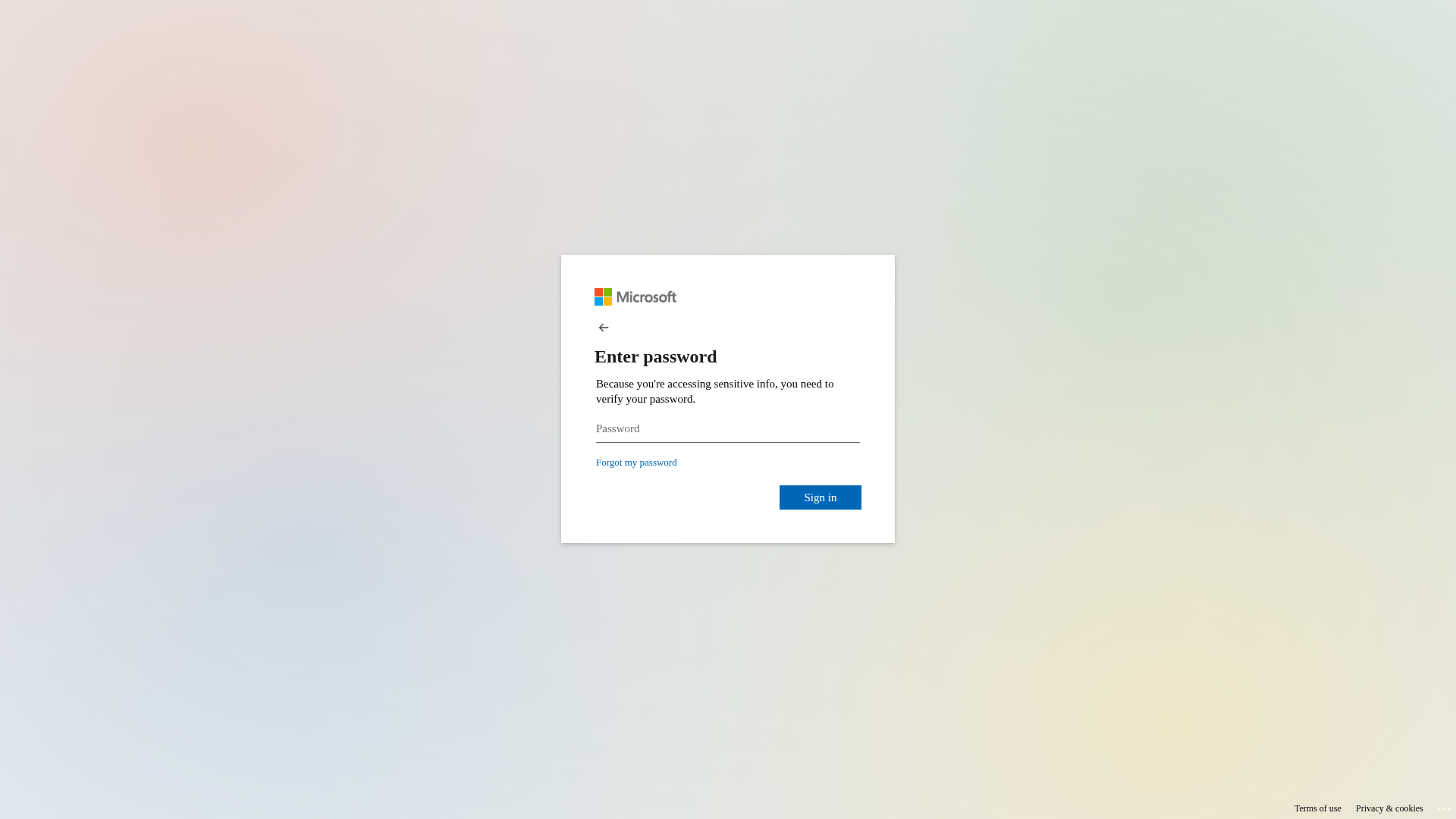
Microsoft
https://fishfiltertest.com/
Mar 25, 2026
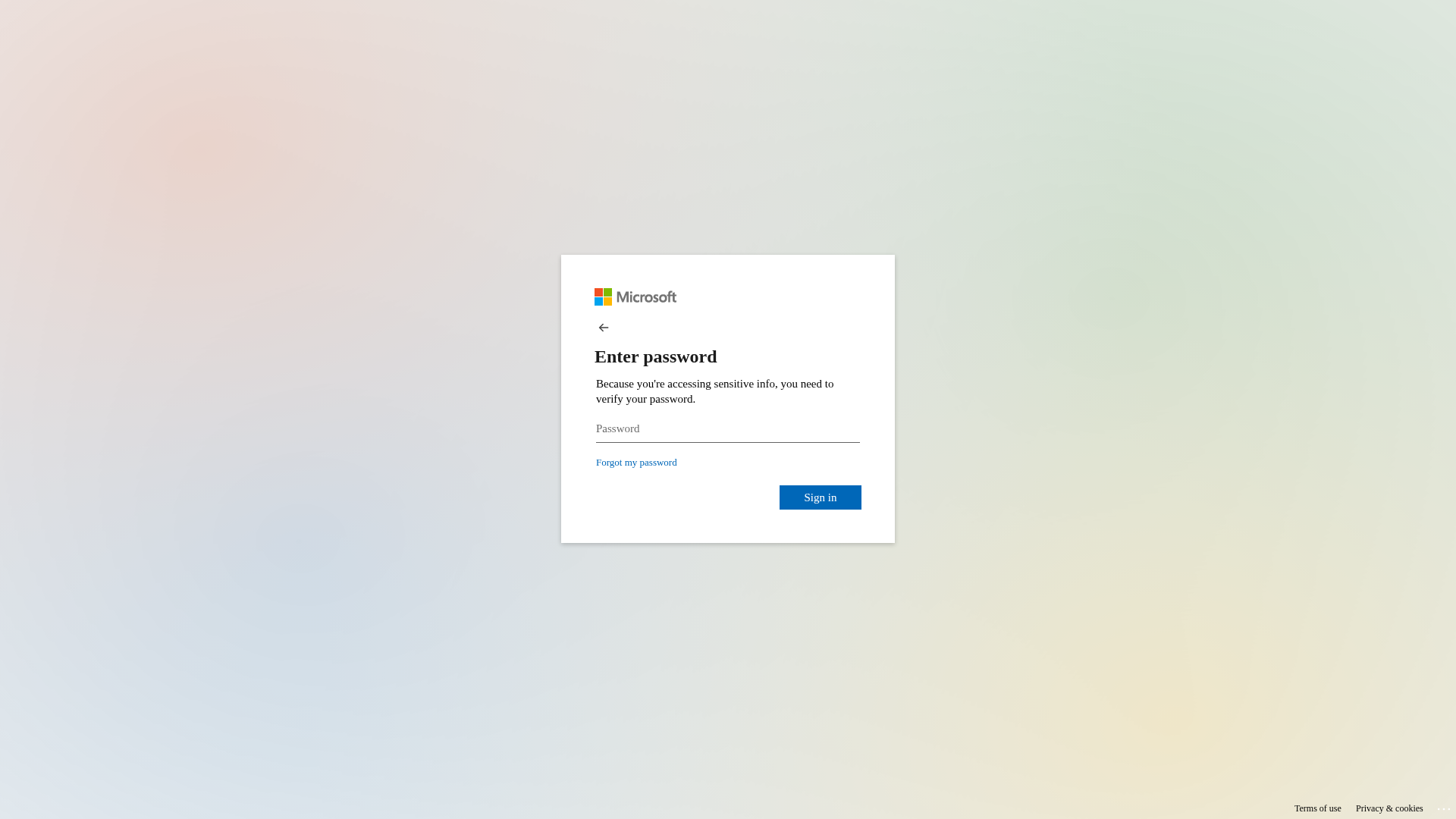
Microsoft
http://fishfiltertest.com/
Mar 20, 2026
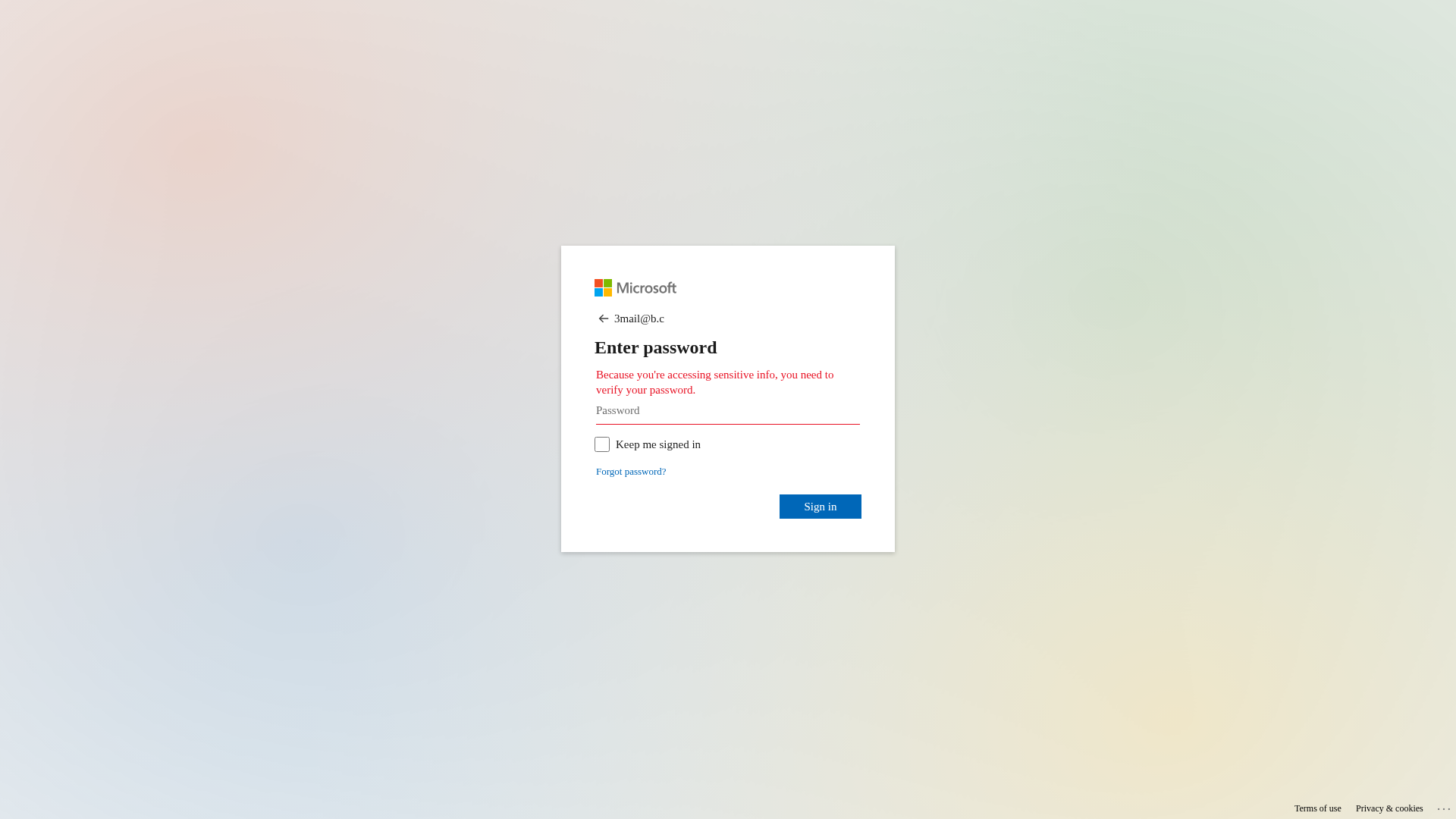
Microsoft
https://pub-edb9d7de9e6b4bafa46238b40a6750fd.r2.dev/vixel.ht...
Dez 30, 2025

"Nunca pensei que aconteceria comigo"
Isso dizem os 2,3 milhões de vítimas a cada ano. Não espere para ser uma estatística.