Phishing Analysis
Detailed analysis of captured phishing page
Captura Visual
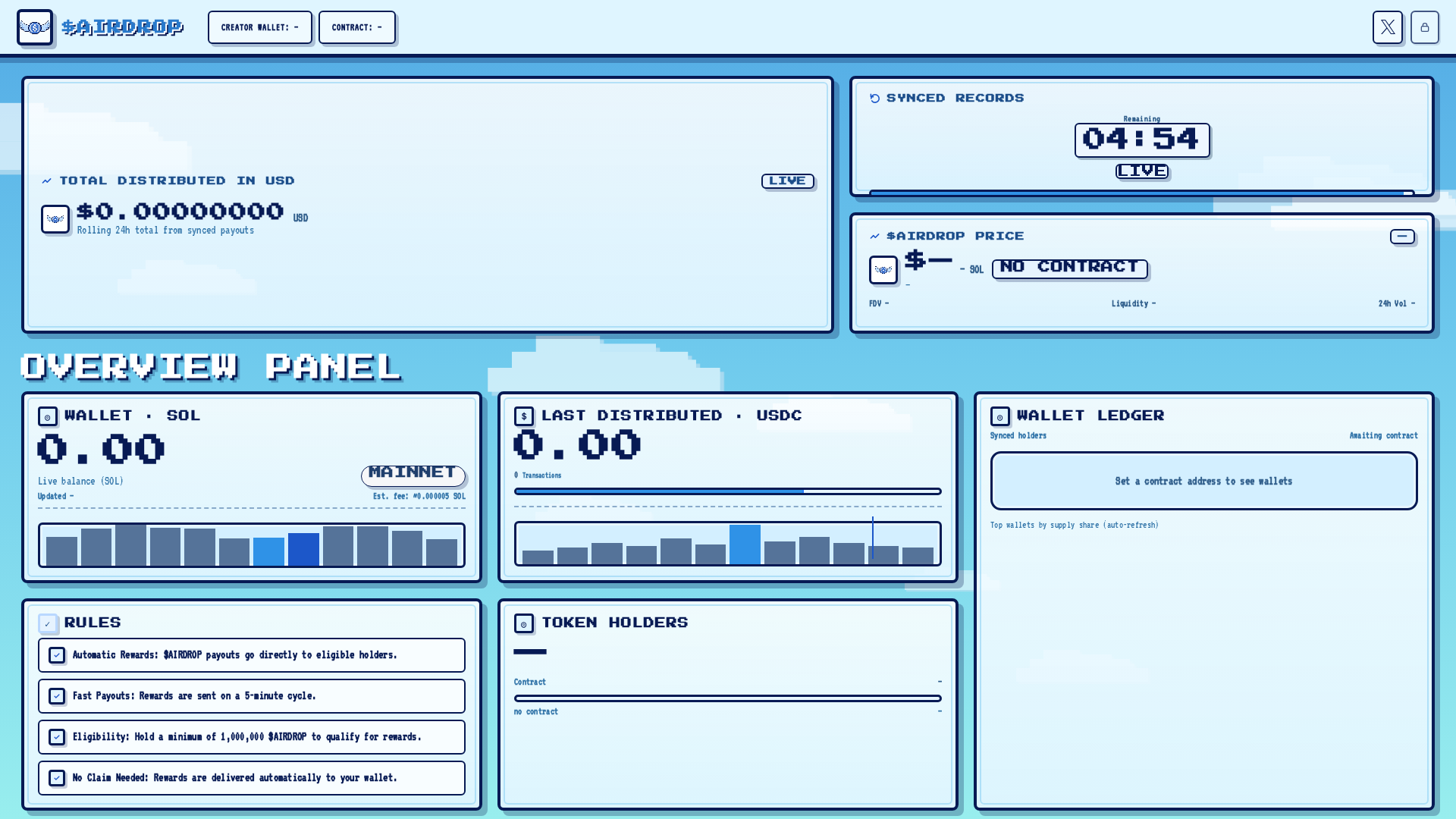
Informações de Detecção
Hashes de Conteúdo (Similaridade HTML)
Used to detect similar phishing pages based on HTML content
| Algorithm | Hash Value |
|---|---|
|
CONTENT
TLSH
|
T1E482FF718238AE379067C1DAE6F66B2A31D1C20DCA4B0211C7FD93BD5BDACA5FD16084 |
|
CONTENT
ssdeep
|
192:IuWhZdHWj9M9he9Ds/DsdCxuCh//E9woEvtp8HsiOiAE6n:8WkhwYDsdWeCtDjjn |
Hashes Visuais (Similaridade de Captura)
Used to detect visually similar phishing pages based on screenshots
| Algorithm | Hash Value |
|---|---|
|
VISUAL
pHash
|
854a9f33591736c9 |
|
VISUAL
aHash
|
00f1f3004b077f3f |
|
VISUAL
dHash
|
e6e3e6a2922e96f6 |
|
VISUAL
wHash
|
00fcfb004b077f1f |
|
VISUAL
colorHash
|
06007000000 |
|
VISUAL
cropResistant
|
e6e3e6a2922e96f6 |
Análise de Código
🔒 Obfuscation Detected
- atob
- fromCharCode
- base64_strings
📡 API Calls Detected
- GET
☁️ Cloud Backend
- Firebase: usdc-658f0-default-rtdb.firebaseio.com
- Firebase: usdc-658f0.firebaseapp.com
- Firebase: -default-rtdb.firebaseio.com
📊 Detalhamento da Pontuação de Risco
Contributing Factors
🔬 Análise Integral de Ameaças
⚠️ Indicators of Compromise
- Kit types: Credential Harvester, OTP Stealer, Banking, Personal Info
- 40 obfuscation techniques
🏢 Análise de Falsificação de Marca
⚔️ Metodologia de Ataque
Primary Method: Credential Harvesting
Victim enters username and password into fake login form. Credentials are captured via JavaScript and exfiltrated to attacker's server in real-time.
Secondary Method: JavaScript Obfuscation
Malicious code is obfuscated using 40 techniques to evade detection by security scanners and make reverse engineering more difficult.
Drainer scans for high-value tokens (USDT, USDC, SOL, memecoins) and prioritizes draining based on USD value. Low-value tokens are ignored to optimize transaction costs.
🌐 Indicadores de Compromisso de Infraestrutura
Domain Information
Hosting Information
🤖 AI-Extracted Threat Intelligence
Similar Websites
Pages with identical visual appearance (based on perceptual hash)