
Phishing Analysis
Detailed analysis of captured phishing page
Captura Visual
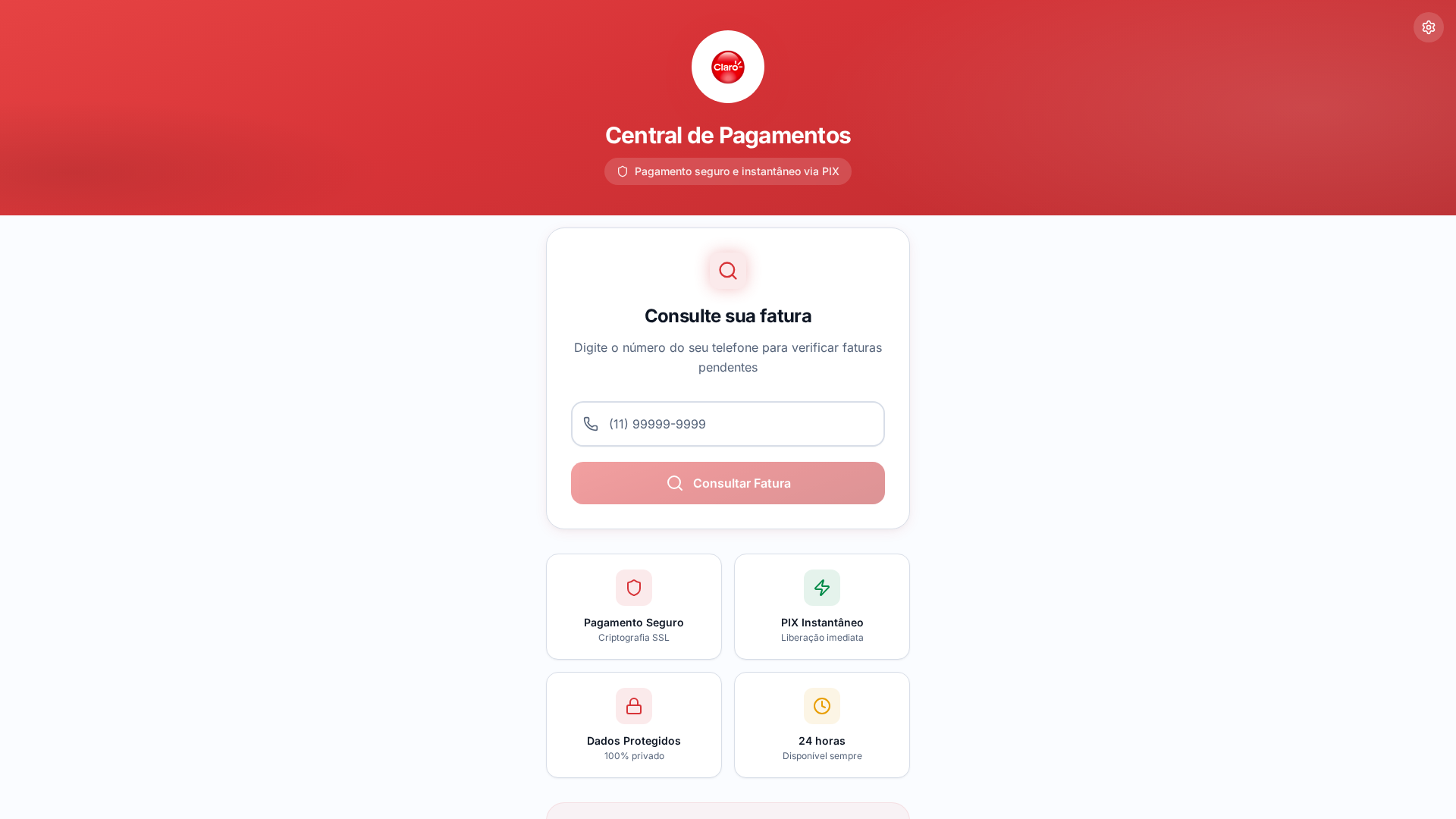
Informações de Detecção
https://pagar.faturaclaro.com/
Detected Brand
Claro
Country
Unknown
Confiança
100%
HTTP Status
200
Report ID
8b556336-fc9…
Analyzed
2026-07-23 16:24
Hashes de Conteúdo (Similaridade HTML)
Used to detect similar phishing pages based on HTML content
| Algorithm | Hash Value |
|---|---|
|
CONTENT
TLSH
|
T1E0128732120C5F7DB653CAE8F6A5B338466ED24ED65E8658E6BC02B257C3C45C433698 |
|
CONTENT
ssdeep
|
192:smMdNyjAMEQyvfgVeB80qCXVgOFjb3p8jp:pMSlIB8kXCOFXKjp |
Hashes Visuais (Similaridade de Captura)
Used to detect visually similar phishing pages based on screenshots
| Algorithm | Hash Value |
|---|---|
|
VISUAL
pHash
|
e54c4c64f2dae2e2 |
|
VISUAL
aHash
|
0000ffffffffffff |
|
VISUAL
dHash
|
17320c084c4c0c4c |
|
VISUAL
wHash
|
000000e7e7ffe7e7 |
|
VISUAL
colorHash
|
07000000007 |
|
VISUAL
cropResistant
|
884d184d0c0c084c,0f17161632b2f2d6 |
Análise de Código
Risk Score
100/100
Nível de Ameaça
ALTO
⚠️ Phishing Confirmed
🎣 Credential Harvester
🎣 OTP Stealer
🎣 Banking
🎣 Personal Info
⚡ Supabase Backend
🔒 Obfuscation Detected
- atob
- fromCharCode
📡 API Calls Detected
- /api/public/track
- POST
☁️ Cloud Backend
- Supabase: zsupynuwamnawxwcketz.supabase.co
📊 Detalhamento da Pontuação de Risco
Total Risk Score
100/100
Contributing Factors
Active Phishing Kit
Detected kit types: Credential Harvester, OTP Stealer, Banking, Personal Info
Code Obfuscation
JavaScript code obfuscated using 11 technique(s) to evade detection
🔬 Análise Integral de Ameaças
Tipo de Ameaça
Banking Credential Harvester
Alvo
Claro users
Método de Ataque
obfuscated JavaScript
Canal de Exfiltração
Supabase Database
Avaliação de Risco
CRITICAL - Automated credential harvesting with Supabase Database
⚠️ Indicators of Compromise
- Kit types: Credential Harvester, OTP Stealer, Banking, Personal Info
- 11 obfuscation techniques
🏢 Análise de Falsificação de Marca
Impersonated Brand
Claro
Official Website
N/A
Fake Service
Banking/payment service
⚔️ Metodologia de Ataque
Primary Method: Credential Harvesting
Victim enters username and password into fake login form. Credentials are captured via JavaScript and exfiltrated to attacker's server in real-time.
Secondary Method: JavaScript Obfuscation
Malicious code is obfuscated using 11 techniques to evade detection by security scanners and make reverse engineering more difficult.
Target Blockchain
Multiple blockchains
Whitelist Bypass
YES
Drainer supports multiple blockchain networks and checks for high-value tokens on each chain before executing drain operations.
🌐 Indicadores de Compromisso de Infraestrutura
Domain Information
Domínio
pagar.faturaclaro.com
Registered
2026-06-11 13:18:00+00:00
Registrar
Dynadot Inc
Estado
Active (42 days old)
Hosting Information
Provider
Dynadot Inc
ASN
🤖 AI-Extracted Threat Intelligence

"Nunca pensei que aconteceria comigo"
Isso dizem os 2,3 milhões de vítimas a cada ano. Não espere para ser uma estatística.