
Phishing Analysis
Detailed analysis of captured phishing page
Captura Visual
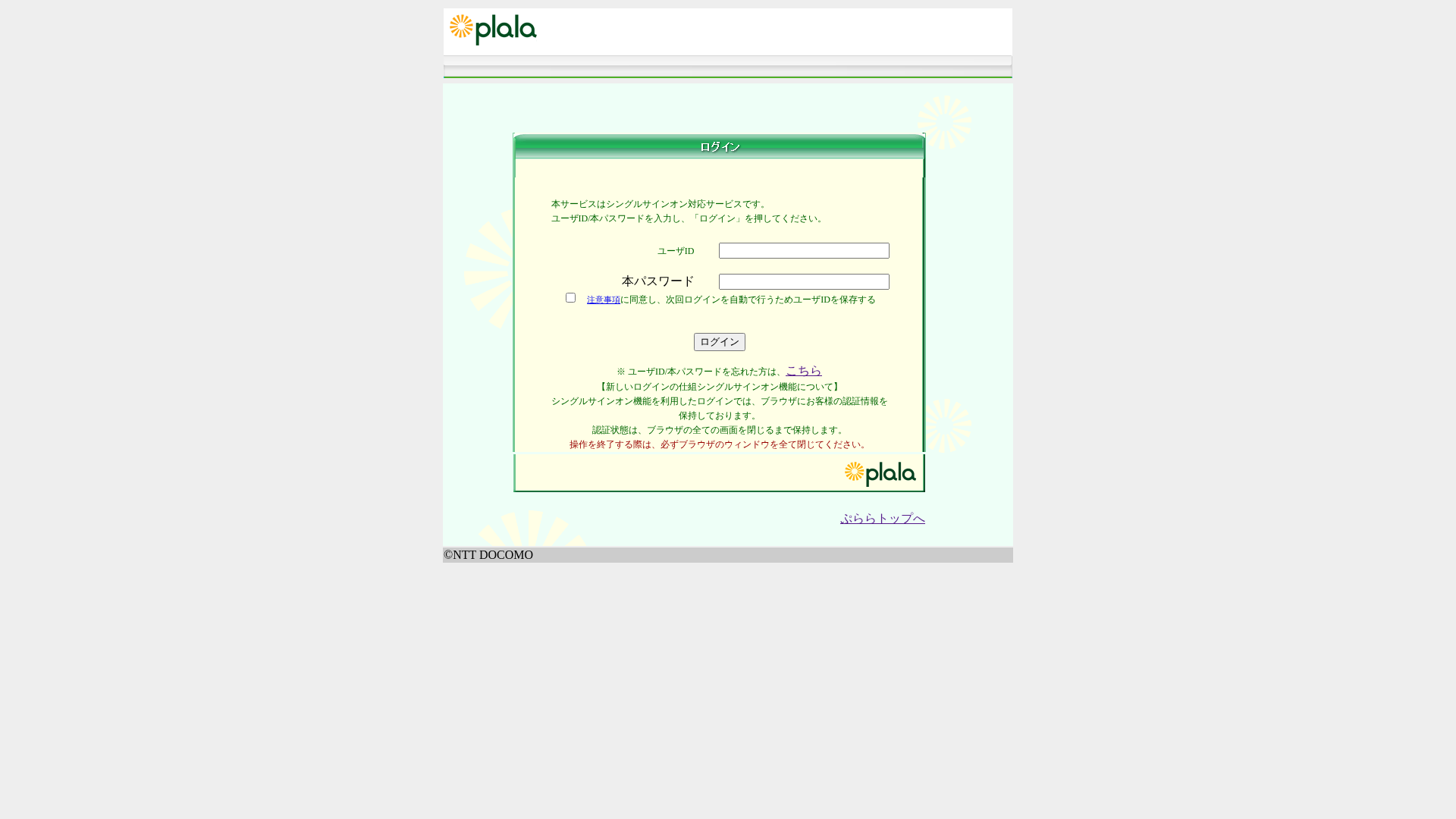
Informações de Detecção
https://candidtechnologies.co/master/upgrde/pla_bins/login2.php
Detected Brand
plala
Country
International
Confiança
100%
HTTP Status
200
Report ID
8fe5e55a-607…
Analyzed
2026-02-13 00:52
Hashes de Conteúdo (Similaridade HTML)
Used to detect similar phishing pages based on HTML content
| Algorithm | Hash Value |
|---|---|
|
CONTENT
TLSH
|
T1A1B1C01493412B0E64A591F6C3606FA843E28C2ED7321958985EE63F1CCD54EED6BBFC |
|
CONTENT
ssdeep
|
96:jN4CpfHSfo47lGCty5vk+7TSTre5b1/LhC5Sb3yJSLP0z3lKZVwcbwYxyCPoZz0F:jWUyUBWcb10KibALJxawD |
Hashes Visuais (Similaridade de Captura)
Used to detect visually similar phishing pages based on screenshots
| Algorithm | Hash Value |
|---|---|
|
VISUAL
pHash
|
969339389e9998dc |
|
VISUAL
aHash
|
1c243c3c3c000000 |
|
VISUAL
dHash
|
394d686865140000 |
|
VISUAL
wHash
|
1c243c3c3f030f0f |
|
VISUAL
colorHash
|
07050000400 |
|
VISUAL
cropResistant
|
394d686865140000 |
Análise de Código
Risk Score
82/100
Nível de Ameaça
ALTO
⚠️ Phishing Confirmed
🎣 Credential Harvester
🎣 Banking
🎣 Personal Info
🔬 Threat Analysis Report
• Ameaça: Phishing de credenciais
• Alvo: Usuários do plala
• Método: Imitação da página de login
• Exfil: cgi-binsso/pf/agent_sso.php
• Indicadores: Formulários solicitando credenciais, domínio suspeito
• Risco: ALTO
🔐 Credential Harvesting Forms
🔒 Obfuscation Detected
- fromCharCode
- document.write
- hex_escape
- base64_strings
🎯 Kit Endpoints
- https://candidtechnologies.co/master/upgrde/pla_bins/files/common.js.download
- http://www.plala.or.jp/
- https://candidtechnologies.co/master/upgrde/pla_bins/files/tags.js.download
- https://candidtechnologies.co/master/upgrde/pla_bins/files/script.js.download
📤 Form Action Targets
- cgi-binsso/pf/agent_sso.php
📊 Detalhamento da Pontuação de Risco
Total Risk Score
90/100
Contributing Factors
Active Phishing Kit
The site is actively attempting to steal user credentials through a convincing, but fake, login form.
Domain Mismatch
The domain does not belong to the brand being impersonated (plala).
🔬 Análise Integral de Ameaças
Tipo de Ameaça
Banking Credential Harvester
Alvo
plala users (International)
Método de Ataque
Brand impersonation + credential harvesting forms + obfuscated JavaScript
Canal de Exfiltração
HTTP POST to backend
Avaliação de Risco
CRITICAL - Automated credential harvesting with HTTP POST to backend
⚠️ Indicators of Compromise
- Kit types: Credential Harvester, Banking, Personal Info
- 130 obfuscation techniques
🏢 Análise de Falsificação de Marca
Impersonated Brand
plala
Fake Service
Login
⚔️ Metodologia de Ataque
Primary Method: Credential Harvesting
The attacker is using a fake login form to collect user credentials.
🌐 Indicadores de Compromisso de Infraestrutura
🦠 Malicious Files
Main File
tdz_8e2a25279bc64e9ab2f073b3c73f45ac.js
File Size
📊 Diagrama de Fluxo de Ataque
1. Step 1: Malicious script loads and decrypts strings (e.g., form fields, C2 URL)
2. Step 2: Dynamic form injection into the DOM (likely via td_5a.td_4w or similar)
3. Step 3: User enters credentials into fake banking form
4. Step 4: td_5a.td_5y captures input data
5. Step 5: td_5a.td_2d initializes XMLHttpRequest and sends data to C2 server
🔬 JavaScript Deep Analysis
Total Code Size
105,0 KB
🔗 API Endpoints Detected
Other
1
🔐 Obfuscation Detected
- : Moderate
- : None
- : None
🤖 AI-Extracted Threat Intelligence
📊 Attack Flow
1. Step 1: Malicious script loads and decrypts strings (e.g., form fields, C2 URL)
2. Step 2: Dynamic form injection into the DOM (likely via td_5a.td_4w or similar)
3. Step 3: User enters credentials into fake banking form
4. Step 4: td_5a.td_5y captures input data
5. Step 5: td_5a.td_2d initializes XMLHttpRequest and sends data to C2 server
🎯 Malicious Files Identified
Main Drainer
tdz_8e2a25279bc64e9ab2f073b3c73f45ac.jsFile Size
450KB-600KB
Malicious Functions
td_5a.td_2d (XMLHttpRequest initializer)td_5a.tdz_8e2a25279bc64e9ab2f073b3c73f45ac.td_f (string decryption)td_5a.td_2m (ActiveX fallback)td_5a.td_4w (likely form submission handler, from Round 1)td_5a.td_5y (likely data collection, from Round 1)
Similar Websites
Pages with identical visual appearance (based on perceptual hash)
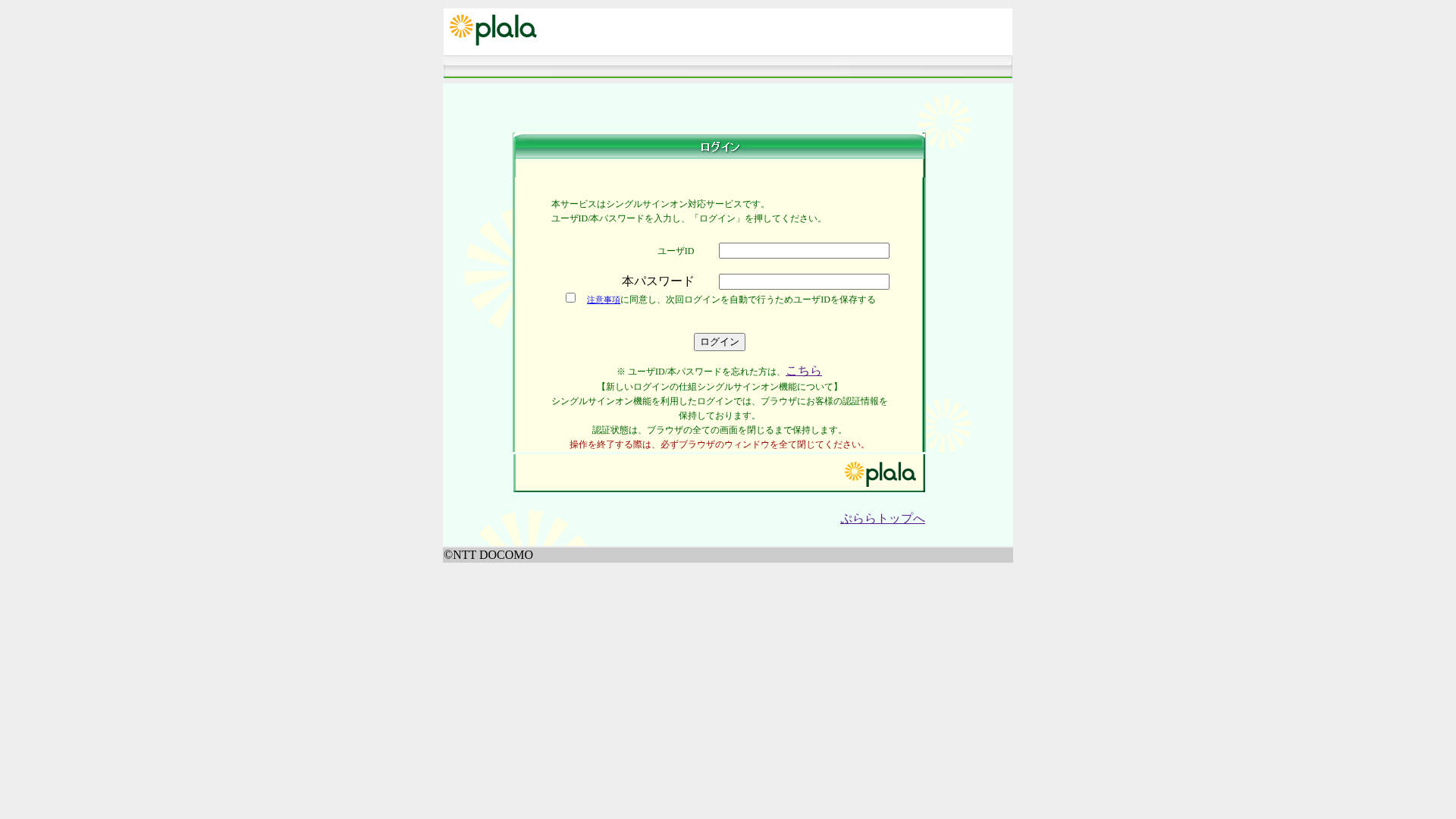
plala
https://azultienda.com.mx/upro/sso.login/login2.php
Fev 06, 2026
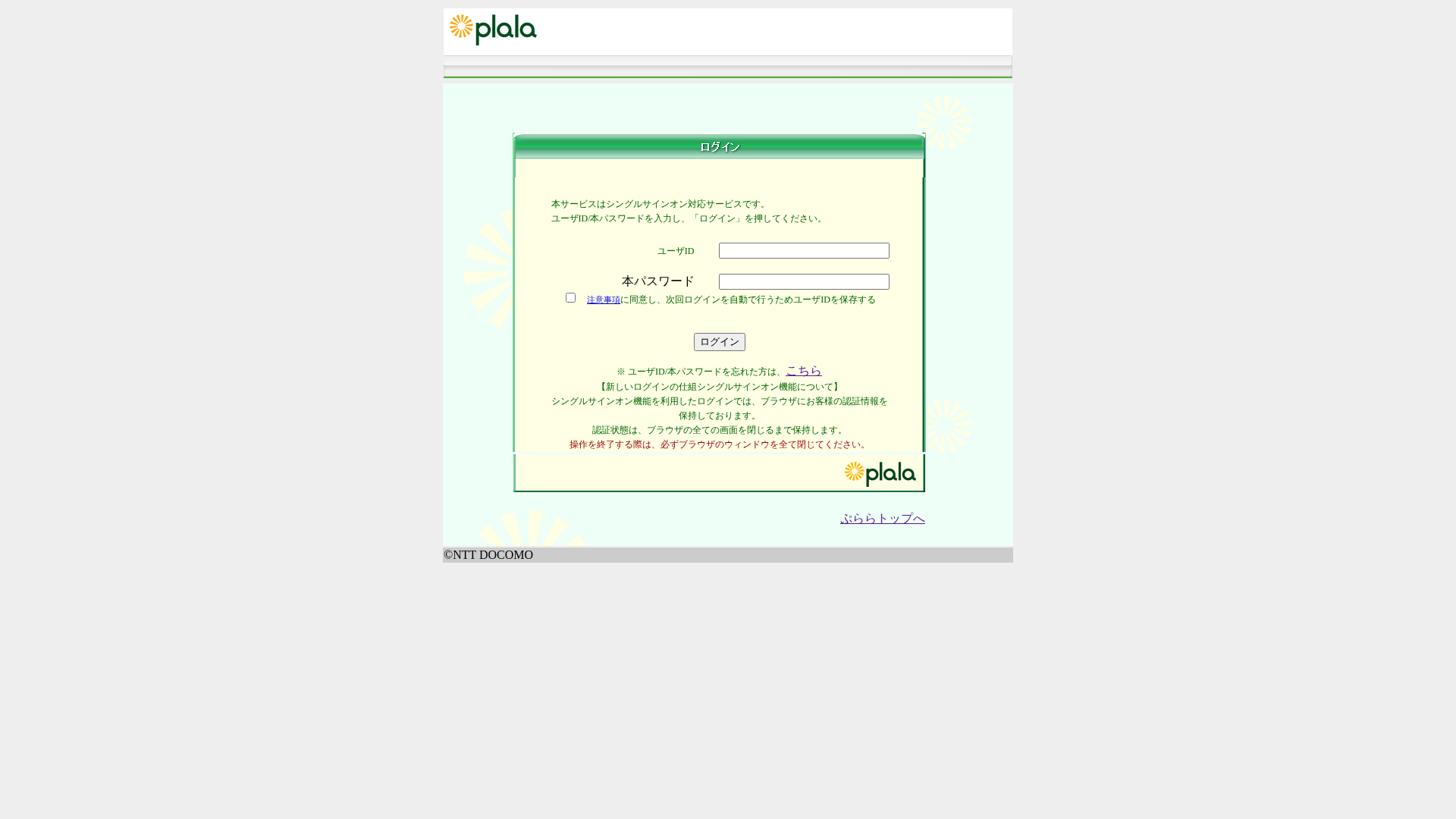
plala
https://hellofoody.xyz/login.plala/login2.php
Fev 04, 2026
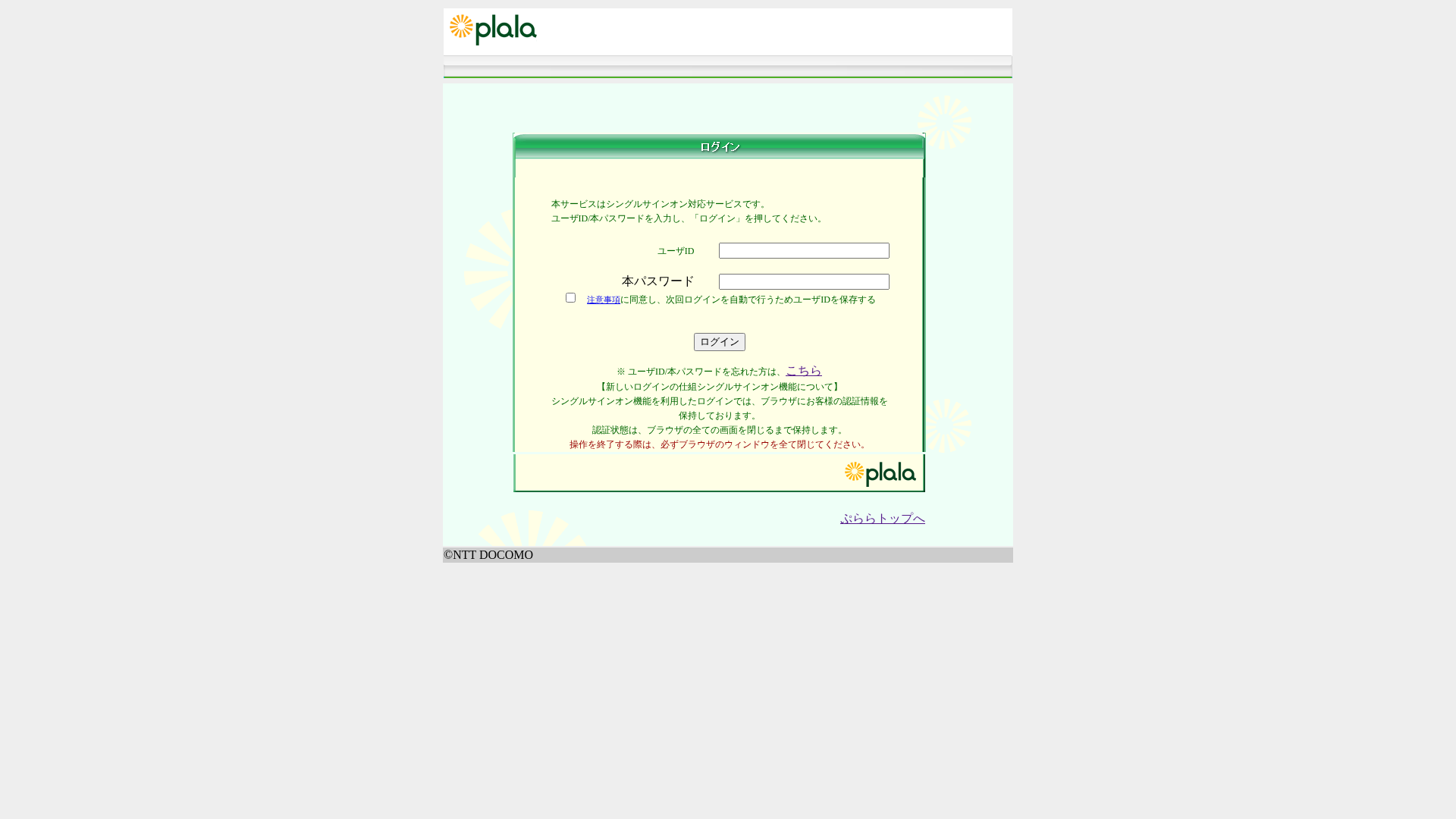
plala
https://sdnancol01.sch.id/dwagg/sso.login/login2.php
Jan 28, 2026
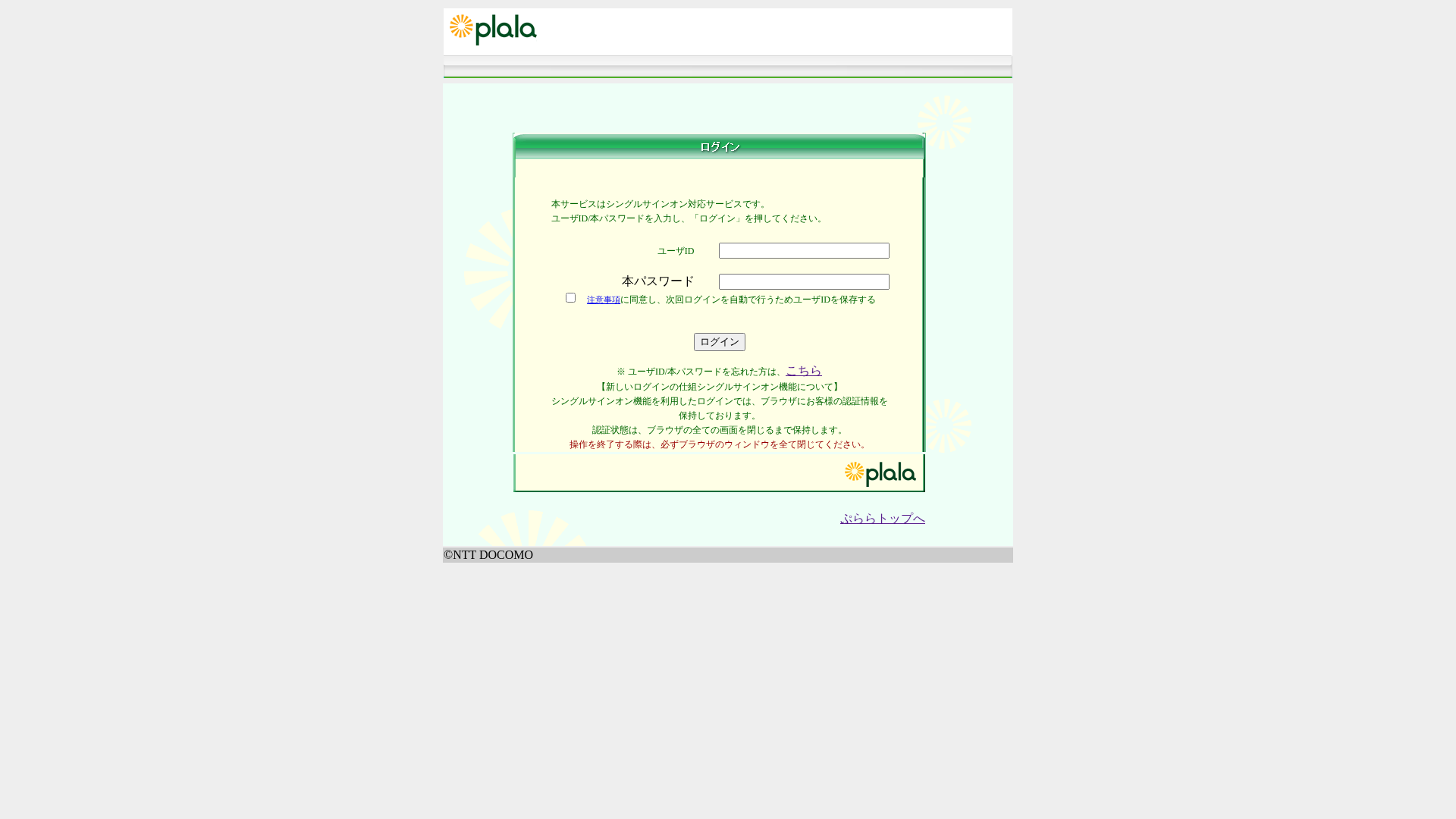
plala
https://packages.soulservices.com/activeplala/sso.login/logi...
Jan 27, 2026
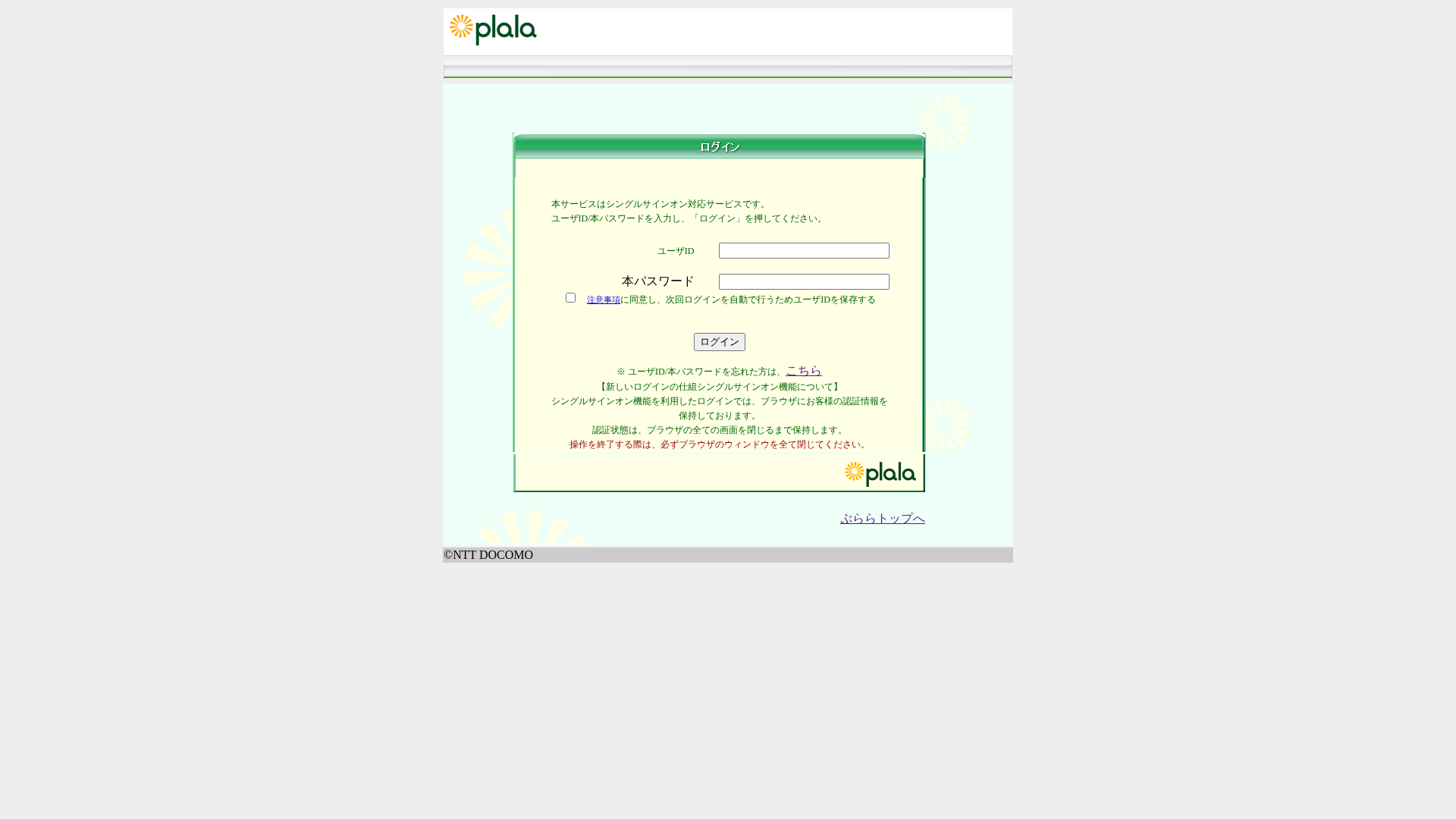
Plala
https://sdnancol01.sch.id/dwagg/sso.login/login2.php
Jan 21, 2026
Scan History for candidtechnologies.co
Found 4 other scans for this domain

"Nunca pensei que aconteceria comigo"
Isso dizem os 2,3 milhões de vítimas a cada ano. Não espere para ser uma estatística.