
Phishing Analysis
Detailed analysis of captured phishing page
Captura Visual
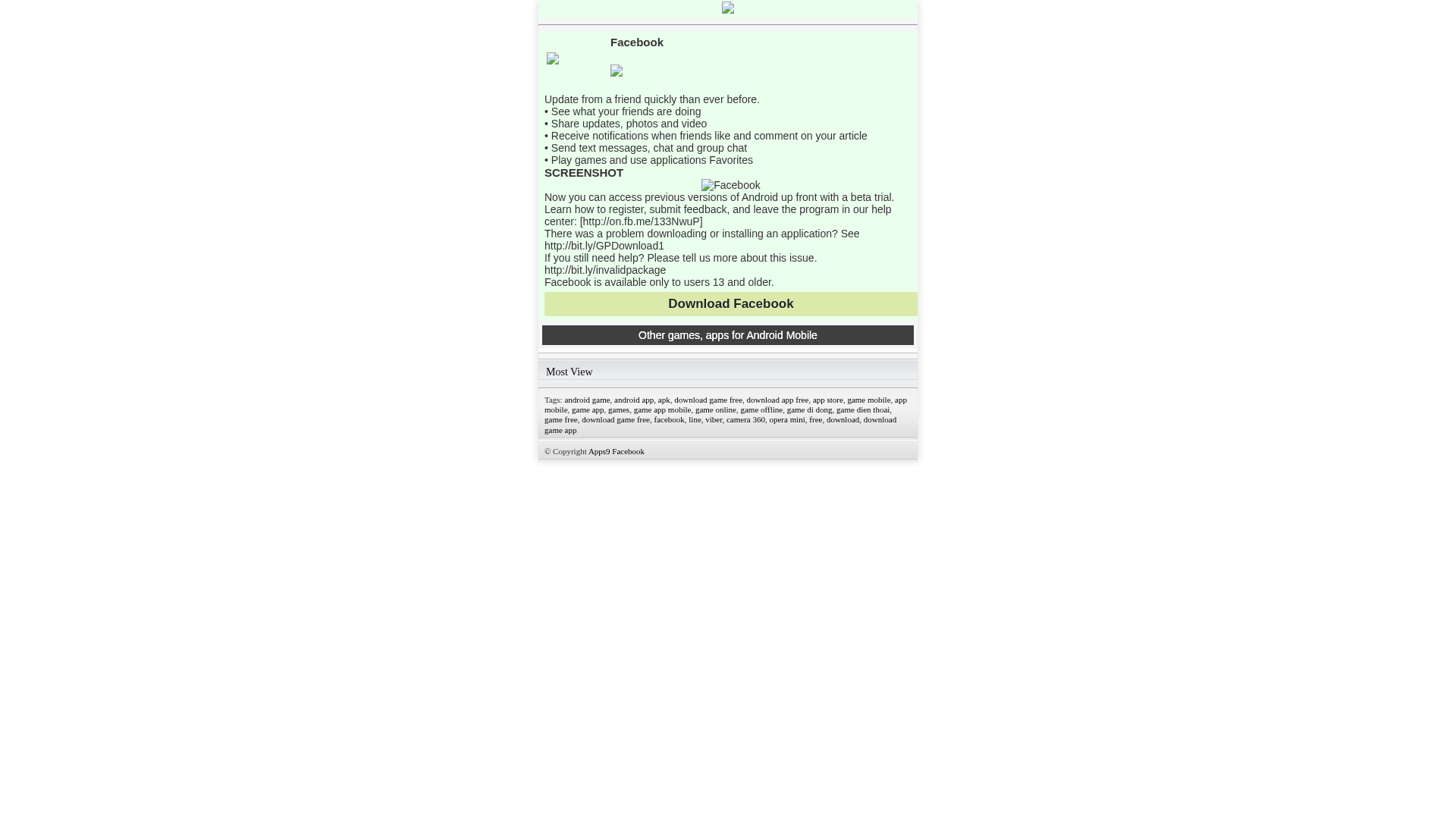
Informações de Detecção
https://www.apps9-facebook.blogspot.com/
Detected Brand
Facebook
Country
Unknown
Confiança
100%
HTTP Status
200
Report ID
91c0eba8-ef5…
Analyzed
2026-07-11 22:09
Final URL (after redirects)
https://apps9-facebook.blogspot.com/
Hashes de Conteúdo (Similaridade HTML)
Used to detect similar phishing pages based on HTML content
| Algorithm | Hash Value |
|---|---|
|
CONTENT
TLSH
|
T14EE1856B5146E81A1AB3C2BCFA60771CDD839A86C7435D4991F88F6E6FC4FA1C40136E |
|
CONTENT
ssdeep
|
96:HlR5Pz6CFCvqYIJ3BsBItw/YIxZqJJMVEIki9U8tgF1vT4Iq76IvoxVhFv1odu:HlX5MiZqSw/nZVgi9U8ty1ba+Hxiu |
Hashes Visuais (Similaridade de Captura)
Used to detect visually similar phishing pages based on screenshots
| Algorithm | Hash Value |
|---|---|
|
VISUAL
pHash
|
b33399cc6666cc98 |
|
VISUAL
aHash
|
e7e7e7c3e7ffffff |
|
VISUAL
dHash
|
0c0c4c4d0c000800 |
|
VISUAL
wHash
|
c0c0c0c0c0fcfcfc |
|
VISUAL
colorHash
|
07040006000 |
|
VISUAL
cropResistant
|
0c0c4c4d0c000800 |
Análise de Código
Risk Score
85/100
Nível de Ameaça
ALTO
⚠️ Phishing Confirmed
🎣 Credential Harvester
🎣 OTP Stealer
🎣 Personal Info
🔒 Obfuscation Detected
- eval
- fromCharCode
- unescape
- document.write
- hex_escape
- unicode_escape
🎯 Kit Endpoints
- https://www.blogger.com/profile/08766033240948775135
- https://lh3.googleusercontent.com/blogger_img_proxy/AEn0k_uowJmsFXaXF5Fz4Npha2T0Y38BBrRk7uK992tmCS3SjGXut80VctZGGOm_NOtqk32srTA1MzjBJLebK7aIfiHwglNfvil9vMEdjrS4g9PA8dA=s0-d
- https://apps9-facebook.blogspot.com/
- https://lh3.googleusercontent.com/blogger_img_proxy/AEn0k_uw9TzEqm8F0u63nTwI94SIc5NwGw6NxKBBvgdFAd99YKMGQFjrmwQ6RG73eWlZ3oIKsu8W9irBtn2Iao06prg6Q_XPbvwnGfaLnfvSaELHHa8OFKAYOBQ=s0-d
- https://www.blogger.com/dyn-css/authorization.css?targetBlogID=1180064381159681839&zx=4e4592d9-d9d4-4173-a8c9-989705adddd0
- https://apps9-facebook.blogspot.com/feeds/posts/default
- https://www.blogger.com/navbar/1180064381159681839?origin=https://apps9-facebook.blogspot.com&usegapi=1&jsh=m%3B%2F_%2Fscs%2Fabc-static%2F_%2Fjs%2Fk%3Dgapi.lb.en.9vdPKhB0RUg.O%2Fd%3D1%2Frs%3DAHpOoo97anj7zZ432JcN58tqJJp_A6WeOw%2Fm%3D__features__#id=navbar-iframe&_gfid=navbar-iframe&parent=https%3A%2F%2Fapps9-facebook.blogspot.com&pfname=&rpctoken=30595842
- http://apps9-facebook.blogspot.com/
- https://lh3.googleusercontent.com/blogger_img_proxy/AEn0k_vSGoxAfiyvYlua98lIGgM1UBcuOif9PhV5qn5pEwR1VJ4oEve_cs3Vfb1GQIH1w-tdX2KtgDeJMVoKLBQuOXDYjAWYotK6cKQif1Bsx9lUZ_D5MffVMuc8TPgdWgUizddjemgVlHHOiVOH=s0-d
- https://www.blogger.com/feeds/1180064381159681839/posts/default
- https://apps9-facebook.blogspot.com/feeds/posts/default?alt=rss
- https://lh3.googleusercontent.com/blogger_img_proxy/AEn0k_vthiZIVo3ndBmt_SuR6AQQvUy4rNTi-dvU27pkHKG5x7AcbdmcULyV0PMw3Y0IjRagrvgBICQ1cBKU6NQb5W263n874J0q0lEhMGk0QxKpSoto_XeE__QzcfmPAw=s0-d
📡 API Calls Detected
- post
📊 Detalhamento da Pontuação de Risco
Total Risk Score
100/100
Contributing Factors
Active Phishing Kit
Detected kit types: Credential Harvester, OTP Stealer, Personal Info
Code Obfuscation
JavaScript code obfuscated using 28 technique(s) to evade detection
🔬 Análise Integral de Ameaças
Tipo de Ameaça
Two-Factor Authentication Stealer
Alvo
Facebook users
Método de Ataque
obfuscated JavaScript
Canal de Exfiltração
Form submission (backend endpoint not detected - likely JavaScript-based)
Avaliação de Risco
CRITICAL - Automated credential harvesting with Form submission (backend endpoint not detected - likely JavaScript-based)
⚠️ Indicators of Compromise
- Kit types: Credential Harvester, OTP Stealer, Personal Info
- 28 obfuscation techniques
🏢 Análise de Falsificação de Marca
Impersonated Brand
Facebook
Official Website
https://www.facebook.com
Fake Service
Credential harvesting service
⚔️ Metodologia de Ataque
Primary Method: Credential Harvesting
Victim enters username and password into fake login form. Credentials are captured via JavaScript and exfiltrated to attacker's server in real-time.
Secondary Method: JavaScript Obfuscation
Malicious code is obfuscated using 28 techniques to evade detection by security scanners and make reverse engineering more difficult.
🌐 Indicadores de Compromisso de Infraestrutura
Domain Information
Domínio
www.apps9-facebook.blogspot.com
Registered
Unknown
Registrar
None
Estado
Age unknown
Hosting Information
Provider
Unknown
ASN
🤖 AI-Extracted Threat Intelligence
Similar Websites
Pages with identical visual appearance (based on perceptual hash)
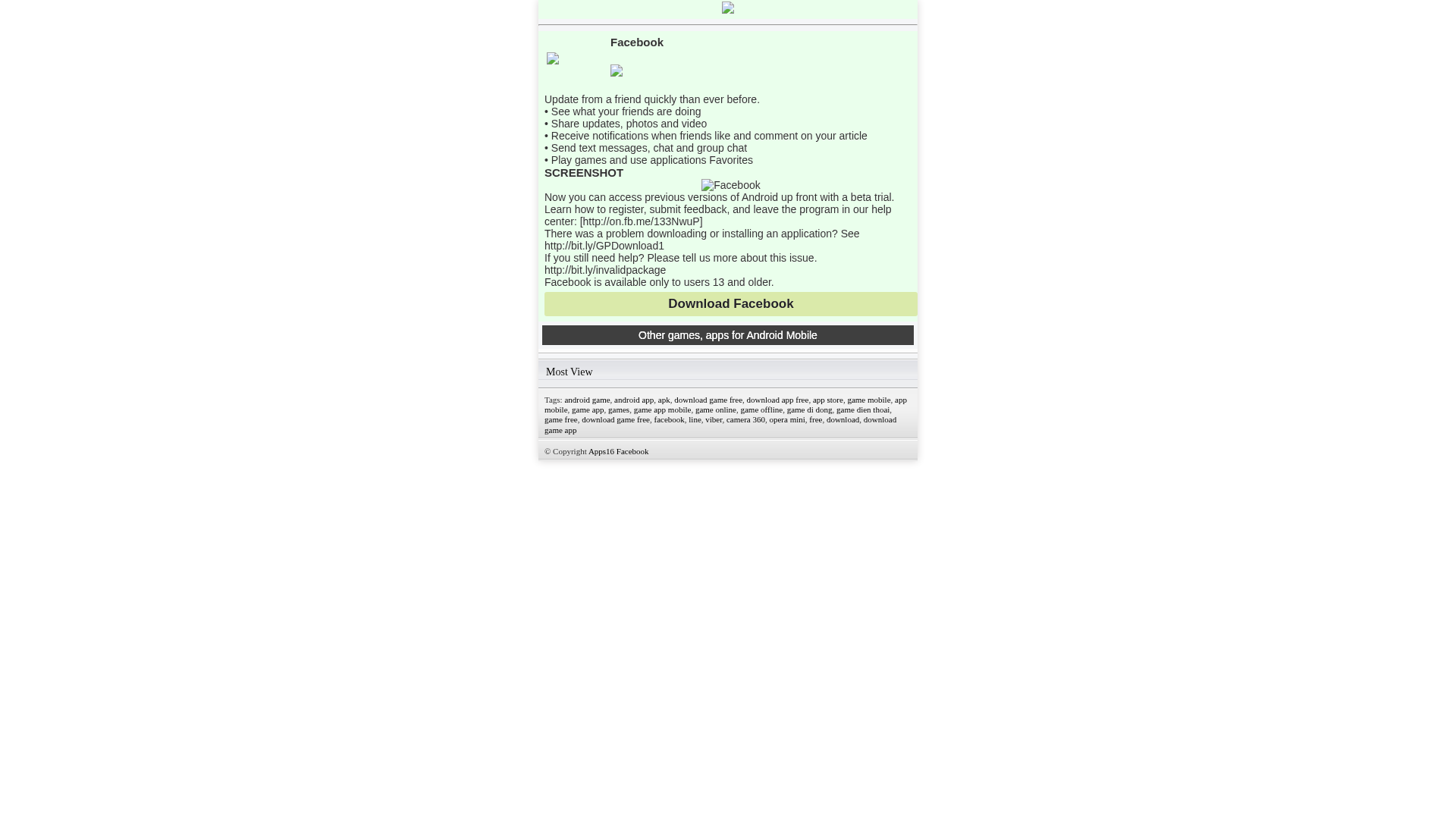
Facebook
https://www.apps16-facebook.blogspot.com/
Jul 11, 2026
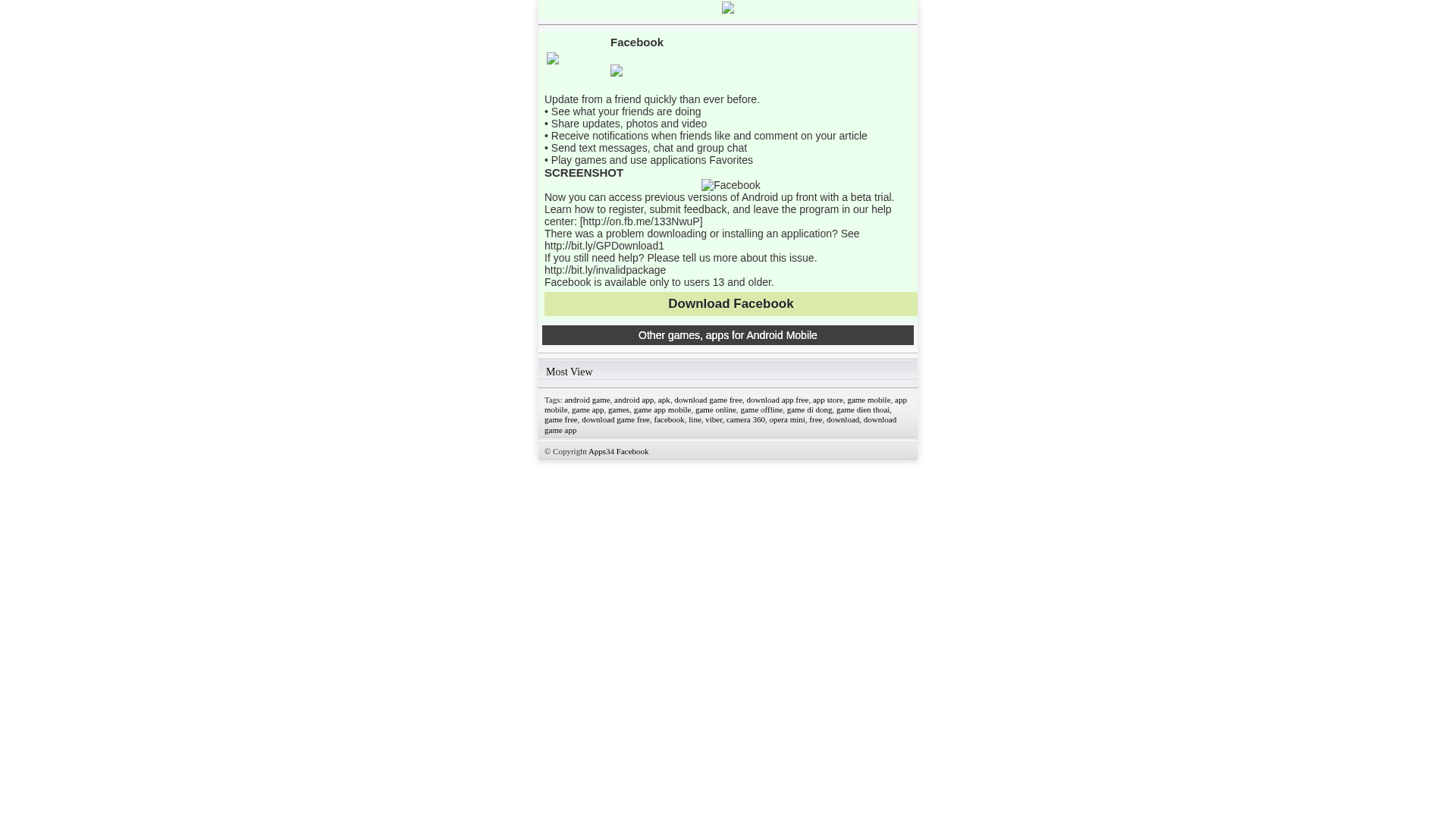
Facebook
https://www.apps34-facebook.blogspot.com/
Jul 11, 2026
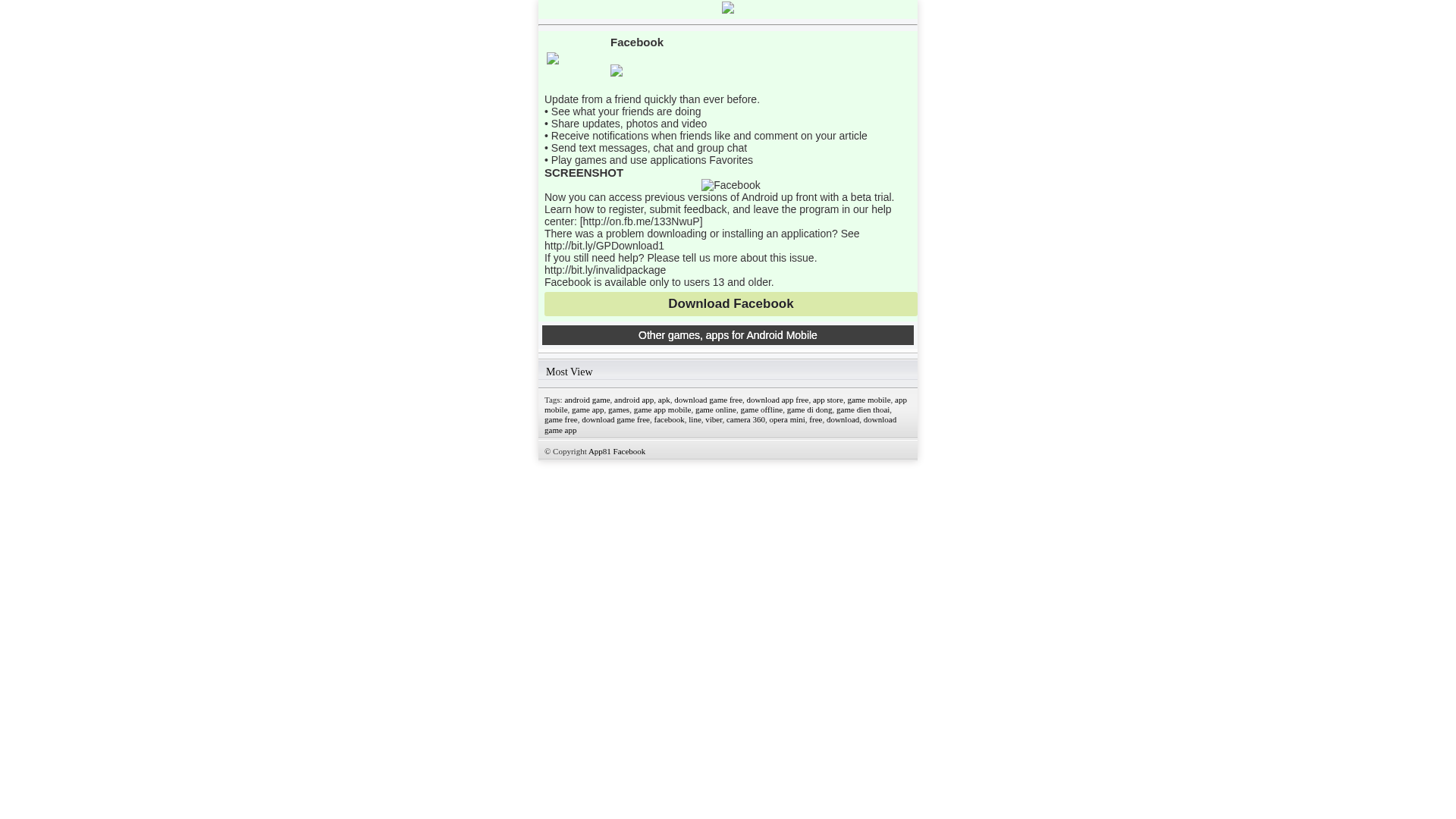
Facebook
https://app81-facebook.blogspot.com/
Jul 11, 2026
Facebook
https://apps9-facebook.blogspot.com/?m=1
Jul 11, 2026
Facebook
https://app30-facebook.blogspot.com/
Jul 11, 2026

"Nunca pensei que aconteceria comigo"
Isso dizem os 2,3 milhões de vítimas a cada ano. Não espere para ser uma estatística.