
Phishing Analysis
Detailed analysis of captured phishing page
Captura Visual
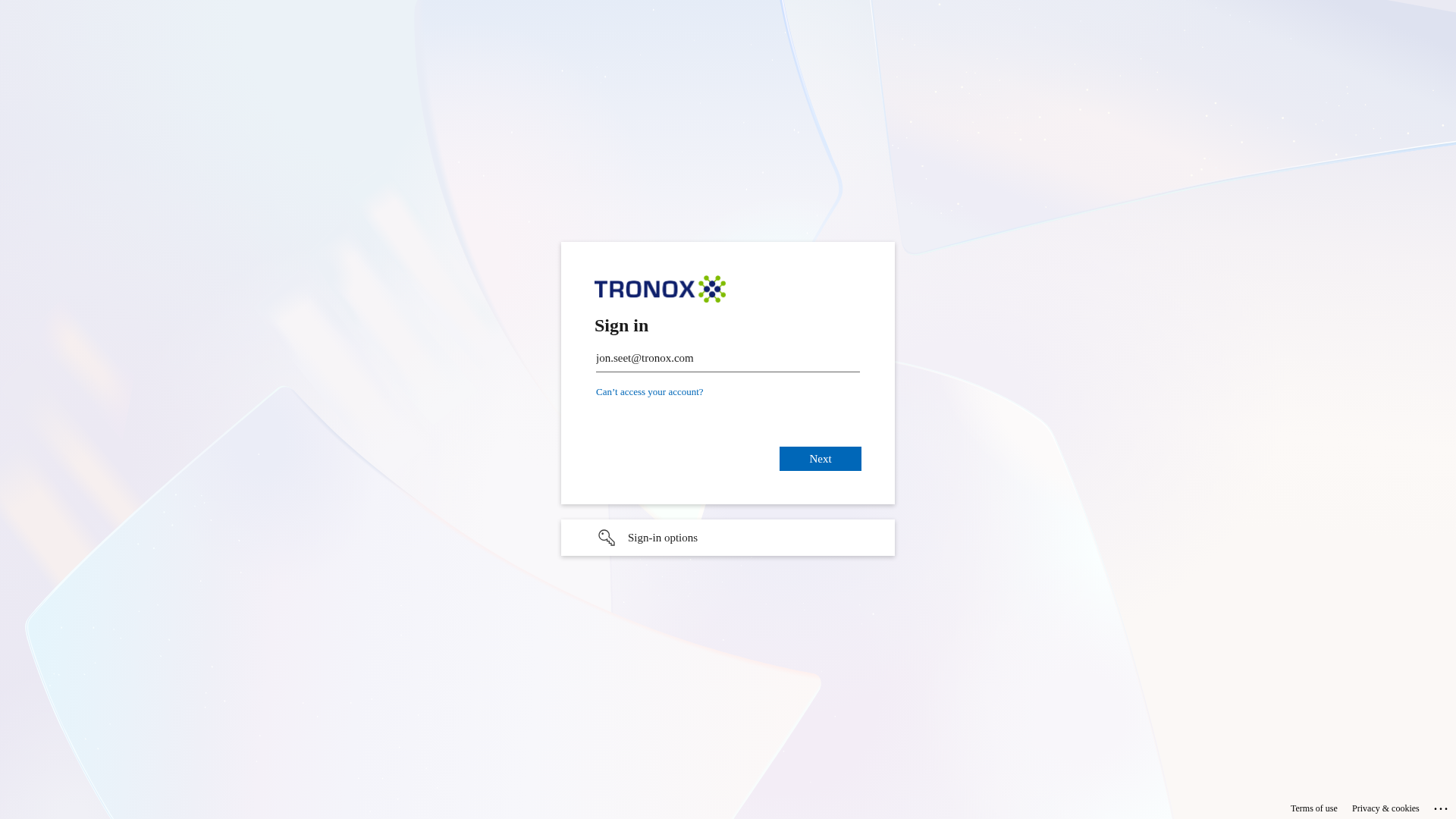
Informações de Detecção
http://www.multi-factor.link/E.leigrT05J6Zi
Detected Brand
Unknown
Country
Unknown
Confiança
100%
HTTP Status
200
Report ID
96cd7836-90a…
Analyzed
2026-07-03 22:22
Final URL (after redirects)
https://www.multi-factor.link/E.leigrT05J6Zi
Hashes de Conteúdo (Similaridade HTML)
Used to detect similar phishing pages based on HTML content
| Algorithm | Hash Value |
|---|---|
|
CONTENT
TLSH
|
T17CD10E7160509D3B5283C7D4B3B96B5F3394C346EA87565A67F8C34C0EE3E26CC1A222 |
|
CONTENT
ssdeep
|
96:DIpkCGTHRPyukrwkMos39TbJG9KjsWsjO10U2gs0sjOwOVJQ6Q6ynQjNsjOZ:Z5k8x9TbJG9azQOVJQyyQjl |
Hashes Visuais (Similaridade de Captura)
Used to detect visually similar phishing pages based on screenshots
| Algorithm | Hash Value |
|---|---|
|
VISUAL
pHash
|
845970764e59736e |
|
VISUAL
aHash
|
0010283b37373737 |
|
VISUAL
dHash
|
98e4dadbe5e6e6e6 |
|
VISUAL
wHash
|
00002b3f373f3777 |
|
VISUAL
colorHash
|
07000000180 |
|
VISUAL
cropResistant
|
98e4dadbe5e6e6e6 |
Análise de Código
Risk Score
70/100
Nível de Ameaça
ALTO
⚠️ Phishing Confirmed
🎣 Credential Harvester
🎣 OTP Stealer
🎣 Personal Info
🎯 Kit Endpoints
- https://login.microsoftonline.com/common/login#
- https://login.microsoftonline.com/common/oauth2/authorize?client_id=00000001-0000-cff1-ce00-195663966318&response_mode=form_post&response_type=code+id_token&scope=openid&msafed=1&msaredir=1&client-request-id=d98292e6-fa3f-ce32-2691-21bc5137cc6d&protectedtoken=true&domain_hint=tronox.com&nonce=150602141754.ec82d3ed-b372-7cd6-3e42-fcfc13352e79&state=am9uLnNlZXRAdHJvbm94LmNvbQ#
- https://login.microsoftonline.com/common/oauth2/authorize?client_id=00000001-0000-cff1-ce00-334364675517&response_mode=form_post&response_type=code+id_token&scope=openid&msafed=1&msaredir=1&client-request-id=d98292e6-fa3f-ce32-7937-21bc5137cc6d&protectedtoken=true&domain_hint=tronox.com&nonce=751094999400.ec82d3ed-b372-7cd6-3e42-fcfc13352e79&state=am9uLnNlZXRAdHJvbm94LmNvbQ#
- https://passwordreset.microsoftonline.com/?ru=https://login.microsoftonline.com/common/oauth2/authorize?client_id=00000001-0000-cff1-ce00-663939232318&response_mode=form_post&response_type=code+id_token&scope=openid&msafed=1&msaredir=1&client-request-id=d98292e6-fa3f-ce32-3273-21bc5137cc6d&protectedtoken=true&domain_hint=tronox.com&nonce=184993085275.ec82d3ed-b372-7cd6-3e42-fcfc13352e79&state=am9uLnNlZXRAdHJvbm94LmNvbQ#
📊 Detalhamento da Pontuação de Risco
Total Risk Score
100/100
Contributing Factors
Active Phishing Kit
Detected kit types: Credential Harvester, OTP Stealer, Personal Info
🔬 Análise Integral de Ameaças
Tipo de Ameaça
Two-Factor Authentication Stealer
Alvo
General public
Método de Ataque
Phishing webpage
Canal de Exfiltração
Unknown
Avaliação de Risco
HIGH - Automated credential harvesting with Unknown
⚠️ Indicators of Compromise
- Kit types: Credential Harvester, OTP Stealer, Personal Info
🏢 Análise de Falsificação de Marca
Impersonated Brand
Generic Phishing
Official Website
N/A
Fake Service
Credential harvesting service
⚔️ Metodologia de Ataque
Primary Method: Credential Harvesting
Victim enters username and password into fake login form. Credentials are captured via JavaScript and exfiltrated to attacker's server in real-time.
Secondary Method: Two-Factor Authentication Bypass
Victim is prompted for 2FA code after entering credentials. The code is intercepted and used by attacker to access victim's account in real-time.
🌐 Indicadores de Compromisso de Infraestrutura
Domain Information
Domínio
www.multi-factor.link
Registered
2025-04-01 11:55:18.689000+00:00
Registrar
Gandi SAS
Estado
Active (older domain)
Hosting Information
Provider
Gandi SAS
ASN
🤖 AI-Extracted Threat Intelligence

"Nunca pensei que aconteceria comigo"
Isso dizem os 2,3 milhões de vítimas a cada ano. Não espere para ser uma estatística.