
Phishing Analysis
Detailed analysis of captured phishing page
Captura Visual
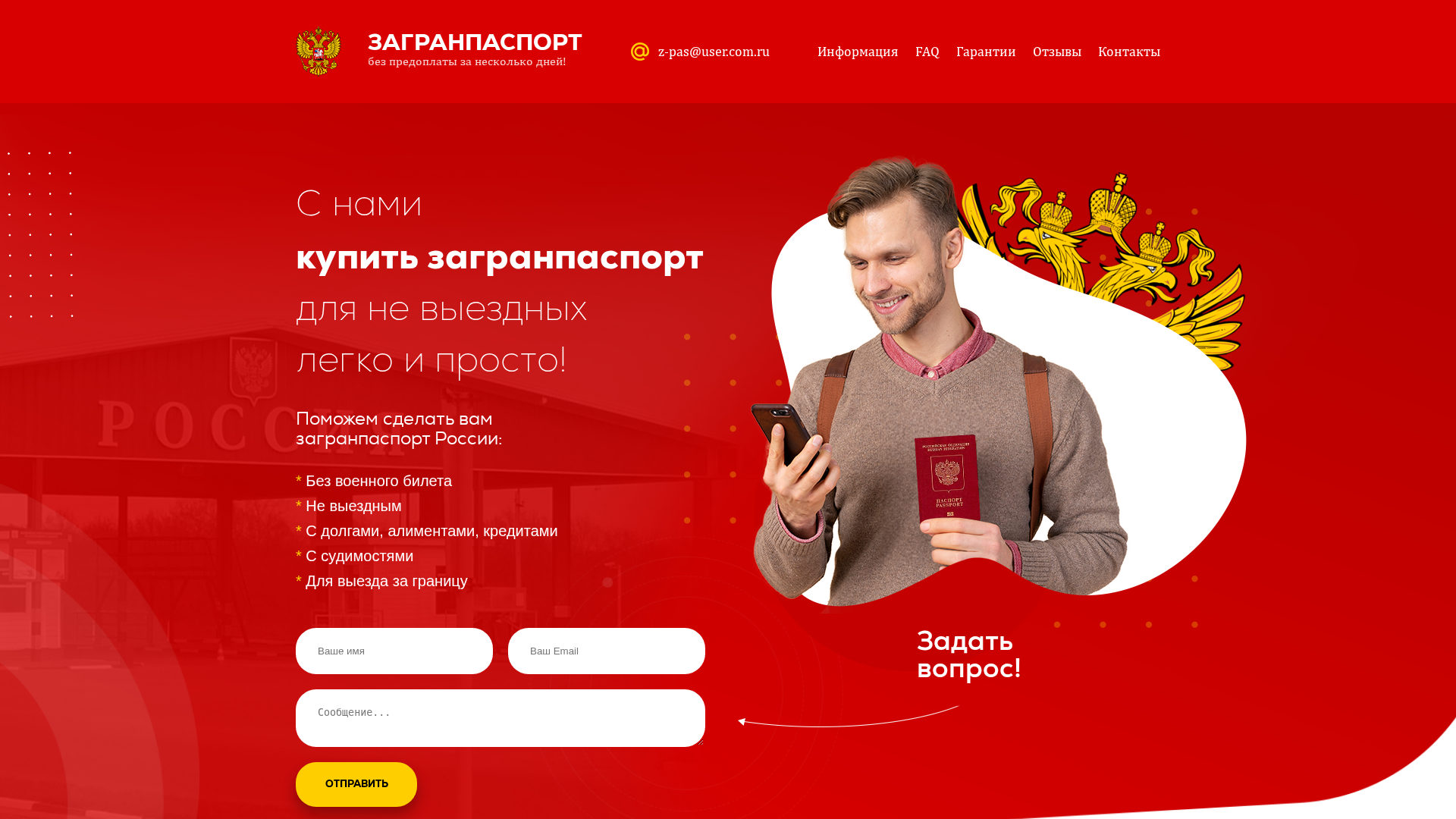
Informações de Detecção
https://kupi-pasport.icu/
Detected Brand
Russian Government (State Emblems/Passports)
Country
Unknown
Confiança
95%
HTTP Status
200
Report ID
9b6ce6eb-ccc…
Analyzed
2026-07-14 11:33
Hashes de Conteúdo (Similaridade HTML)
Used to detect similar phishing pages based on HTML content
| Algorithm | Hash Value |
|---|---|
|
CONTENT
TLSH
|
T1E0922460475E68EB0107E087E954BF0A7AE280FEFB66970605F45DBF3AF7C24C919219 |
|
CONTENT
ssdeep
|
384:+zM44/MSVWf4ChkqK84rw6jcaJEuSrI7tJGWHJeDr0pfD3E44JElYq:944k1PtjASr2cWQr09I44Jo |
Hashes Visuais (Similaridade de Captura)
Used to detect visually similar phishing pages based on screenshots
| Algorithm | Hash Value |
|---|---|
|
VISUAL
pHash
|
97186a65b4c6bac5 |
|
VISUAL
aHash
|
00002c0e0e0e7071 |
|
VISUAL
dHash
|
c408d8dcde5ce5c7 |
|
VISUAL
wHash
|
20007e3e2eaef4f3 |
|
VISUAL
colorHash
|
01000038000 |
|
VISUAL
cropResistant
|
c8b0988cd61e666c,cc88a8cecea8888c,a280e0c080a080a0,0105050b2b077ef1,c408d8dcde5ce5c7 |
Análise de Código
Risk Score
12/100
Nível de Ameaça
ALTO
⚠️ Phishing Confirmed
🔐 Credential Harvesting Forms
🎯 Kit Endpoints
- /send.php
📤 Form Action Targets
- /send.php
📊 Detalhamento da Pontuação de Risco
Total Risk Score
70/100
Contributing Factors
Credential Harvesting
Credential harvesting detected with 2 form(s) capturing sensitive data
🔬 Análise Integral de Ameaças
Tipo de Ameaça
Russian Government (State Emblems/Passports) Credential Harvester
Alvo
Russian Government (State Emblems/Passports) users
Método de Ataque
credential harvesting forms
Canal de Exfiltração
HTTP POST to backend
Avaliação de Risco
LOW - Automated credential harvesting with HTTP POST to backend
🏢 Análise de Falsificação de Marca
Impersonated Brand
Russian Government (State Emblems/Passports)
Official Website
N/A
Fake Service
Credential harvesting service
⚔️ Metodologia de Ataque
Primary Method: Russian Government (State Emblems/Passports) Credential Harvesting
Fake Russian Government (State Emblems/Passports) login page with 2 forms. Victim enters credentials which are captured and transmitted to attacker's server. Page may impersonate Russian Government (State Emblems/Passports) official login to appear legitimate.
Secondary Method: Client-Side Form Interception
JavaScript intercepts form submissions before they reach the fake backend. This allows real-time credential harvesting and validation without server round-trips.
🌐 Indicadores de Compromisso de Infraestrutura
Domain Information
Domínio
kupi-pasport.icu
Registered
2026-02-22 20:28:17+00:00
Registrar
Fewmoretaps OU d/b/a Trustname.com
Estado
Active (141 days old)
Hosting Information
Provider
Fewmoretaps OU d/b/a Trustname.com
ASN
🤖 AI-Extracted Threat Intelligence

"Nunca pensei que aconteceria comigo"
Isso dizem os 2,3 milhões de vítimas a cada ano. Não espere para ser uma estatística.