
Phishing Analysis
Detailed analysis of captured phishing page
Captura Visual
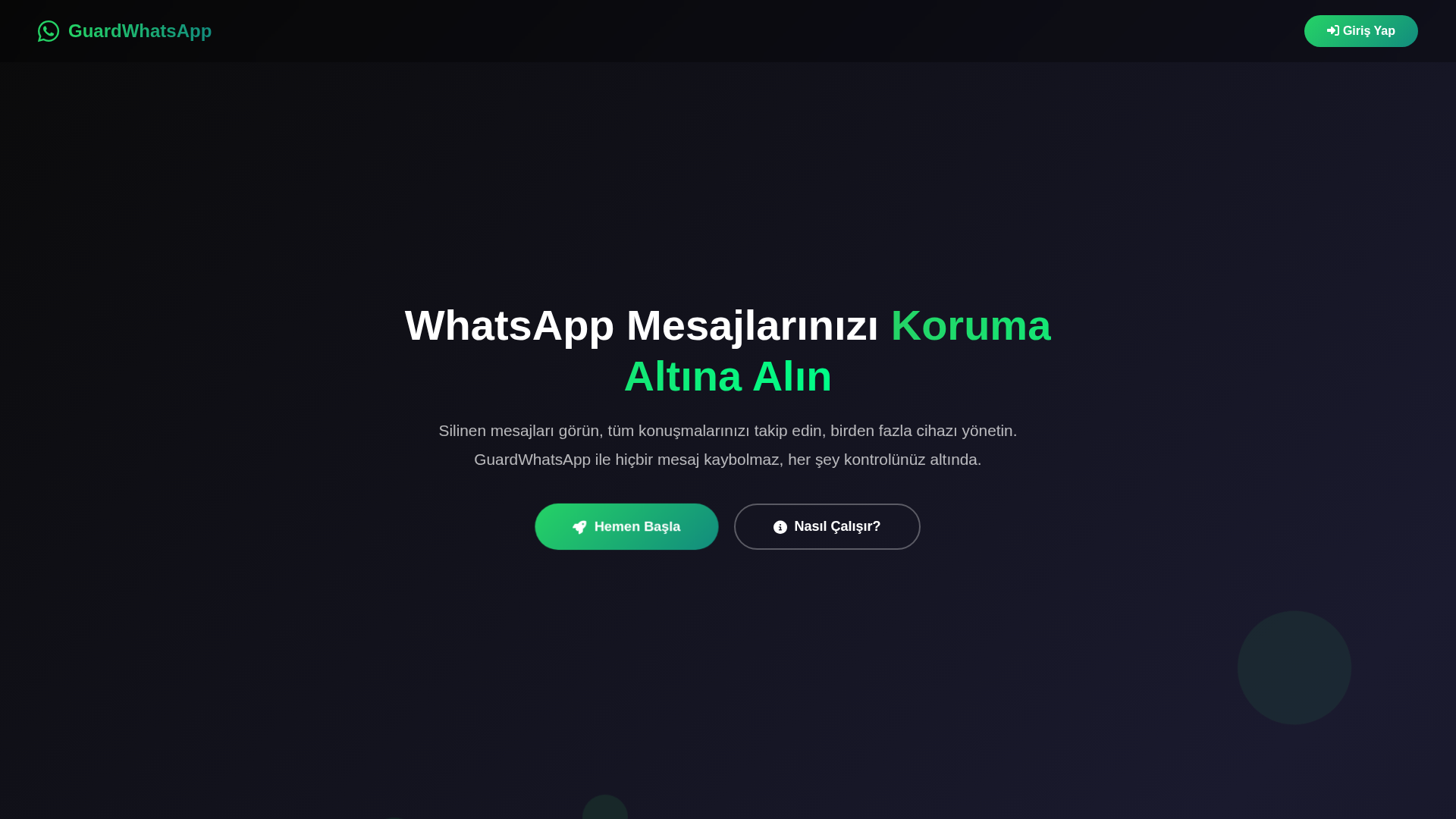
Informações de Detecção
http://guardwhatsapp.com
Detected Brand
WhatsApp
Country
Turkey
Confiança
95%
HTTP Status
200
Report ID
9bef7bc3-bf5…
Analyzed
2026-01-26 01:33
Final URL (after redirects)
https://guardwhatsapp.com/
Hashes de Conteúdo (Similaridade HTML)
Used to detect similar phishing pages based on HTML content
| Algorithm | Hash Value |
|---|---|
|
CONTENT
TLSH
|
T1AE914064A042B63B829FE2E29774432B27D683A7EA131619C3F8D30C0FCAC49ED95115 |
|
CONTENT
ssdeep
|
96:yen9KSZSZSZSZSJSZSZSZSZSjuUAgA0XaaiHonULKlzPyEYv:yen9HIIII4IIIIaUzA+arHoU+ljyEYv |
Hashes Visuais (Similaridade de Captura)
Used to detect visually similar phishing pages based on screenshots
| Algorithm | Hash Value |
|---|---|
|
VISUAL
pHash
|
8c2b332c8babce33 |
|
VISUAL
aHash
|
01003d3f1f3f071f |
|
VISUAL
dHash
|
37fee171a1a3dff6 |
|
VISUAL
wHash
|
0103033f3f1f1f1f |
|
VISUAL
colorHash
|
38003000c00 |
|
VISUAL
cropResistant
|
37fee171a1a3dff6 |
Análise de Código
Nível de Ameaça
ALTO
⚠️ Phishing Confirmed
🔬 Threat Analysis Report
• Ameaça: Serviço falso de proteção de mensagens do WhatsApp
• Alvo: Usuários do WhatsApp na Turquia
• Método: Enganar usuários para que acreditem que precisam proteger suas mensagens
• Exfil: Nenhuma exfiltração direta de dados detectada
• Indicadores: Domínio não oficial, registro de domínio recente, afirmações enganosas
• Risco: ALTO - Possível roubo de dados ou distribuição de malware no futuro
🎯 Kit Endpoints
- login2.php
- login2.php?register=1
📡 API Calls Detected
- POST
📊 Detalhamento da Pontuação de Risco
Total Risk Score
35/100
Contributing Factors
Brand Impersonation
Impersonates WhatsApp brand using stolen logos and branding elements
🔬 Análise Integral de Ameaças
Tipo de Ameaça
Unknown Threat
Alvo
WhatsApp users (Turkey)
Método de Ataque
Brand impersonation
Canal de Exfiltração
Unknown
Avaliação de Risco
LOW - Automated credential harvesting with Unknown
🏢 Análise de Falsificação de Marca
Impersonated Brand
WhatsApp
Official Website
https://www.whatsapp.com
Fake Service
Fraudulent service portal
Fraudulent Claims
⚔️ Metodologia de Ataque
Primary Method: Brand Impersonation Redirect
Impersonates WhatsApp to build victim trust through search engine manipulation or malicious advertisements. Often redirects to credential theft pages or serves malware disguised as legitimate software.
Secondary Method: Standard Phishing Techniques
Uses typical phishing tactics including brand impersonation, urgency tactics, and social engineering to trick victims into providing sensitive information.
🌐 Indicadores de Compromisso de Infraestrutura
Domain Information
Domínio
guardwhatsapp.com
Registered
2026-01-22 10:57:53+00:00
Registrar
TUCOWS.COM, CO.
Estado
Recently registered (3 days old)
Hosting Information
Provider
TUCOWS.COM, CO.
ASN
🔬 JavaScript Deep Analysis
Operator Language
English (1%)
Total Code Size
19,5 KB
🔗 API Endpoints Detected
Other
1
🔐 Obfuscation Detected
- : Light
🤖 AI-Extracted Threat Intelligence

"Nunca pensei que aconteceria comigo"
Isso dizem os 2,3 milhões de vítimas a cada ano. Não espere para ser uma estatística.