
Phishing Analysis
Detailed analysis of captured phishing page
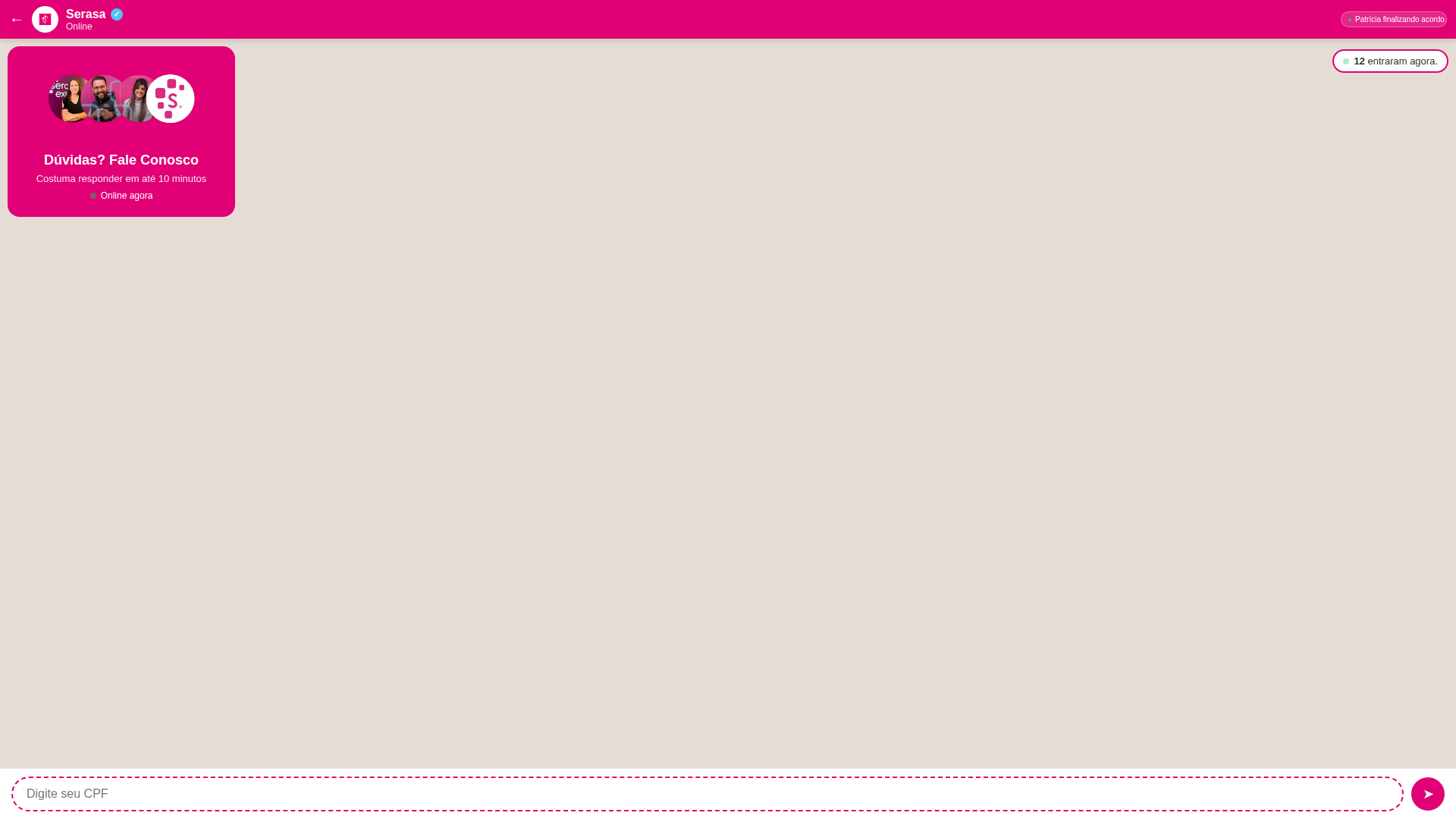
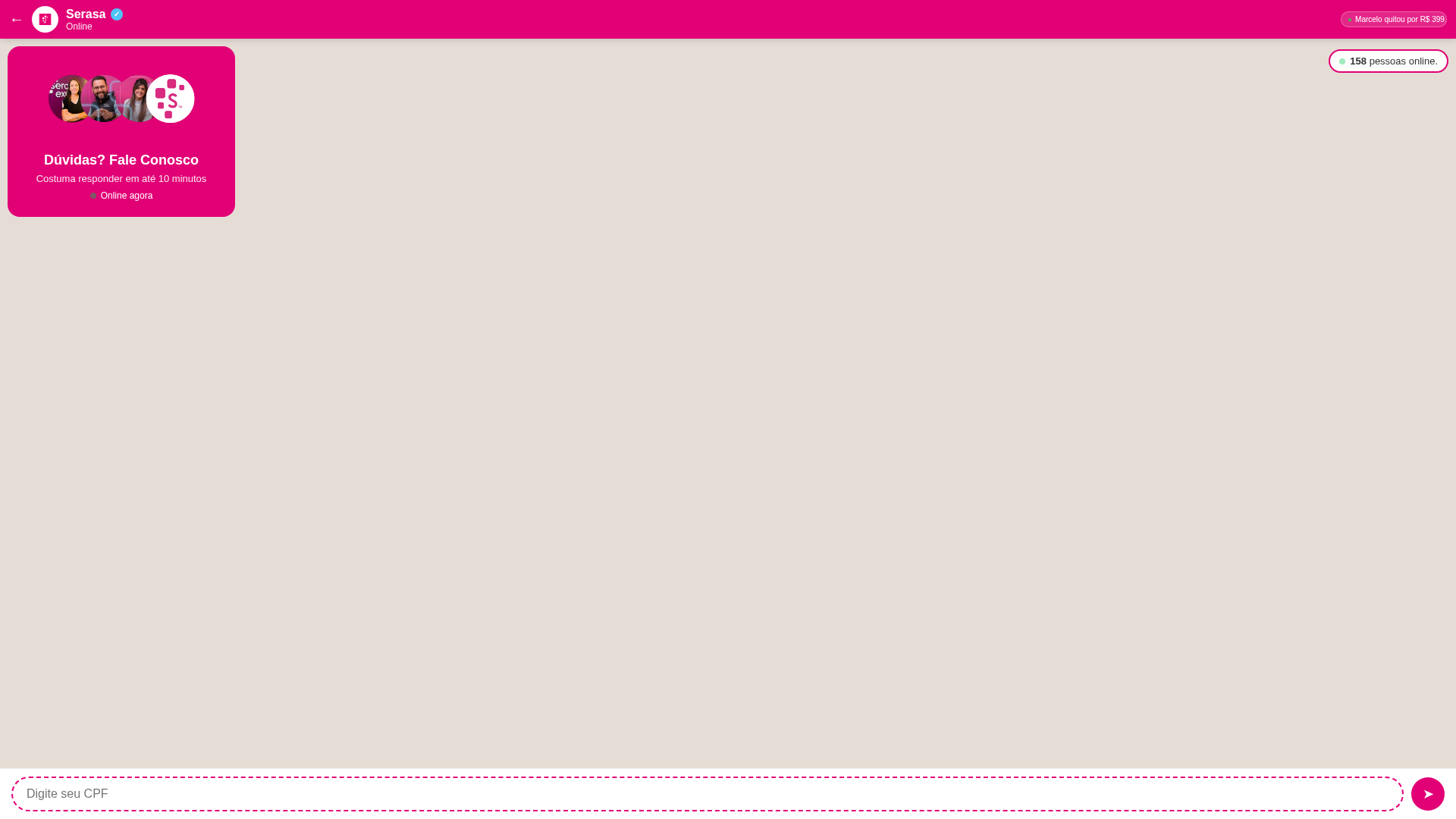
Captura Visual
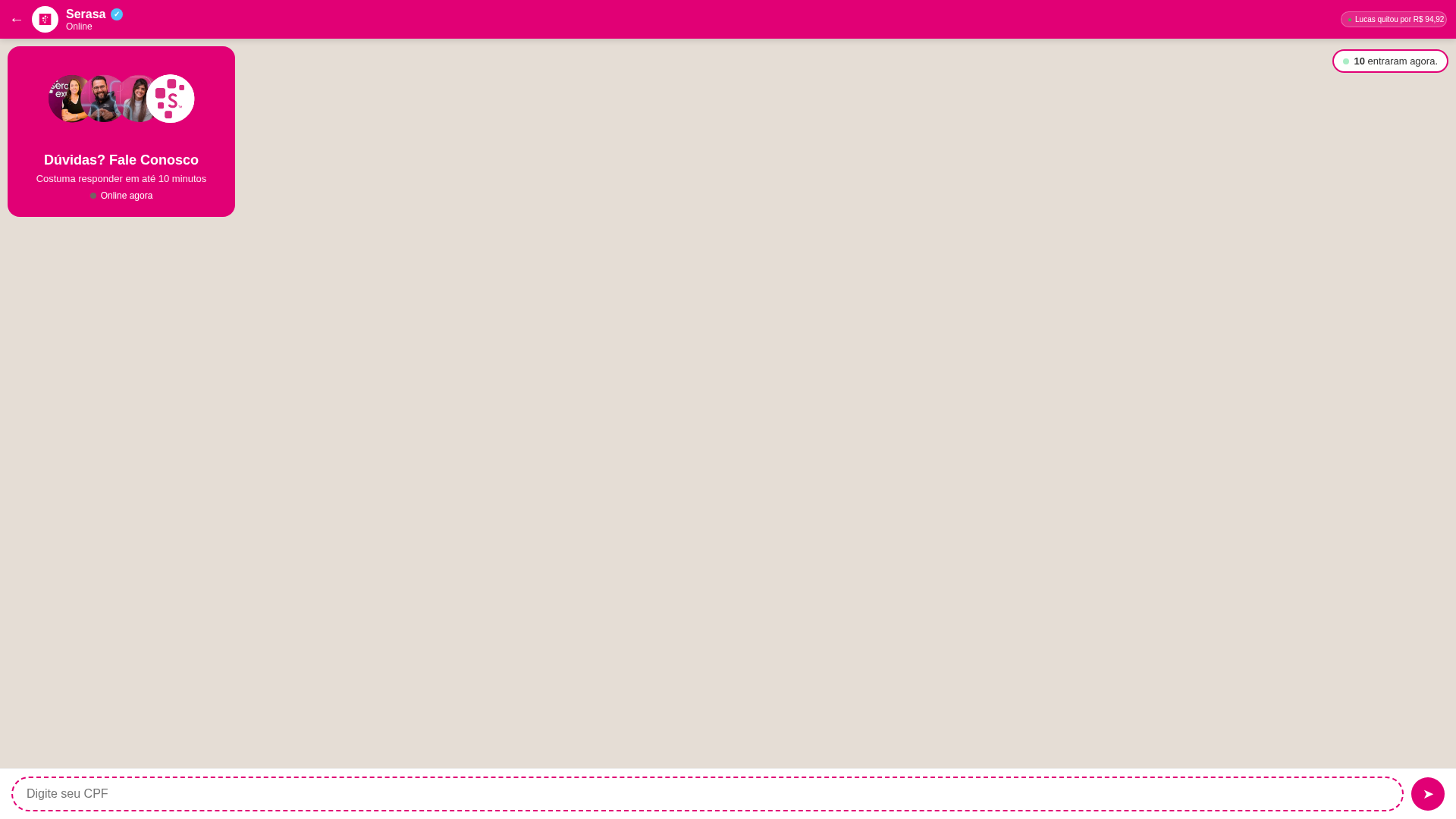
Informações de Detecção
https://resgataja2026.site/
Detected Brand
Serasa
Country
Unknown
Confiança
100%
HTTP Status
200
Report ID
9e5534f1-975…
Analyzed
2026-07-27 12:09
Hashes de Conteúdo (Similaridade HTML)
Used to detect similar phishing pages based on HTML content
| Algorithm | Hash Value |
|---|---|
|
CONTENT
TLSH
|
T14341BE708016DD2711A2D1D4E2B59F1F26868315DB430B62E3F8837E5EC9C68EE29494 |
|
CONTENT
ssdeep
|
24:htOupfpdMHCk8ghqyEasEfIyST6jB7UTopmCgURyPlEIn1w8gtEyU:+up8iOpEwaTyIToaHPmw |
Hashes Visuais (Similaridade de Captura)
Used to detect visually similar phishing pages based on screenshots
| Algorithm | Hash Value |
|---|---|
|
VISUAL
pHash
|
8103012a7e7e7e7e |
|
VISUAL
aHash
|
003f7fffffffffff |
|
VISUAL
dHash
|
d1d0c10080000080 |
|
VISUAL
wHash
|
000103c3c0c0f8ff |
|
VISUAL
colorHash
|
07000000007 |
|
VISUAL
cropResistant
|
d1d0d00080000080,8040410141414080,13ec5c5c83c4b231 |
Análise de Código
Risk Score
3/100
Nível de Ameaça
ALTO
⚠️ Phishing Confirmed
🔒 Obfuscation Detected
- base64_strings
📊 Detalhamento da Pontuação de Risco
Total Risk Score
70/100
Contributing Factors
Code Obfuscation
JavaScript code obfuscated using 2 technique(s) to evade detection
🔬 Análise Integral de Ameaças
Tipo de Ameaça
Serasa Phishing Landing Page
Alvo
Serasa users
Método de Ataque
obfuscated JavaScript
Canal de Exfiltração
Form submission (backend endpoint not detected - likely JavaScript-based)
Avaliação de Risco
LOW - Automated credential harvesting with Form submission (backend endpoint not detected - likely JavaScript-based)
⚠️ Indicators of Compromise
- 2 obfuscation techniques
🏢 Análise de Falsificação de Marca
Impersonated Brand
Serasa
Official Website
N/A
Fake Service
Credential harvesting service
⚔️ Metodologia de Ataque
Primary Method: SEO Poisoning Landing Page
Fake Serasa page designed to appear in search results and trick users into visiting. May redirect to credential harvesting pages, malware downloads, or serve as a trust-building step before requesting sensitive information.
Secondary Method: JavaScript Obfuscation
Malicious code is obfuscated using 2 techniques to evade detection by security scanners and make reverse engineering more difficult.
🌐 Indicadores de Compromisso de Infraestrutura
Domain Information
Domínio
resgataja2026.site
Registered
2026-07-26 00:28:31.961000+00:00
Registrar
Dynadot Inc
Estado
Recently registered (1 days old)
Hosting Information
Provider
Dynadot Inc
ASN
🤖 AI-Extracted Threat Intelligence
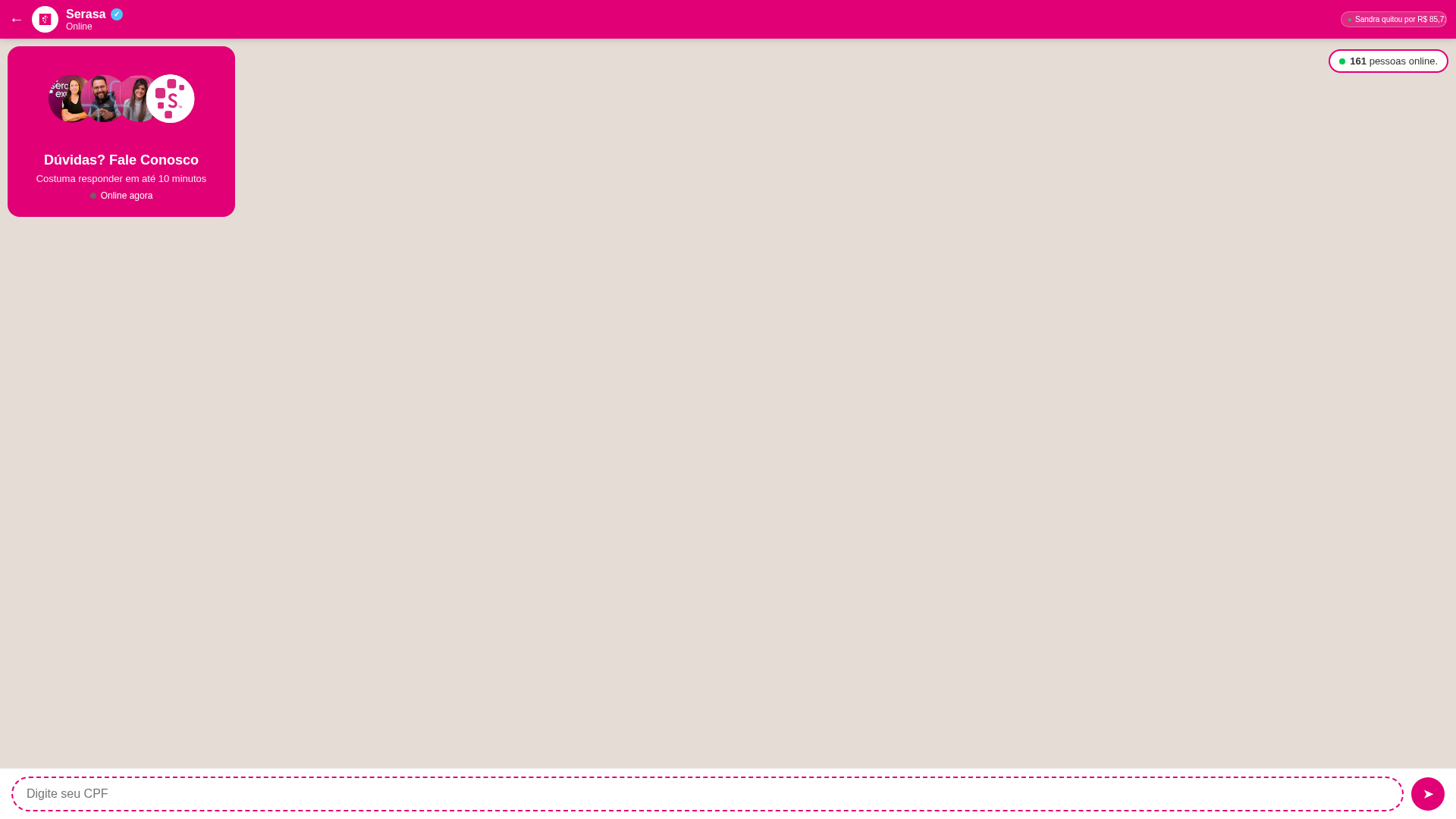
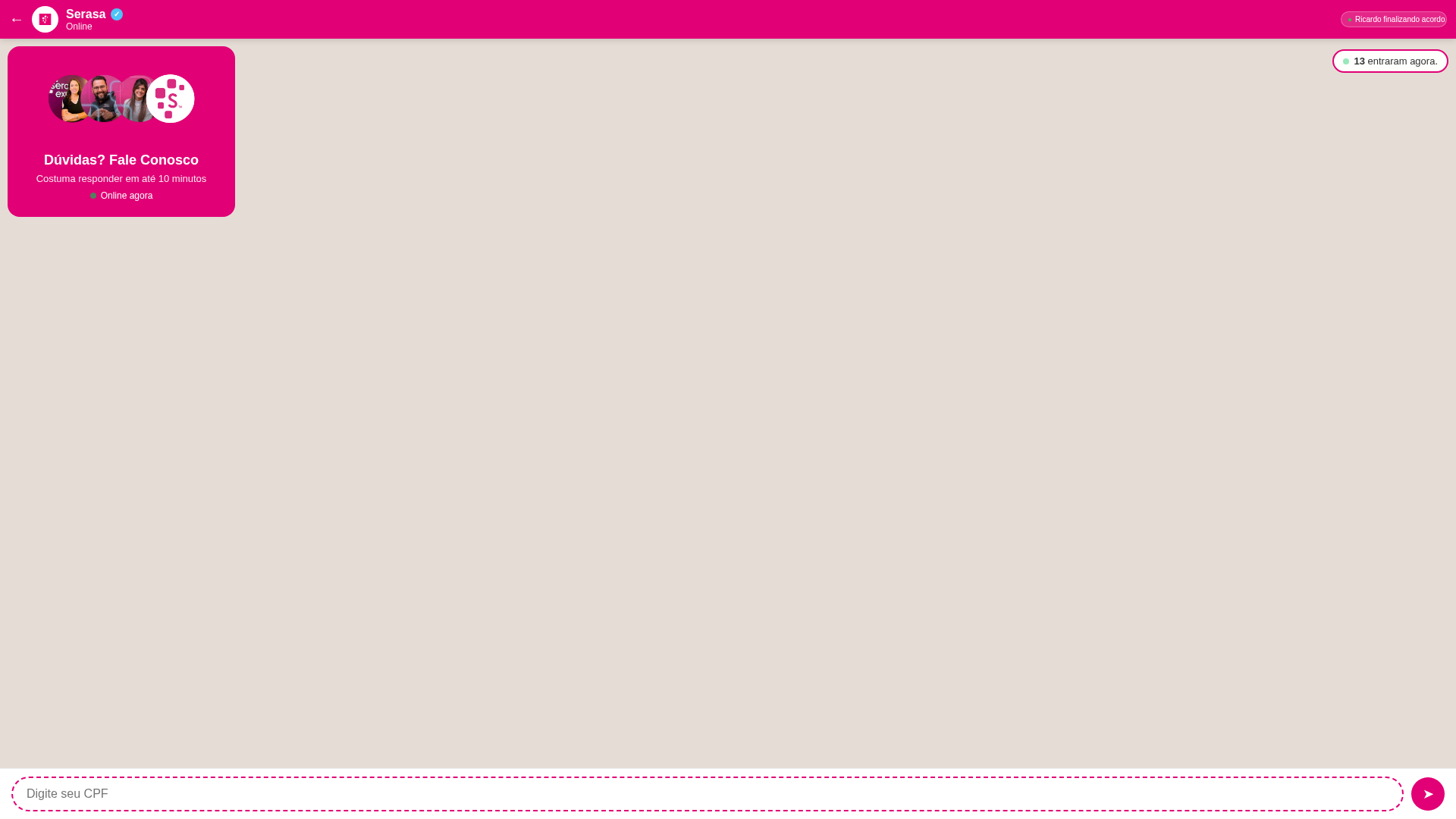
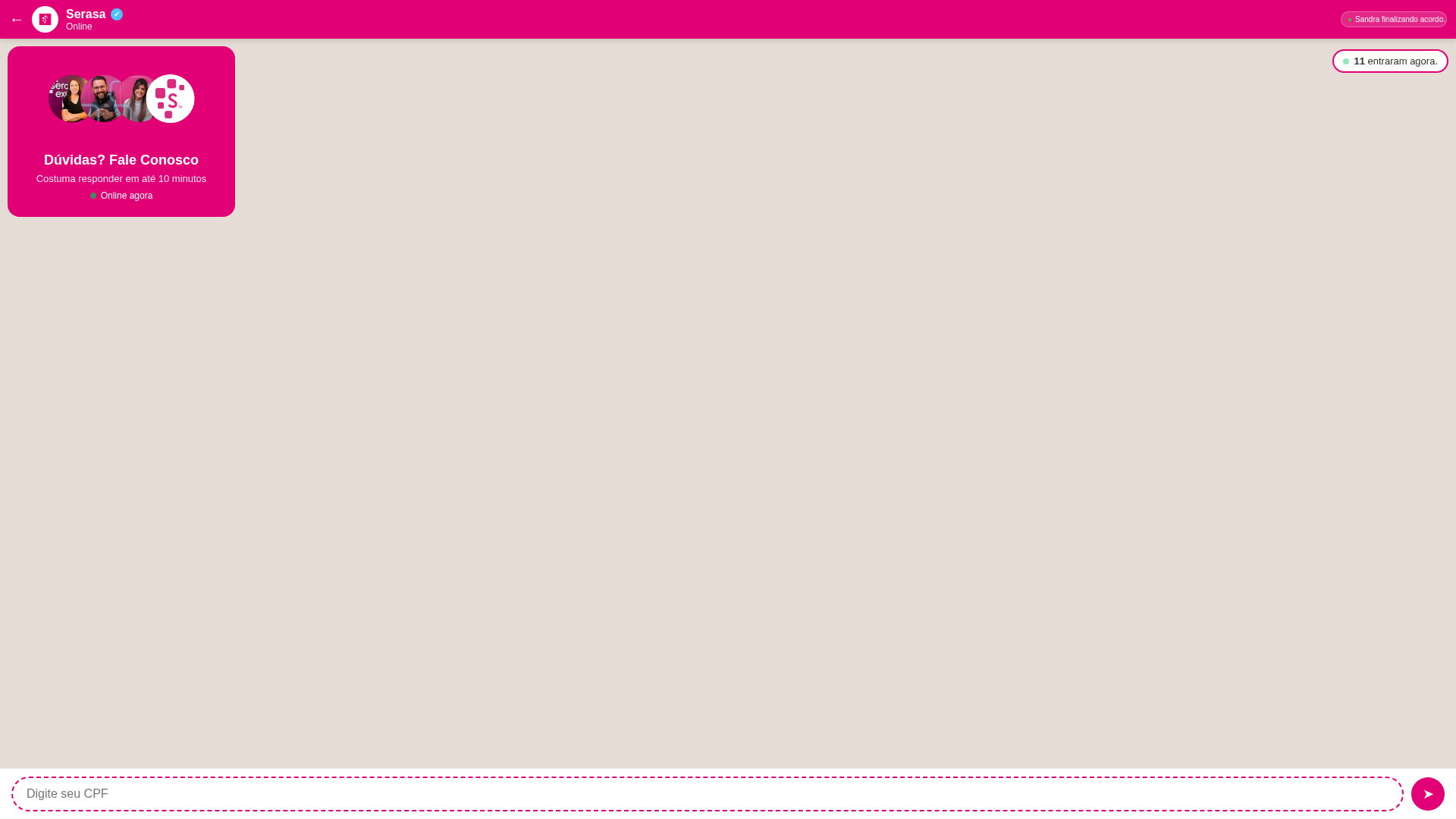
Similar Websites
Pages with identical visual appearance (based on perceptual hash)

"Nunca pensei que aconteceria comigo"
Isso dizem os 2,3 milhões de vítimas a cada ano. Não espere para ser uma estatística.