
Phishing Analysis
Detailed analysis of captured phishing page
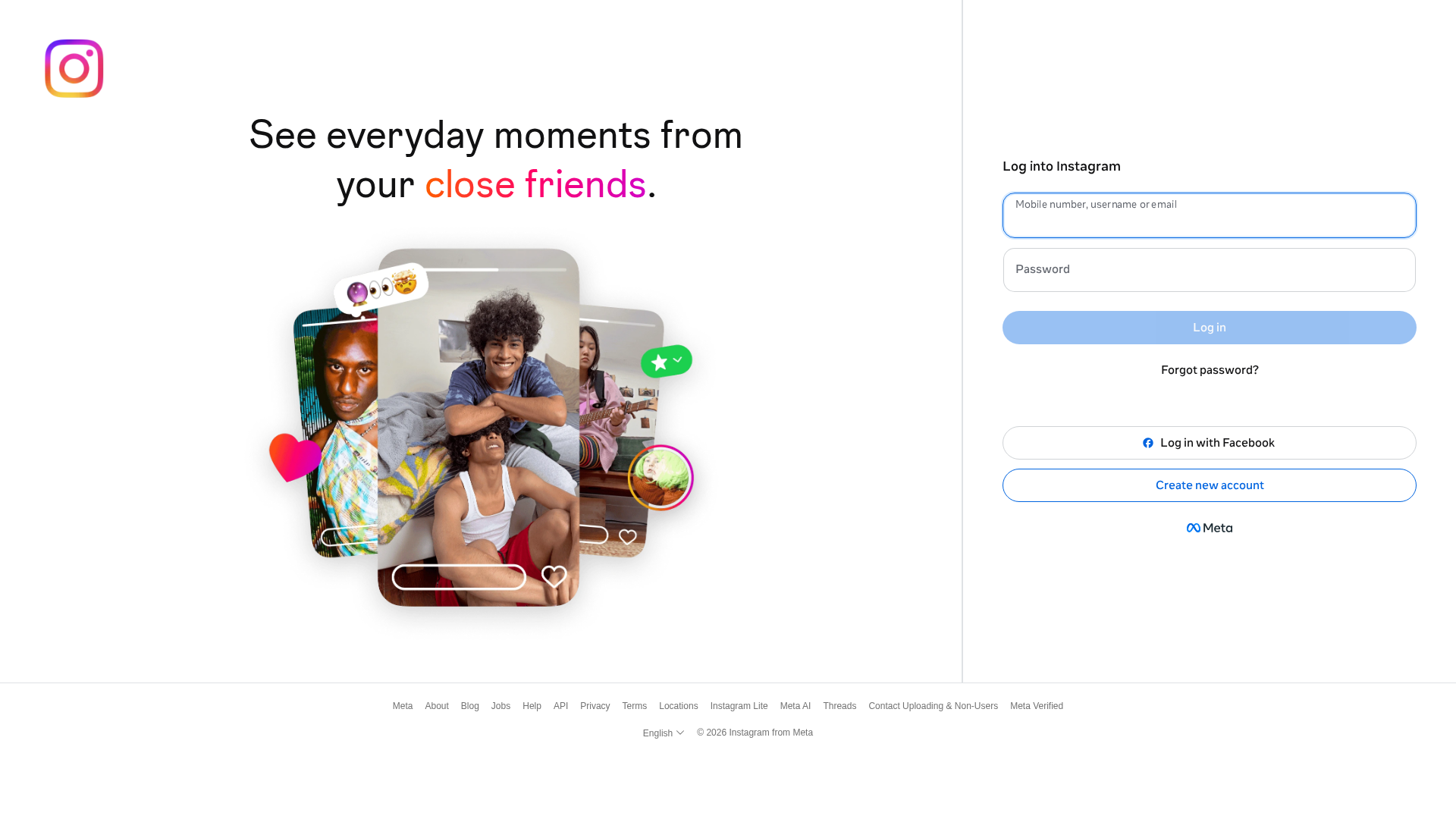
Captura Visual
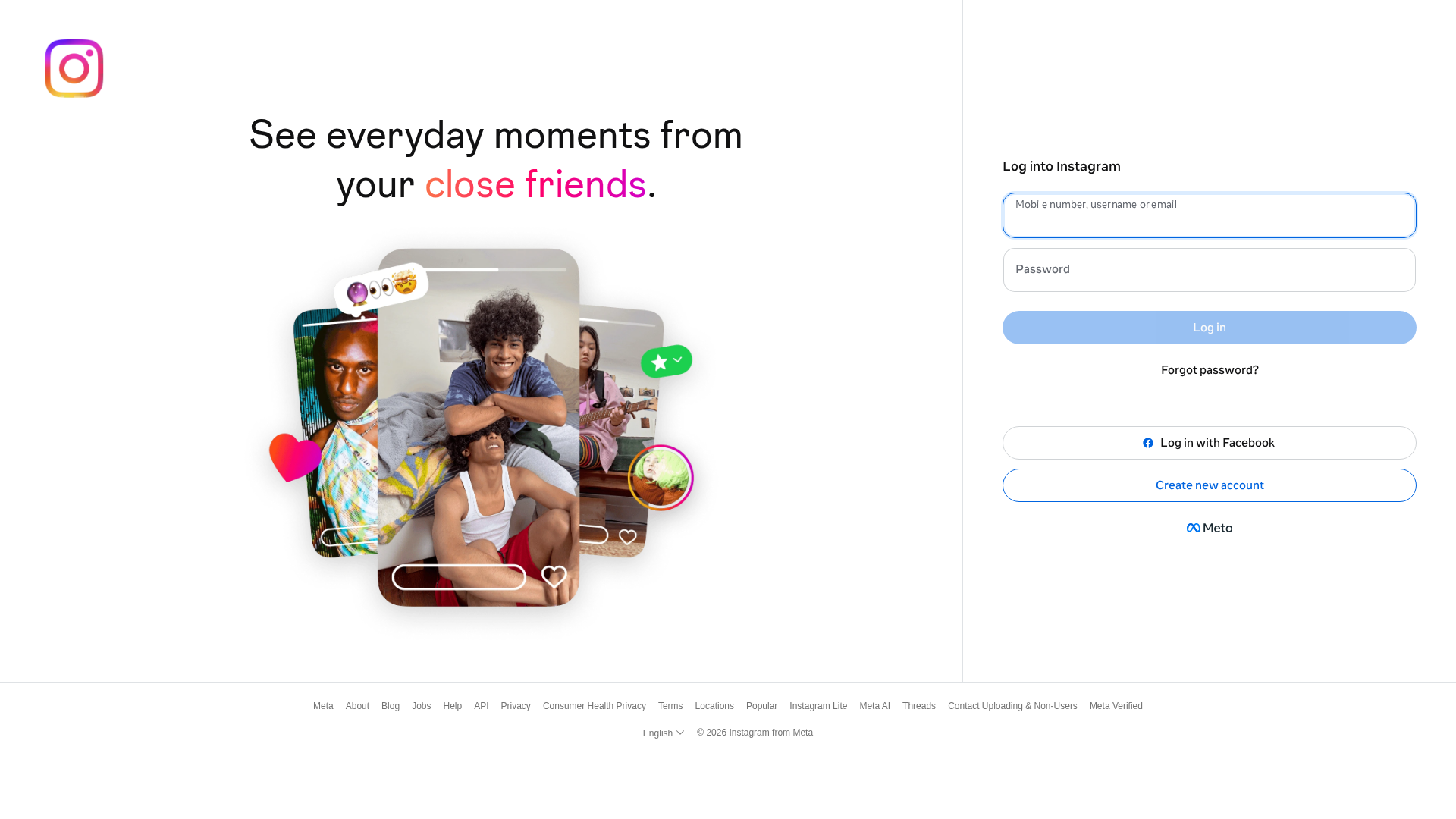
Informações de Detecção
Hashes de Conteúdo (Similaridade HTML)
Used to detect similar phishing pages based on HTML content
| Algorithm | Hash Value |
|---|---|
|
CONTENT
TLSH
|
T195832921E10156782B6B8AF4F45AA51FE3969C0FFB5128B1F86E63B35483F60CB7B015 |
|
CONTENT
ssdeep
|
1536:LsYwbgtX8/Sh7JEhO41OECxZfyMSdu55FfYbqA0dPDnyaqq6k9kuewzhjispSgn0:LFWaqq6k2uFNjisprn3gtE+GnIWnIjiS |
Hashes Visuais (Similaridade de Captura)
Used to detect visually similar phishing pages based on screenshots
| Algorithm | Hash Value |
|---|---|
|
VISUAL
pHash
|
b847c7383bccc0c7 |
|
VISUAL
aHash
|
ffcfdf8d8f8fffff |
|
VISUAL
dHash
|
881b31391919220a |
|
VISUAL
wHash
|
7f898888888dc3ff |
|
VISUAL
colorHash
|
07601008000 |
|
VISUAL
cropResistant
|
881b31391919220a,430b0b891963333e,260e1e1e2d0d9d39,6d67e7eb67635b7b |
Análise de Código
🔒 Obfuscation Detected
- atob
- fromCharCode
- unescape
- hex_escape
- unicode_escape
- base64_strings
🎯 Kit Endpoints
- https://about.instagram.com/blog/
📡 API Calls Detected
- AsyncStorage
- GET
- about:blank
- HEAD
📊 Detalhamento da Pontuação de Risco
Contributing Factors
🔬 Análise Integral de Ameaças
⚠️ Indicators of Compromise
- Kit types: Credential Harvester, OTP Stealer, Card Stealer, Banking, Personal Info
- 498 obfuscation techniques
🏢 Análise de Falsificação de Marca
⚔️ Metodologia de Ataque
Primary Method: Credential Harvesting
Victim enters username and password into fake login form. Credentials are captured via JavaScript and exfiltrated to attacker's server in real-time.
Secondary Method: JavaScript Obfuscation
Malicious code is obfuscated using 498 techniques to evade detection by security scanners and make reverse engineering more difficult.
Drainer supports multiple blockchain networks and checks for high-value tokens on each chain before executing drain operations.
🌐 Indicadores de Compromisso de Infraestrutura
Domain Information
Hosting Information
🤖 AI-Extracted Threat Intelligence
Similar Websites
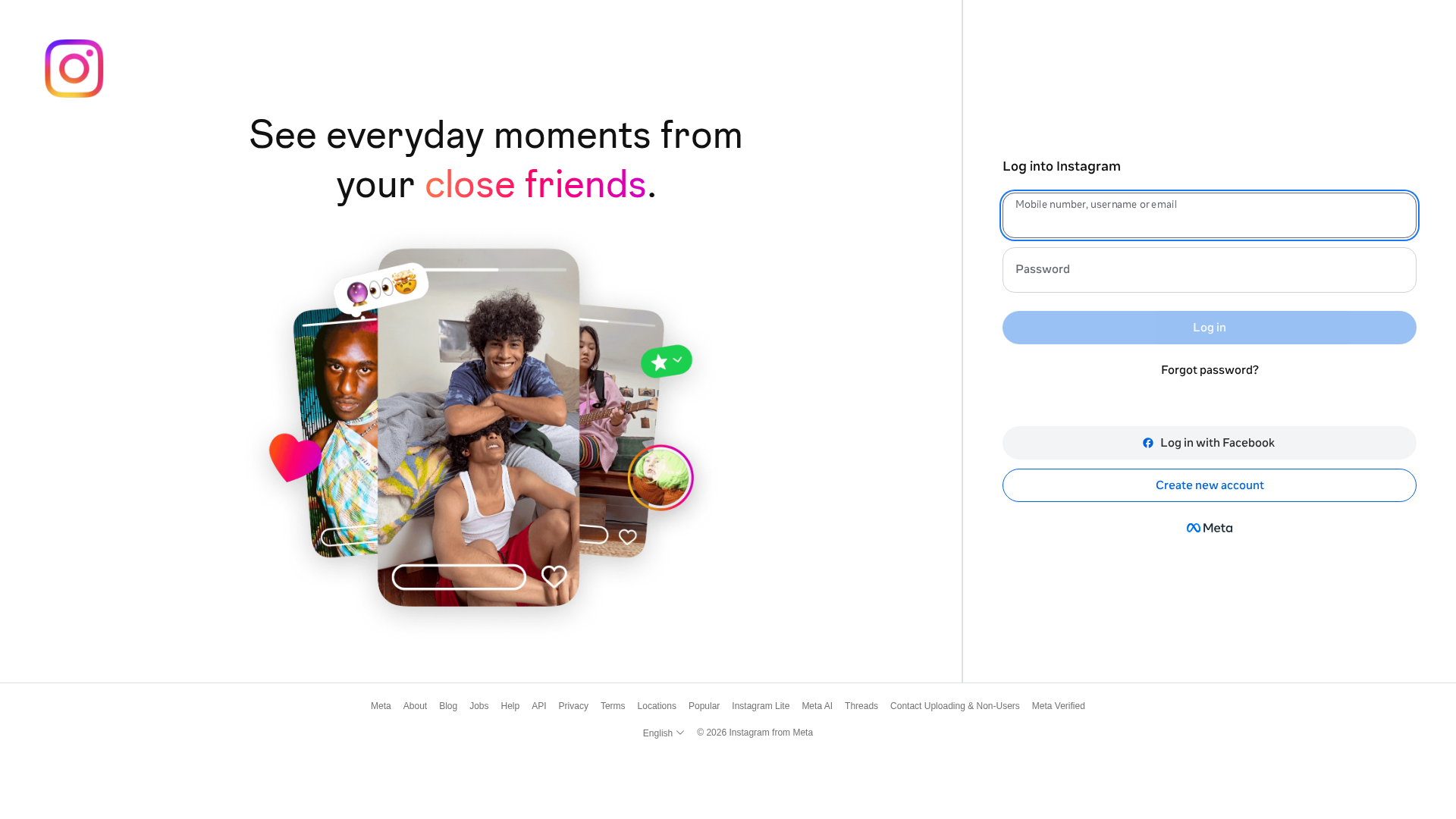
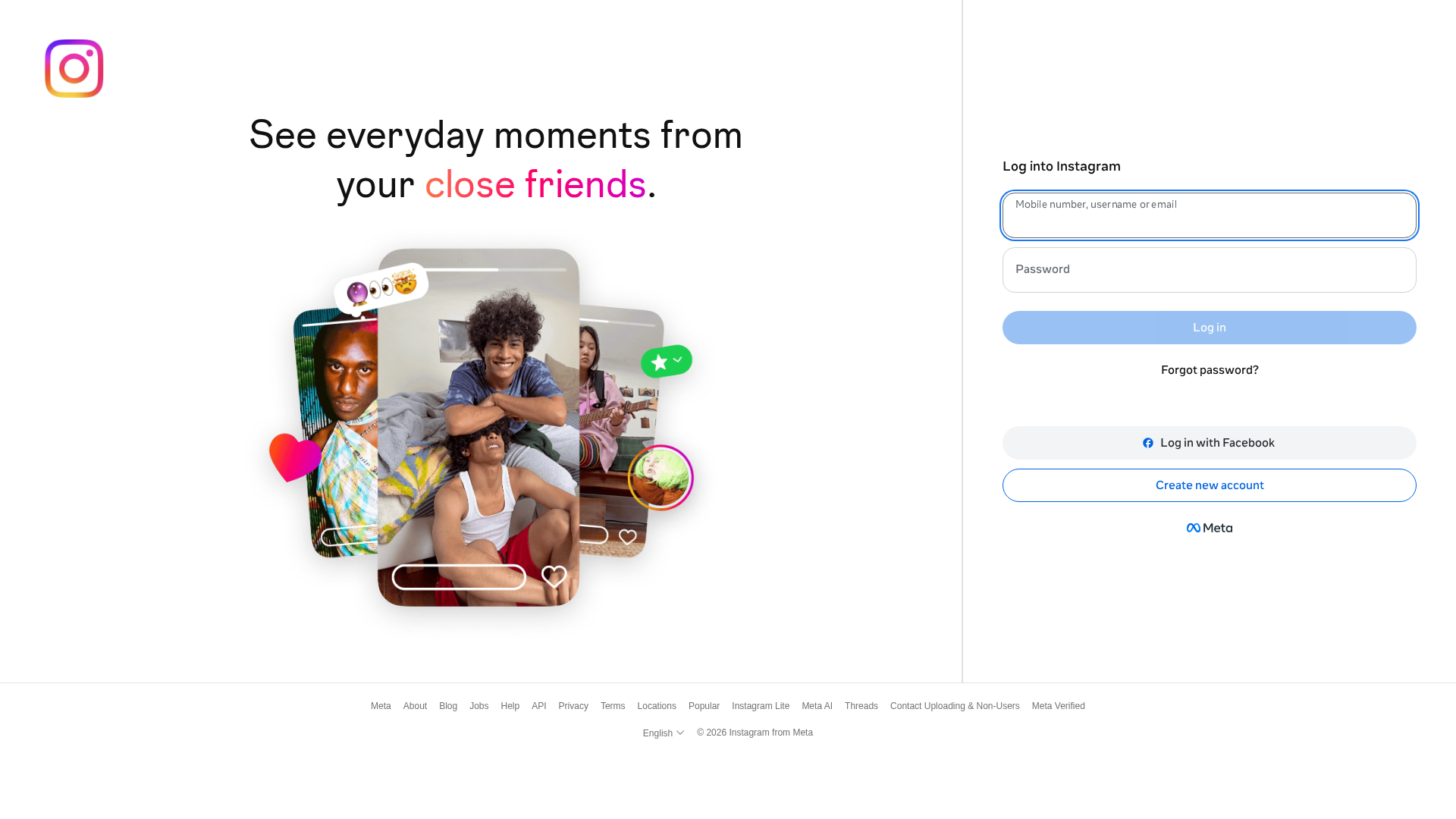
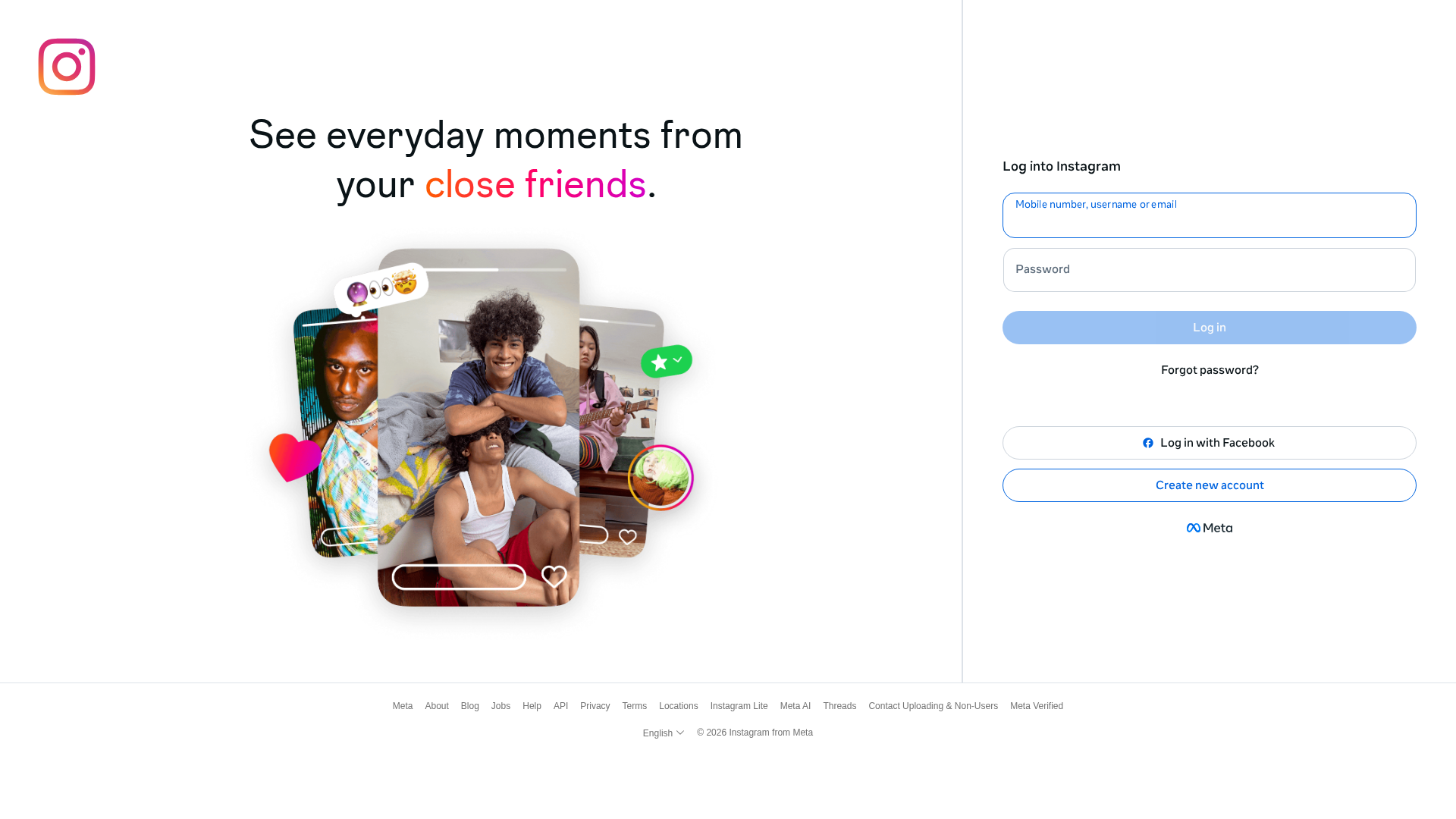
Pages with identical visual appearance (based on perceptual hash)
Scan History for ukr-childs.varean.click
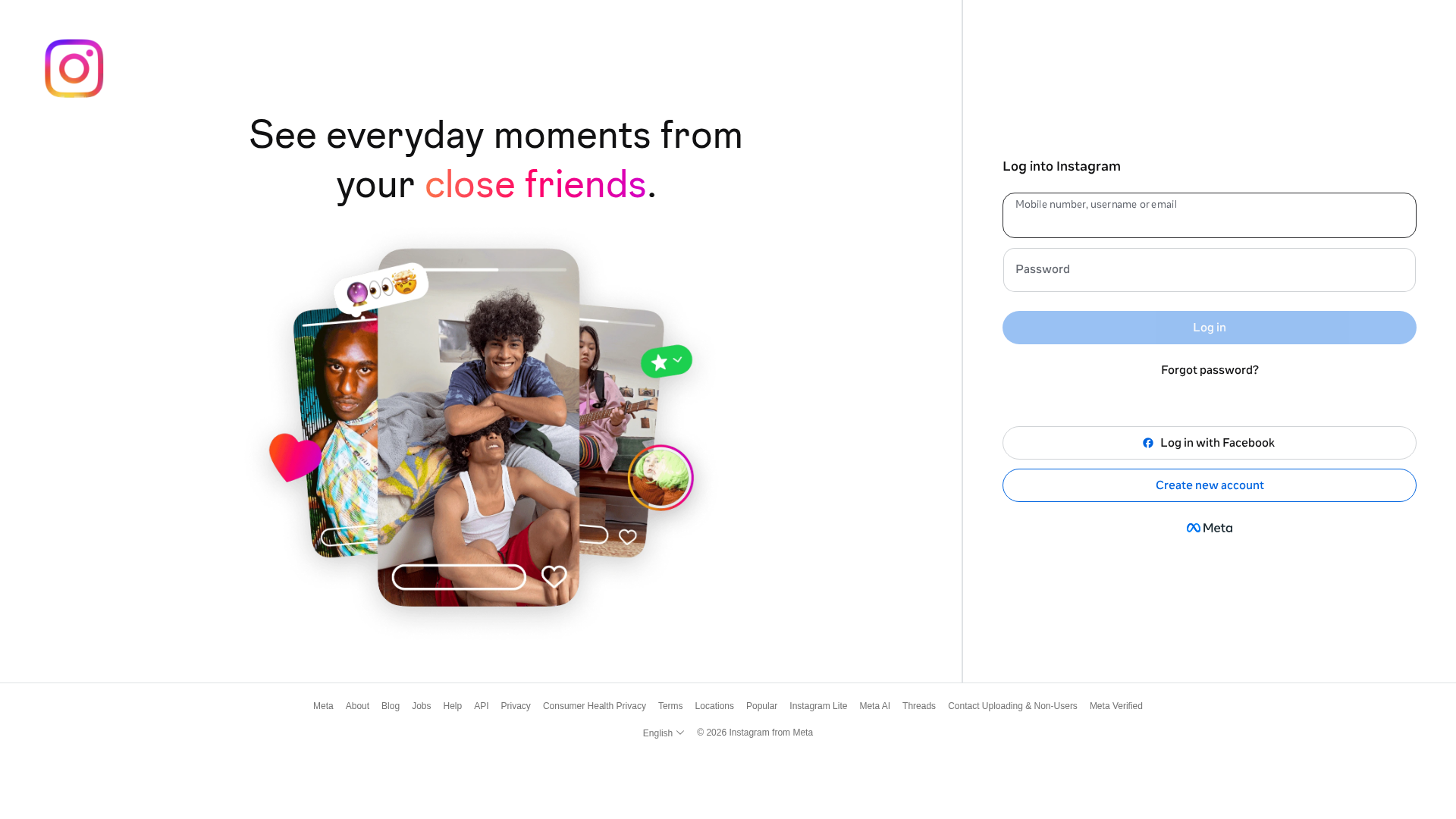
Found 1 other scan for this domain
