
Phishing Analysis
Detailed analysis of captured phishing page
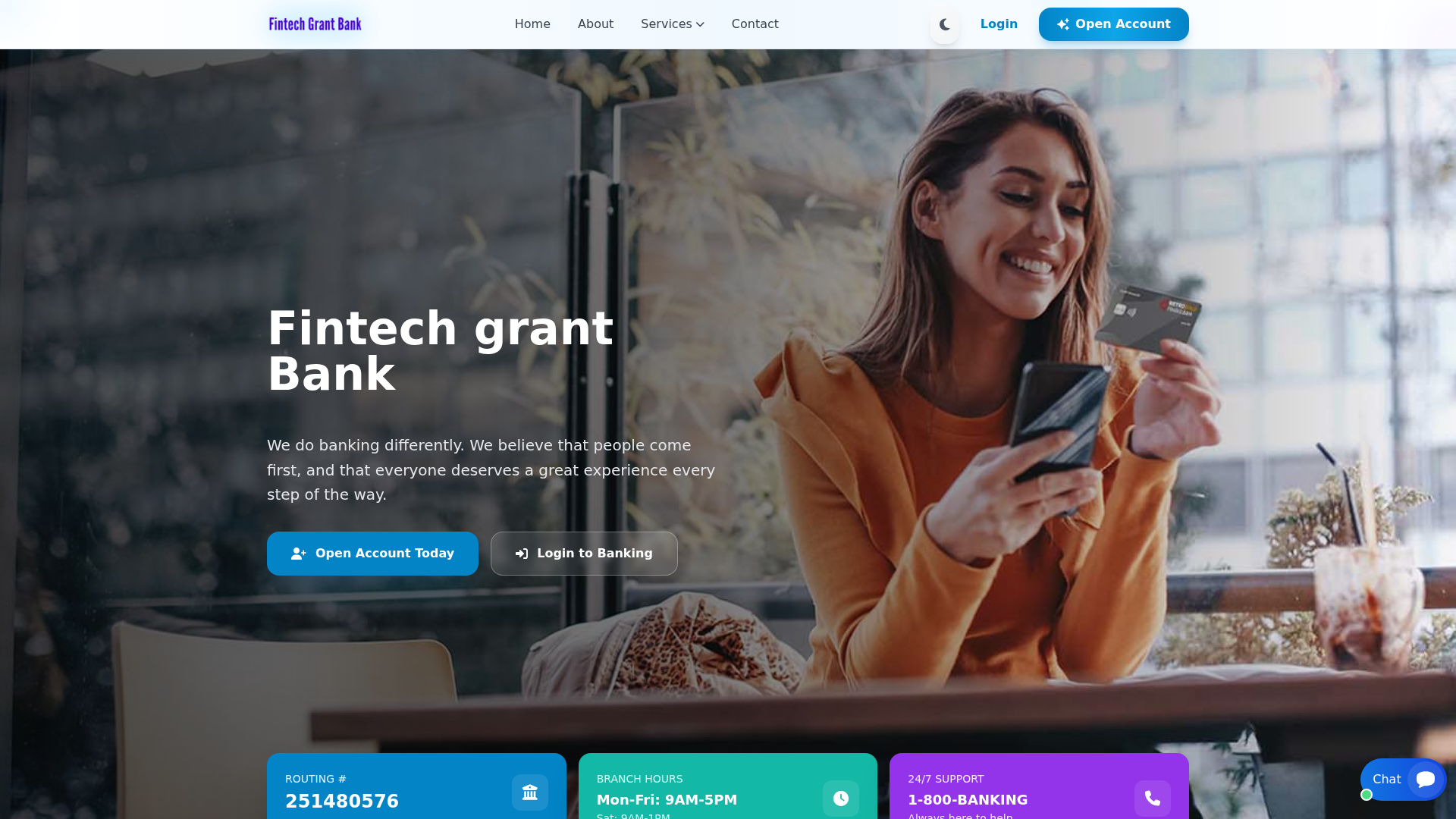
Captura Visual
Informações de Detecção
https://fintechgrantbank.sbs
Detected Brand
Unknown - Fintech Grant Bank (Likely Impersonation)
Country
International
Confiança
100%
HTTP Status
200
Report ID
bd8cecd3-5b9…
Analyzed
2026-03-15 02:04
Final URL (after redirects)
https://fintechgrantbank.sbs/
Hashes de Conteúdo (Similaridade HTML)
Used to detect similar phishing pages based on HTML content
| Algorithm | Hash Value |
|---|---|
|
CONTENT
TLSH
|
T1F263343C62C1563950C787B2E594AF29D29CCBD9DF27AD4BF3ACD2471A8AC44CF52260 |
|
CONTENT
ssdeep
|
768:gyvFfHqqRGbfXHwo4xBg281rYx1v3PZwGEWbMgaUeavBF:xfKq/9x1v3PREWb1F |
Hashes Visuais (Similaridade de Captura)
Used to detect visually similar phishing pages based on screenshots
| Algorithm | Hash Value |
|---|---|
|
VISUAL
pHash
|
a9afd0b2c2eac2d2 |
|
VISUAL
aHash
|
ff0b0b2303030100 |
|
VISUAL
dHash
|
dbd7d3d3d7d79390 |
|
VISUAL
wHash
|
ff0b1b7b1303035a |
|
VISUAL
colorHash
|
07600008040 |
|
VISUAL
cropResistant
|
4bdfd3d3d3d7d7b3,2040838b73a36393,dfd3d3d3d7d39a90 |
Análise de Código
Risk Score
82/100
Nível de Ameaça
ALTO
⚠️ Phishing Confirmed
🎣 Credential Harvester
🎣 OTP Stealer
🎣 Card Stealer
🎣 Banking
🎣 Personal Info
🔬 Threat Analysis Report
• Ameaça: Phishing
• Alvo: Usuários de instituições financeiras
• Método: Falsificação de domínio e ofuscação de JavaScript
• Exfil: Provavelmente rouba credenciais
• Indicadores: Domínio recente, ofuscação
• Risco: Alto
🔒 Obfuscation Detected
- fromCharCode
- hex_escape
- unicode_escape
- base64_strings
🎯 Kit Endpoints
- https://fintechgrantbank.sbs/login
- https://fintechgrantbank.sbs/verify
- https://fintechgrantbank.sbs/send-money
📡 API Calls Detected
- GET
- https://libretranslate.com/translate
📊 Detalhamento da Pontuação de Risco
Total Risk Score
90/100
Contributing Factors
Recent Domain
The domain is only 3 days old, a strong indicator of a phishing site.
JavaScript Obfuscation
Obfuscation attempts to hide malicious intent.
Suspicious TLD
The .sbs TLD is unusual and often associated with less reputable sites.
🔬 Análise Integral de Ameaças
Tipo de Ameaça
Banking Credential Harvester
Alvo
General public
Método de Ataque
Brand impersonation + obfuscated JavaScript
Canal de Exfiltração
Unknown
Avaliação de Risco
CRITICAL - Automated credential harvesting with Unknown
⚠️ Indicators of Compromise
- Kit types: Credential Harvester, OTP Stealer, Card Stealer, Banking, Personal Info
- 49 obfuscation techniques
🏢 Análise de Falsificação de Marca
Impersonated Brand
Financial Institution (Unknown)
Fake Service
Banking Services
⚔️ Metodologia de Ataque
Primary Method: Credential Harvesting
The site likely attempts to harvest login credentials. The form, if present, is crafted to look like a legitimate login page. Upon submission, the data is sent to the attackers.
Secondary Method: Malware Injection
The site could inject malware through Javascript. The obfuscation is done to hide the malicious code.
🌐 Indicadores de Compromisso de Infraestrutura
Domain Information
Domínio
fintechgrantbank.sbs
Registered
2024-03-05
Registrar
NameCheap
Estado
active
🤖 AI-Extracted Threat Intelligence
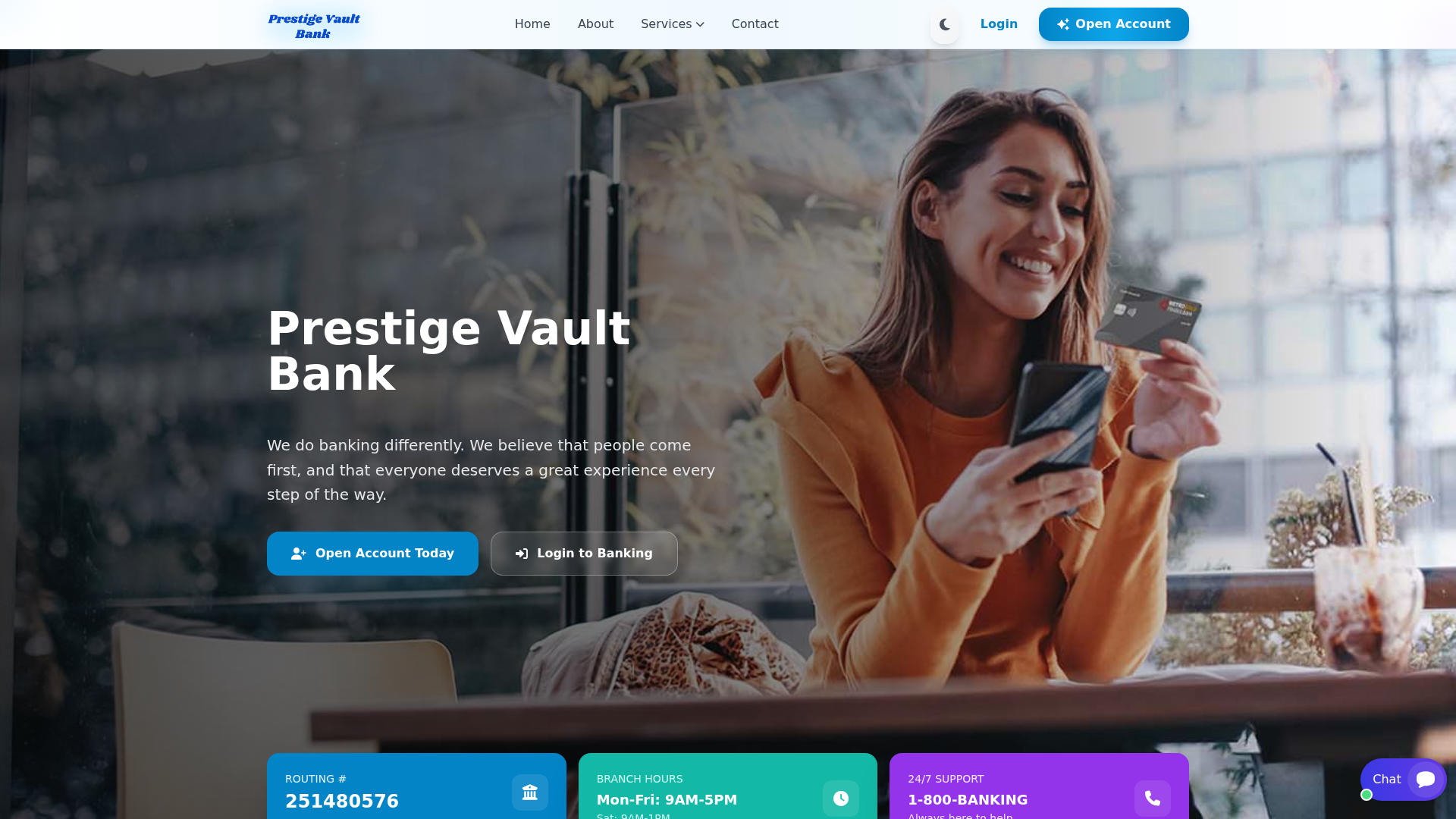
Similar Websites
Pages with identical visual appearance (based on perceptual hash)

"Nunca pensei que aconteceria comigo"
Isso dizem os 2,3 milhões de vítimas a cada ano. Não espere para ser uma estatística.