
Phishing Analysis
Detailed analysis of captured phishing page
Captura Visual
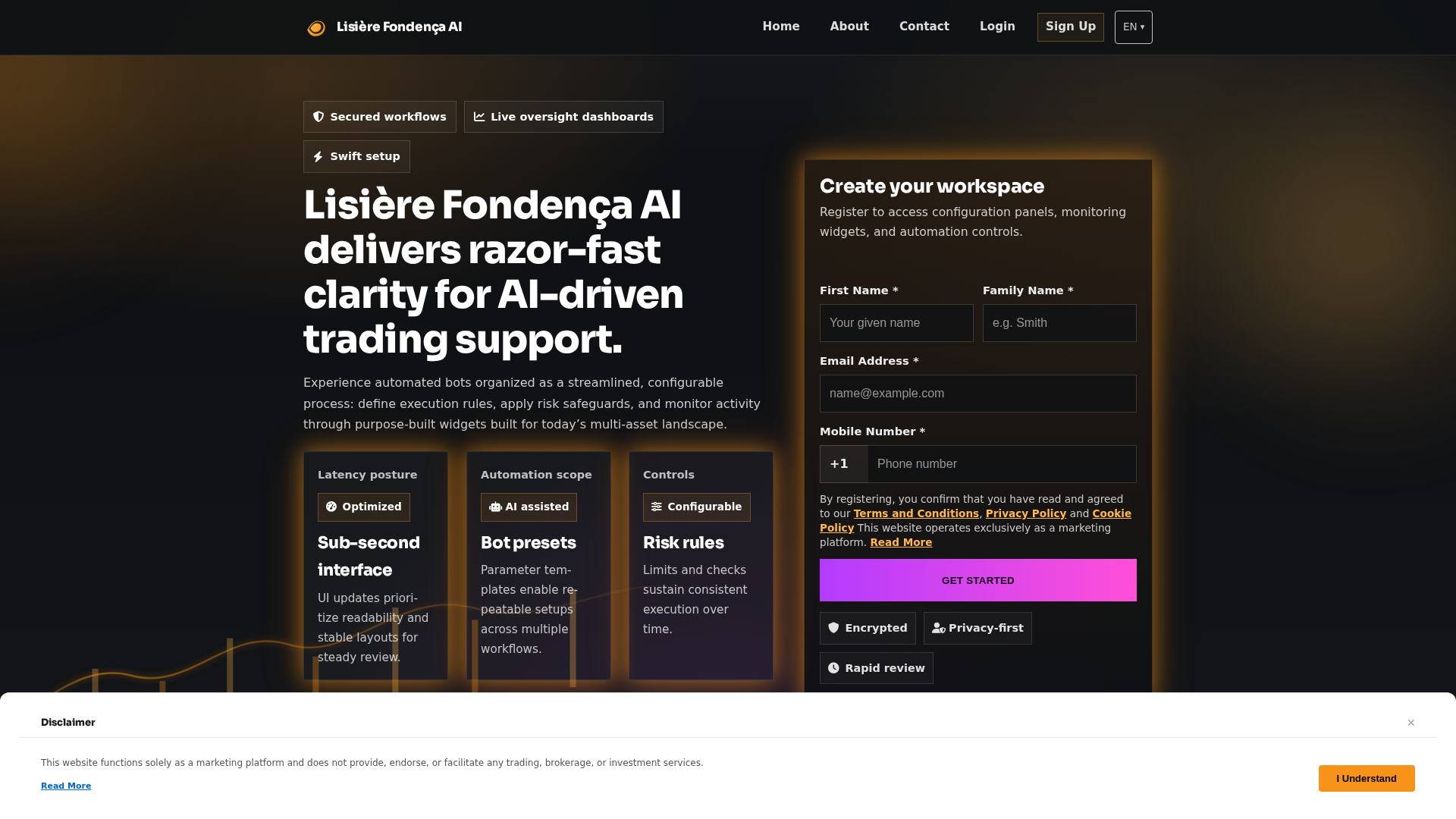
Informações de Detecção
https://lisierefondencaai.digital/
Detected Brand
Lisière Fondença AI
Country
Unknown
Confiança
100%
HTTP Status
200
Report ID
eaf39030-9a7…
Analyzed
2026-08-03 23:22
Hashes de Conteúdo (Similaridade HTML)
Used to detect similar phishing pages based on HTML content
| Algorithm | Hash Value |
|---|---|
|
CONTENT
TLSH
|
T10EF29631B104663F11A7D3C9B362E72EA1E29289D74A090193FD836D4FE7EC1ED27526 |
|
CONTENT
ssdeep
|
768:XLy5NnxqoQaawFpaJUre7iZIIIIIIIIIwYP7mIIMlBMqNJLII6GJjmI7sOy2+y9B:cx3Qaaepa/iZIIIIIIIIIwYP7mIIMl3p |
Hashes Visuais (Similaridade de Captura)
Used to detect visually similar phishing pages based on screenshots
| Algorithm | Hash Value |
|---|---|
|
VISUAL
pHash
|
c367b818fd4386c9 |
|
VISUAL
aHash
|
000020200000ffff |
|
VISUAL
dHash
|
4c4dcbcbf0ccc800 |
|
VISUAL
wHash
|
00e57120303cffff |
|
VISUAL
colorHash
|
31e00008000 |
|
VISUAL
cropResistant
|
6080802058d08000,4c4dc9c3cbe0ccc8 |
Análise de Código
Risk Score
76/100
Nível de Ameaça
ALTO
⚠️ Phishing Confirmed
🎣 Credential Harvester
🎣 Banking
🎣 Personal Info
🔒 Obfuscation Detected
- unescape
- document.write
🎯 Kit Endpoints
- login
📡 API Calls Detected
- /sys/o93x
- POST
📊 Detalhamento da Pontuação de Risco
Total Risk Score
100/100
Contributing Factors
Active Phishing Kit
Detected kit types: Credential Harvester, Banking, Personal Info
Credential Harvesting
Credential harvesting detected with 1 form(s) capturing sensitive data
Code Obfuscation
JavaScript code obfuscated using 8 technique(s) to evade detection
🔬 Análise Integral de Ameaças
Tipo de Ameaça
Banking Credential Harvester
Alvo
Lisière Fondença AI users
Método de Ataque
credential harvesting forms + obfuscated JavaScript
Canal de Exfiltração
Form submission (backend endpoint not detected - likely JavaScript-based)
Avaliação de Risco
HIGH - Automated credential harvesting with Form submission (backend endpoint not detected - likely JavaScript-based)
⚠️ Indicators of Compromise
- Kit types: Credential Harvester, Banking, Personal Info
- 8 obfuscation techniques
🏢 Análise de Falsificação de Marca
Impersonated Brand
Lisière Fondença AI
Official Website
N/A
Fake Service
Banking/payment service
⚔️ Metodologia de Ataque
Primary Method: Credential Harvesting
Victim enters username and password into fake login form. Credentials are captured via JavaScript and exfiltrated to attacker's server in real-time.
Secondary Method: JavaScript Obfuscation
Malicious code is obfuscated using 8 techniques to evade detection by security scanners and make reverse engineering more difficult.
🌐 Indicadores de Compromisso de Infraestrutura
Domain Information
Domínio
lisierefondencaai.digital
Registered
Unknown
Registrar
None
Estado
Age unknown
Hosting Information
Provider
Unknown
ASN
🤖 AI-Extracted Threat Intelligence

"Nunca pensei que aconteceria comigo"
Isso dizem os 2,3 milhões de vítimas a cada ano. Não espere para ser uma estatística.