
Phishing Analysis
Detailed analysis of captured phishing page
Captura Visual
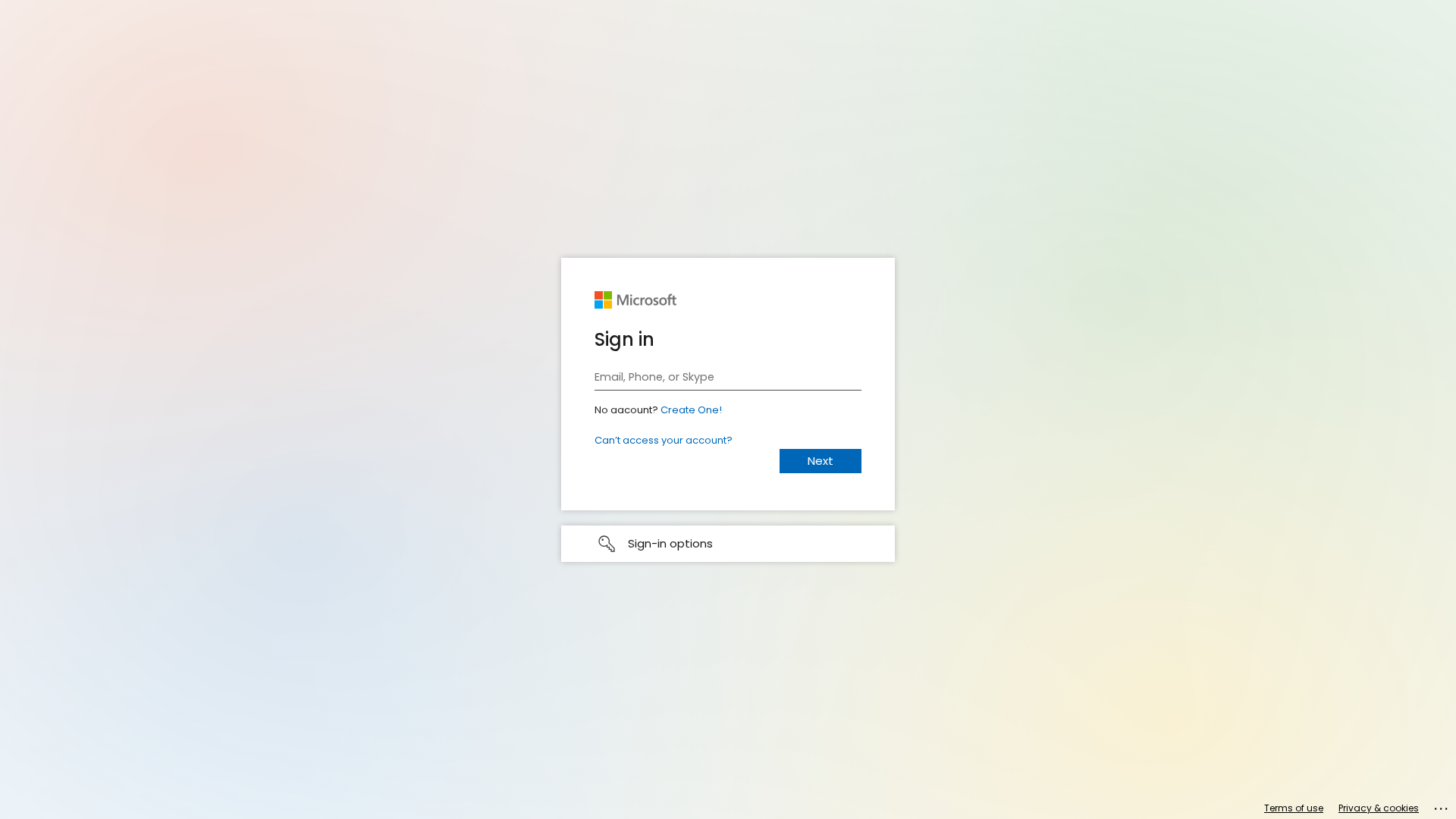
Informações de Detecção
https://phishpds.com/general-phishing/landing/bd5e149e-e760-4c/
Detected Brand
Microsoft
Country
International
Confiança
95%
HTTP Status
200
Report ID
f1159c4f-fe5…
Analyzed
2026-02-04 00:07
Hashes de Conteúdo (Similaridade HTML)
Used to detect similar phishing pages based on HTML content
| Algorithm | Hash Value |
|---|---|
|
CONTENT
TLSH
|
T1718164B2B040243F13C7C9B973B6BA40BBACC109D5095F797AED529E2CDBF156A62740 |
|
CONTENT
ssdeep
|
48:nVogO7hYOn+w/cIg4+cd9oeum1ra/wd7jvl5Zpbqx1h7lWNWk7j63eqf73U47I3m:nVoFi10dg4+Teu2uWvz3W946vLcKQQ |
Hashes Visuais (Similaridade de Captura)
Used to detect visually similar phishing pages based on screenshots
| Algorithm | Hash Value |
|---|---|
|
VISUAL
pHash
|
9c49f326cc99d926 |
|
VISUAL
aHash
|
18001818171f1fbf |
|
VISUAL
dHash
|
7161713325717d78 |
|
VISUAL
wHash
|
39181818171f1fff |
|
VISUAL
colorHash
|
07000000180 |
|
VISUAL
cropResistant
|
7161713325717d78 |
Análise de Código
Risk Score
53/100
Nível de Ameaça
ALTO
⚠️ Phishing Confirmed
🎣 Credential Harvester
🔬 Threat Analysis Report
• Ameaça: Phishing de credenciais
• Alvo: Usuários do Microsoft
• Método: Imita a página de login do Microsoft.
• Exfil: /general-phishing/submit/bd5e149e-e760-4c/
• Indicadores: Incompatibilidade de domínio, formulário, JavaScript, ofuscação.
• Risco: ALTO
🔐 Credential Harvesting Forms
🔒 Obfuscation Detected
- base64_strings
📤 Form Action Targets
- /general-phishing/submit/bd5e149e-e760-4c/
📊 Detalhamento da Pontuação de Risco
Total Risk Score
90/100
Contributing Factors
Domain mismatch
The domain phishpds.com is unrelated to Microsoft.
Impersonation of Brand
The page attempts to look like a legitimate Microsoft login.
Form submission and Exfiltration
The page has a form, and extracted intel show data exfiltration is detected.
🔬 Análise Integral de Ameaças
Tipo de Ameaça
Credential Harvesting Kit
Alvo
Microsoft users (International)
Método de Ataque
Brand impersonation + credential harvesting forms + obfuscated JavaScript
Canal de Exfiltração
HTTP POST to backend
Avaliação de Risco
MEDIUM - Automated credential harvesting with HTTP POST to backend
⚠️ Indicators of Compromise
- Kit types: Credential Harvester
- 1 obfuscation techniques
🏢 Análise de Falsificação de Marca
Impersonated Brand
Microsoft
Official Website
https://www.microsoft.com/
Fake Service
Microsoft account login
⚔️ Metodologia de Ataque
Primary Method: Credential Phishing
The attacker creates a fake login page that mirrors Microsoft's sign-in page, designed to trick users into entering their credentials.
Secondary Method: Obfuscation
The attacker may use base64 encoding to obfuscate malicious JavaScript code.
🌐 Indicadores de Compromisso de Infraestrutura
Domain Information
Domínio
phishpds.com
Registered
2024-03-05
Registrar
None
Estado
ACTIVE
🤖 AI-Extracted Threat Intelligence
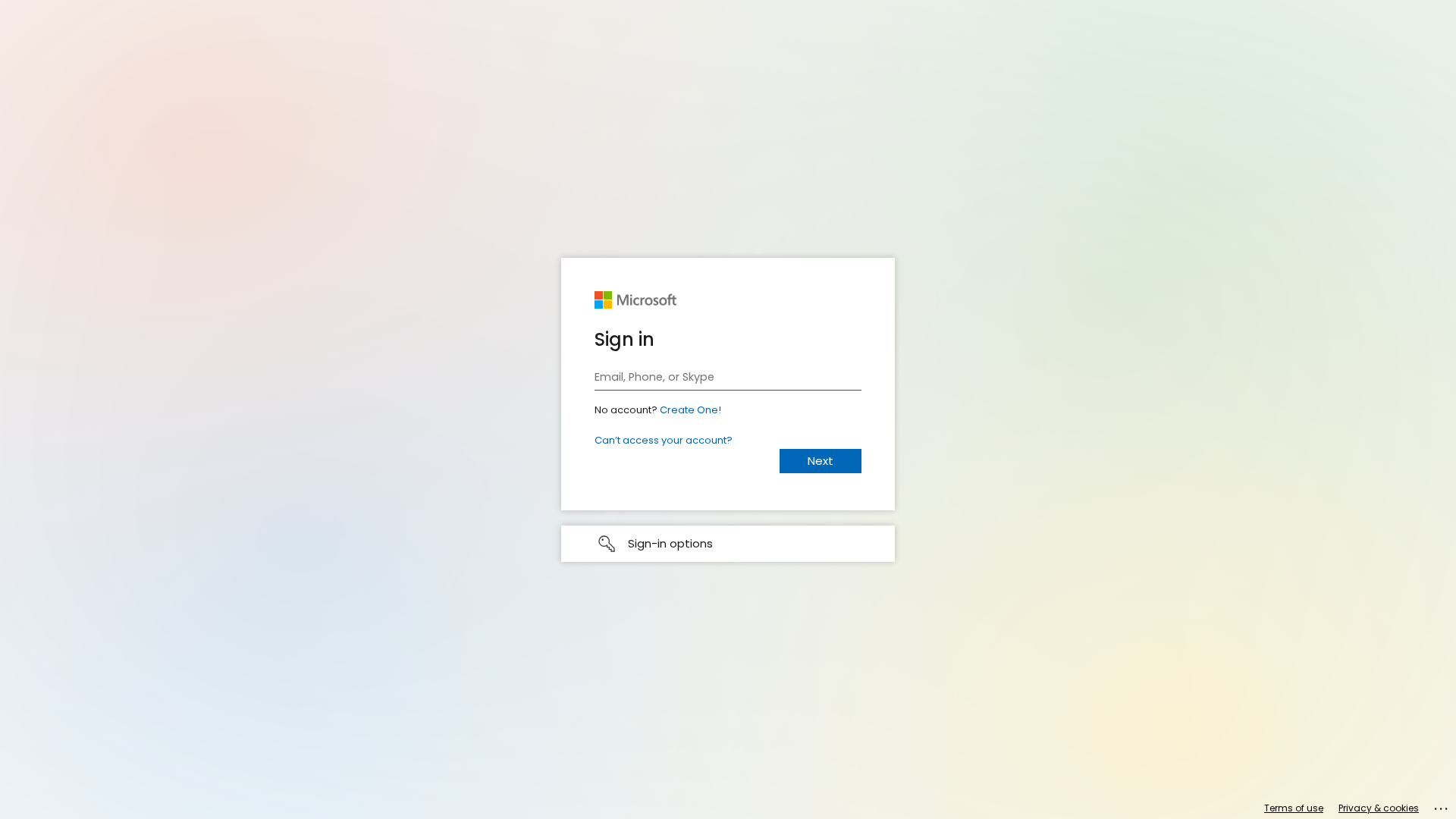
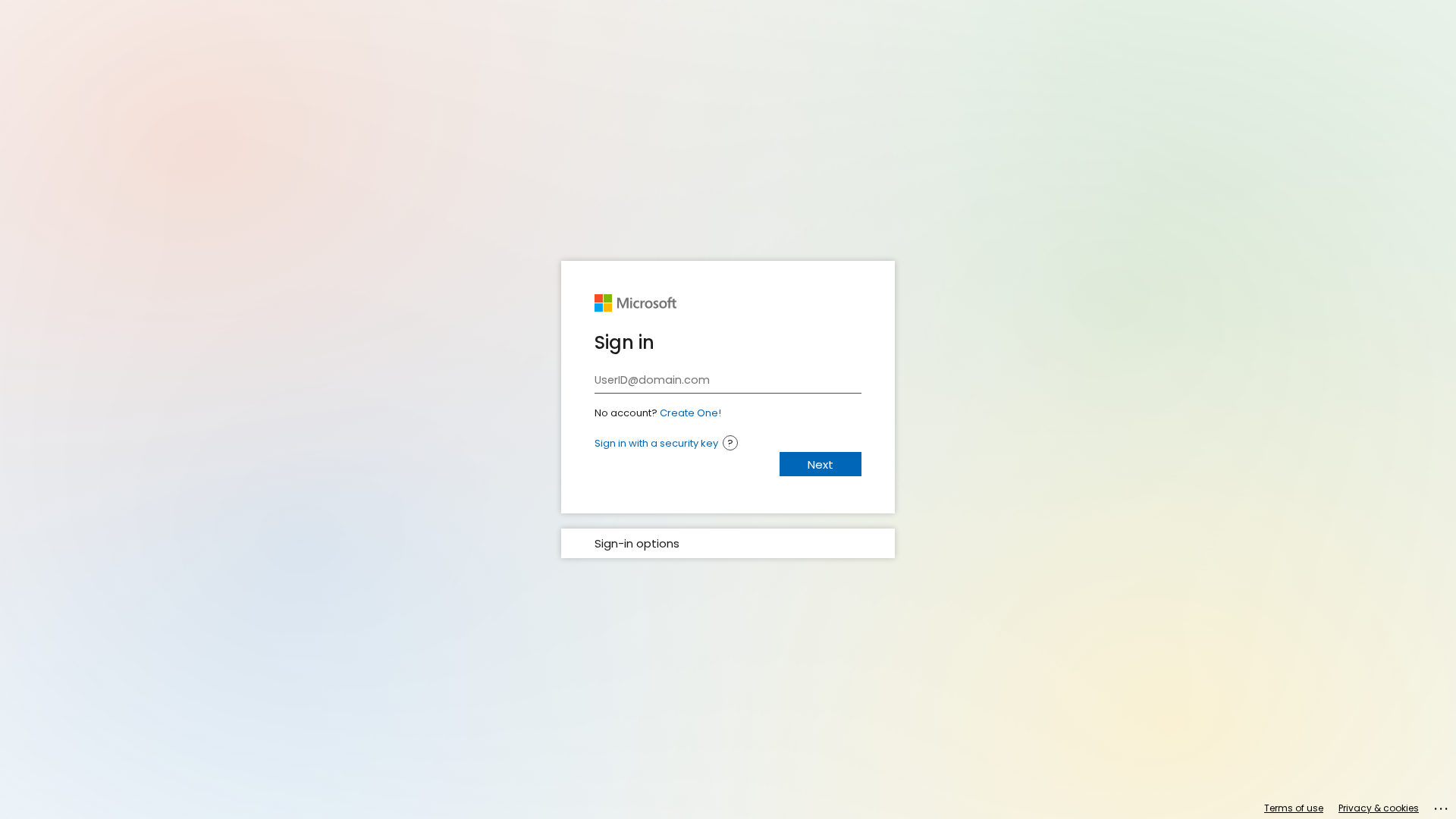
Similar Websites
Pages with identical visual appearance (based on perceptual hash)

"Nunca pensei que aconteceria comigo"
Isso dizem os 2,3 milhões de vítimas a cada ano. Não espere para ser uma estatística.