
Phishing Analysis
Detailed analysis of captured phishing page
Captura Visual
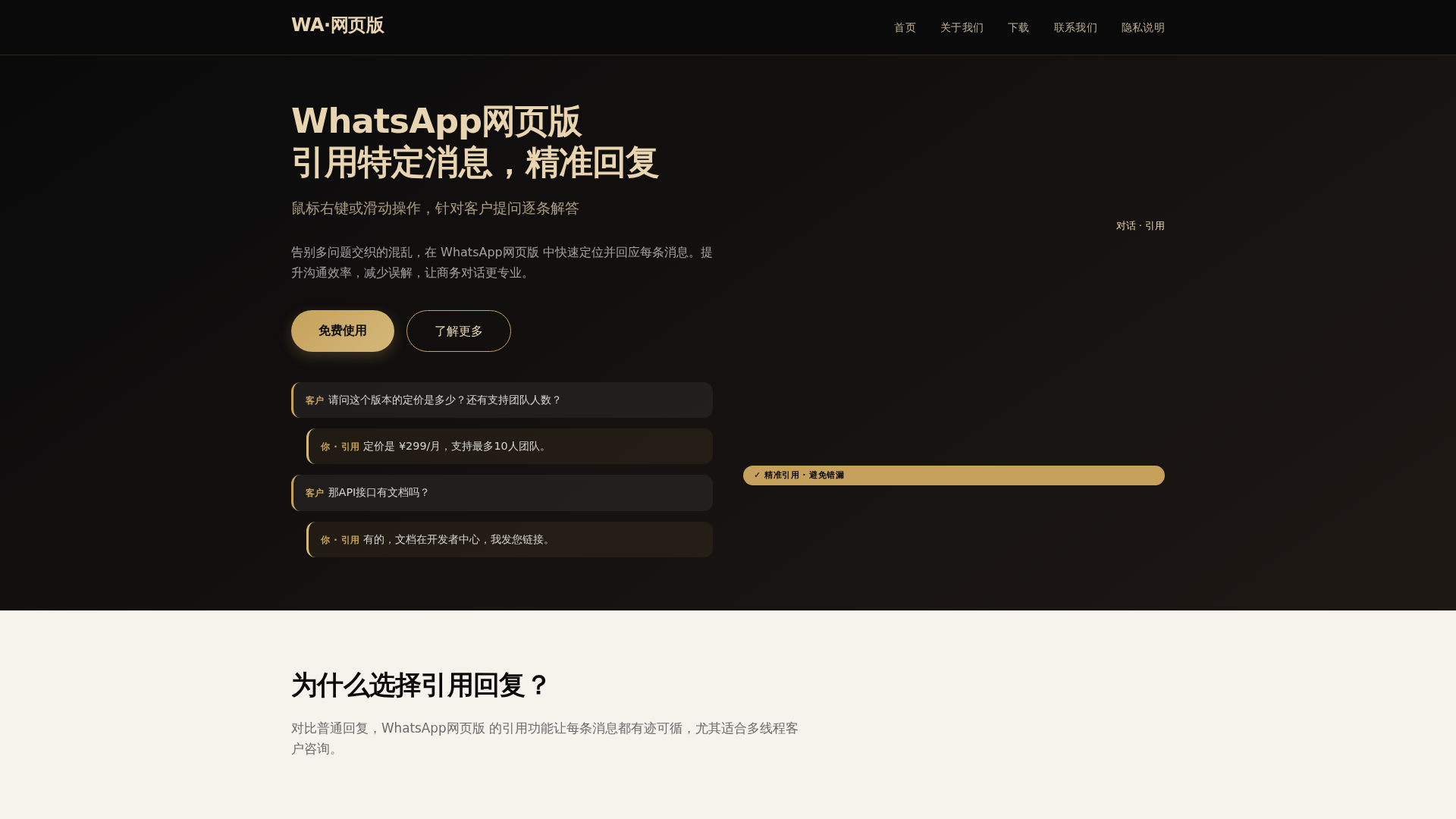
Informações de Detecção
https://wa.audios-whatapp.hl.cn/
Detected Brand
WhatsApp
Country
Unknown
Confiança
95%
HTTP Status
200
Report ID
f5b4c7b9-705…
Analyzed
2026-08-04 22:23
Hashes de Conteúdo (Similaridade HTML)
Used to detect similar phishing pages based on HTML content
| Algorithm | Hash Value |
|---|---|
|
CONTENT
TLSH
|
T13A829771C1035FF7225782E5E252629BE8E443DADC231E399EF40279AFC5839EC53099 |
|
CONTENT
ssdeep
|
192:o6ZC5gckFLeABXffugzRdxitFq1IcgCcq9zvTU2IPwpPiWKJGk424m4L4m:o7YL9G0Qq6InPpIPSiWK0k424m4L4m |
Hashes Visuais (Similaridade de Captura)
Used to detect visually similar phishing pages based on screenshots
| Algorithm | Hash Value |
|---|---|
|
VISUAL
pHash
|
8347fc1e33b8319c |
|
VISUAL
aHash
|
000000000000ffff |
|
VISUAL
dHash
|
ccc7c4c7dccc3638 |
|
VISUAL
wHash
|
007000602e7fffff |
|
VISUAL
colorHash
|
3ae00000000 |
|
VISUAL
cropResistant
|
30c834340c280000,9ccfc5ced7ccdcc7 |
Análise de Código
Nível de Ameaça
ALTO
⚠️ Phishing Confirmed
🎯 Kit Endpoints
- https://h5.dialogue-whatapp.com.cn/
- https://im.dialogue-whatapp.hk.cn
📊 Detalhamento da Pontuação de Risco
Total Risk Score
40/100
🔬 Análise Integral de Ameaças
Tipo de Ameaça
WhatsApp Phishing Landing Page
Alvo
WhatsApp users
Método de Ataque
Phishing webpage
Canal de Exfiltração
Form submission (backend endpoint not detected - likely JavaScript-based)
Avaliação de Risco
LOW - Automated credential harvesting with Form submission (backend endpoint not detected - likely JavaScript-based)
🏢 Análise de Falsificação de Marca
Impersonated Brand
WhatsApp
Official Website
https://www.whatsapp.com
Fake Service
Credential harvesting service
⚔️ Metodologia de Ataque
Primary Method: Search Engine Manipulation
Fake WhatsApp site positioned to capture victims through SEO tactics, typosquatting, or paid advertising. Serves as entry point for multi-stage attacks including credential theft and malware distribution.
Secondary Method: Standard Phishing Techniques
Uses typical phishing tactics including brand impersonation, urgency tactics, and social engineering to trick victims into providing sensitive information.
🌐 Indicadores de Compromisso de Infraestrutura
Domain Information
Domínio
wa.audios-whatapp.hl.cn
Registered
2026-07-28 13:11:54+00:00
Registrar
万商云集(成都)科技股份有限公司
Estado
Recently registered (7 days old)
Hosting Information
Provider
万商云集(成都)科技股份有限公司
ASN
🤖 AI-Extracted Threat Intelligence

"Nunca pensei que aconteceria comigo"
Isso dizem os 2,3 milhões de vítimas a cada ano. Não espere para ser uma estatística.