
Phishing Analysis
Detailed analysis of captured phishing page
81
Risk Score
High Risk
Threat Level: ALTO
• Impersonating: Microsoft
- • Threat: Organization Sign-in Phishing
- • Target: Microsoft users
- • Method: Fake sign-in page requesting user's credentials
- • Exfil: Likely credentials, including username and password, sent to attacker-controlled server.
- • Indicators: Mismatched domain (pub-5c4cef75b08546e281f71e80755c72f1.r2.dev), using Microsoft branding
- • Risk: HIGH - Potential for credential theft and account compromise
⚠ Risk Factors
- Brand impersonation of Microsoft on non-official domain
- Credential harvesting indicators detected
- OTP/2FA stealing indicators detected
Visual Capture
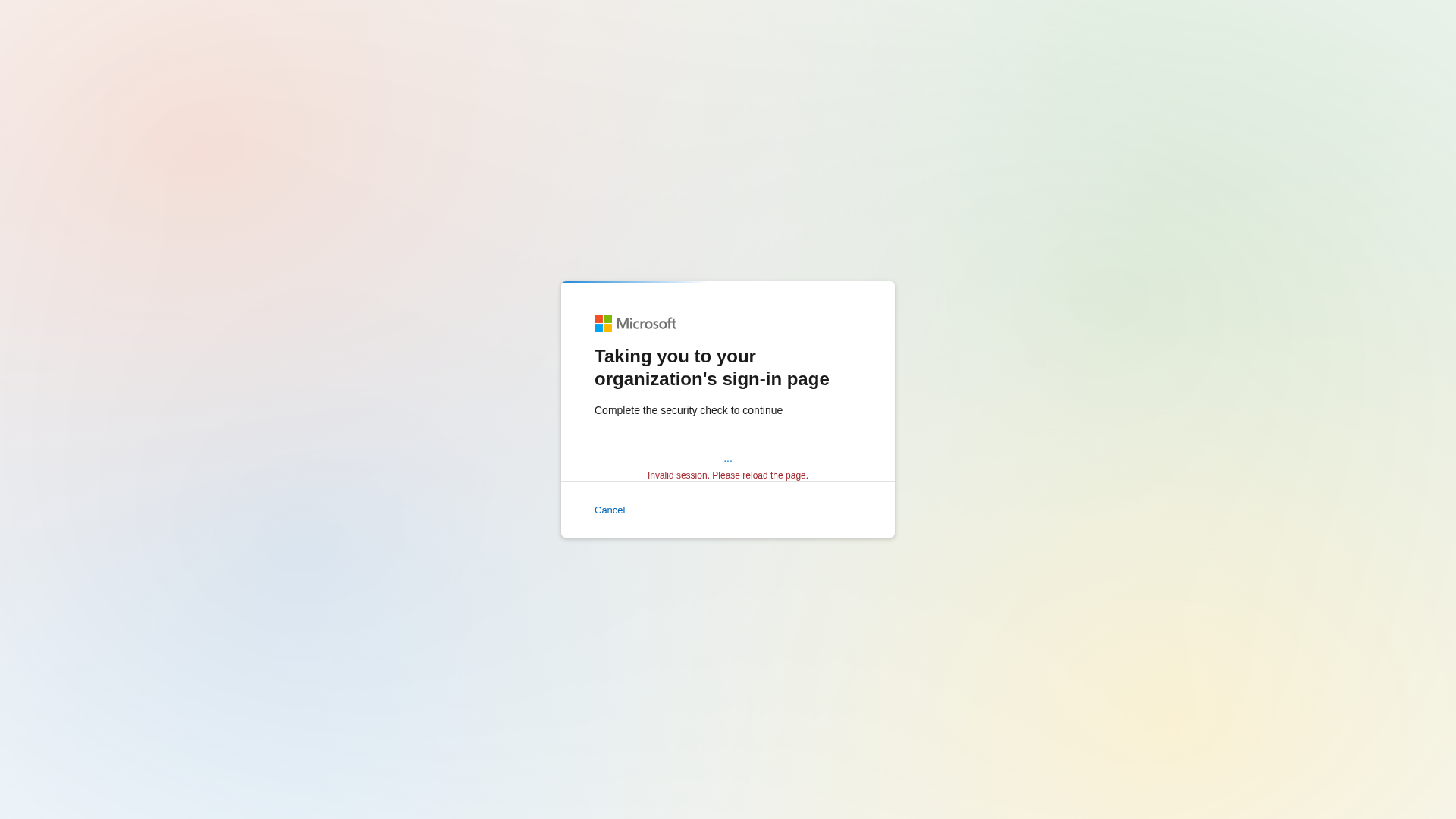
Detection Info
https://pub-5c4cef75b08546e281f71e80755c72f1.r2.dev/index.html?ebfd60abf8d36190e954f84dc193ba
Detected Brand
Microsoft
Country
International
Confidence
100%
HTTP Status
200
Report ID
d48a6dc7-d36…
Analyzed
2025-12-30 17:17
Content Hashes (HTML Similarity)
Used to detect similar phishing pages based on HTML content
| Algorithm | Hash Value |
|---|---|
|
CONTENT
TLSH
|
T14F218B68E048893747A3D5D9A5A1A35F3AA0878CD7130B056FFC139926DFEA8CD021D9 |
|
CONTENT
ssdeep
|
24:n/nTxVx/cIgDETsCVlWJnPKZNPALc756Fl+Nit8zZrAd:ntf/cIgwYCvAIPW8CMiN |
Visual Hashes (Screenshot Similarity)
Used to detect visually similar phishing pages based on screenshots
| Algorithm | Hash Value |
|---|---|
|
VISUAL
pHash
|
9b4be68cd933c88c |
|
VISUAL
aHash
|
180018081d1f1fbf |
|
VISUAL
dHash
|
7161717b33717d79 |
|
VISUAL
wHash
|
391818081f1f1fff |
|
VISUAL
colorHash
|
07001088040 |
|
VISUAL
cropResistant
|
7161717b33717d79 |
Code Analysis
Risk Score
81/100
Threat Level
ALTO
⚠️ Phishing Confirmed
🎣 Credential Harvester
🎣 OTP Stealer
🔬 Threat Analysis Report
• Threat: Organization Sign-in Phishing
• Target: Microsoft users
• Method: Fake sign-in page requesting user's credentials
• Exfil: Likely credentials, including username and password, sent to attacker-controlled server.
• Indicators: Mismatched domain (pub-5c4cef75b08546e281f71e80755c72f1.r2.dev), using Microsoft branding
• Risk: HIGH - Potential for credential theft and account compromise
🔒 Obfuscation Detected
- atob
- base64_strings
Similar Websites
Pages with identical visual appearance (based on perceptual hash)
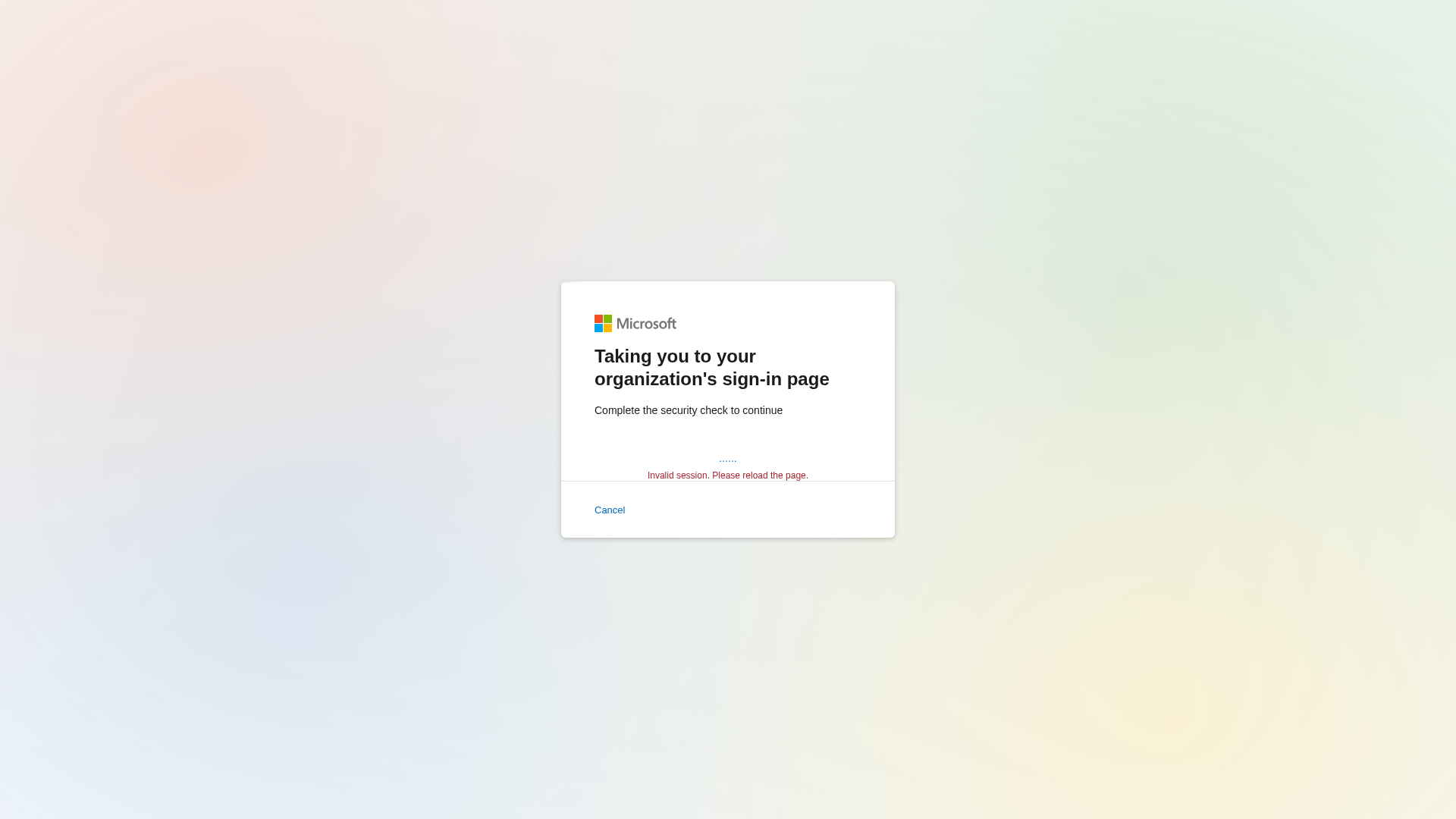
Microsoft
https://pub-60feb3b0da144b72b0f8c76714a15abf.r2.dev/index.ht...
Jan 08, 2026
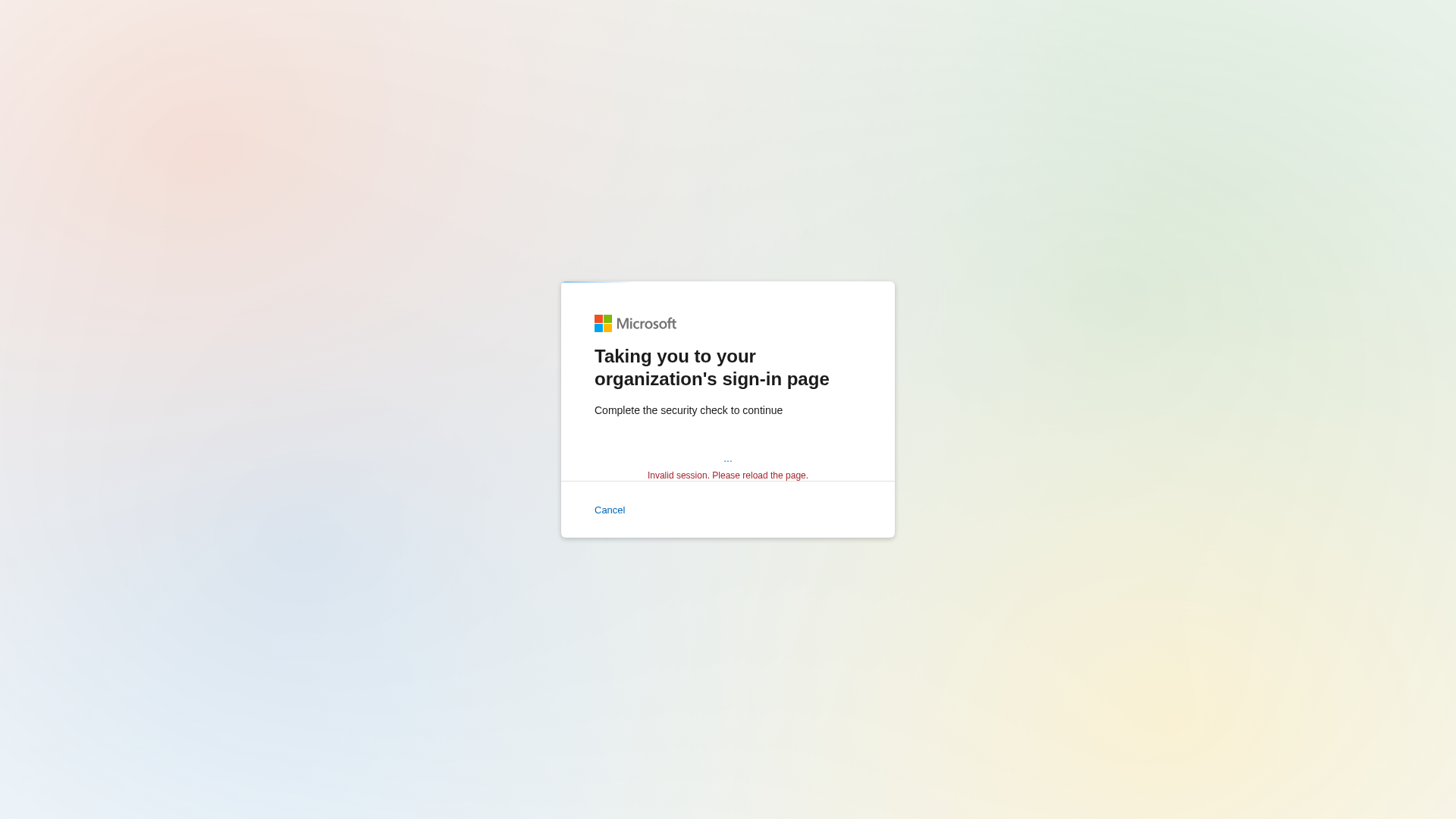
Microsoft
http://pub-60feb3b0da144b72b0f8c76714a15abf.r2.dev/index.htm...
Jan 02, 2026
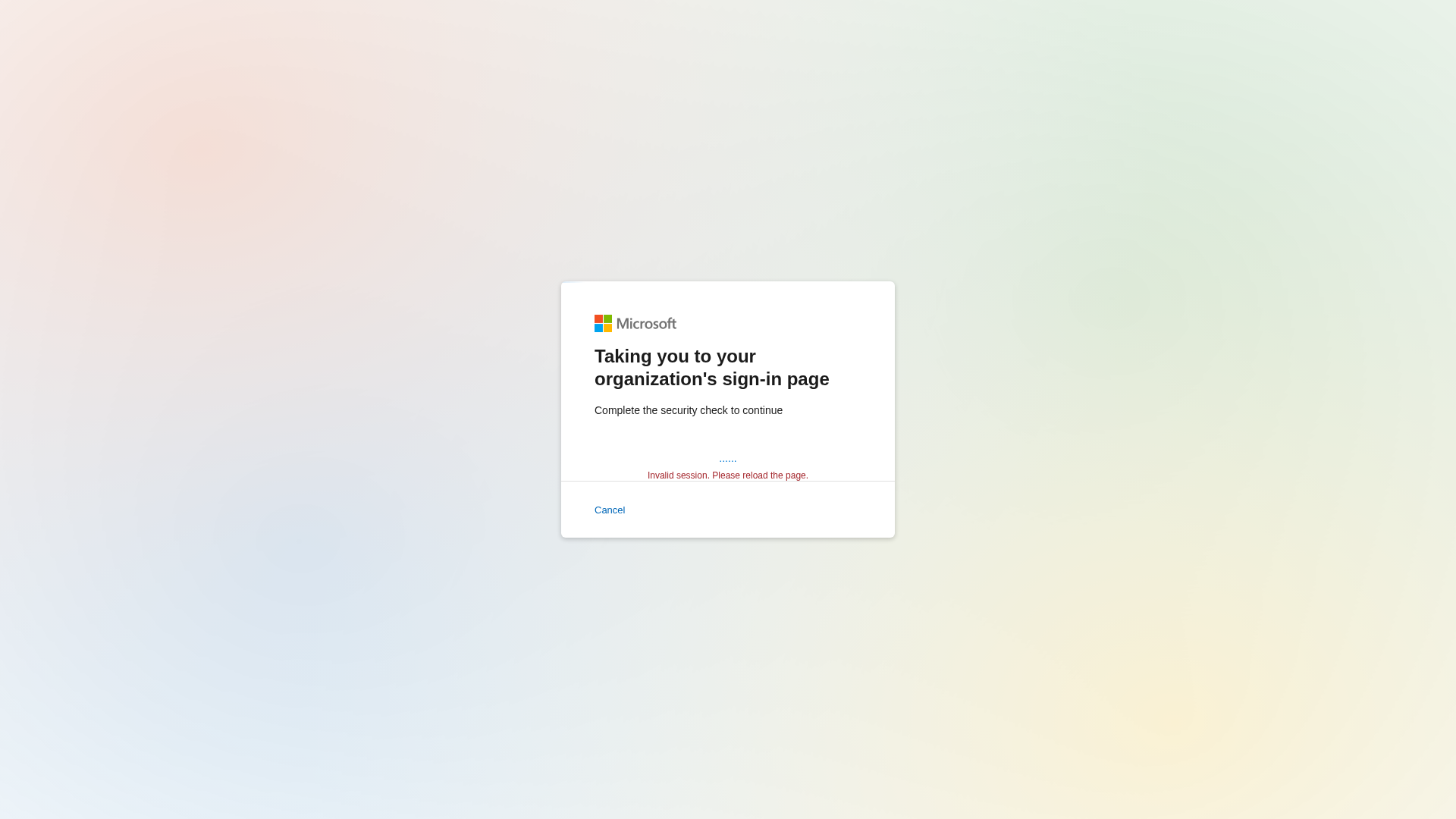
Microsoft
http://pub-60feb3b0da144b72b0f8c76714a15abf.r2.dev/index.htm...
Jan 02, 2026
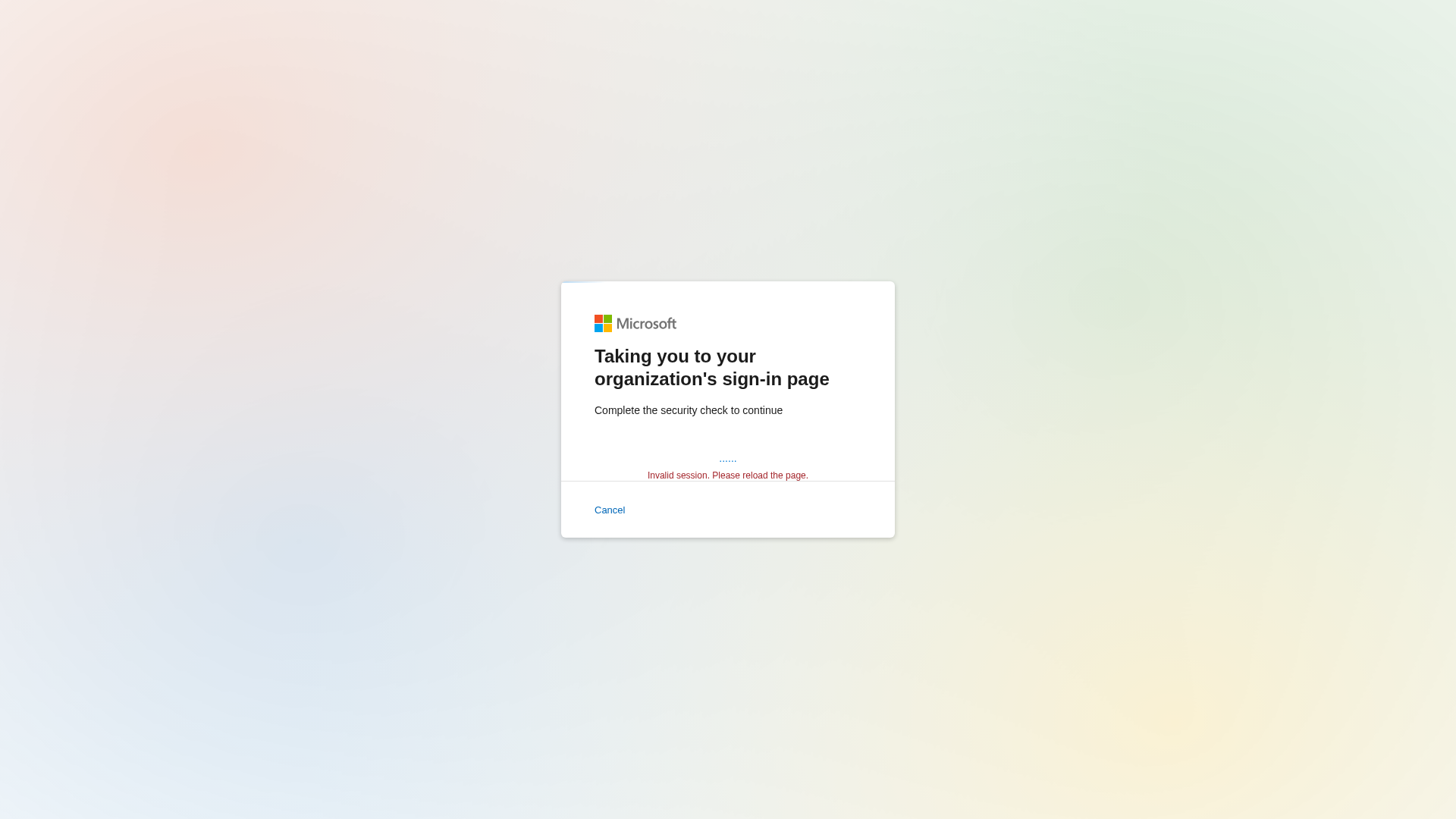
Microsoft
https://pub-f8ae05628d044493abc7f11a802215fc.r2.dev/index.ht...
Jan 01, 2026
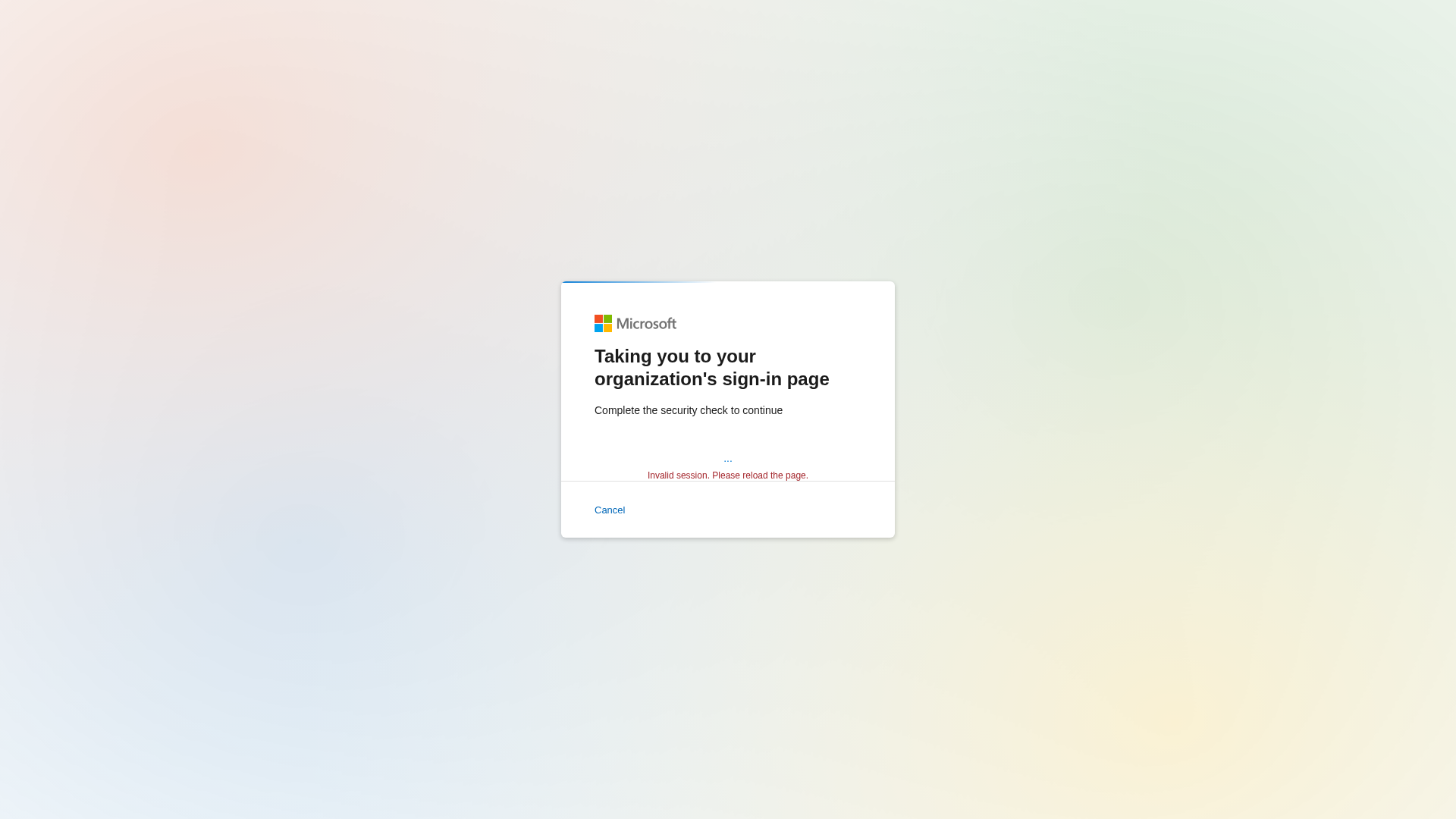
Microsoft
https://pub-f8ae05628d044493abc7f11a802215fc.r2.dev/index.ht...
Jan 01, 2026