
Phishing Analysis
Detailed analysis of captured phishing page
Visual Capture
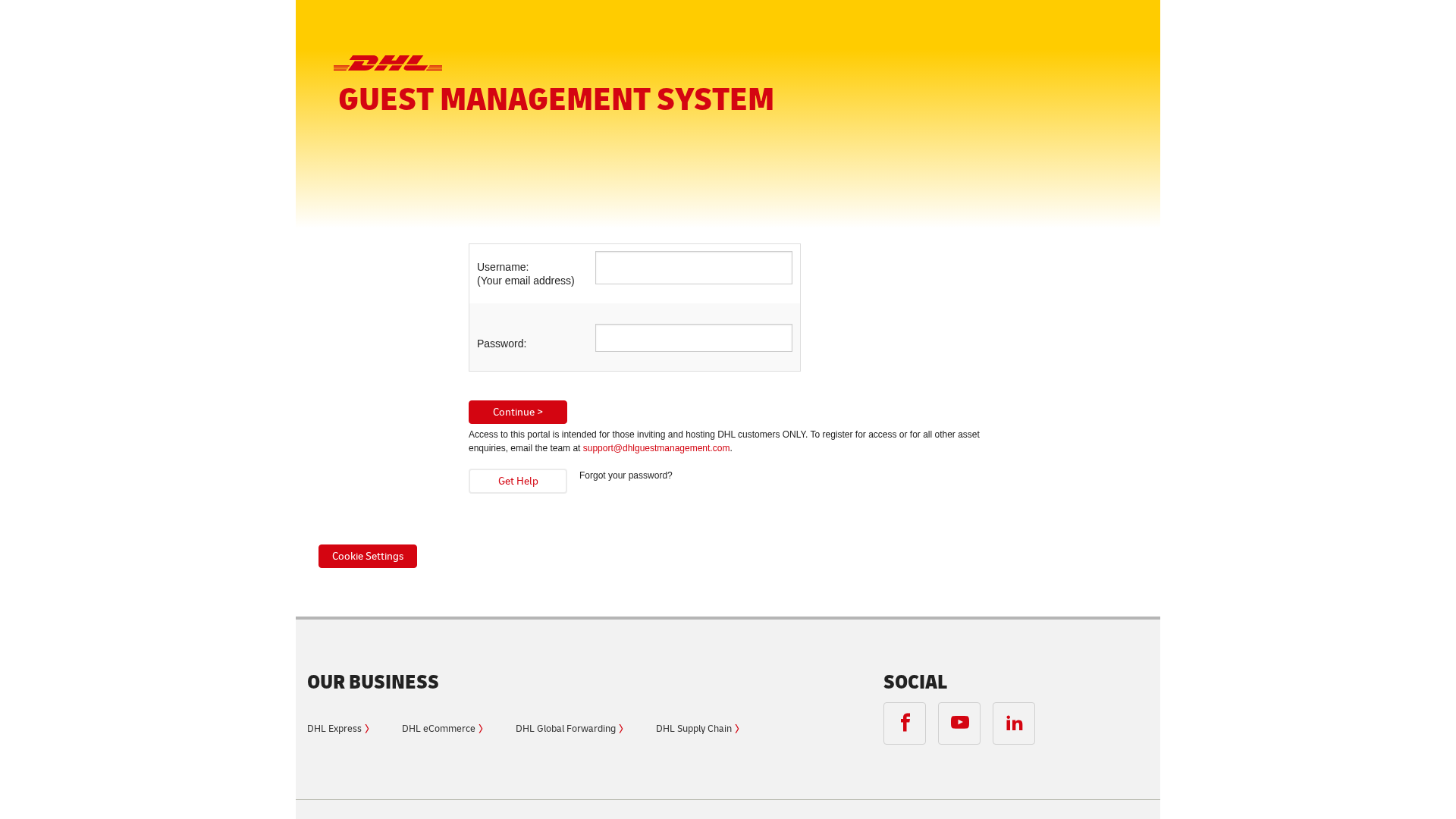
Detection Info
http://dhlguestmanagement.com/
Detected Brand
DHL
Country
International
Confidence
100%
HTTP Status
200
Report ID
103afd1d-7c8…
Analyzed
2026-02-11 12:01
Final URL (after redirects)
https://secure.dhlguestmanagement.com/events2/login.cfm
Content Hashes (HTML Similarity)
Used to detect similar phishing pages based on HTML content
| Algorithm | Hash Value |
|---|---|
|
CONTENT
TLSH
|
T13C147614FB0107C484F9BCD5949772E4A041CE2FA34A65A7252F53F67CCACA63EA239D |
|
CONTENT
ssdeep
|
384:DHgJWIV7y4yLMiVH8z2IVvg/py2pLaQlmXBwJlVIXv4tY/Uo0Wo3mNKX:sJ/oS2AqpL0wTVIXv4sUo0Wo3mN2 |
Visual Hashes (Screenshot Similarity)
Used to detect visually similar phishing pages based on screenshots
| Algorithm | Hash Value |
|---|---|
|
VISUAL
pHash
|
b8396c3c316ccec5 |
|
VISUAL
aHash
|
81c3ffcfcf9fc3c3 |
|
VISUAL
dHash
|
3b1b001c1c2a3737 |
|
VISUAL
wHash
|
8181dfcfc79f8181 |
|
VISUAL
colorHash
|
06400030000 |
|
VISUAL
cropResistant
|
3b1b001c1c2a3737 |
Code Analysis
Risk Score
97/100
Threat Level
ALTO
⚠️ Phishing Confirmed
🎣 Credential Harvester
🎣 OTP Stealer
🎣 Card Stealer
🎣 Banking
🎣 Personal Info
🔬 Threat Analysis Report
• Threat: Credential Phishing
• Target: DHL customers
• Method: Impersonation via login form
• Exfil: /events2/login.cfm
• Indicators: Domain mismatch, login form, obfuscation
• Risk: High
🔐 Credential Harvesting Forms
🔒 Obfuscation Detected
- atob
- eval
- fromCharCode
- unescape
- base64_strings
🎯 Kit Endpoints
- http://www.dhl.com/en/contact_center/contact_global_forwarding.html
- http://www.dhl.com/en/legal/fraud_awareness.html
- http://www.sportssystems.com/xml/dynform
- https://inmotion.dhl/img/partner-logos/partner_motogp.svg
- https://inmotion.dhl/coldplay
- https://inmotion.dhl/formula-e
- https://inmotion.dhl/img/partner-logos/partner_wec.svg
- http://dhlguestmanagement.com/lib/responsive/js/respond.1.4.2.min.js
- https://inmotion.dhl/
- https://inmotion.dhl/gewandhausorchester
- https://inmotion.dhl/universal-music-group
- https://inmotion.dhl/img/partner-logos/partner_ars.svg
- http://dhlguestmanagement.com/CFJS/ajax/package/cfajax.js
- https://inmotion.dhl/beethoven
- https://inmotion.dhl/img/partner-logos/partner_umg.svg
- https://inmotion.dhl/img/partner-logos/partner_wtcr.svg
- https://secure.sportssystems.com/clientdata/429/
- http://www.dhl.com/en/contact_center/contact_supplychain.html
- http://www.dhl.com/en/contact_center/contact_parcel_ecommerce.html
- https://inmotion.dhl/wtcr
- http://dhlguestmanagement.com/lib/responsive/js/selectivizr.1.0.2.min.js
- https://inmotion.dhl/img/partner-logos/partner_esports.svg
- https://inmotion.dhl/esports
- https://inmotion.dhl/motogp
- http://www.dhl.com/en/legal/dispute_resolution.html
- http://dhlguestmanagement.com/javascripts/webpack/dist/js/webpackBundle_frontend.js?v=2.1.597
- http://dhlguestmanagement.com/lib/responsive/foundation-5.5.2/js/foundation.min.js
- https://inmotion.dhl/img/partner-logos/partner_mi.svg
- https://inmotion.dhl/img/partner-logos/partner_gwo.svg
- http://dhlguestmanagement.com/eventdata/9747/js/application.js?v=2025101515541836
- /events2/login.cfm
📡 API Calls Detected
- GET
📤 Form Action Targets
- /events2/login.cfm
📊 Risk Score Breakdown
Total Risk Score
90/100
Contributing Factors
Domain Mismatch
The domain 'dhlguestmanagement.com' is not a recognized DHL domain.
Login Form
Presence of a login form raises suspicion, particularly when the domain is questionable.
JavaScript Obfuscation
The use of obfuscation techniques suggests an attempt to hide malicious code.
Form actions
The form action points to /events2/login.cfm which is unusual
🔬 Comprehensive Threat Analysis
Threat Type
Banking Credential Harvester
Target
DHL users (International)
Attack Method
Brand impersonation + credential harvesting forms + obfuscated JavaScript
Exfiltration Channel
HTTP POST to backend
Risk Assessment
CRITICAL - Automated credential harvesting with HTTP POST to backend
⚠️ Indicators of Compromise
- Kit types: Credential Harvester, OTP Stealer, Card Stealer, Banking, Personal Info
- 38 obfuscation techniques
🏢 Brand Impersonation Analysis
Impersonated Brand
DHL
Official Website
dhl.com
Fake Service
DHL Guest Management System
⚔️ Attack Methodology
Primary Method: Credential Phishing
The attacker aims to steal user credentials by mimicking a legitimate DHL login page and tricking users into entering their information.
Secondary Method: Social Engineering
The attacker leverages the brand recognition of DHL to gain trust and deceive users.
🌐 Infrastructure Indicators of Compromise
🦠 Malicious Files
Main File
cfmessage.js
File Size
📊 Attack Flow Diagram
1. Step 1: User lands on phishing page mimicking DHL Guest Management System login portal.
2. Step 2: User enters username (email) and password into the form.
3. Step 3: Form submission triggers AJAX POST to `/events2/login.cfm` with `doLogin` action.
4. Step 4: Backend ColdFusion component (`ControllerProxy.cfc`) processes credentials via `validatePassword()` and `validateFormFieldData()`.
5. Step 5: Session cookies (`SS_NAVB`, antiCsfrToken) are set or killed to manage user sessions and evade detection.
6. Step 6: Credentials are stored server-side or forwarded to attacker-controlled infrastructure.
7. Step 7: User is potentially redirected or shown a fake error message to delay suspicion.
🔬 JavaScript Deep Analysis
Operator Language
English (1%)
Total Code Size
2.2 MB
🔗 API Endpoints Detected
Other
44
🔐 Obfuscation Detected
- : Light
- : Light
- : Light
- : Light
- : Light
- : Light
- : Light
- : Light
- : Light
- : Light
- : Light
🤖 AI-Extracted Threat Intelligence
📊 Attack Flow
1. Step 1: User lands on phishing page mimicking DHL Guest Management System login portal.
2. Step 2: User enters username (email) and password into the form.
3. Step 3: Form submission triggers AJAX POST to `/events2/login.cfm` with `doLogin` action.
4. Step 4: Backend ColdFusion component (`ControllerProxy.cfc`) processes credentials via `validatePassword()` and `validateFormFieldData()`.
5. Step 5: Session cookies (`SS_NAVB`, antiCsfrToken) are set or killed to manage user sessions and evade detection.
6. Step 6: Credentials are stored server-side or forwarded to attacker-controlled infrastructure.
7. Step 7: User is potentially redirected or shown a fake error message to delay suspicion.
🎯 Malicious Files Identified
Main Drainer
cfmessage.jsFile Size
The extracted code spans multiple script blocks and external references, but the core malicious logic is embedded in the HTML/JavaScript (estimated ~300-500KB including dependencies like `webpackBundle_frontend.js`).
Malicious Functions
validatePassword()validateFormFieldData()processFrontEndAssignment()getContactData()setCookie() / killCookies()checkKillSwitch()sssiUtil.preventHighJack()
Similar Websites
Pages with identical visual appearance (based on perceptual hash)
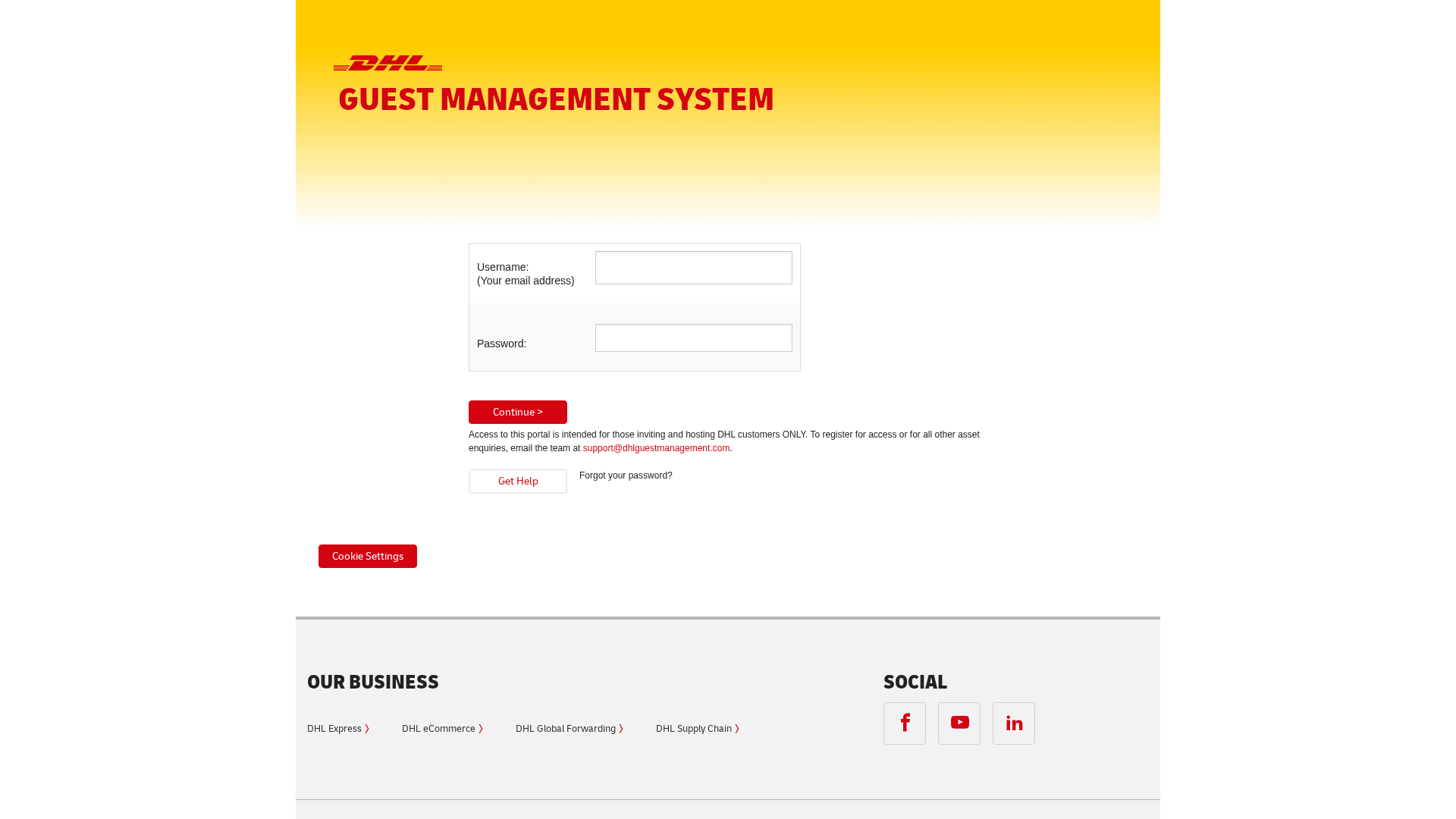
DHL
https://secure.dhlguestmanagement.com/events2/login.cfm?ref=...
Mar 23, 2026
No screenshot
DHL
https://secure.dhlguestmanagement.com/events2/login.cfm?ref=...
Mar 14, 2026
No screenshot
DHL
https://secure.dhlguestmanagement.com/events2/Login.cfm?ref=...
Mar 14, 2026
No screenshot
DHL
https://secure.dhlguestmanagement.com/events2/login.cfm?ref=...
Mar 01, 2026
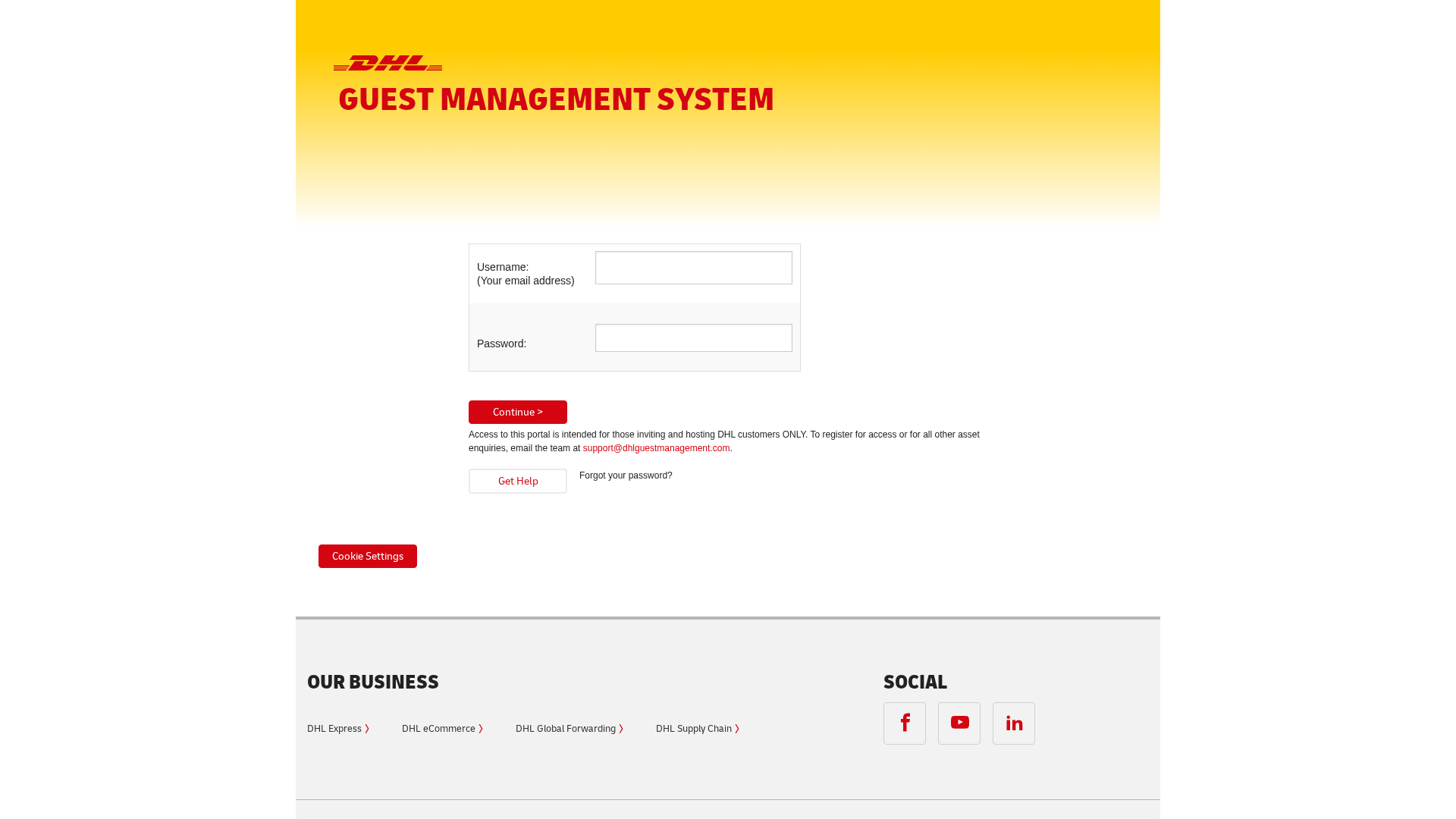
DHL
http://secure.dhlguestmanagement.com/events2/login.cfm?ref=/...
Feb 09, 2026
Scan History for dhlguestmanagement.com
Found 10 other scans for this domain
-
https://secure.dhlguestmanagement.com/events2/inde...
https://secure.dhlguestmanagement.com/events2/logi...
https://secure.dhlguestmanagement.com/events2/cred...
https://secure.dhlguestmanagement.com/events2/logi...
https://secure.dhlguestmanagement.com/events2/Logi...
https://secure.dhlguestmanagement.com/events2/inde...
https://secure.dhlguestmanagement.com/events2/logi...
https://secure.dhlguestmanagement.com/events2/inde...
https://secure.dhlguestmanagement.com/events2/cred...
http://secure.dhlguestmanagement.com/events2/index...

"I Never Thought It Would Happen to Me"
That's what 2.3 million victims say every year. Don't wait to become a statistic.