
Phishing Analysis
Detailed analysis of captured phishing page
Captura Visual
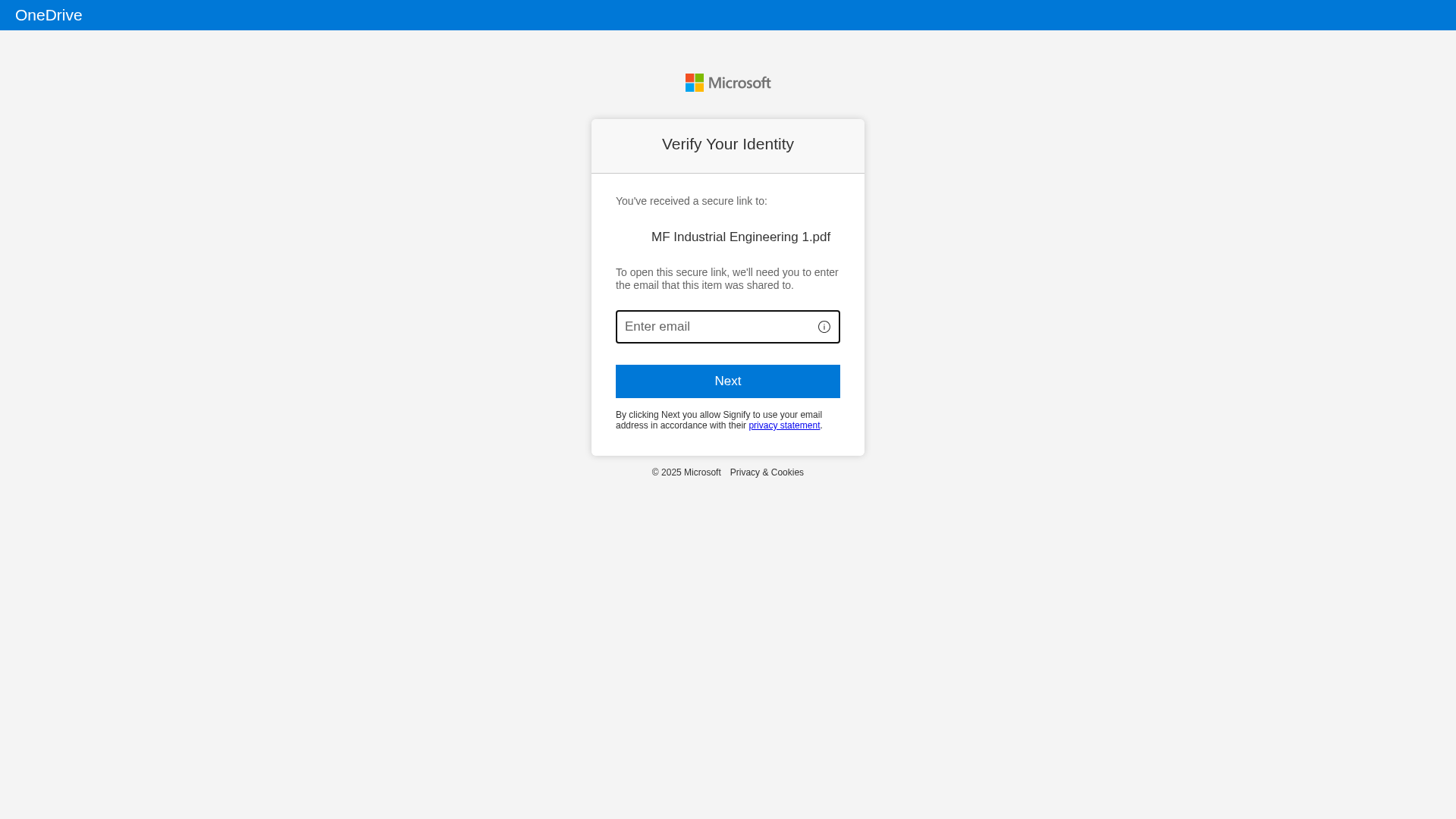
Información de Detección
Hashes de Contenido (Similitud HTML)
Used to detect similar phishing pages based on HTML content
| Algorithm | Hash Value |
|---|---|
|
CONTENT
TLSH
|
T198C1C63292209DB34093D6E0BAFAB75B71C6829AD7050A1452DC934D0FFBEC5ED711E4 |
|
CONTENT
ssdeep
|
96:1oc2ET3hZ4zjHsXRKm1Dx7dxlVJ3yBX6ShZ0cHLZQhxwD0u8mQ8vrS3eeK5NpLAi:oM3hZAHeRKm1DpdxJyBKQ6cHLZQQyK5T |
Hashes Visuales (Similitud de Captura)
Used to detect visually similar phishing pages based on screenshots
| Algorithm | Hash Value |
|---|---|
|
VISUAL
pHash
|
b3734c4c7673584c |
|
VISUAL
aHash
|
00ffffe7e7ffffff |
|
VISUAL
dHash
|
0808324c4c300000 |
|
VISUAL
wHash
|
00ecfce4070f0f0f |
|
VISUAL
colorHash
|
070000001c0 |
|
VISUAL
cropResistant
|
0c28324c0c100000,0000004040400080 |
Análisis de Código
🔬 Threat Analysis Report
• Amenaza: Phishing
• Objetivo: Usuarios de Microsoft OneDrive
• Método: Suplantación de identidad y recopilación de credenciales
• Exfil: ./guestaccess.aspx?share=EUQNxH0Mm6JNqZek0PX58poBdThQJdF0uVc_HRDVaWvIGg
• Indicadores: Dominio no relacionado, formulario solicitando correo electrónico, ofuscación JavaScript.
• Riesgo: Alto
🔐 Credential Harvesting Forms
🔒 Obfuscation Detected
- eval
- fromCharCode
- unescape
- document.write
- base64_strings
📡 API Calls Detected
- javascript:
- POST
📤 Form Action Targets
- ./guestaccess.aspx?share=EUQNxH0Mm6JNqZek0PX58poBdThQJdF0uVc_HRDVaWvIGg
📊 Desglose de Puntuación de Riesgo
Contributing Factors
🔬 Análisis Integral de Amenazas
⚠️ Indicators of Compromise
- Kit types: Credential Harvester, OTP Stealer, Personal Info
- 40 obfuscation techniques
🏢 Análisis de Suplantación de Marca
Fraudulent Claims
⚔️ Metodología de Ataque
Primary Method: Credential Harvesting
The attacker is impersonating Microsoft OneDrive and attempts to steal the victim's email address by tricking them into entering it on a fake login page. The 'secure link' context is used to convince the user that they must provide their email.
Secondary Method: JavaScript Obfuscation
Javascript code obfuscation is used to hide the malicious code and make it harder to detect the malicious activity. The use of 'eval', 'fromCharCode' and 'unescape' are tell-tale signs. JavaScript is then used to submit the harvested credentials to the attacker's server.
🌐 Indicadores de Compromiso de Infraestructura
Domain Information
🤖 AI-Extracted Threat Intelligence
Similar Websites
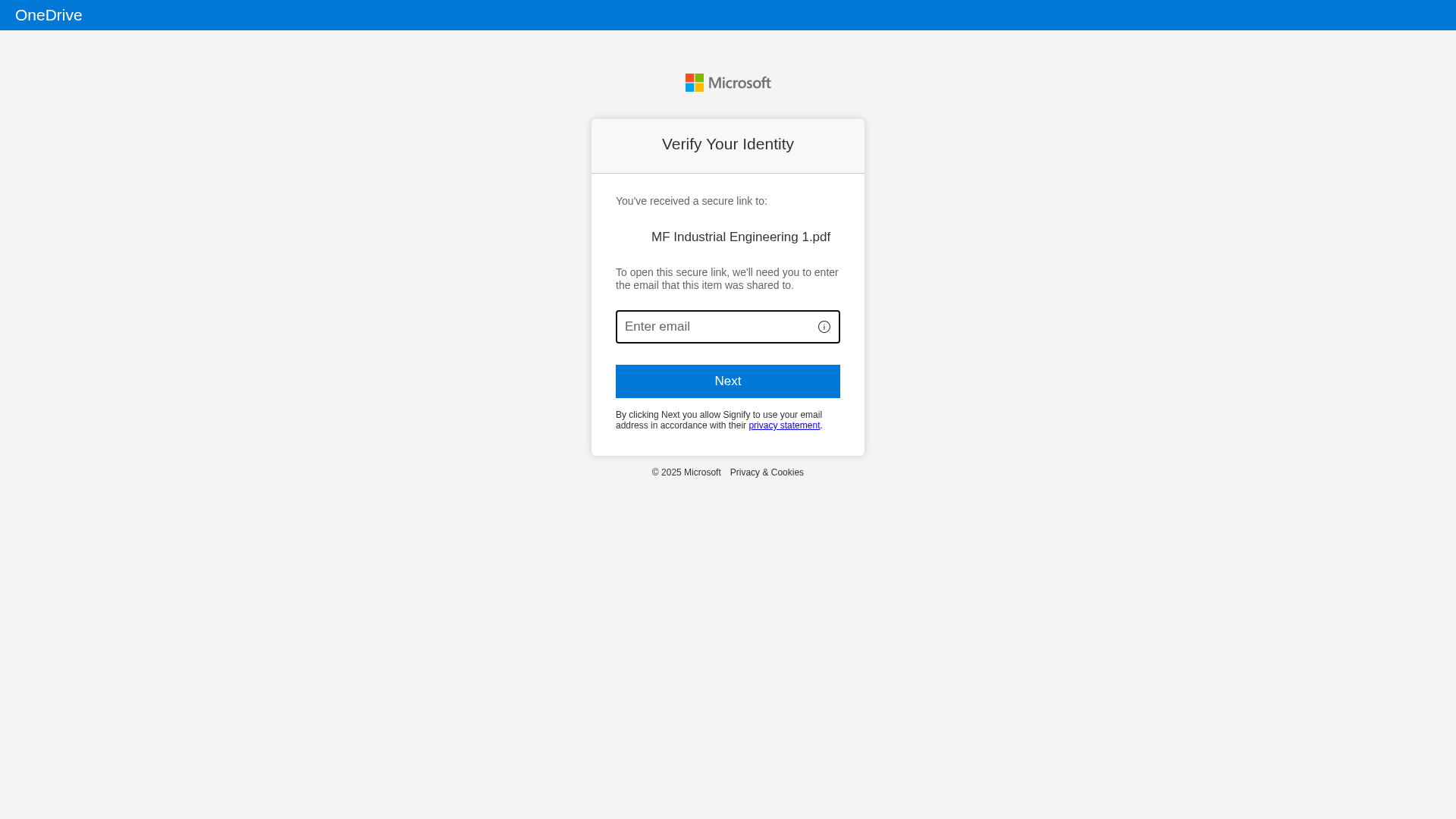
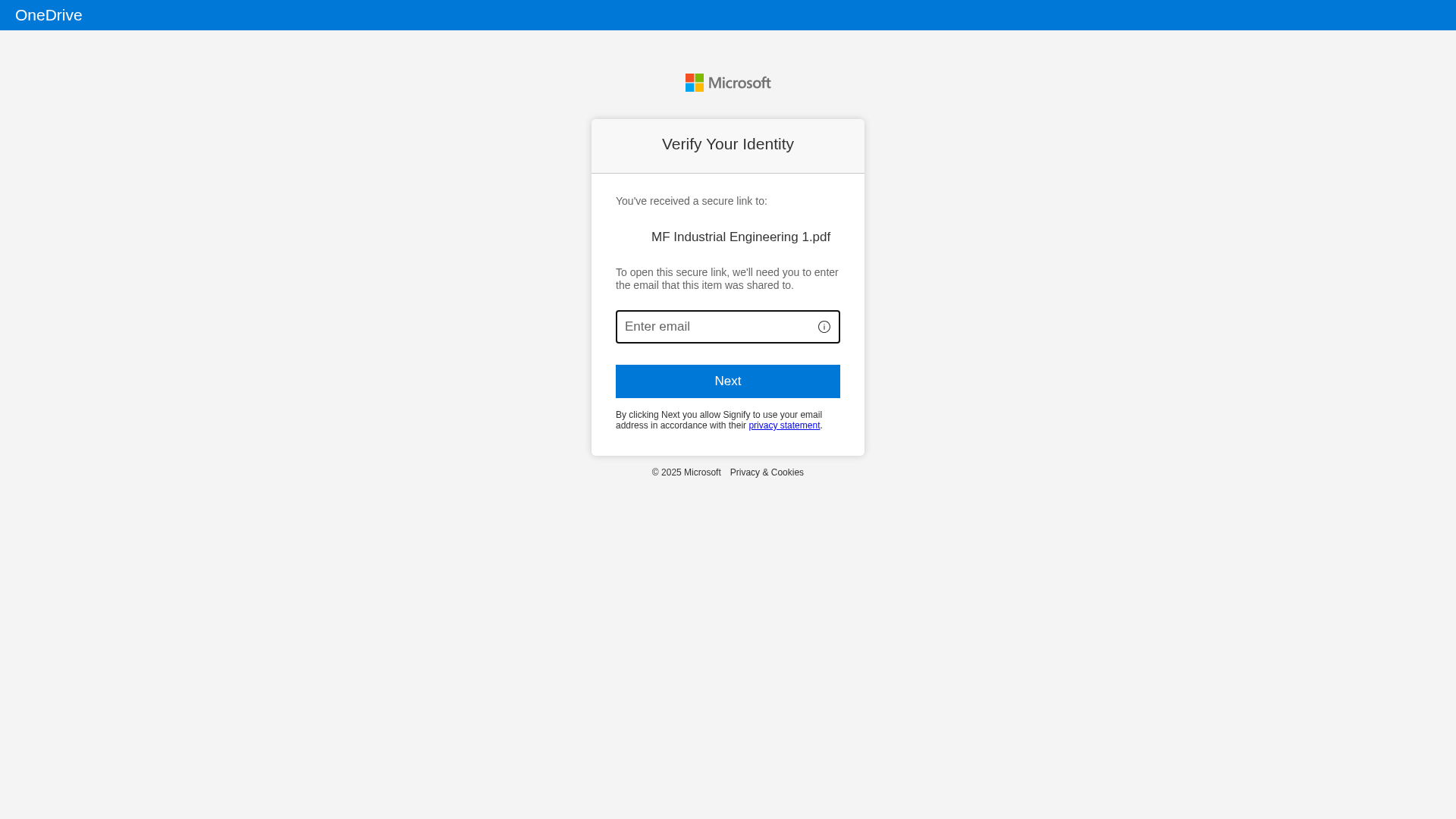
Pages with identical visual appearance (based on perceptual hash)
Scan History for docs.lighting.com
Found 10 other scans for this domain
-
http://docs.lighting.com/:f:/g/personal/richard_ve...
https://docs.lighting.com/:f:/g/personal/richard_v...
https://docs.lighting.com/:f:/g/personal/jan-henni...
http://docs.lighting.com/:f:/g/personal/richard_ve...
https://docs.lighting.com/:f:/g/personal/malene_ha...
https://docs.lighting.com/:x:/g/personal/christoph...
https://docs.lighting.com/:p:/g/personal/jose_aval...
https://docs.lighting.com/personal/anirban_ghosh_s...
https://docs.lighting.com/:f:/g/personal/jan-henni...
https://docs.lighting.com/:f:/g/personal/nupur_bis...
