
Phishing Analysis
Detailed analysis of captured phishing page
Captura Visual
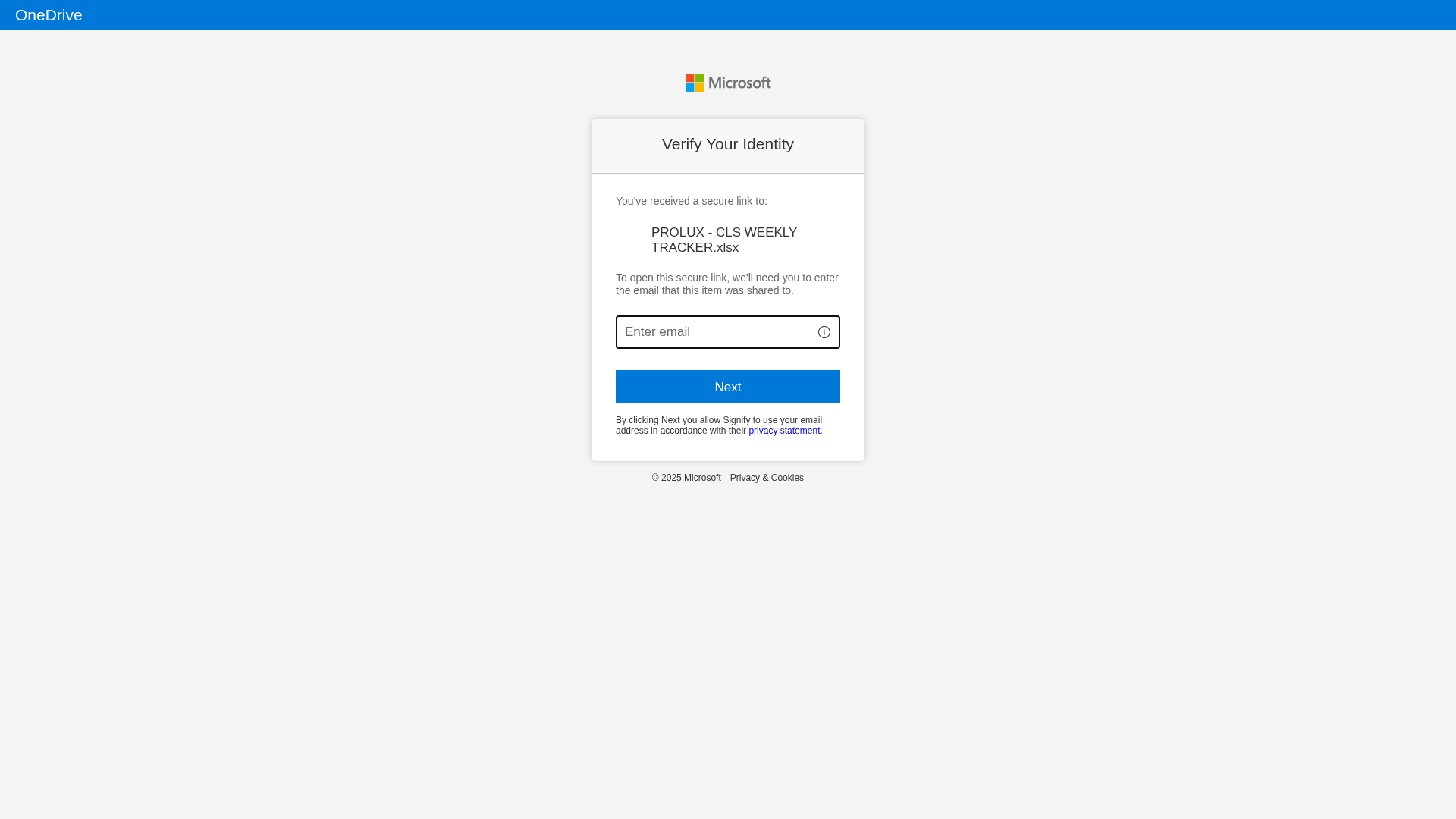
Información de Detección
https://docs.lighting.com/:x:/g/personal/christopher_scime_signify_com/EVEDaHzkzx5Fobk69tM0wacBzMKdr69YlLWlU6vktHM9zA?e=4:nRuP6F&at=9
Detected Brand
Microsoft
Country
International
Confianza
100%
HTTP Status
200
Report ID
8adeb06e-c93…
Analyzed
2026-03-16 10:42
Hashes de Contenido (Similitud HTML)
Used to detect similar phishing pages based on HTML content
| Algorithm | Hash Value |
|---|---|
|
CONTENT
TLSH
|
T1CDD1D635A1319CB34193D2E0B6E6BB5B31C1C2AACB010605A2EC935D0EFFE84EE310E5 |
|
CONTENT
ssdeep
|
192:oM3hZAHeRKmf8btXMG4MuXcHLZQX6ZK5r51:tHgsANuXcdQqZK5r51 |
Hashes Visuales (Similitud de Captura)
Used to detect visually similar phishing pages based on screenshots
| Algorithm | Hash Value |
|---|---|
|
VISUAL
pHash
|
b3734c4c66735919 |
|
VISUAL
aHash
|
00ffffe7e7ffffff |
|
VISUAL
dHash
|
0808324c4c300000 |
|
VISUAL
wHash
|
00a82b23e7f7c3c3 |
|
VISUAL
colorHash
|
070000001c0 |
|
VISUAL
cropResistant
|
0c281a4c0c100000,0000004040400080 |
Análisis de Código
Risk Score
85/100
Nivel de Amenaza
ALTO
⚠️ Phishing Confirmed
🎣 Credential Harvester
🎣 OTP Stealer
🎣 Personal Info
🔬 Threat Analysis Report
• Amenaza: Phishing
• Objetivo: Usuarios de Microsoft
• Método: Suplantación de identidad a través de un formulario de inicio de sesión y un dominio incorrecto
• Exfil: /personal/christopher_scime_signify_com/_layouts/15/guestaccess.aspx?e=4%3anRuP6F&at=9&share=EVEDaHzkzx5Fobk69YlLWlU6vktHM9zA
• Indicadores: Dominio incorrecto, formulario, ofuscación
• Riesgo: alto
🔐 Credential Harvesting Forms
🔒 Obfuscation Detected
- eval
- fromCharCode
- unescape
- document.write
- base64_strings
📡 API Calls Detected
- POST
- javascript:
📤 Form Action Targets
- /personal/christopher_scime_signify_com/_layouts/15/guestaccess.aspx?e=4%3anRuP6F&at=9&share=EVEDaHzkzx5Fobk69tM0wacBzMKdr69YlLWlU6vktHM9zA
📊 Desglose de Puntuación de Riesgo
Total Risk Score
90/100
Contributing Factors
Domain Mismatch
The domain does not belong to the brand being impersonated.
Form Submission to suspicious URL
Form action is suspicious.
🔬 Análisis Integral de Amenazas
Tipo de Amenaza
Two-Factor Authentication Stealer
Objetivo
Microsoft users (International)
Método de Ataque
Brand impersonation + credential harvesting forms + obfuscated JavaScript
Canal de Exfiltración
HTTP POST to backend
Evaluación de Riesgo
CRITICAL - Automated credential harvesting with HTTP POST to backend
⚠️ Indicators of Compromise
- Kit types: Credential Harvester, OTP Stealer, Personal Info
- 40 obfuscation techniques
🏢 Análisis de Suplantación de Marca
Impersonated Brand
Microsoft
Official Website
microsoft.com
Fake Service
OneDrive
⚔️ Metodología de Ataque
Primary Method: Credential Harvesting
The attacker attempts to steal user credentials by creating a fake login form that mimics a legitimate service (Microsoft in this case). The user is prompted to enter their email, which is then sent to the attacker.
Secondary Method: Obfuscated code
The code uses obfuscation techniques to avoid detection and analysis.
🌐 Indicadores de Compromiso de Infraestructura
Domain Information
Dominio
docs.lighting.com
Registered
None
Registrar
None
Estado
None
🤖 AI-Extracted Threat Intelligence
Similar Websites
Pages with identical visual appearance (based on perceptual hash)
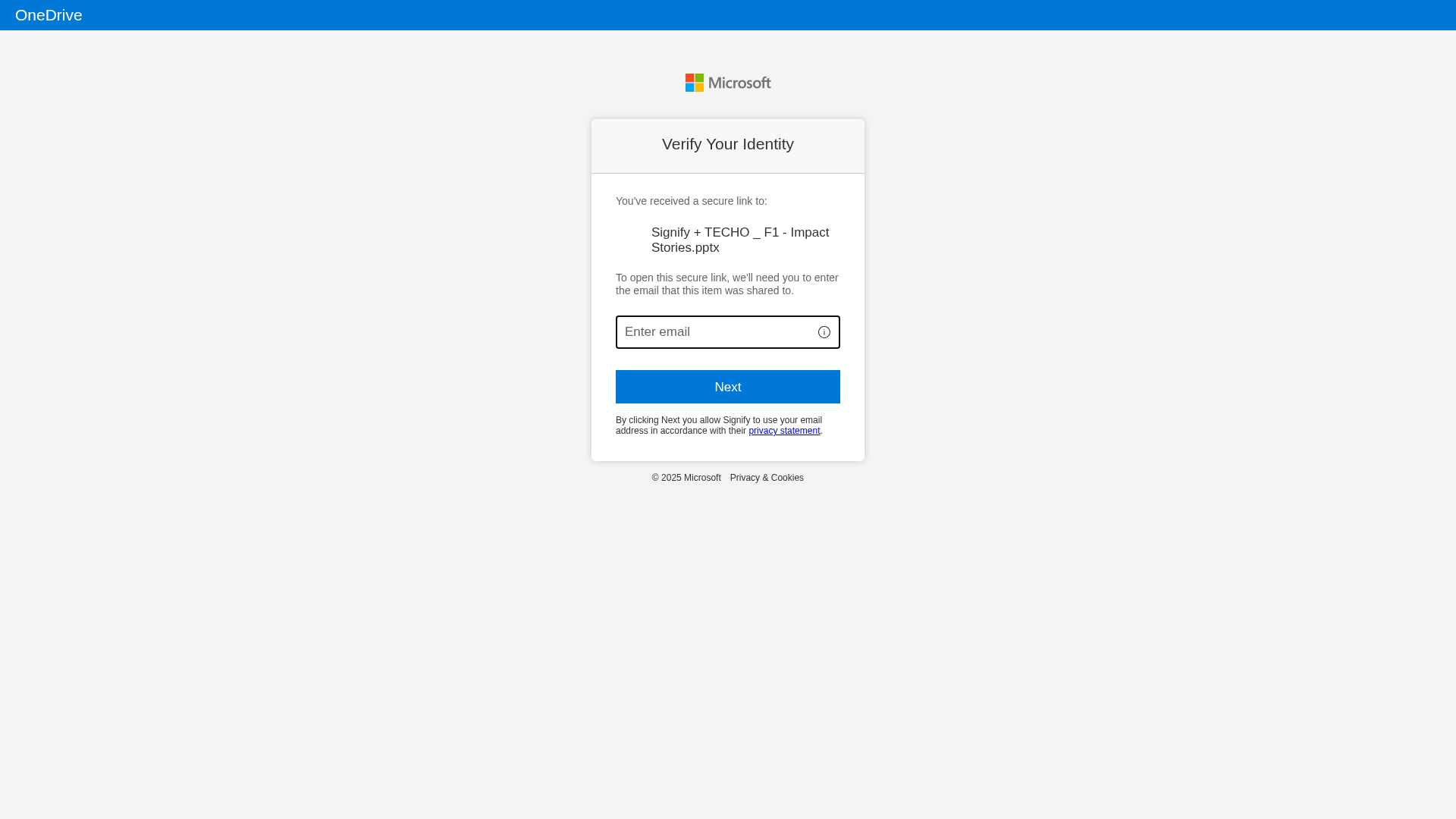
Microsoft
https://docs.lighting.com/:p:/g/personal/jose_avalos_signify...
Mar 11, 2026
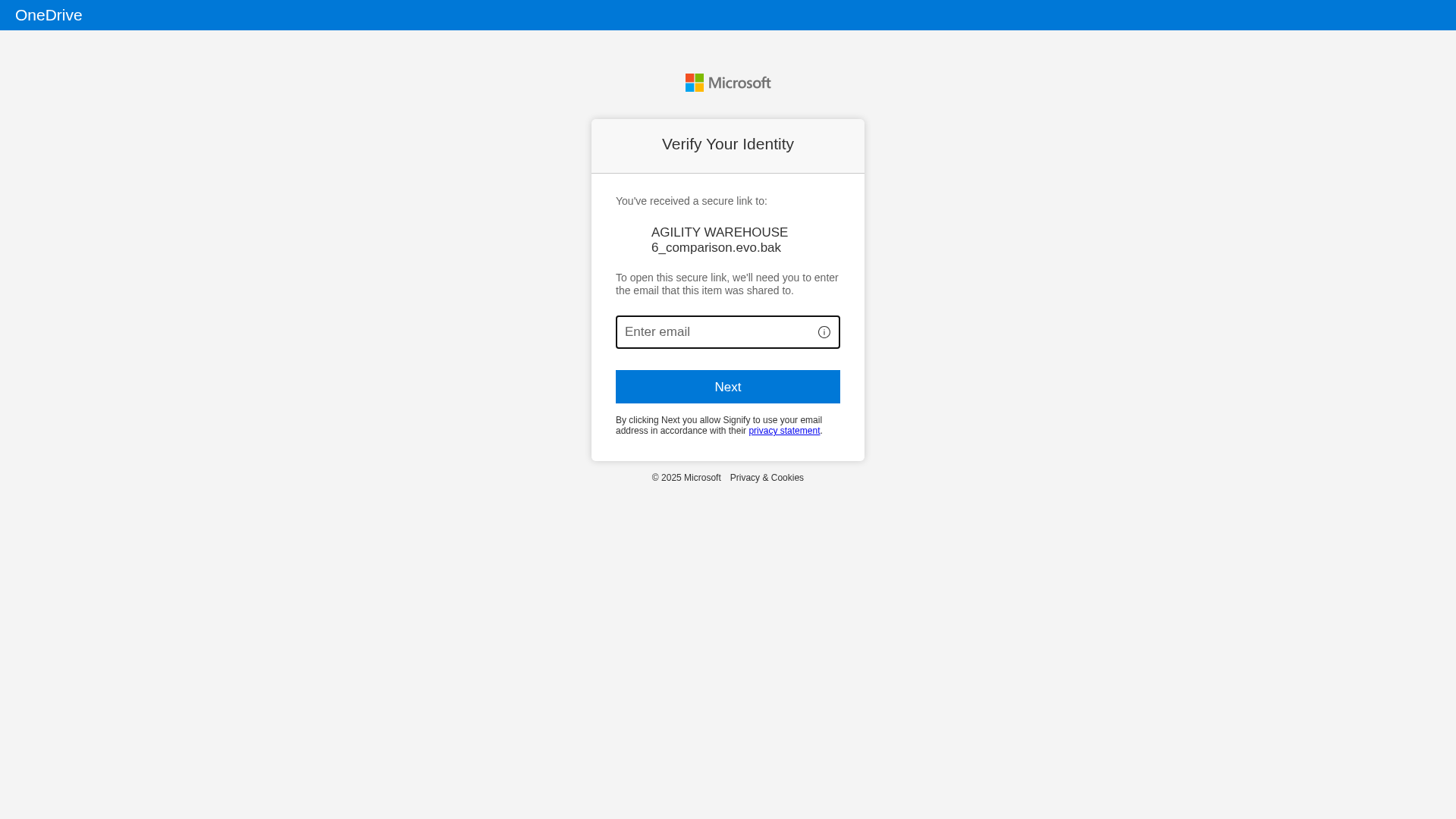
Microsoft
https://docs.lighting.com/personal/anirban_ghosh_signify_com...
Mar 06, 2026
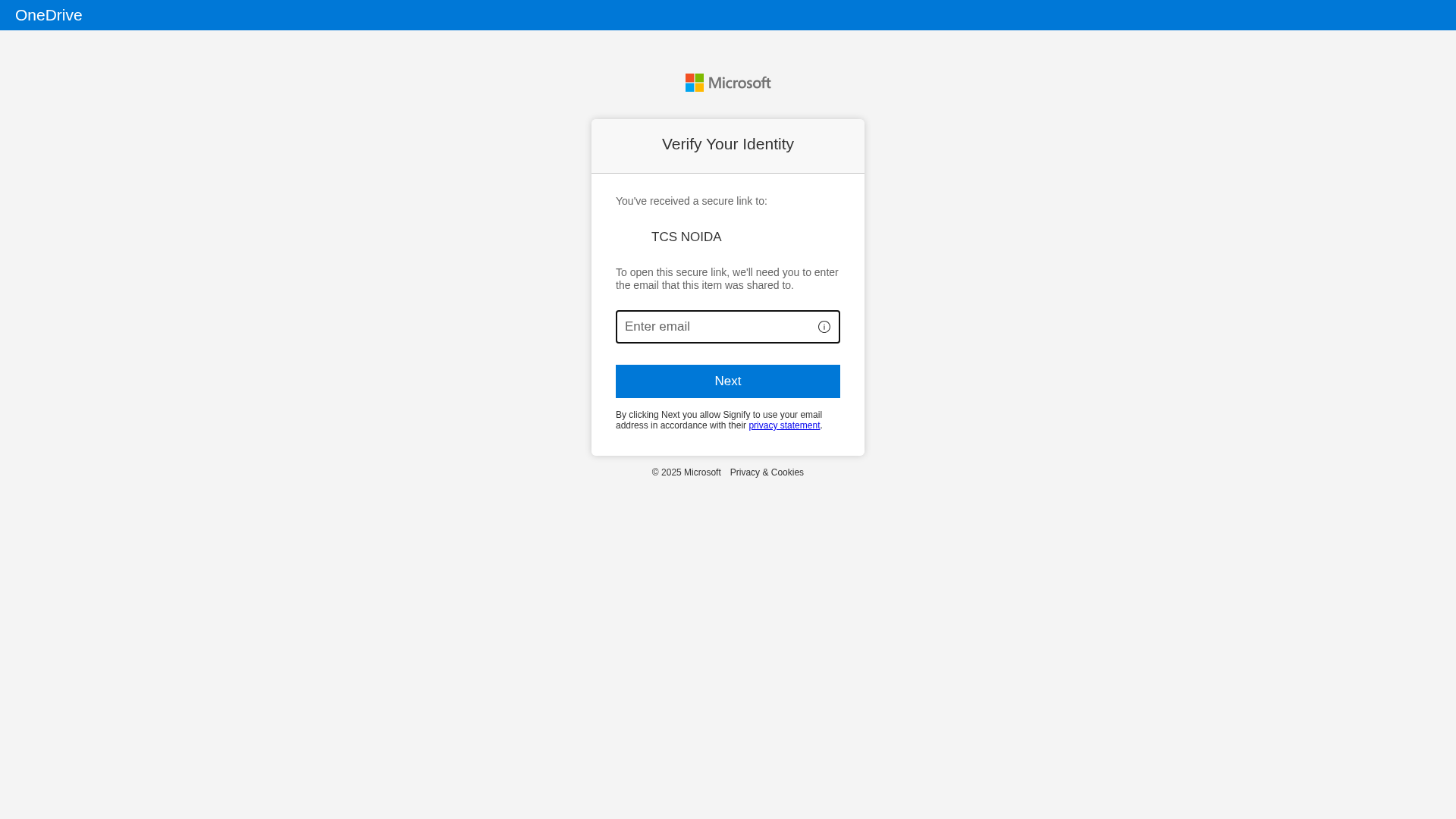
Microsoft
https://docs.lighting.com/:f:/g/personal/nupur_biswas_signif...
Mar 01, 2026
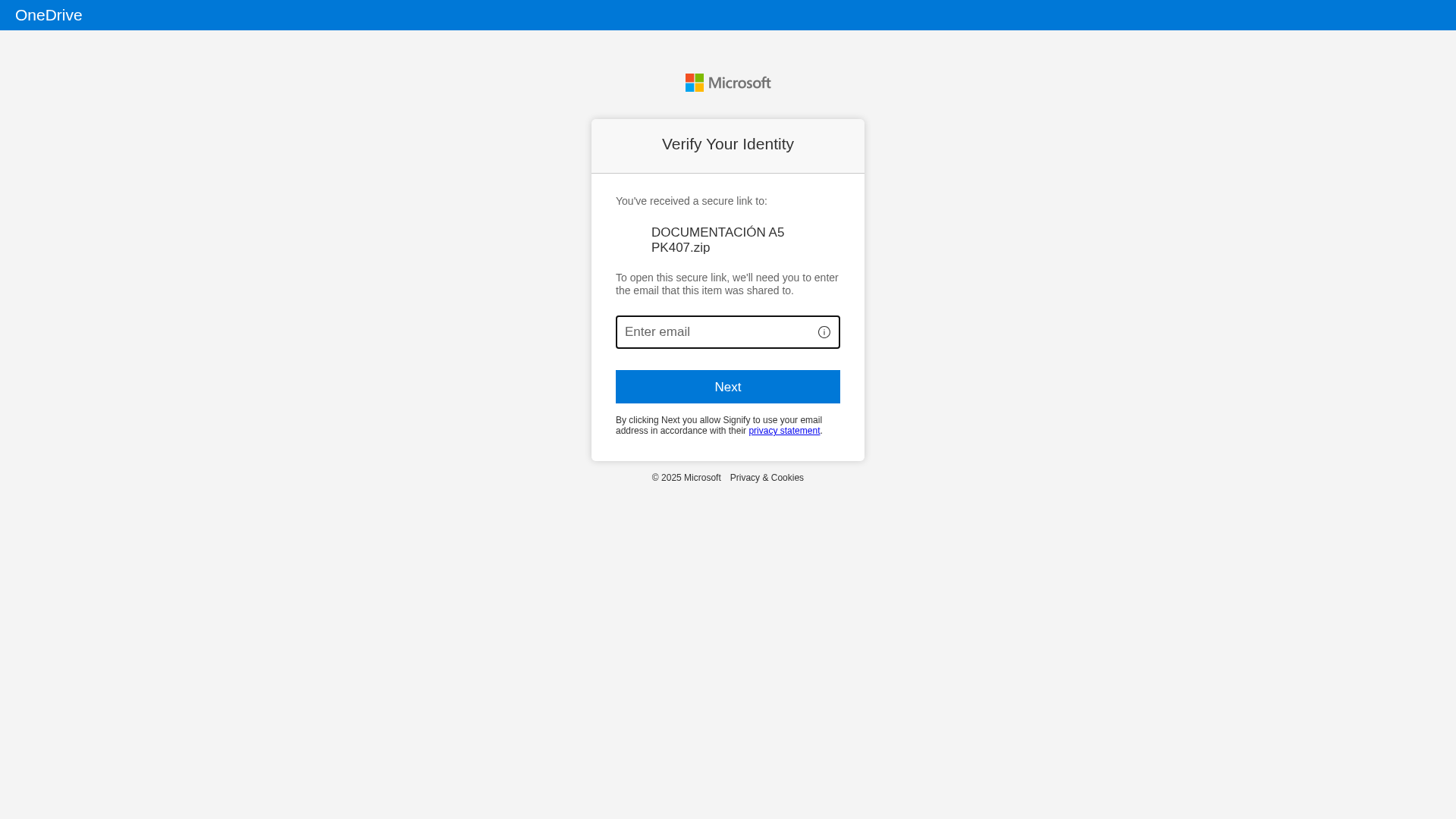
Microsoft
https://docs.lighting.com/:u:/g/personal/diego_carvajal_gonz...
Feb 11, 2026
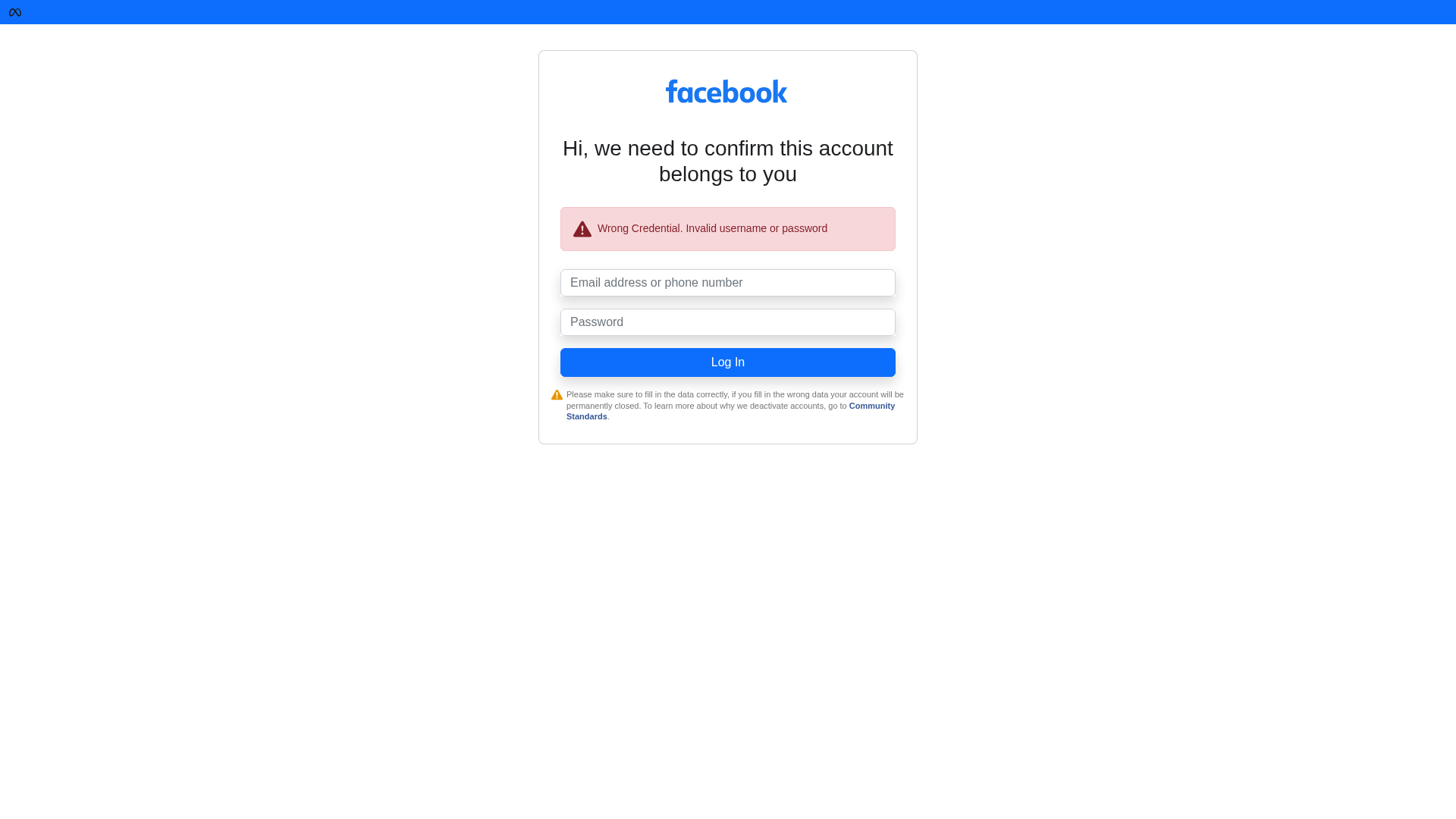
Facebook
http://susumilkuenak.github.io/jonsbo/re-verify.html
Ene 04, 2026
Scan History for docs.lighting.com
Found 10 other scans for this domain
-
http://docs.lighting.com/:f:/g/personal/richard_ve...
https://docs.lighting.com/:f:/g/personal/richard_v...
https://docs.lighting.com/:f:/g/personal/jan-henni...
http://docs.lighting.com/:f:/g/personal/richard_ve...
https://docs.lighting.com/:f:/g/personal/malene_ha...
http://docs.lighting.com/personal/genaro_rubio_rui...
https://docs.lighting.com/:p:/g/personal/jose_aval...
https://docs.lighting.com/personal/anirban_ghosh_s...
https://docs.lighting.com/:f:/g/personal/jan-henni...
https://docs.lighting.com/:f:/g/personal/nupur_bis...

"Nunca pensé que me pasaría a mí"
Esto dicen las 2.3 millones de víctimas cada año. No esperes a ser una estadística.