
Phishing Analysis
Detailed analysis of captured phishing page
Captura Visual
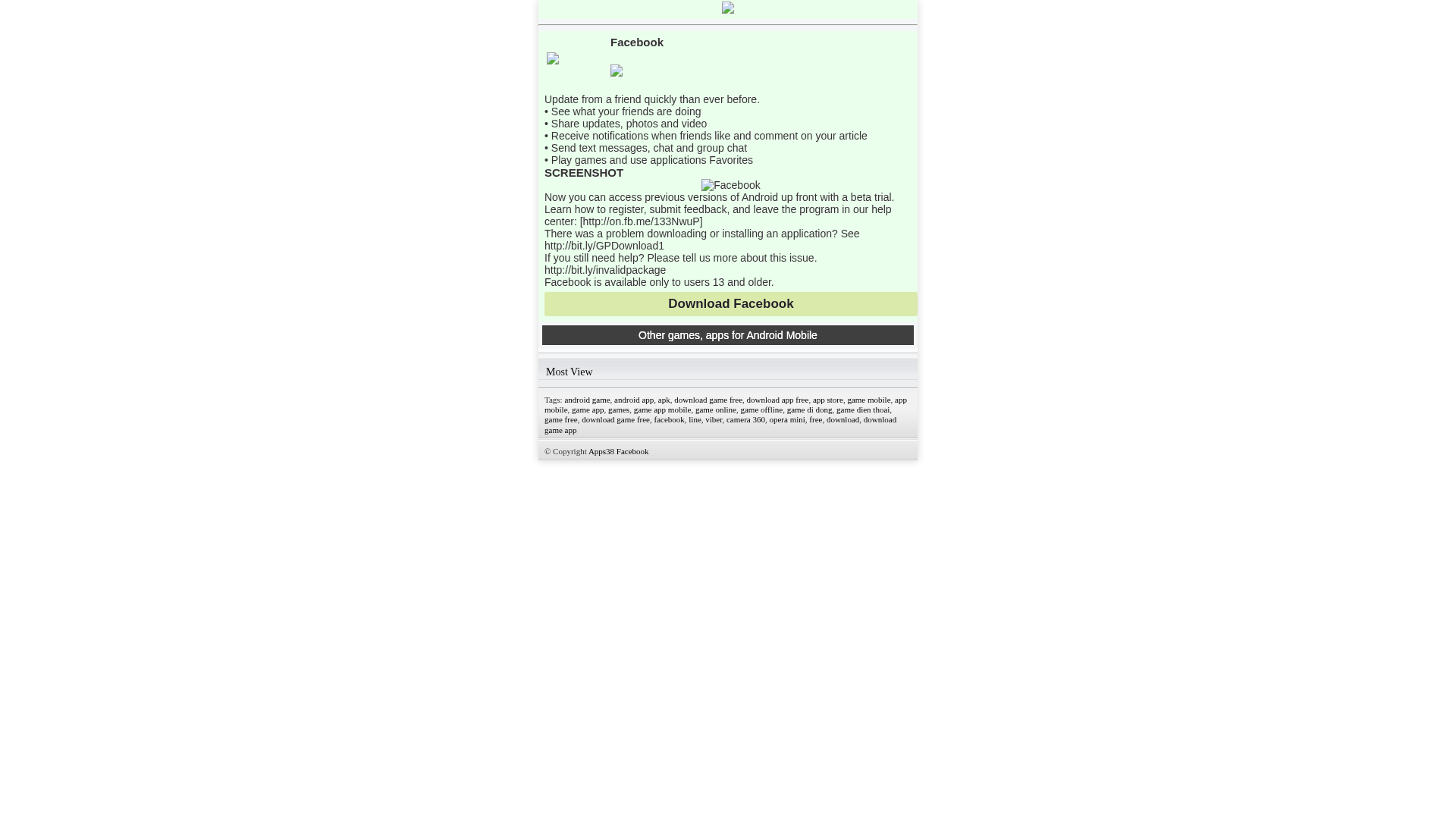
Información de Detección
https://apps38-facebook.blogspot.com/
Detected Brand
Facebook
Country
Unknown
Confianza
100%
HTTP Status
200
Report ID
9c897144-e72…
Analyzed
2026-07-11 10:09
Hashes de Contenido (Similitud HTML)
Used to detect similar phishing pages based on HTML content
| Algorithm | Hash Value |
|---|---|
|
CONTENT
TLSH
|
T1D1E1746B5042F91A5AB2C1BCFA60771CDE83D68AD3435E4891F45F9EAEC0FA1C40165E |
|
CONTENT
ssdeep
|
96:HlejPzGCvqYIhoBsBI1/YIfFu/ZqJJMVEIc8tgF1vT4I96IvoxVhFv1ode:HlW/it0/ExZVg8ty1bcHxie |
Hashes Visuales (Similitud de Captura)
Used to detect visually similar phishing pages based on screenshots
| Algorithm | Hash Value |
|---|---|
|
VISUAL
pHash
|
b33399cc6666cc98 |
|
VISUAL
aHash
|
e7e7e7c3e7ffffff |
|
VISUAL
dHash
|
0c0c4c4d0c000800 |
|
VISUAL
wHash
|
c0c0c0c0c0fcfcfc |
|
VISUAL
colorHash
|
07040006000 |
|
VISUAL
cropResistant
|
0c0c4c4d0c000800 |
Análisis de Código
Risk Score
85/100
Nivel de Amenaza
ALTO
⚠️ Phishing Confirmed
🎣 Credential Harvester
🎣 OTP Stealer
🎣 Personal Info
🔒 Obfuscation Detected
- eval
- fromCharCode
- unescape
- document.write
- hex_escape
- unicode_escape
🎯 Kit Endpoints
- https://lh3.googleusercontent.com/blogger_img_proxy/AEn0k_sGRCfWfSWq-FKmf0GLeg_G_rE4TVK2Ju3qS9RArTjaiKIwhbl85gKcia1s8--kwmyiqwltssy3nCyo0tMamH7krLgyp9N94GRgT8gsyHQXPLYiou-dzNJv=s0-d
- https://www.blogger.com/navbar/907307379249124864?origin=https://apps38-facebook.blogspot.com&usegapi=1&jsh=m%3B%2F_%2Fscs%2Fabc-static%2F_%2Fjs%2Fk%3Dgapi.lb.en.9vdPKhB0RUg.O%2Fd%3D1%2Frs%3DAHpOoo97anj7zZ432JcN58tqJJp_A6WeOw%2Fm%3D__features__#id=navbar-iframe&_gfid=navbar-iframe&parent=https%3A%2F%2Fapps38-facebook.blogspot.com&pfname=&rpctoken=26884827
- https://lh3.googleusercontent.com/blogger_img_proxy/AEn0k_uMi4nidih88OBO2y0bVjGQU61daUqERa0vZnMVQAPAzsUmC2UHUTrVlFGSYEWa9C-AZRlPwZ95OVnGzXSdtZgm8AuEWARdeJCZpZ7-ky5zjgfZkJoSAyvZUy-znQ=s0-d
- https://www.blogger.com/feeds/907307379249124864/posts/default
- https://lh3.googleusercontent.com/blogger_img_proxy/AEn0k_vgBepa4blhE-5dc5ZCiHVWt5x1Q2_Y-0OAdGgpLHStH9lU2Wuox7zM94QtvExxewT-xpbF0Um4qFdzo2ZHrfFDKfWXz95RP7zhsyqxVfrFyZHK3fSmJRX2ChZxj8bHELLjNArO9rooIyoA=s0-d
- https://lh3.googleusercontent.com/blogger_img_proxy/AEn0k_ttpYpXIdmwG0F1PhNAUqcptsLTy4FFAH_WaqLS7CJoibnlRzoRqXO0_42zi7FRsfdNi7PfSmD3kd9a-Fi8aICofue0e4YKKY0SpjdTr0vbCTg=s0-d
- https://apps38-facebook.blogspot.com/feeds/posts/default?alt=rss
- https://apps38-facebook.blogspot.com/
- http://apps38-facebook.blogspot.com/
- https://www.blogger.com/dyn-css/authorization.css?targetBlogID=907307379249124864&zx=01ef4010-e740-4ed8-b478-e2b469e270e1
- https://apps38-facebook.blogspot.com/feeds/posts/default
- https://www.blogger.com/profile/17511834529847128855
📡 API Calls Detected
- post
📊 Desglose de Puntuación de Riesgo
Total Risk Score
100/100
Contributing Factors
Active Phishing Kit
Detected kit types: Credential Harvester, OTP Stealer, Personal Info
Code Obfuscation
JavaScript code obfuscated using 28 technique(s) to evade detection
🔬 Análisis Integral de Amenazas
Tipo de Amenaza
Two-Factor Authentication Stealer
Objetivo
Facebook users
Método de Ataque
obfuscated JavaScript
Canal de Exfiltración
Form submission (backend endpoint not detected - likely JavaScript-based)
Evaluación de Riesgo
CRITICAL - Automated credential harvesting with Form submission (backend endpoint not detected - likely JavaScript-based)
⚠️ Indicators of Compromise
- Kit types: Credential Harvester, OTP Stealer, Personal Info
- 28 obfuscation techniques
🏢 Análisis de Suplantación de Marca
Impersonated Brand
Facebook
Official Website
https://www.facebook.com
Fake Service
Credential harvesting service
⚔️ Metodología de Ataque
Primary Method: Credential Harvesting
Victim enters username and password into fake login form. Credentials are captured via JavaScript and exfiltrated to attacker's server in real-time.
Secondary Method: JavaScript Obfuscation
Malicious code is obfuscated using 28 techniques to evade detection by security scanners and make reverse engineering more difficult.
🌐 Indicadores de Compromiso de Infraestructura
Domain Information
Dominio
apps38-facebook.blogspot.com
Registered
Unknown
Registrar
None
Estado
Age unknown
Hosting Information
Provider
Unknown
ASN
🤖 AI-Extracted Threat Intelligence
Similar Websites
Pages with identical visual appearance (based on perceptual hash)
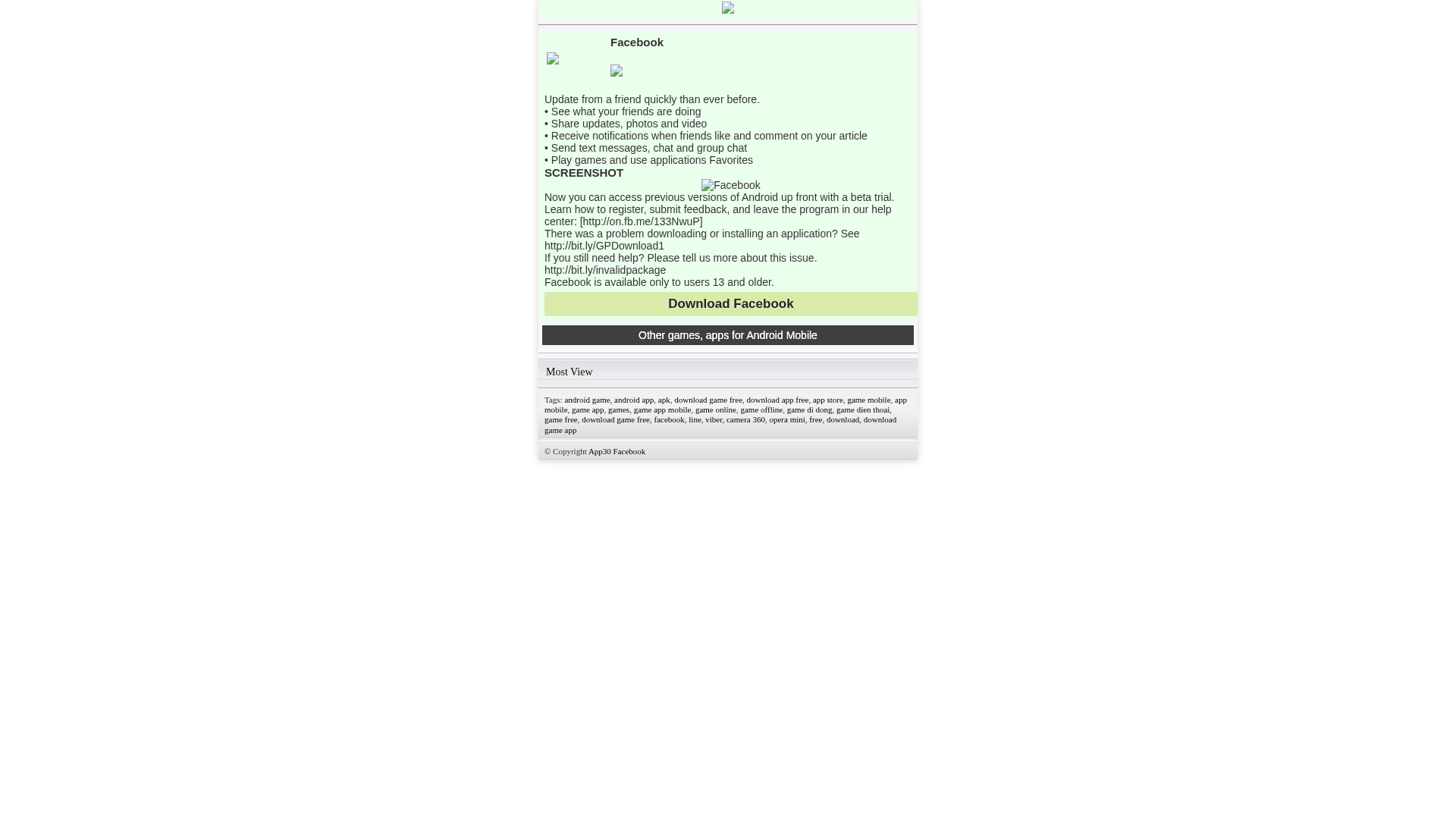
Facebook
https://app30-facebook.blogspot.com/
Jul 11, 2026
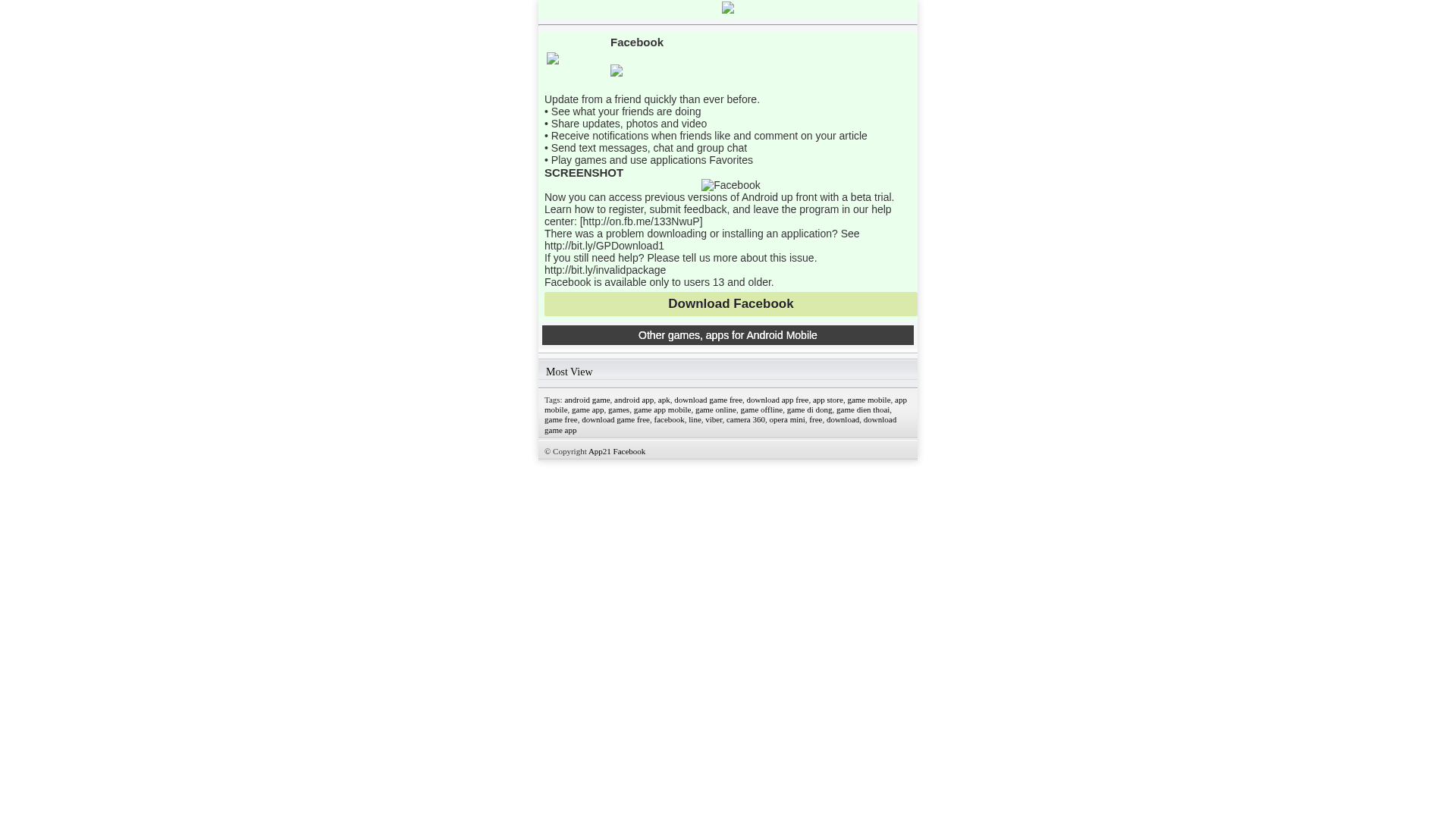
Facebook
https://app21-facebook.blogspot.com/
Jul 11, 2026
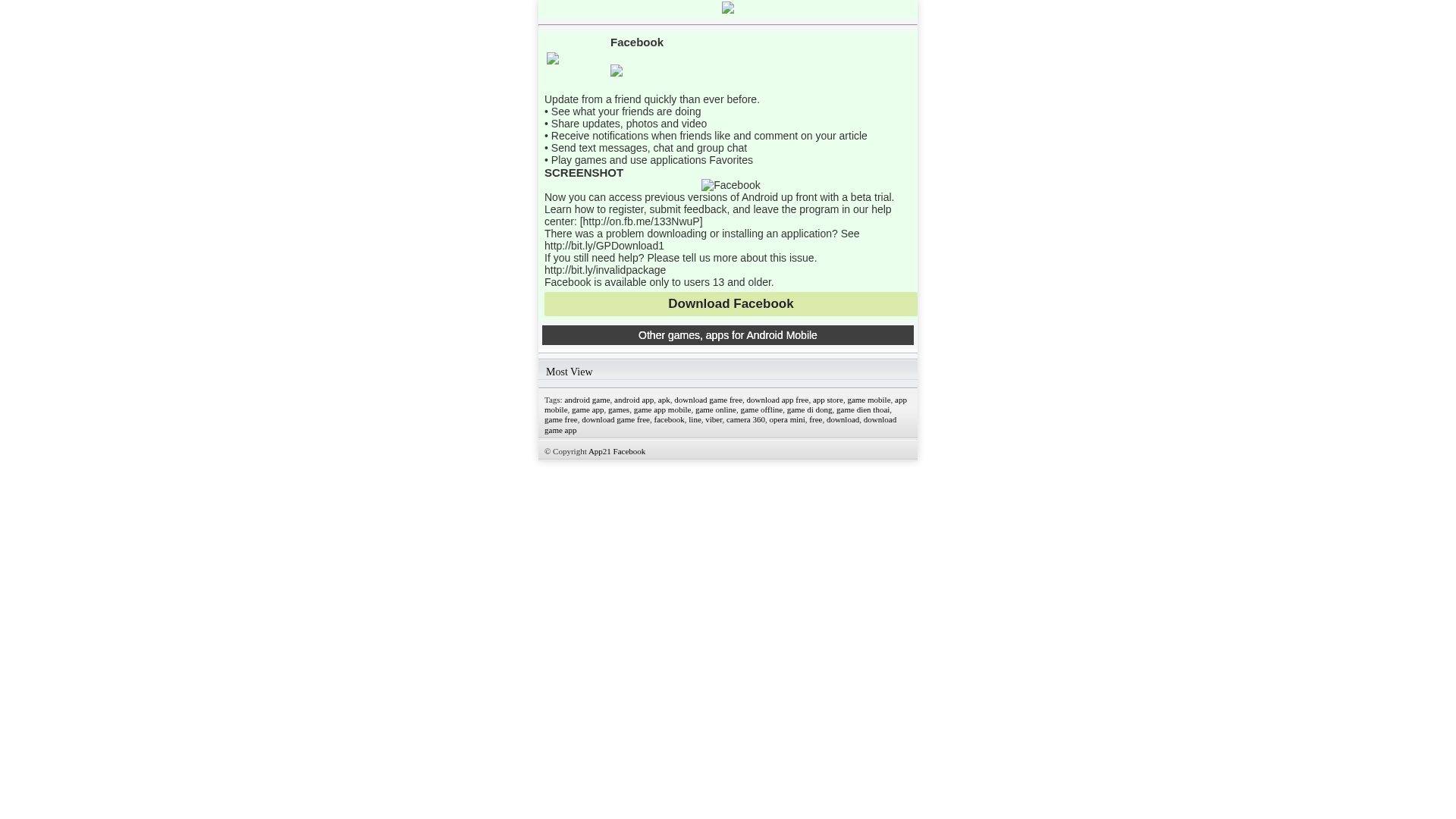
Facebook
https://www.app21-facebook.blogspot.com/
Jul 11, 2026
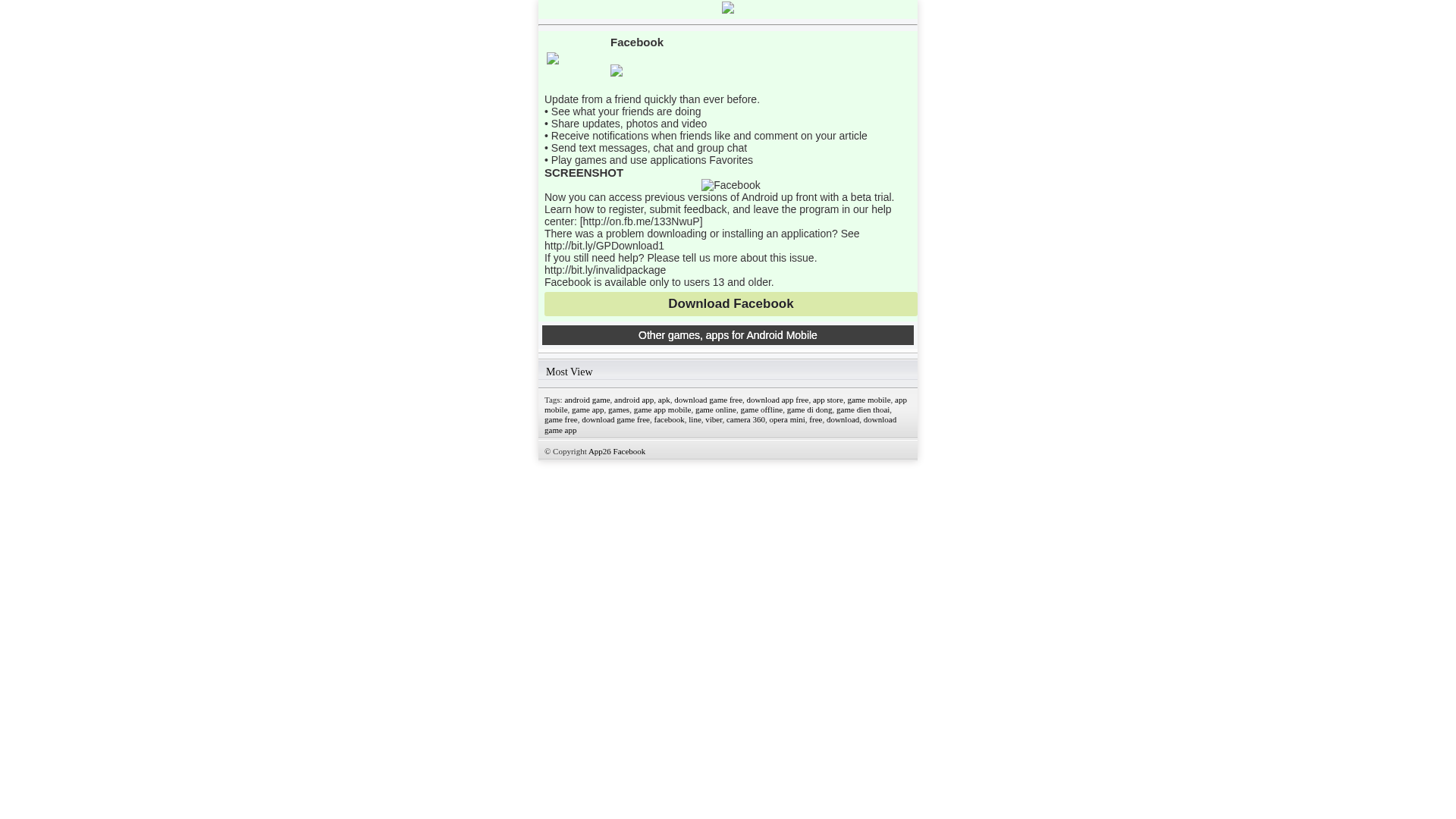
Facebook
https://app26-facebook.blogspot.com/?m=1
Jul 11, 2026
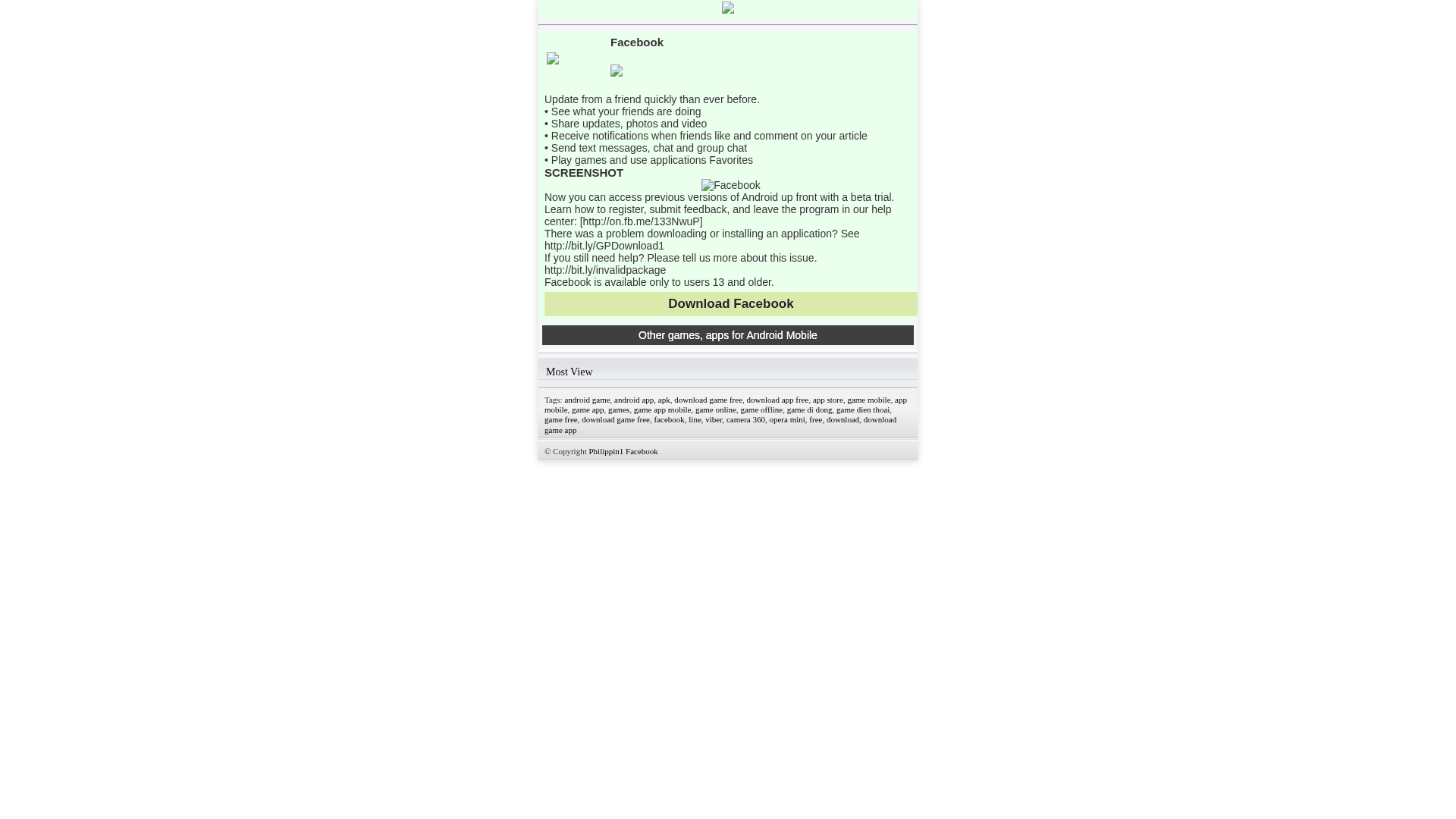
Facebook
https://phi1-facebook.blogspot.com/
Jul 11, 2026

"Nunca pensé que me pasaría a mí"
Esto dicen las 2.3 millones de víctimas cada año. No esperes a ser una estadística.