
Phishing Analysis
Detailed analysis of captured phishing page
Captura Visual
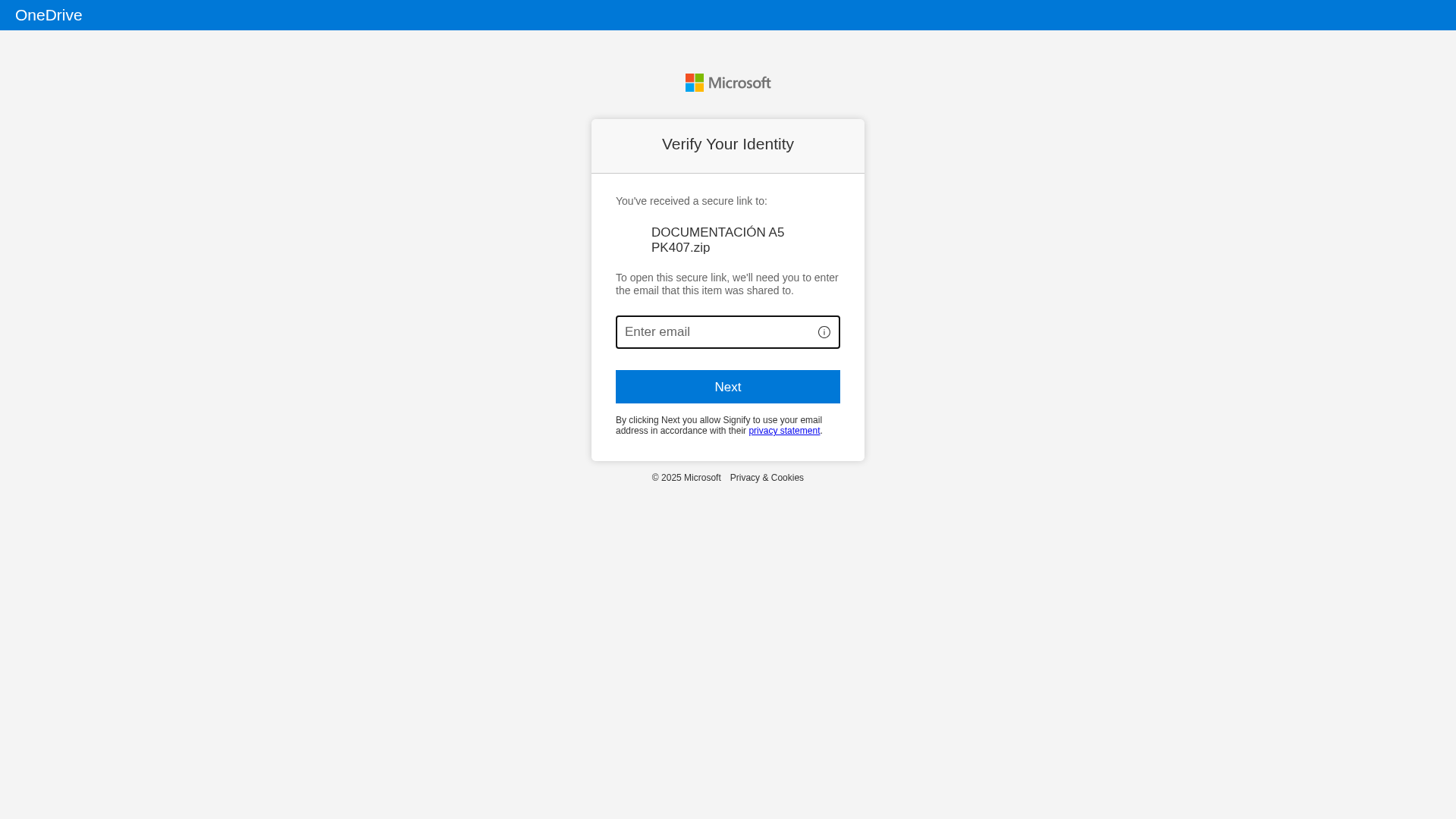
Información de Detección
https://docs.lighting.com/:u:/g/personal/diego_carvajal_gonzalez_signify_com/IQC9ec0vkxooSZibOAtB3QEqAUrzsq-b7G5gjCNMxbQHiPw
Detected Brand
Microsoft
Country
International
Confianza
100%
HTTP Status
200
Report ID
2cb0cad4-6a5…
Analyzed
2026-02-11 11:51
Hashes de Contenido (Similitud HTML)
Used to detect similar phishing pages based on HTML content
| Algorithm | Hash Value |
|---|---|
|
CONTENT
TLSH
|
T1C6C1F871A2309DB301A2D2E4FAE6B74BB1C282AACB06560152EC935D0EF7E85DD711E4 |
|
CONTENT
ssdeep
|
96:gc2ET3hZ4zjHsDTRMS8BSfEdNRPyEffgcHLZQtwD0u8BQ8vrS3eeK5NpLA8g8D0C:OM3hZAHSRMS8BSfEdNwHcHLZQmvK5r51 |
Hashes Visuales (Similitud de Captura)
Used to detect visually similar phishing pages based on screenshots
| Algorithm | Hash Value |
|---|---|
|
VISUAL
pHash
|
b3734c4c66735919 |
|
VISUAL
aHash
|
00ffffe7e7ffffff |
|
VISUAL
dHash
|
0808324c4c300000 |
|
VISUAL
wHash
|
00080c04c7dfcfcf |
|
VISUAL
colorHash
|
070000001c0 |
|
VISUAL
cropResistant
|
0c281a4c0c100000,0000004040400080 |
Análisis de Código
Risk Score
85/100
Nivel de Amenaza
ALTO
⚠️ Phishing Confirmed
🎣 Credential Harvester
🎣 OTP Stealer
🎣 Personal Info
🔬 Threat Analysis Report
• Amenaza: Phishing
• Objetivo: Usuarios de Microsoft
• Método: Suplantación de identidad y recopilación de credenciales
• Exfil: /personal/diego_carvajal_gonzalez_signify_com/_layouts/15/guestaccess.aspx?share=IQC9ec0vkxooSZibOAtB3QEqAUrzsq-b7G5gjCNMxbQHiPw
• Indicadores: Coincidencia de dominio, solicitud de correo electrónico, uso de Javascript ofuscado
• Riesgo: Alto
🔐 Credential Harvesting Forms
🔒 Obfuscation Detected
- eval
- fromCharCode
- unescape
- document.write
- base64_strings
🎯 Kit Endpoints
- https://res-1.cdn.office.net${ar()}`}let
- https://www.onedrive-tst.com
- https://res-1.cdn.office.net/files/odsp-web-prod_2026-01-23.008/spoguestaccesswebpack/spoguestaccess.js
- https://res-1.cdn.office.net/bld/_layouts/15/16.0.26928.12006/require.js
- https://docs.lighting.com/ScriptResource.axd?d=QypiA9NcvCE7tHTonLgCuDn5nTtu4P1UBQTrWSerezV1CNBcZwuodjKltgWf9IiB6kiHBT9YK7dRMbzLx79tQDHv07zmrMwdU8pzzrr83XvxJa3ZS9lUTq17ELgkLhLyCZgbgcGqb561UZQYcJPMhs_avwbopqpwaztTHXH1Etc1&t=ffffffff93d1c106
- https://res-1.cdn.office.net/files/fabric-cdn-prod_20230815.002/assets
- https://docs.lighting.com/ScriptResource.axd?d=Pi4SIhR9eGpJF9JIc26P0bhzlZpSY4YiHKU8pgn9rVOJtfsHPgXDWZGaewMHPQSTcQt6s3nawR9MVKa1M_sjdpYZqPGMxyYMELViqT041jJSzrLzAyVrn8IrQxflKSm6gb6eX6zccguwdRRkhg8wH520g4f2tOksH_xHFgD_6CDI4W0erM4yFXheVPfZGIcz0&t=5c0e0825
- https://reactjs.org/docs/error-decoder.html?invariant=
- http://requirejs.org/docs/errors.html#
- http://www.mozilla.org/newlayout/xml/parsererror.xml
- https://docs.lighting.com/ScriptResource.axd?d=bckPGw5naV-XvJirhYegq0UHSz9euyKKpNII3_4EWe7MX7ULH1TB5KYbUomOHwV_J0a_KB4AUdN9H__gFtMbTYIKJCEt6rcYcQOxuT5YzJXnxUxZOOdkLNZy4YGf7QlkNvKTqsk4bK15M6GdQdAvcW2wqx2rY5a_AZigpKFZWDr1x0EmTf5LsYAGS2kUsrtU0&t=5c0e0825
- https://docs.lighting.com/WebResource.axd?d=wpwjJb4qar_gppHJbiOmnrGbOHczyPhTPfpK3ZGOHGjyEqf7WjSg5h9c6amTi4i3uVT7EJzPXW80BPij9FqFPu2GJv900LiUnCgtSZM9j101&t=639034846819255068
📡 API Calls Detected
- POST
- javascript:
📤 Form Action Targets
- /personal/diego_carvajal_gonzalez_signify_com/_layouts/15/guestaccess.aspx?share=IQC9ec0vkxooSZibOAtB3QEqAUrzsq-b7G5gjCNMxbQHiPw
📊 Desglose de Puntuación de Riesgo
Total Risk Score
90/100
Contributing Factors
Domain Mismatch
The domain does not belong to Microsoft.
JavaScript Obfuscation
Javascript obfuscation indicates potentially malicious activity.
Request for Email
Requests for email addresses are highly suspicious and often associated with credential harvesting.
🔬 Análisis Integral de Amenazas
Tipo de Amenaza
Two-Factor Authentication Stealer
Objetivo
Microsoft users (International)
Método de Ataque
Brand impersonation + credential harvesting forms + obfuscated JavaScript
Canal de Exfiltración
HTTP POST to backend
Evaluación de Riesgo
CRITICAL - Automated credential harvesting with HTTP POST to backend
⚠️ Indicators of Compromise
- Kit types: Credential Harvester, OTP Stealer, Personal Info
- 48 obfuscation techniques
🏢 Análisis de Suplantación de Marca
Impersonated Brand
Microsoft
Official Website
https://www.microsoft.com/
Fake Service
OneDrive
⚔️ Metodología de Ataque
Primary Method: Credential Harvesting
The attacker aims to steal user credentials by mimicking a legitimate login page and prompting the user to enter their email.
Secondary Method: Social Engineering
The phishing email leverages the user's familiarity with Microsoft services to trick them into entering their credentials.
🌐 Indicadores de Compromiso de Infraestructura
🦠 Malicious Files
Main File
WebForms.js (or similar ASP.NET client-side script)
File Size
📊 Diagrama de Flujo de Ataque
1. Step 1: User lands on spoofed SharePoint/Office 365 document sharing page
2. Step 2: Page loads legitimate-looking UI with Microsoft CDN resources
3. Step 3: WebForm_InitCallback() silently collects all form fields (including password inputs) into __theFormPostCollection
4. Step 4: User interaction (e.g., clicking 'Open Document') triggers __doPostBack() or WebForm_DoCallback()
5. Step 5: Callback function dynamically creates hidden iframe or XMLHttpRequest to submit collected data to server
6. Step 6: WebForm_ExecuteCallback() processes server response (success/error) to maintain illusion of legitimacy
7. Step 7: Credentials are exfiltrated to attacker's server while user is redirected to a 'loading' or error page
🔬 JavaScript Deep Analysis
Operator Language
English (1%)
Total Code Size
244,4 KB
🔗 API Endpoints Detected
Other
4
🔐 Obfuscation Detected
- : Light
- : None
- : Light
- : Light
- : Moderate
- : Light
🤖 AI-Extracted Threat Intelligence
📊 Attack Flow
1. Step 1: User lands on spoofed SharePoint/Office 365 document sharing page
2. Step 2: Page loads legitimate-looking UI with Microsoft CDN resources
3. Step 3: WebForm_InitCallback() silently collects all form fields (including password inputs) into __theFormPostCollection
4. Step 4: User interaction (e.g., clicking 'Open Document') triggers __doPostBack() or WebForm_DoCallback()
5. Step 5: Callback function dynamically creates hidden iframe or XMLHttpRequest to submit collected data to server
6. Step 6: WebForm_ExecuteCallback() processes server response (success/error) to maintain illusion of legitimacy
7. Step 7: Credentials are exfiltrated to attacker's server while user is redirected to a 'loading' or error page
🎯 Malicious Files Identified
Main Drainer
WebForms.js (or similar ASP.NET client-side script)File Size
~150KB (based on extracted code volume)
Malicious Functions
WebForm_DoCallback()WebForm_CallbackComplete()WebForm_ExecuteCallback()WebForm_InitCallback()WebForm_InitCallbackAddField()__doPostBack()
Similar Websites
Pages with identical visual appearance (based on perceptual hash)
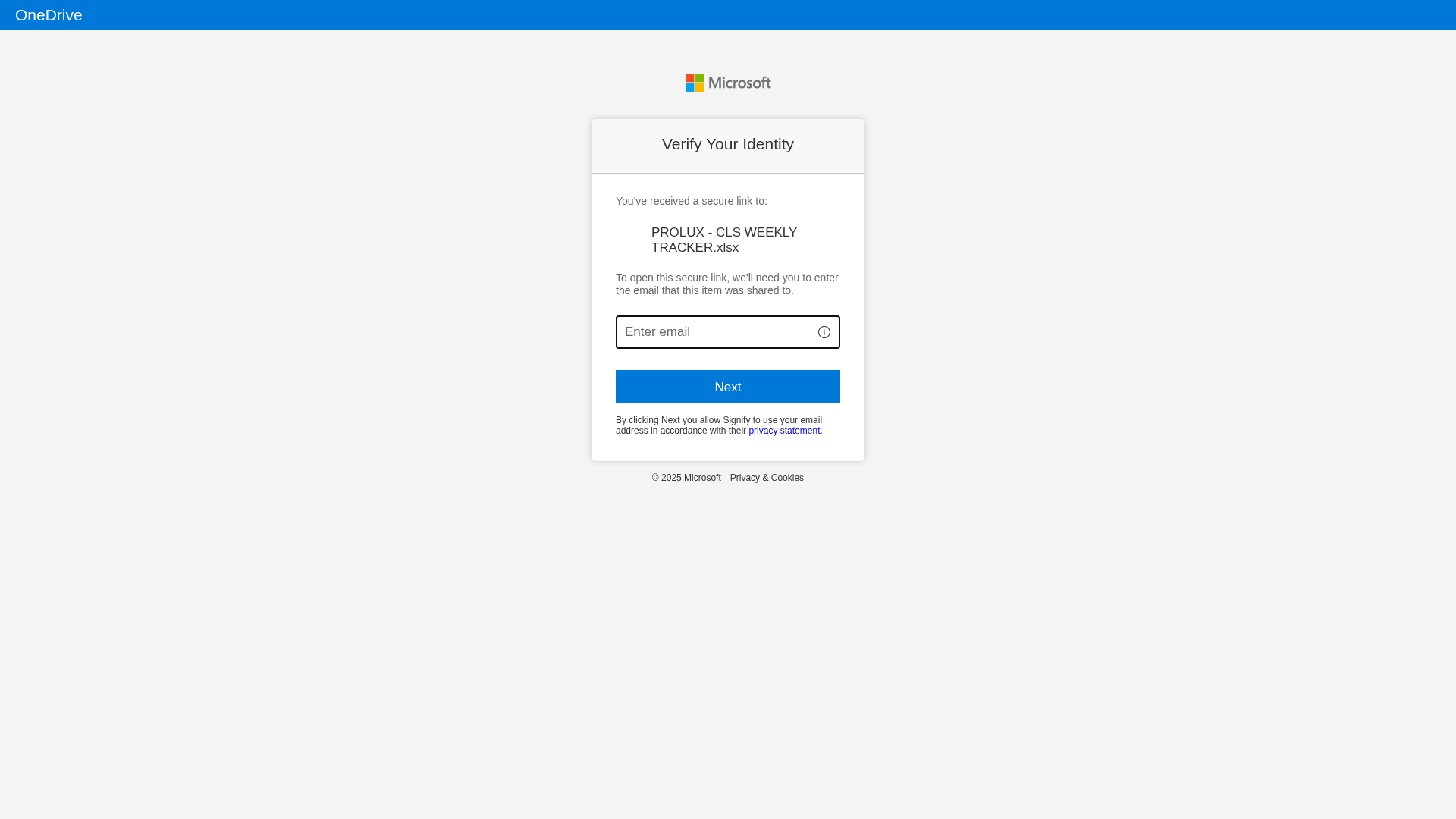
Microsoft
https://docs.lighting.com/:x:/g/personal/christopher_scime_s...
Mar 16, 2026
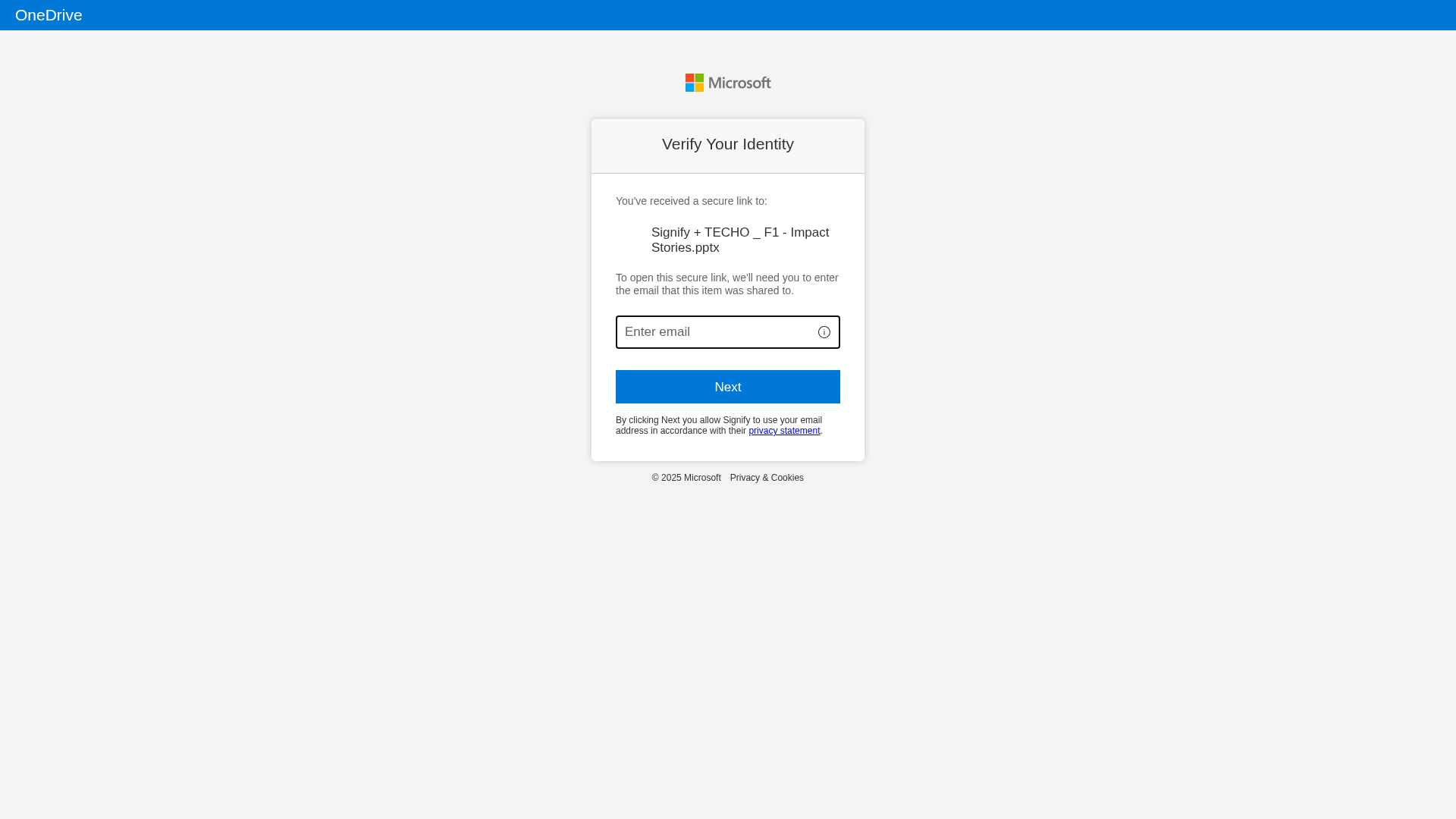
Microsoft
https://docs.lighting.com/:p:/g/personal/jose_avalos_signify...
Mar 11, 2026
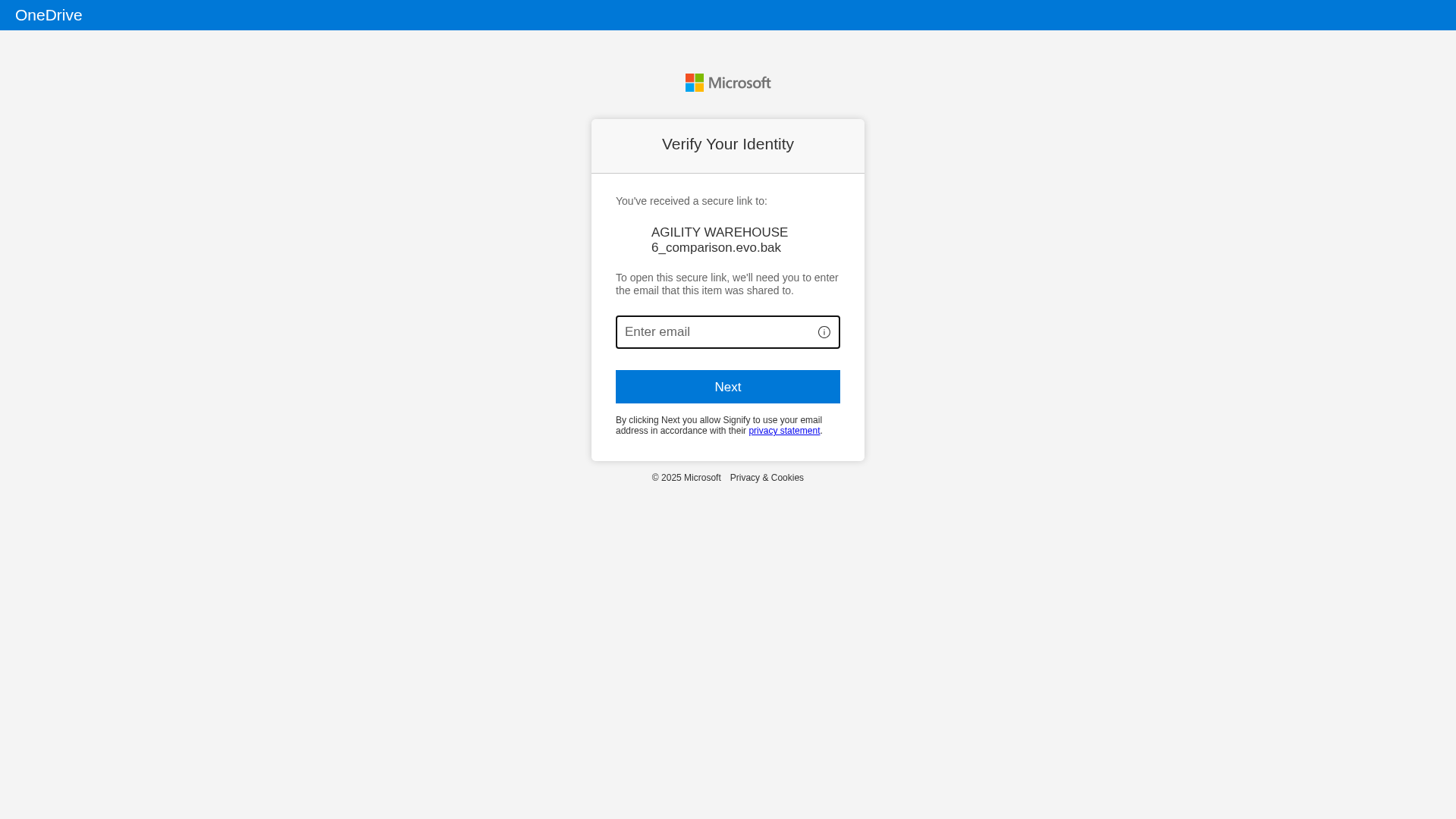
Microsoft
https://docs.lighting.com/personal/anirban_ghosh_signify_com...
Mar 06, 2026
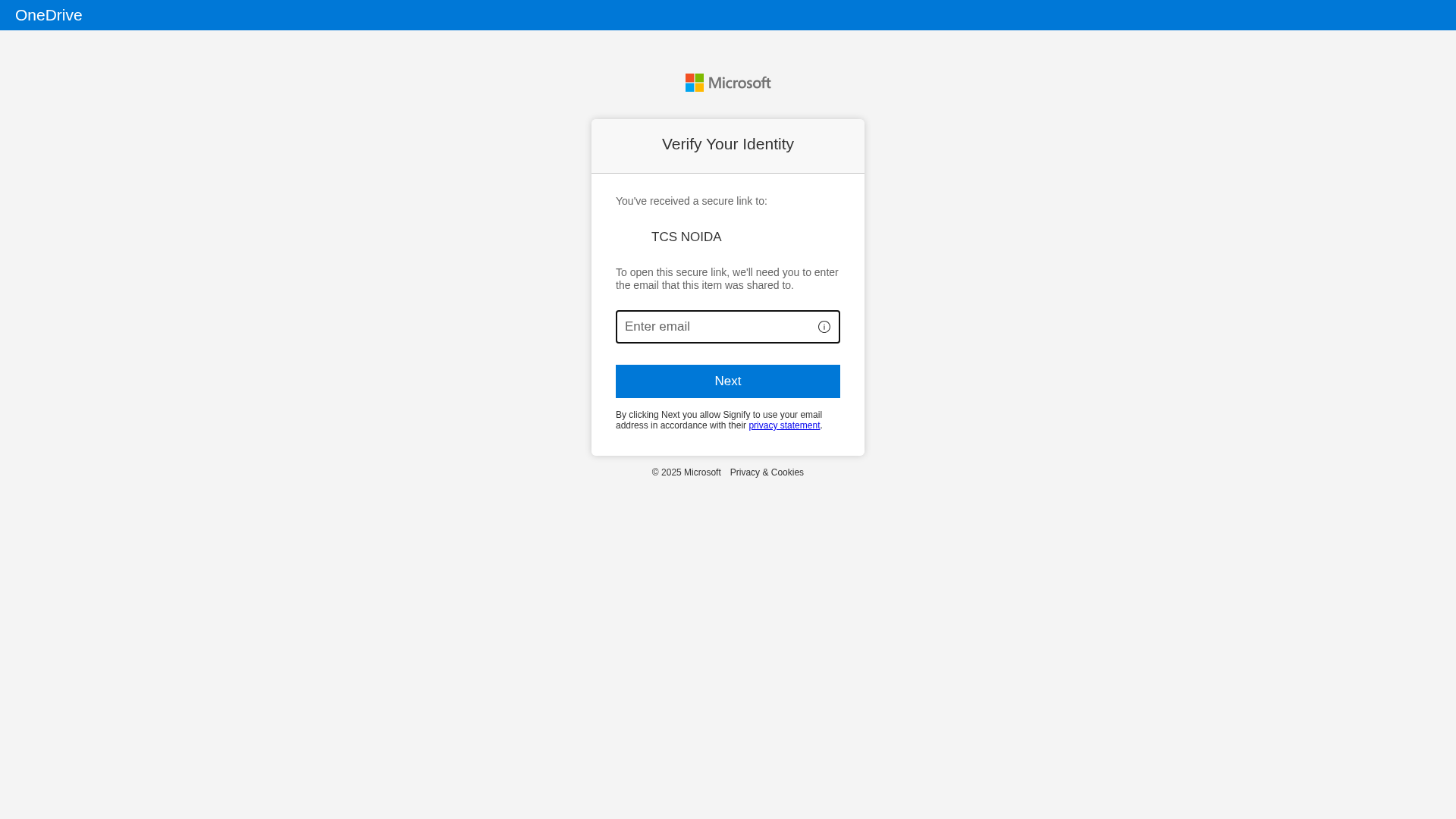
Microsoft
https://docs.lighting.com/:f:/g/personal/nupur_biswas_signif...
Mar 01, 2026
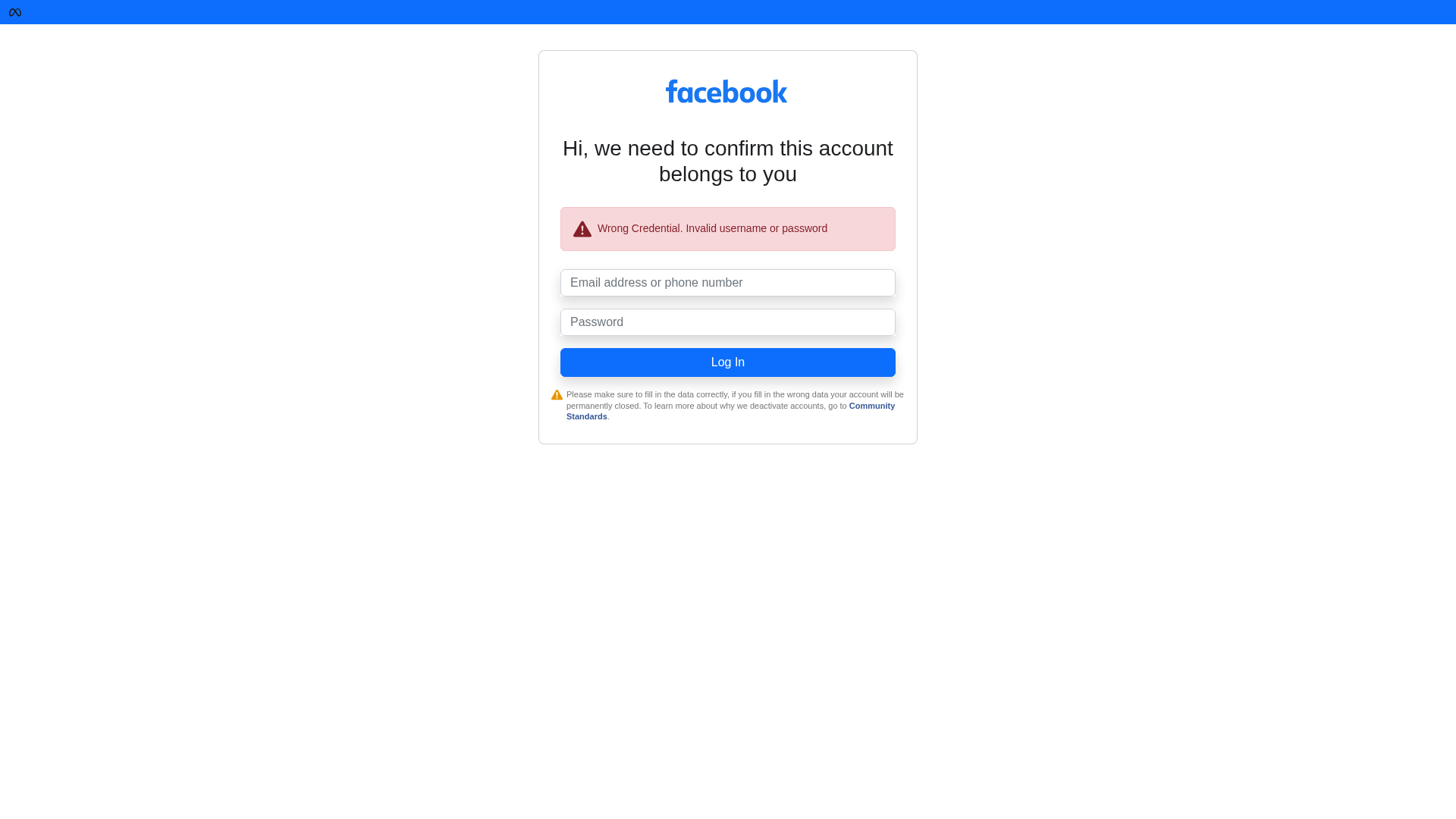
Facebook
http://susumilkuenak.github.io/jonsbo/re-verify.html
Ene 04, 2026
Scan History for docs.lighting.com
Found 10 other scans for this domain
-
http://docs.lighting.com/:f:/g/personal/richard_ve...
https://docs.lighting.com/:f:/g/personal/richard_v...
https://docs.lighting.com/:f:/g/personal/jan-henni...
http://docs.lighting.com/:f:/g/personal/richard_ve...
https://docs.lighting.com/:f:/g/personal/malene_ha...
http://docs.lighting.com/personal/genaro_rubio_rui...
https://docs.lighting.com/:x:/g/personal/christoph...
https://docs.lighting.com/:p:/g/personal/jose_aval...
https://docs.lighting.com/personal/anirban_ghosh_s...
https://docs.lighting.com/:f:/g/personal/jan-henni...

"Nunca pensé que me pasaría a mí"
Esto dicen las 2.3 millones de víctimas cada año. No esperes a ser una estadística.